
Florida, renowned for its pristine beaches, vibrant cities, and world-class attractions, is a dream destination for travelers worldwide. However, its geographical location also places it in the path of Atlantic hurricanes, particularly during the official season from June 1st to November 30th. While these powerful natural phenomena can bring significant challenges, understanding their typical impacts and the resilience of the state’s tourism infrastructure is key for any visitor. The question, “Where did a Florida hurricane hit?” doesn’t have a single answer; rather, it speaks to a dynamic and varied history of storms affecting different regions of this diverse peninsula.
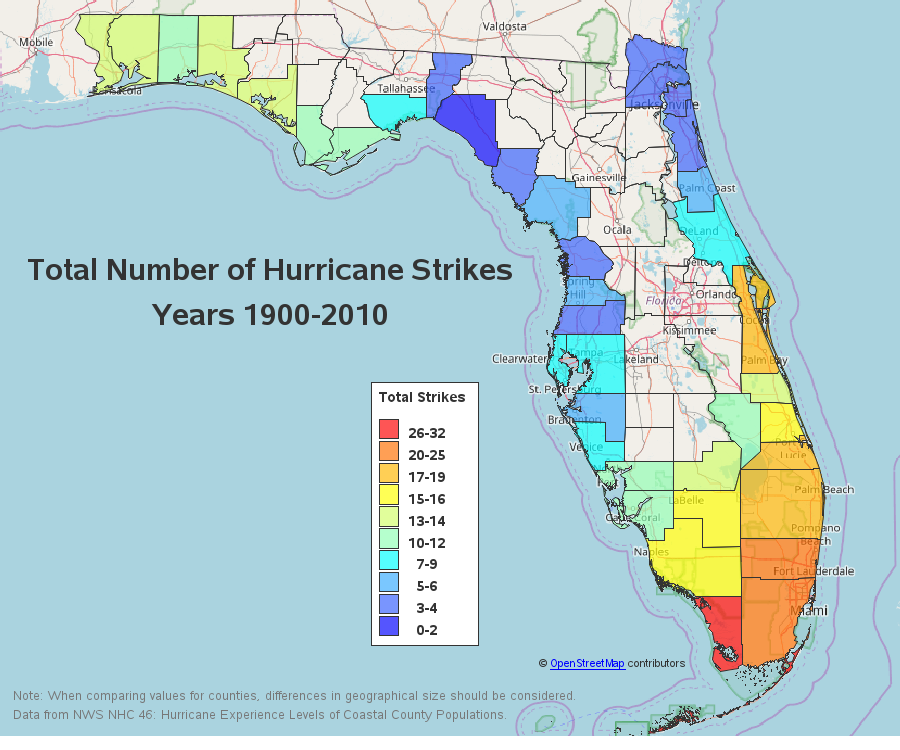
Florida’s unique geography, a peninsula surrounded by the Atlantic Coast to the east and the Gulf Coast to the west, means that various parts of the state are vulnerable to different storm tracks and intensities. From the bustling metropolitan areas of South Florida to the tranquil barrier islands of the Florida Keys and the pristine shores of the Florida Panhandle, each region has its own history with these formidable storms. This article will delve into the areas most frequently impacted, the nature of the damage, and how these events shape travel and tourism in the Sunshine State.
Understanding Florida’s Hurricane Landscape: A Regional Breakdown
Hurricanes in Florida are not uniform in their impact. The specific path, intensity, and size of a storm dictate which regions bear the brunt of its fury, leading to distinct patterns of damage from wind, storm surge, and inland flooding. For travelers planning a visit, knowing these historical impact zones can help in understanding advisories and making informed decisions.
Southwest Florida: The Brunt of Catastrophic Storm Surge
Perhaps no region in recent memory has experienced the sheer destructive power of a hurricane quite like Southwest Florida did with Hurricane Ian in September 2022. This devastating Category 4 storm made landfall near Cayo Costa, unleashing an unprecedented storm surge that inundated coastal communities and transformed the landscape.
Cities like Fort Myers and Naples bore the immediate brunt, with homes and businesses swept away or severely damaged. The barrier islands, including the iconic Sanibel Island and Captiva Island, were cut off from the mainland as sections of their causeways collapsed. These islands, famous for their shelling beaches and quaint resorts, saw immense structural damage to their hotels, villas, and boutique accommodations. The lifestyle of these communities, heavily reliant on tourism and the natural beauty of the Gulf Coast, was profoundly disrupted.
The recovery effort in Southwest Florida has been monumental, highlighting the resilience of its residents and the tourism industry. Many hotels and resorts, including charming beachfront properties and luxury suites, underwent extensive renovations. Attractions like the Edison and Ford Winter Estates in Fort Myers faced significant challenges but have been part of the broader rebuilding narrative. For travelers, understanding the scale of this event means appreciating the ongoing efforts to restore these beautiful destinations. Supporting local businesses, from small family-run restaurants to renovated hotels, becomes a meaningful part of the travel experience in the post-storm era.
The Florida Panhandle: Rebuilding After Michael
Further north, the Florida Panhandle has its own severe hurricane history. In October 2018, Hurricane Michael, an extremely rare Category 5 storm, made landfall near Mexico Beach. The impact was catastrophic, essentially wiping out entire communities and causing widespread devastation across areas like Panama City and inland towards Marianna.
This region, often referred to as the “Emerald Coast” for its stunning green waters, is a popular destination for family trips and beach vacations, featuring a blend of luxury resorts in Destin and more budget-friendly accommodations. Michael’s extreme winds and storm surge obliterated infrastructure, homes, and many of the hotels and resorts that lined the coast. The local tourism economy, heavily reliant on summer visitors, faced immense challenges, with many businesses struggling to reopen for years.
The rebuilding process has been extensive, showcasing remarkable tenacity. New hotels have emerged, and existing ones have been meticulously restored. Landmarks such as the Panama City Beach Pier have been reconstructed, symbolizing the region’s determination to reclaim its status as a premier travel destination. When visiting the Panhandle now, travelers will find a mix of revitalized attractions and vibrant local culture, a testament to the community’s resilience. Exploring cities like Pensacola or the state capital, Tallahassee, offers insights into the wider regional landscape and recovery efforts.
The Florida Keys and Southeast Florida: Enduring Coastal Challenges
The Florida Keys, a string of tropical islands stretching southwest from the tip of the Florida peninsula, are famously vulnerable to hurricanes due to their low elevation and exposed position. Hurricane Irma in September 2017 brought widespread destruction to the Middle and Lower Keys, though the iconic Key West managed to escape the worst of the surge damage.
The Keys are a unique blend of local culture, water-based activities, and distinctive accommodations ranging from charming guesthouses to luxury resorts. Irma’s impact on infrastructure, including homes, roads, and many smaller hotels, was significant. The long road overseas, the Overseas Highway, faced closures, temporarily isolating communities. However, the recovery here was remarkably swift, driven by the strong local spirit and the paramount importance of tourism to the Keys’ lifestyle. Resorts and dive shops quickly reopened, demonstrating the robust nature of their emergency planning and construction. Attractions like Ernest Hemingway Home and Museum and Dry Tortugas National Park remained popular destinations, often serving as symbols of the Keys’ enduring allure.
Further north, Southeast Florida, including metropolitan areas like Miami, Fort Lauderdale, and Palm Beach, frequently experiences the outer bands of hurricanes. While direct landfalls of major hurricanes are less common than in other regions, these areas can still suffer from significant wind damage, extensive power outages, and torrential rainfall leading to widespread urban flooding. Iconic areas like South Beach in Miami or the upscale shopping districts of Coral Gables can be impacted, but their robust infrastructure and emergency services usually facilitate quicker recoveries compared to more remote or less developed coastal zones. Luxury hotels and resorts in these areas typically have sophisticated preparedness plans, ensuring guest safety and rapid reopening. Landmarks such as Biscayne National Park sometimes require temporary closures for clean-up but quickly bounce back for visitors.
Central and Northeast Florida: Inland and Coastal Flooding Threats
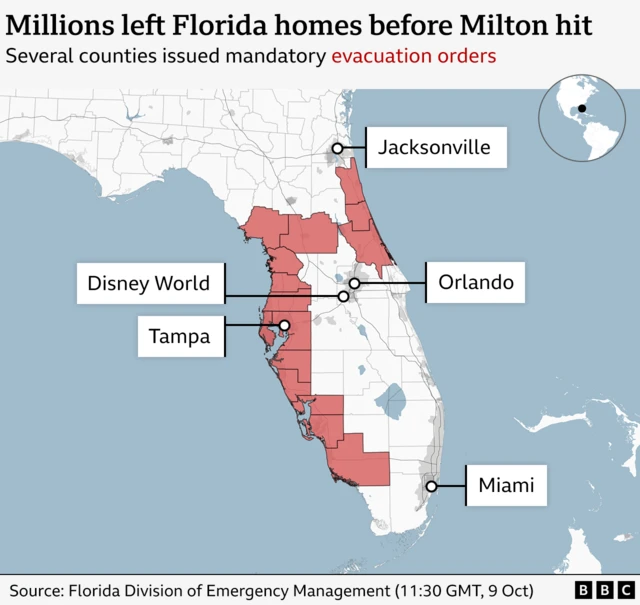
While often spared the most devastating storm surges, Central Florida and Northeast Florida are not immune to hurricane impacts. Storms like Hurricane Charley in 2004, which tracked rapidly across the center of the state, demonstrated that even inland areas like Orlando could experience significant wind damage.
Orlando, home to world-famous theme parks like Disney World and Universal Studios Florida, has highly developed emergency protocols. Theme parks often close for a day or two during a direct hit but are quick to resume operations, minimizing disruption to family trips. Hotels, from sprawling resorts to budget-friendly suites, are built to withstand strong winds and offer safe havens for guests. The primary concern here is usually heavy rainfall, which can lead to localized flooding, and high winds that can down trees and power lines, briefly affecting services and travel. Attractions like the Kennedy Space Center on the nearby Space Coast are also well-prepared, offering visitors a unique blend of history and science even amidst weather concerns. Other inland attractions like Silver Springs State Park or Bok Tower Gardens may experience temporary closures but are generally less susceptible to catastrophic damage.
On the northeast coast, cities like Jacksonville and St. Augustine can face significant coastal flooding, especially from storms tracking parallel to the Atlantic Coast or making landfall slightly to the south. The historic district of St. Augustine, with its ancient architecture and narrow streets, is particularly vulnerable to storm surge and heavy rainfall, which can inundate low-lying areas. However, the city’s rich history and well-established tourism infrastructure ensure that recovery efforts are swift, allowing visitors to quickly return to exploring landmarks like the Castillo de San Marcos. The Daytona Beach area also sees its share of coastal impacts, but its expansive beaches and motorsport culture tend to rebound quickly.
Travel and Accommodation in Florida’s Hurricane Season
For anyone planning a trip to Florida, understanding the hurricane season (June 1 to November 30) is paramount. While the vast majority of visits occur without incident, being prepared is key to a stress-free experience.
Planning Your Trip: Timing and Preparedness
Choosing the right time to visit Florida can significantly influence your experience during hurricane season. The peak of the season typically runs from mid-August through October. Traveling outside these months generally reduces the risk of encountering a major storm, though early and late season hurricanes are not unheard of. Many savvy travelers opt for late spring (April-May) or early winter (December-January) to enjoy pleasant weather and avoid the peak hurricane period.
However, for those who choose to visit during hurricane season, proactive planning is essential.
- Travel Insurance: Investing in comprehensive travel insurance that covers hurricane-related cancellations, delays, and evacuations is highly recommended. This can protect your investment in flights, hotels, and pre-booked activities.
- Stay Informed: Monitor weather forecasts closely, especially if a storm is developing in the Atlantic Ocean or Caribbean Sea. Resources like the National Hurricane Center provide up-to-date information.
- Flexible Bookings: Where possible, opt for flexible booking options for flights and accommodations. Many hotels offer more lenient cancellation policies during hurricane season.
- Emergency Kit: If driving, consider having an emergency kit in your vehicle, including water, snacks, a first-aid kit, and a phone charger.
Accommodation Resilience and Recovery
Florida’s hospitality industry, from luxury resorts to budget-friendly apartments and long-term stay villas, is highly experienced in hurricane preparedness and recovery. Many hotels have robust emergency plans, including backup power, designated storm shelters, and communication protocols to keep guests safe and informed.
- Resorts and Major Hotels: These establishments often have contingency plans for guest evacuation or shelter-in-place scenarios. They are usually among the first businesses to restore operations after a storm, thanks to significant resources and dedicated teams.
- Boutique Hotels and Smaller Accommodations: While equally committed to safety, smaller properties might have fewer resources for rapid recovery. However, their personalized service often means direct communication with guests regarding potential impacts and alternative arrangements.
- Long-Term Stays: If you’re considering a long-term stay in areas like Sarasota, Anna Maria Island, or the Tampa Bay area, ensure your rental agreement addresses hurricane-related cancellations or evacuations.
After a hurricane, hotels play a crucial role in recovery, not only by reopening to tourists but also by providing accommodation for relief workers and displaced residents. This blend of tourist and community support highlights the interconnectedness of Florida’s travel and tourism sectors with its local lifestyle. Visitors who choose to travel to Florida post-storm, once areas are declared safe, contribute directly to the economic recovery of affected communities. Exploring a revitalized Clearwater or St. Petersburg after a storm can offer a unique perspective on the resilience and spirit of the state.
Beyond the Storm: Florida’s Enduring Allure
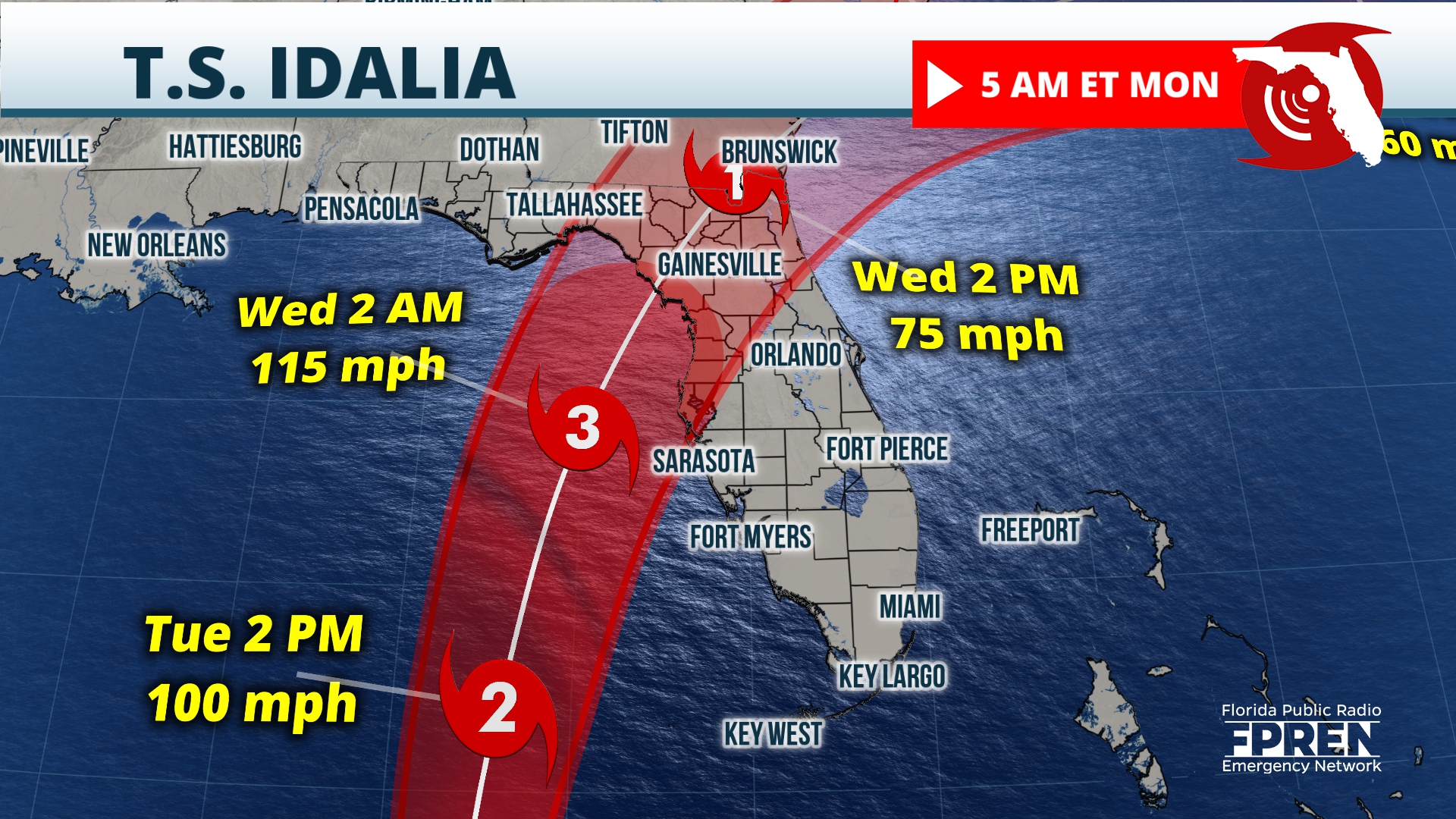
Despite the occasional challenges posed by hurricanes, Florida’s appeal as a top travel destination remains undiminished. The state’s commitment to swift recovery and the natural resilience of its ecosystems and communities ensure that its diverse attractions continue to beckon travelers.
From the thrilling rides of Orlando’s theme parks to the serene beauty of Everglades National Park and the vibrant local culture of Miami’s neighborhoods, Florida offers an unparalleled array of experiences. The state continually invests in its infrastructure, enhancing its ability to withstand and recover from severe weather events. This means that while the question “Where did Florida hurricane hit?” points to areas that have faced adversity, it also highlights regions that have demonstrated incredible strength and rapid rebirth.
For travelers, choosing Florida means embracing an adventure that sometimes comes with unique considerations. By staying informed, being prepared, and supporting local businesses, visitors can not only enjoy the Sunshine State’s countless wonders but also contribute to its ongoing vitality and legendary resilience. Whether it’s the re-emerging beauty of Sanibel Island or the unwavering energy of Key West, Florida continues to be a destination that offers memorable experiences, no matter the season.
LifeOutOfTheBox is a participant in the Amazon Services LLC Associates Program, an affiliate advertising program designed to provide a means for sites to earn advertising fees by advertising and linking to Amazon.com. Amazon, the Amazon logo, AmazonSupply, and the AmazonSupply logo are trademarks of Amazon.com, Inc. or its affiliates. As an Amazon Associate we earn affiliate commissions from qualifying purchases.