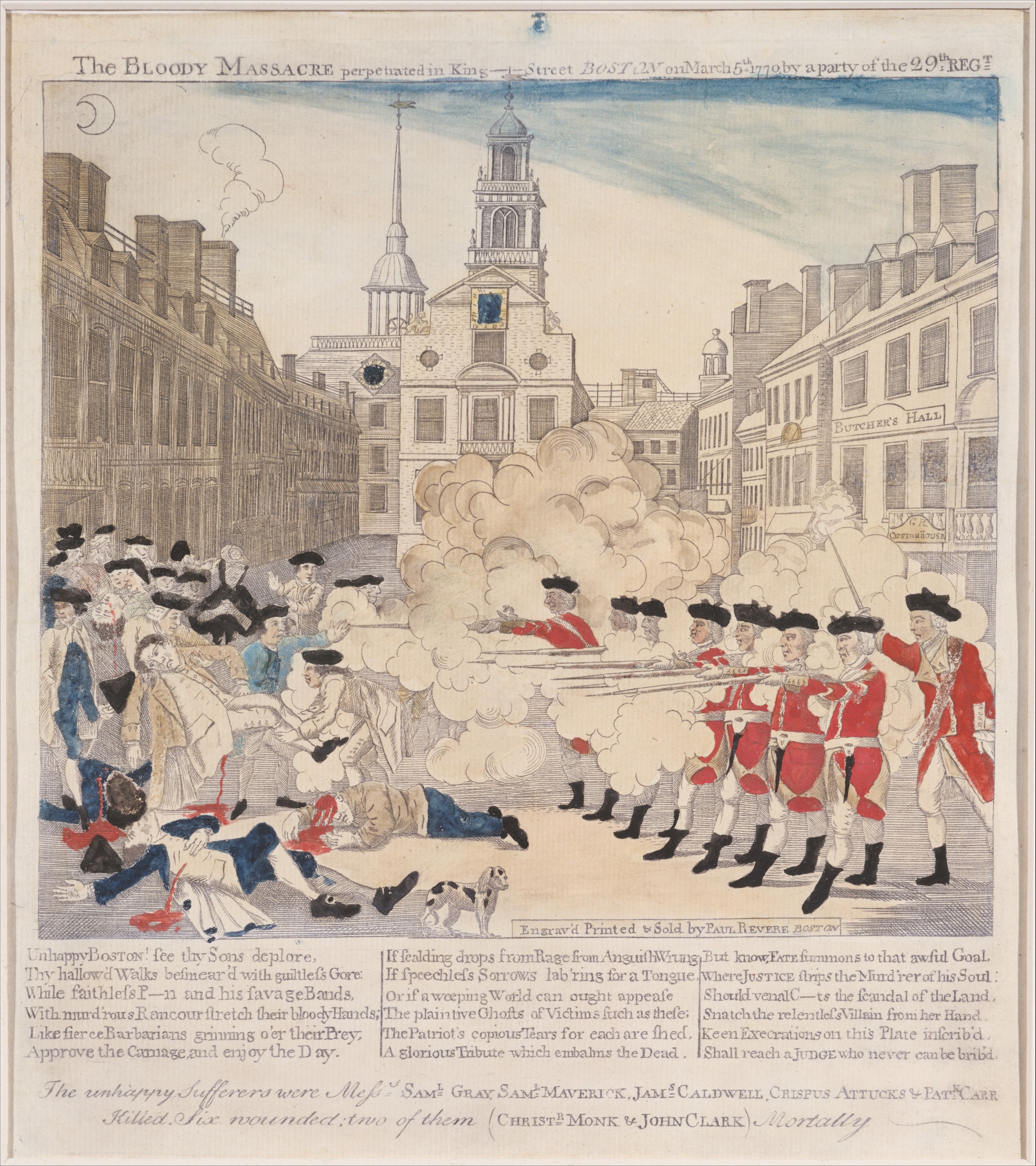
The Boston Massacre, a pivotal moment in American history that ignited the flames of revolution, didn’t unfold on a remote battlefield or within the confines of a clandestine meeting. Instead, this tragic event, which saw British soldiers fire upon a crowd of unarmed colonists, occurred right in the heart of colonial Boston, a bustling port city that would become synonymous with the fight for independence. For travelers eager to trace the footsteps of history, understanding the exact location of the Boston Massacre offers a powerful and poignant connection to the past, transforming a historical narrative into an immersive experience.
Visiting the site today is more than just ticking off a landmark; it’s an opportunity to delve into the very origins of the United States. Boston, a city steeped in revolutionary fervor, perfectly blends historical significance with modern appeal, offering a rich tapestry of attractions, world-class accommodations, and vibrant local culture. This article will guide you through the exact spot where the massacre transpired, how to experience it as a modern traveler, and what other historical and contemporary delights await in this iconic Massachusetts capital.
The Fateful Location: Old State House and State Street
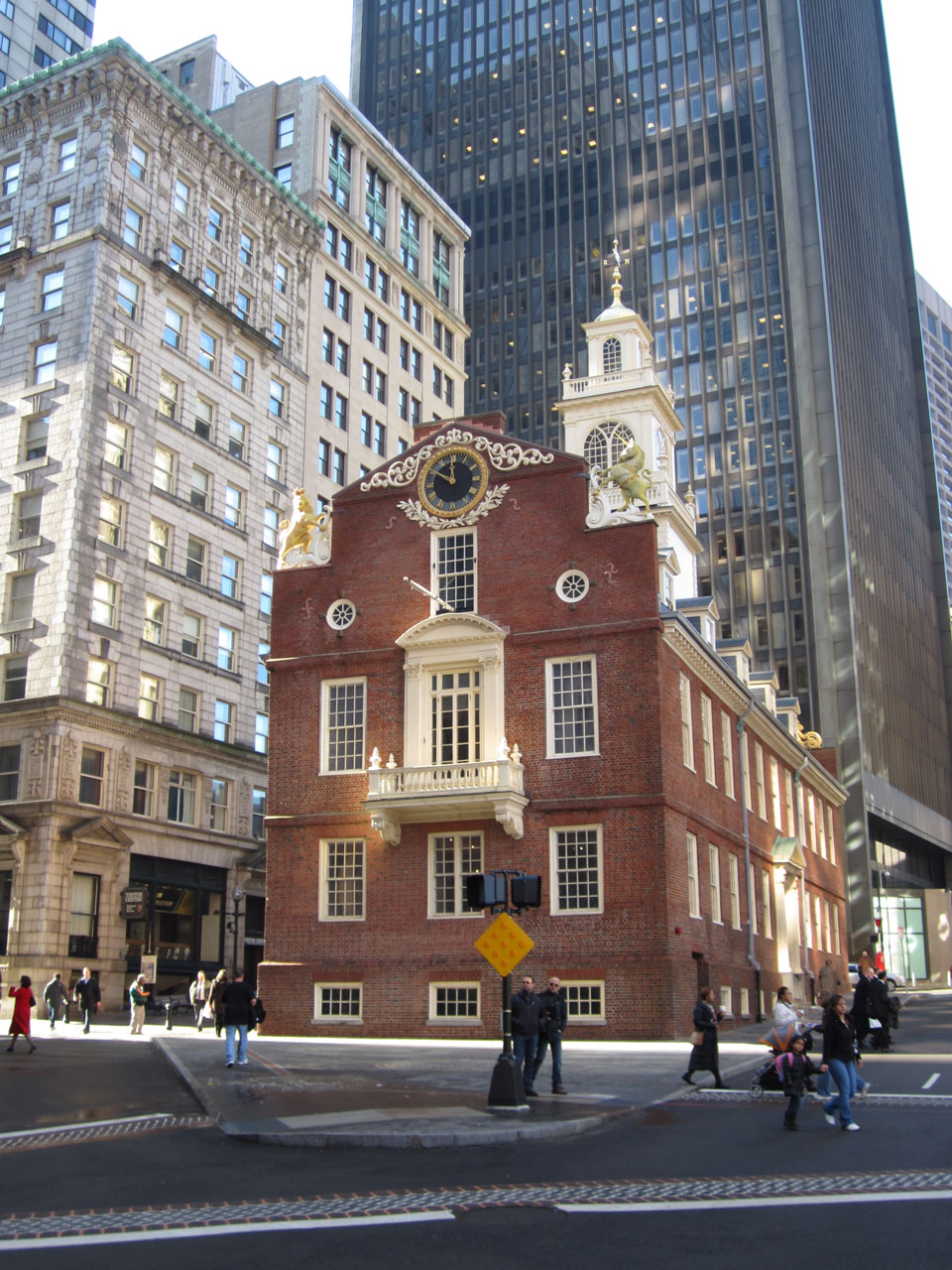
The notorious Boston Massacre took place on the evening of March 5, 1770, directly in front of the Old State House, at what was then known as King Street. Today, King Street has been renamed State Street, but its historical significance remains etched into the city’s very fabric.
The Exact Spot: A Witness to History
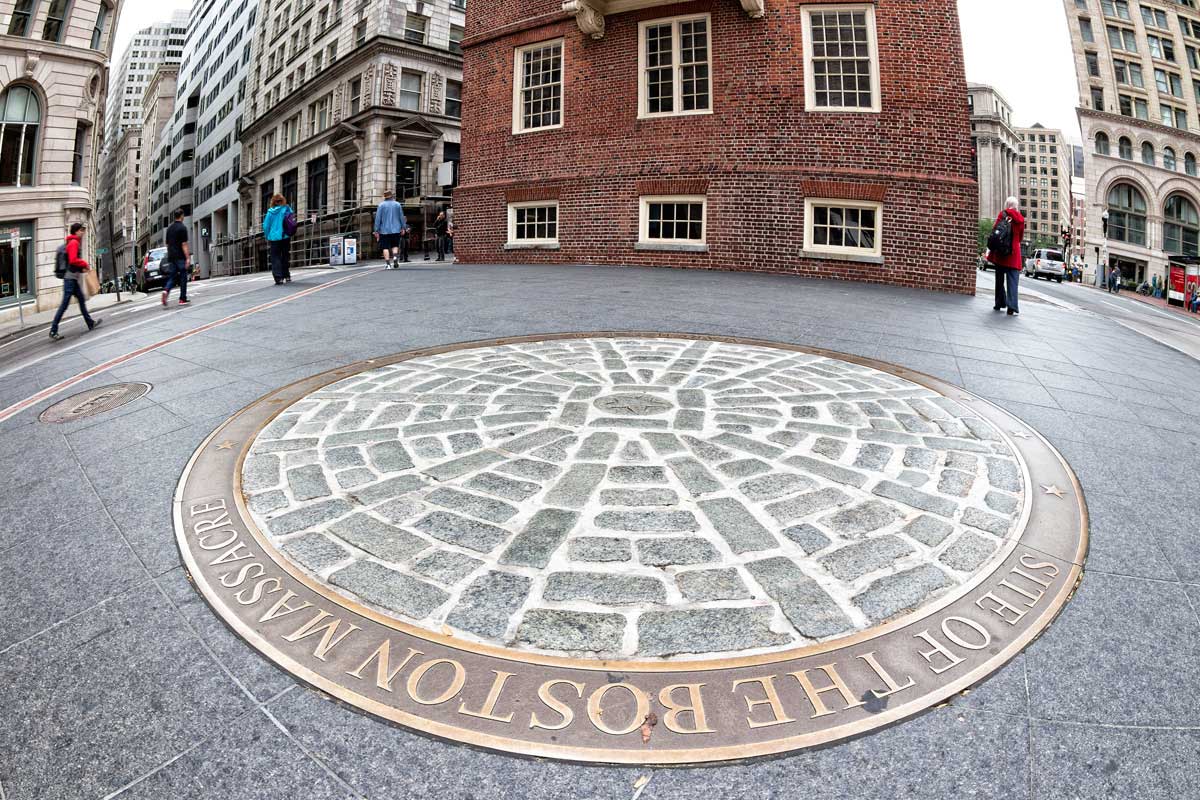
To pinpoint the exact location, visitors need only walk to the intersection of State Street and Congress Street. Here, embedded in the cobblestones, a circular mosaic marks the spot where the first shots were fired and where Crispus Attucks and four other colonists tragically lost their lives. This humble yet powerful memorial serves as a constant reminder of the volatile tensions that defined the period, a stark contrast to the modern-day hustle and bustle of downtown Boston. Standing on this very spot, one can almost hear the echoes of the angry crowd, the clatter of muskets, and the cries that irrevocably changed the course of American history.
The site is remarkably accessible, nestled among towering contemporary buildings, yet retaining an aura of solemnity. It’s a key stop for anyone undertaking the Freedom Trail, Boston’s famous 2.5-mile walking tour that connects 16 historically significant sites. The proximity of the massacre site to the Old State House is crucial to understanding the political climate of the time. This wasn’t merely a street brawl; it was an attack witnessed by — and directed at — the very seat of British colonial power in Massachusetts.
A Beacon of Revolution: The Old State House
The Old State House itself is an indispensable part of the Boston Massacre narrative. Built in 1713, it is the oldest surviving public building in Boston and served as the seat of the colonial government for Massachusetts. From its balcony, royal proclamations were read, and later, the Declaration of Independence was first read to the citizens of Boston. On the night of the massacre, the custom house, where British soldiers were stationed, was located directly beneath the balcony of the Old State House.
Today, the Old State House operates as a museum, offering a wealth of exhibits that chronicle Boston’s role in the American Revolution. Inside, you can explore the Council Chamber, where governors and representatives debated the future of the colony, and envision the pivotal moments that unfolded within its walls. The museum’s comprehensive displays provide context to the massacre, detailing the rising tensions between colonists and British troops, the economic grievances, and the political ideologies that fueled the revolutionary spirit. A visit here is not just about seeing artifacts; it’s about gaining a deeper understanding of the minds and motivations that shaped a nation. It’s a landmark that offers invaluable insights for any history enthusiast, perfectly blending education with an immersive travel experience.
Retracing History: The Freedom Trail and Boston’s Revolutionary Past
For those who wish to truly immerse themselves in Boston’s revolutionary past, the Boston Massacre Site is merely one captivating chapter in a larger, unfolding story. The city is essentially an open-air museum, and its most famous exhibit is the Freedom Trail.
Walking the Freedom Trail: An Essential Boston Experience
The Freedom Trail is an iconic experience, guiding visitors along a red-bricked path through the historical heart of Boston. Starting at Boston Common and ending at the Bunker Hill Monument in Charlestown, the trail links the Boston Massacre Site with other monumental landmarks. As you walk, you’ll encounter sites like the Granary Burying Ground, the final resting place of Samuel Adams, John Hancock, and Paul Revere; Faneuil Hall, known as the “Cradle of Liberty” where fiery speeches fueled the revolutionary cause; and the Paul Revere House, the oldest house in downtown Boston and the home of the famed silversmith.
Each stop on the Freedom Trail offers its own unique narrative, contributing to the broader story of American independence. You can opt for a self-guided tour with an app or map, or join one of the engaging tours led by costumed guides who bring the past to life with vivid storytelling. This walking tour is not just about seeing old buildings; it’s about understanding the complex political landscape, the courageous acts of defiance, and the everyday lives of the people who shaped a nation. For any traveler interested in history, this attraction is a must-do, providing context to the Boston Massacre and highlighting Boston’s unparalleled role as a destination for historical tourism.
Immersive Experiences and Museums
Beyond the Freedom Trail, Boston offers a plethora of museums and historical sites that further enrich the Revolutionary War experience. The Boston Tea Party Ships & Museum, for instance, provides an interactive and engaging journey back to 1773, allowing visitors to participate in the iconic act of defiance against British taxation. Here, you can throw tea overboard, explore authentically restored tea ships, and learn about the individuals who participated in this momentous event.
Another significant site is the Old North Church in the North End, famous for the “one if by land, two if by sea” signal that launched Paul Revere’s ride. You can also explore the USS Constitution Museum in Charlestown, dedicated to the legendary warship “Old Ironsides.” For a broader perspective on American history and culture, the Museum of African American History on Beacon Hill offers invaluable insights into the contributions and struggles of African Americans throughout the nation’s development, including during the colonial and revolutionary periods. These diverse attractions ensure that every traveler can find a fascinating angle from which to explore Boston’s deep historical roots.
Planning Your Visit: Travel, Accommodation, and Local Culture
A trip to explore the Boston Massacre Site and other historical landmarks in Boston is an unforgettable experience, but careful planning can elevate your journey from good to exceptional. From arrival to where you rest your head, Boston offers a seamless blend of convenience and charm.
Getting There and Around
Boston is easily accessible by air, with Logan International Airport (BOS) serving as a major hub for domestic and international flights. From the airport, downtown Boston is just a short taxi, ride-share, or “T” (MBTA subway) ride away. The city’s public transportation system is efficient and extensive, making it easy to navigate between historical sites, vibrant neighborhoods, and other attractions without the need for a car. For historical explorations like the Freedom Trail, walking is often the best and most rewarding way to experience the city. Consider comfortable shoes, as you’ll be covering a lot of ground. Water taxis also offer scenic routes, especially when traveling between the Waterfront district and Charlestown.
Where to Stay: Hotels and Accommodation in Boston
Boston boasts a diverse range of accommodation options, catering to every budget and travel style, from luxurious five-star resorts to charming boutique hotels and convenient apartments. For those prioritizing proximity to historical sites like the Boston Massacre Site, staying downtown or in neighborhoods like the North End or Beacon Hill is ideal.
Luxury travelers might consider the historic Omni Parker House, famous for its elegance and prime location near Boston Common and the Freedom Trail, or the Boston Harbor Hotel for stunning waterfront views and exceptional service. The Four Seasons Hotel Boston, overlooking the Public Garden, offers another opulent choice with unparalleled amenities.
Mid-range options are plentiful and provide excellent value without compromising on quality or location. The Kimpton Nine Zero Hotel offers a chic, modern stay in the heart of downtown, while the Courtyard by Marriott Boston Downtown provides reliable comfort and convenience. For those looking for a unique lifestyle experience, the Hotel Commonwealth in Kenmore Square offers boutique charm and excellent access to Fenway Park and the vibrant Back Bay area, albeit a bit further from the immediate massacre site. For budget-conscious travelers, hostels and guesthouses are available, particularly around the theater district or areas slightly outside the immediate city center, often with easy access to public transport. When booking, consider reading reviews and comparing options to find the perfect fit for your Boston adventure.
Experiencing Boston’s Culture and Cuisine
Beyond its profound history, Boston is a city of vibrant culture and delectable cuisine. No visit is complete without sampling local favorites. Indulge in a hearty bowl of New England clam chowder, savor a fresh lobster roll, or explore the culinary delights of the North End, Boston’s historic Italian neighborhood, famous for its pasta dishes, pastries (especially cannolis from Mike’s Pastry or Modern Pastry), and charming trattorias.
The city also offers a rich arts scene, from the Museum of Fine Arts to the unique Isabella Stewart Gardner Museum, each providing a different cultural immersion. For sports enthusiasts, catching a Red Sox game at historic Fenway Park is a quintessential Boston experience. Explore the trendy shops of Newbury Street in Back Bay or the modern architecture and innovative dining in the Seaport District. A stroll along the Charles River Esplanade offers picturesque views and a refreshing break from city exploration. Boston’s unique blend of historical significance and modern urban lifestyle makes it a captivating destination for all types of travelers.
Beyond the Massacre Site: Exploring Revolutionary Echoes
While the Boston Massacre Site serves as a potent reminder of the genesis of the American Revolution, the historical narrative extends far beyond the cobblestones of State Street. For those with a deeper interest in this formative period, day trips from Boston offer even more revolutionary echoes.
Other Key Revolutionary War Sites
Just a short drive or train ride from Boston lie the historic towns of Lexington and Concord, where “the shot heard ’round the world” officially sparked the Revolutionary War on April 19, 1775. A visit to Lexington Green, where the first armed conflict took place, offers a chilling sense of the confrontation between colonial militiamen and British regulars. In Concord, you can walk across the Old North Bridge, the site of a significant battle, and explore Minute Man National Historical Park, which preserves the battlefields and historic structures of the opening engagements of the Revolution. These sites provide crucial context to the escalating tensions that began with events like the Boston Massacre, transforming early colonial unrest into a full-blown war for independence. For history buffs, these adjacent destinations are invaluable additions to a Boston itinerary.
Why Boston Remains Relevant
Boston’s enduring relevance as a travel destination for history lovers cannot be overstated. It’s a city where the past is not merely preserved but actively celebrated and integrated into daily life. The careful maintenance of its landmarks, the engaging narratives presented in its museums, and the palpable sense of history on every street corner ensure that the stories of the founding fathers, the rebellious colonists, and the ordinary citizens who lived through these extraordinary times continue to resonate. From the sombre spot of the Boston Massacre to the vibrant academic hub of nearby Cambridge, Boston offers a rich and multifaceted experience. It’s a city that continuously invites travelers to explore, learn, and reflect on the pivotal moments that shaped not just a nation, but the very ideals of freedom and democracy.
In conclusion, the Boston Massacre happened precisely where history buffs and curious travelers can visit it today: in front of the Old State House on what is now State Street in downtown Boston. This isn’t just a point on a map; it’s a powerful entry point into a comprehensive historical journey that Boston so uniquely offers. By exploring this pivotal site and its surrounding historical landmarks, staying in its diverse accommodations, and immersing yourself in its vibrant culture, you’ll gain a profound appreciation for the city where American liberty truly began.