
The golden state of California, famed for its diverse landscapes, from sun-kissed beaches to towering redwood forests, vibrant cities, and serene vineyards, has also become synonymous with a formidable natural phenomenon: wildfires. These blazes, often catastrophic, frequently dominate headlines, leaving a trail of destruction that impacts not just natural ecosystems but also thriving communities, local economies, and the intricate fabric of travel and tourism. Understanding where these California fires start is crucial, not only for prevention but also for comprehending their profound ripple effects across accommodation sectors, iconic landmarks, and the very lifestyle of its residents and visitors.
The origins of California’s wildfires are multifaceted, stemming from a complex interplay of natural occurrences, human activities, and environmental factors exacerbated by climate change. While the imagery of flames engulfing hillsides is vivid, the story of their ignition often begins subtly, sometimes with a single spark or a lightning bolt in a remote wilderness. For anyone planning a trip to this magnificent state, whether for its destinations, its world-class hotels, or its unique experiences, knowing the typical starting points and causes of these fires offers vital context for safety, preparedness, and responsible exploration.
Unraveling the Origins: A Look at California’s Wildfire Landscape
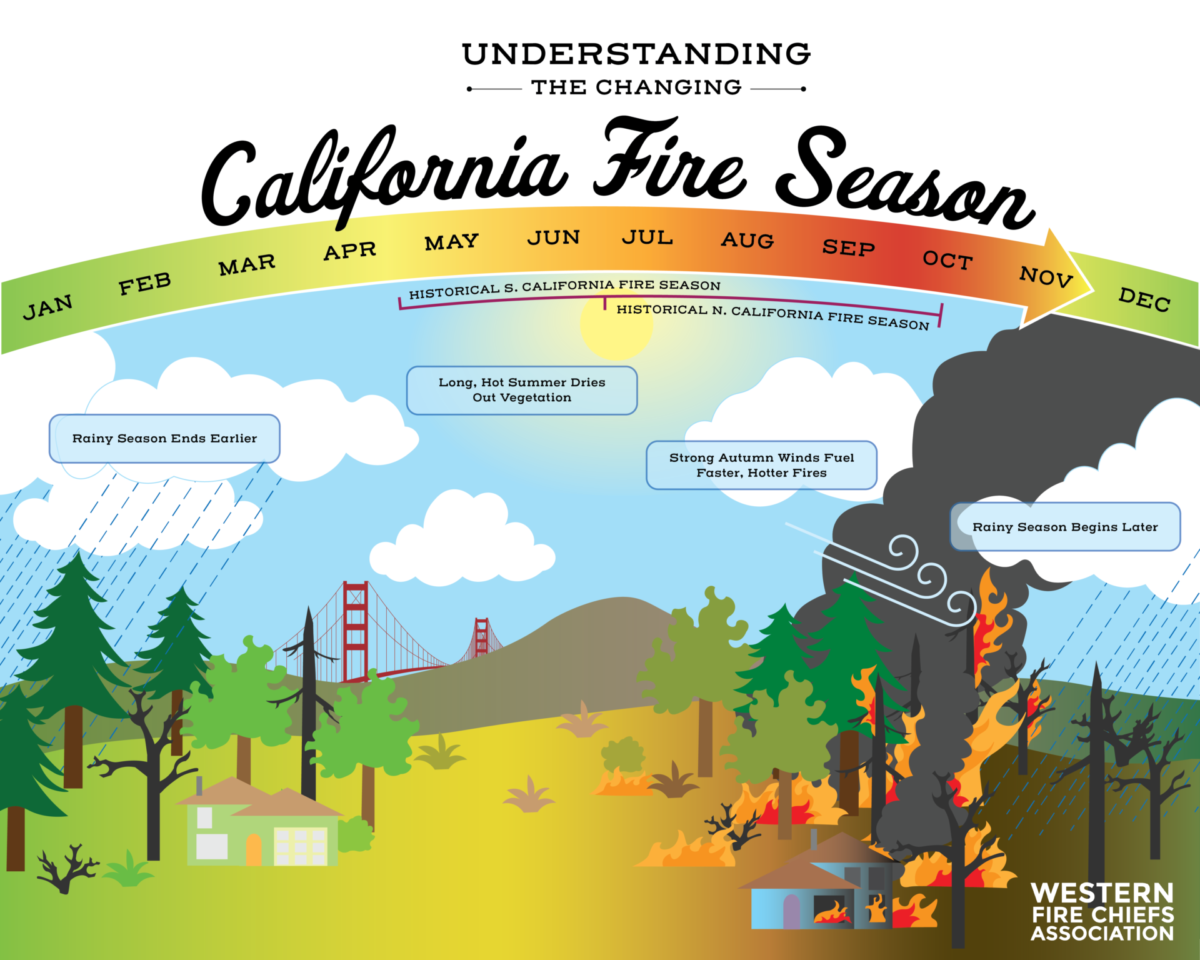
The question of “where” California fires start is not merely about geographical coordinates but encompasses the array of triggers that set these infernos in motion. While dry vegetation, strong winds (like the infamous Santa Ana and Diablo winds), and prolonged droughts create a ripe environment for fires, an ignition source is always required. These sources can be broadly categorized into natural phenomena and human activities, each contributing significantly to the state’s grim wildfire statistics.
The Dual Nature of Ignition: Human Activity vs. Natural Phenomena
Human activity stands as the predominant cause of wildfires in California. Over 85% of wildfires in the United States are attributed to human actions, and California is no exception. These ignitions can range from accidental to negligent, and in rare, tragic cases, deliberate. One of the most common human-related causes involves faulty or poorly maintained electrical equipment, particularly power lines. Strong winds can cause lines to sway, arc, or even fall, igniting dry brush beneath. For example, numerous devastating fires in Northern California have been linked to utility infrastructure.
Other human-caused ignitions include unattended campfires, discarded cigarettes, vehicle sparks (from exhaust systems or towing chains dragging on asphalt), agricultural burning, fireworks, and even arson. Construction equipment or machinery operating in dry grass can also generate sparks capable of starting a blaze. These factors highlight a critical need for public awareness and stringent regulations, especially for visitors venturing into natural areas. Many popular recreational zones, from hiking trails in the Sierra Nevada to scenic overlooks along the Pacific Coast Highway, are particularly vulnerable.
In contrast, natural phenomena, primarily lightning strikes, account for a smaller but still significant percentage of wildfires. These strikes are often associated with dry thunderstorms, where lightning occurs but little rain falls to extinguish the resulting flames. Lightning-ignited fires typically occur in remote, mountainous areas, like parts of Yosemite National Park or Sequoia National Park, where dense forests and rugged terrain can make detection and suppression extremely challenging. While less frequent, these natural ignitions can burn for extended periods and grow to immense sizes before being contained, often in wilderness areas far from immediate human threat but impacting air quality and distant tourism operations.
Iconic Blazes and Their Unfortunate Beginnings
Throughout recent history, California has experienced a series of unprecedented wildfires, many of which etched themselves into the public consciousness due to their scale and devastating impact. Each of these iconic blazes often tells a distinct story of ignition:
-
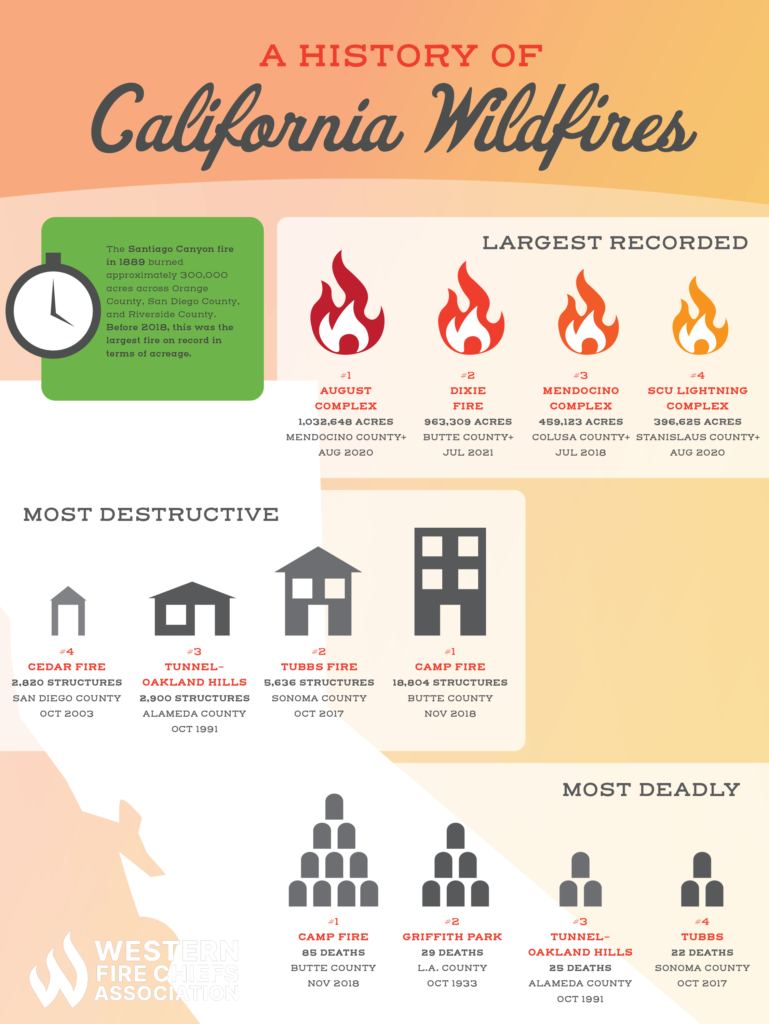
The Camp Fire (2018): This remains California’s deadliest and most destructive wildfire. It started on November 8, 2018, in Butte County, Northern California, near the town of Pulga, ignited by a faulty electrical transmission line. The fire quickly overwhelmed the town of Paradise, devastating it almost entirely and resulting in 85 fatalities. The speed and intensity of the Camp Fire served as a stark reminder of the dangers posed by aging infrastructure in fire-prone regions. The Paradise Pines Hotel, a modest accommodation popular with visitors to the nearby Lassen National Forest, was among the many structures tragically lost, highlighting the vulnerability of local businesses and visitor services.
-
The Woolsey Fire (2018): Simultaneously, in Southern California, the Woolsey Fire ignited on November 8, 2018, near Simi Valley, reportedly by electrical equipment. It rapidly spread through Ventura County and Los Angeles County, including the affluent coastal community of Malibu. This fire destroyed over 1,600 structures, including numerous celebrity homes and luxury resorts, severely impacting the region’s luxury travel industry. The Malibu Beach Resort, a fictional but representative example of coastal accommodation, would have faced severe operational challenges, if not outright destruction, underscoring the immediate threat fires pose to tourist infrastructure.
-
The Thomas Fire (2017): Starting on December 4, 2017, in Ventura County, near Santa Paula, the Thomas Fire was attributed to power lines. Fueled by strong winds and dry conditions, it became California’s largest wildfire at the time, burning over 281,000 acres and threatening communities like Ventura and Santa Barbara, and the picturesque town of Ojai. Its path showcased the vulnerability of both urban and natural landmarks, prompting widespread evacuations affecting thousands of residents and disrupting holiday travel plans across the region.
-
The Dixie Fire (2021): The Dixie Fire began on July 13, 2021, in the Feather River Canyon of Butte County, caused by a tree falling onto a power line. It grew to be the second-largest fire in California’s history, burning nearly 1 million acres and destroying much of the historic gold rush town of Greenville. Its vast spread had significant implications for wilderness tourism and outdoor attractions in Plumas County and Lassen Volcanic National Park.
These examples underscore that while the specific ignition point might be geographically distinct, the underlying causes often circle back to human presence and the infrastructure that supports it, set against a backdrop of increasing environmental vulnerability.
The Far-Reaching Impact: More Than Just Flames

The immediate devastation caused by wildfires is visible in charred landscapes and ruined homes, but the ripple effects extend far beyond the burn scar. For a state like California, where tourism is a cornerstone of its economy and diverse lifestyles are celebrated, the impacts on these sectors are profound and long-lasting.
A Blow to Travel and Tourism in Affected Regions
When wildfires erupt, one of the first industries to feel the brunt is travel and tourism. News of raging fires, smoke plumes, and emergency evacuations immediately deters visitors, leading to widespread cancellations for hotels, resorts, vacation rentals, and tour operators. Even areas not directly threatened by flames often suffer from poor air quality, making outdoor activities unappealing or unsafe. Iconic national parks like Yosemite National Park and Sequoia National Park have faced temporary closures due to fire threats or smoke, impacting countless family trips and adventure travelers.
Regions famous for their unique offerings, such as the Napa Valley and Sonoma County wine countries, have repeatedly faced challenges. Fires like the Glass Fire (2020) and earlier blazes devastated wineries, vineyards, and the exquisite boutique hotels and luxury resorts that cater to a discerning clientele. A fictional but representative Napa Valley Wine Country Inn would have experienced not only direct damage risks but also a significant downturn in bookings, as visitors postponed their wine-tasting experiences due to safety concerns and damaged infrastructure. The economic fallout extends to restaurants, local shops, and transportation services, demonstrating how wildfires can cripple an entire local economy reliant on visitors.
Beyond immediate cancellations, wildfires can inflict long-term damage on a region’s reputation as a desirable destination. Rebuilding infrastructure and restoring natural attractions takes years, and some natural landmarks, such as ancient redwood groves, may never fully recover. This necessitates innovative marketing strategies and focused efforts to reassure potential visitors that California remains a safe and vibrant place to explore, emphasizing areas that were untouched or have successfully recovered.
Accommodation Challenges and Lifestyle Shifts
The impact on accommodation goes beyond lost revenue for hotels and resorts. In areas directly hit by fires, thousands of homes are destroyed, leading to a massive housing crisis and displacement of residents. This creates an immediate surge in demand for temporary accommodation, often filling available hotel rooms and apartments with displaced families rather than tourists. This shift, while essential for humanitarian reasons, fundamentally alters the dynamic of the hospitality sector in affected regions. Long-term stay options become crucial, and many properties adapt to serve this new demographic, sometimes shifting away from traditional tourism models.
For residents, the threat of wildfires has become an integral part of their lifestyle. Regular evacuations, the need for “go bags,” and constant monitoring of fire maps are now realities for many living in fire-prone regions like the wildland-urban interface (WUI) around Lake Tahoe or the foothills of the Santa Cruz Mountains. This constant state of preparedness affects mental well-being and community cohesion. For homeowners, insurance costs skyrocket, and some insurers are even pulling out of high-risk areas, making homeownership more precarious.
The broader lifestyle impact extends to changes in outdoor recreation. Hiking trails might be closed for rehabilitation, swimming areas affected by ash runoff, and favorite picnic spots permanently altered. While Californians are resilient, the recurring nature of these disasters forces a reevaluation of how communities interact with their natural surroundings and how they plan for the future, influencing everything from urban planning to individual daily routines. This impacts the perception of California as an idyllic place for nature and outdoor activities, necessitating a robust focus on recovery and adaptation.
Resilience and Rebuilding: Charting a Course Forward
Despite the immense challenges posed by wildfires, California has demonstrated remarkable resilience, focusing on innovative prevention strategies, robust recovery efforts, and adapting its approach to tourism and community development. The aim is not just to rebuild what was lost but to construct a more sustainable and fire-resilient future.
Protecting California’s Natural and Man-Made Landmarks
The protection of California’s iconic natural and man-made landmarks is a paramount concern during wildfire events. Firefighters often go to extraordinary lengths to defend treasured sites. For instance, during the CZU Lightning Complex Fire in 2020, crews fought fiercely to save the ancient redwood trees in Big Basin Redwoods State Park, California’s oldest state park. While some ancient trees did succumb, many were saved, demonstrating the dedication to preserving these irreplaceable natural attractions that draw visitors from around the globe. Efforts are also made to protect historical structures, such as the missions along the El Camino Real or the delicate wooden bridges in Yosemite National Park.
Beyond immediate firefighting efforts, long-term strategies are being implemented to make landmarks more resilient. This includes vegetation management around sensitive areas, creating defensible spaces, and using fire-resistant materials for construction in and around historical sites. For tourism to thrive, these efforts are vital, ensuring that destinations like the Napa Valley wineries or the coastal beauty of Big Sur can continue to attract visitors for generations to come. The proactive protection of these sites is an investment not only in California’s heritage but also in its future tourism economy.
Innovations in Fire Prevention and Sustainable Tourism
Learning from each fire season, California is at the forefront of developing and implementing innovative solutions for fire prevention and mitigation. This includes significant investments in upgrading utility infrastructure to prevent ignitions from power lines, such as burying lines underground or implementing advanced sensor technologies to detect faults. Forest management practices are evolving, with a greater emphasis on prescribed burns, mechanical thinning of dense undergrowth, and restoring ecological balance to reduce fuel loads. These strategies aim to create healthier forests that are less susceptible to catastrophic fires, ultimately benefiting air quality and the long-term viability of outdoor attractions.
In the realm of tourism, there’s a growing focus on sustainable tourism and responsible travel. This includes educating visitors about fire safety, promoting eco-tourism practices that minimize environmental impact, and encouraging support for local communities that are rebuilding after fires. Organizations and local governments are working to develop guides and tips for visiting fire-affected areas responsibly, highlighting new growth and accessible attractions. For instance, San Francisco and Los Angeles, while geographically distant from many fire origins, actively promote safe travel to the state, often directing visitors to regions less impacted or those actively in recovery.
The hospitality sector is also adapting, with hotels and resorts implementing advanced fire safety protocols, improving evacuation plans, and sometimes participating in community-wide resilience initiatives. The goal is to ensure that California remains a premier destination for all types of travelers — from those seeking luxury travel experiences to those on a budget travel adventure or a business stay. By understanding where the fires start, what fuels them, and how to prevent them, California is charting a course toward a more secure and sustainable future, ensuring that its natural beauty and vibrant lifestyle can be enjoyed for generations to come. The ongoing commitment to rebuilding and adapting serves as a powerful testament to the state’s unwavering spirit and its dedication to preserving its allure as a global travel hotspot.
LifeOutOfTheBox is a participant in the Amazon Services LLC Associates Program, an affiliate advertising program designed to provide a means for sites to earn advertising fees by advertising and linking to Amazon.com. Amazon, the Amazon logo, AmazonSupply, and the AmazonSupply logo are trademarks of Amazon.com, Inc. or its affiliates. As an Amazon Associate we earn affiliate commissions from qualifying purchases.