
California, a state synonymous with innovation, stunning natural beauty, and a vibrant lifestyle, also stands at the forefront of energy innovation. For residents and visitors alike, understanding the source of the Golden State’s power is more than just a matter of curiosity; it’s intrinsically linked to its commitment to sustainability, its economic landscape, and the very experiences that draw millions to its shores. From the sun-drenched vineyards of the Napa Valley to the bustling streets of Los Angeles and the tech hubs of Silicon Valley, electricity fuels every aspect of life and tourism. This exploration delves into the diverse origins of California’s electricity, highlighting the state’s proactive approach to diversifying its energy portfolio and embracing a cleaner future.

Powering the Golden State: A Diversified Energy Landscape
California’s journey towards a robust and sustainable electricity supply is a complex tapestry woven from various energy sources. Historically, the state relied heavily on fossil fuels, particularly natural gas. However, driven by ambitious environmental goals and a desire for energy independence, California has significantly shifted its energy paradigm over the past few decades. This transformation has been characterized by substantial investments in renewable energy, alongside a continued, albeit diminishing, role for other power generation methods. The intricate interplay of these sources ensures a reliable and increasingly green energy flow across the state, supporting everything from the luxurious resorts in Palm Springs to the sprawling national parks like Yosemite.
The Ascendancy of Renewable Energy
The most striking feature of California’s modern energy profile is the rapid and significant growth of renewable energy sources. This is not just a trend; it’s a fundamental pillar of the state’s energy strategy, aimed at decarbonizing its economy and combating climate change. The abundant sunshine, consistent winds, and significant geothermal potential provide the ideal conditions for a renewable energy revolution.
Solar Power: Harnessing the Golden Sunshine
California is a global leader in solar energy. The sheer amount of sunshine the state receives makes solar power a natural and abundant resource. From vast utility-scale solar farms in the desert regions like the Mojave Desert to rooftop solar installations on homes and businesses across cities like San Diego and Sacramento, solar panels are becoming an increasingly common sight. These installations contribute a substantial portion of the state’s electricity, especially during peak demand hours in the summer when air conditioning use is highest. The development of advanced solar technologies, including more efficient photovoltaic panels and energy storage solutions, further solidifies solar power’s critical role. This renewable energy source not only powers everyday life but also supports the eco-conscious tourism industry, which often highlights sustainable practices in its destinations.
Wind Energy: Capturing the Breezes
Wind power also plays a vital role in California’s renewable energy mix. The state boasts numerous wind farms, particularly in areas with strong and consistent winds, such as the Tehachapi Pass and the Altamont Pass. These turbines, often visible from major highways and scenic routes, generate significant amounts of clean electricity. As wind turbine technology advances, becoming more efficient and powerful, their contribution to California’s grid continues to grow, providing a reliable source of power that complements solar energy. The visual spectacle of wind farms has even become a unique element of the landscape in certain regions, adding another layer to the state’s diverse attractions.
Geothermal and Hydropower: Tapping Earth’s Heat and Water

Beyond solar and wind, California leverages other renewable resources. Geothermal energy, derived from the Earth’s internal heat, is a significant contributor, particularly in the northeastern part of the state. Geothermal power plants offer a consistent and reliable source of baseload power, meaning they can generate electricity 24/7, independent of weather conditions.
Hydropower, utilizing the force of moving water, has historically been a cornerstone of California’s electricity supply, especially from large dams like the Hoover Dam (though primarily serving other states, it’s a significant regional power source) and various projects managed by the California Department of Water Resources. While the potential for new large-scale hydropower projects is limited due to environmental concerns and water availability, existing facilities continue to provide a valuable source of clean energy. Hydroelectric power’s ability to quickly ramp up and down makes it crucial for grid stability and meeting fluctuating demand.
The Evolving Role of Natural Gas
Despite the impressive growth of renewables, natural gas remains a significant component of California’s electricity generation. It serves as a crucial “bridge fuel,” providing reliable power when renewable sources are intermittent, such as during cloudy days or at night. Natural gas power plants are flexible and can be brought online relatively quickly to meet demand spikes. However, California has set aggressive targets to phase out natural gas for power generation, aiming for a 100% clean energy grid by 2045. This strategic shift means that while natural gas is still important for grid stability now, its role is set to diminish progressively as renewable energy and storage capacity expand.
Energy Storage: The Key to Renewable Reliability
A critical element enabling California’s transition to a higher percentage of renewables is energy storage. As solar and wind power are inherently variable, storing excess energy generated during peak production times for use when production is low is paramount. Battery storage systems, ranging from large-scale grid batteries to residential battery solutions, are rapidly expanding across the state. These technologies ensure that electricity generated from solar panels during the day can power homes and businesses at night, and wind energy captured during windy periods can be dispatched when the air is still. This innovation is vital for maintaining grid reliability and ensuring that the tourism industry, for example, in remote locations or during peak travel seasons, always has consistent power.
Nuclear Power: A Decarbonization Contributor (With a Finite Future)
California currently operates one nuclear power plant, the Diablo Canyon Power Plant. While nuclear energy is a carbon-free source of electricity, its future in California is subject to debate and planned retirement. Diablo Canyon is the state’s largest single source of carbon-free electricity. However, its current operating license is set to expire, and while there have been discussions about extending its life to aid in the transition to 100% clean energy, the long-term trend is towards its eventual decommissioning. The state is carefully managing this transition to ensure energy reliability.
Beyond the Grid: Imported Electricity and Grid Interconnection
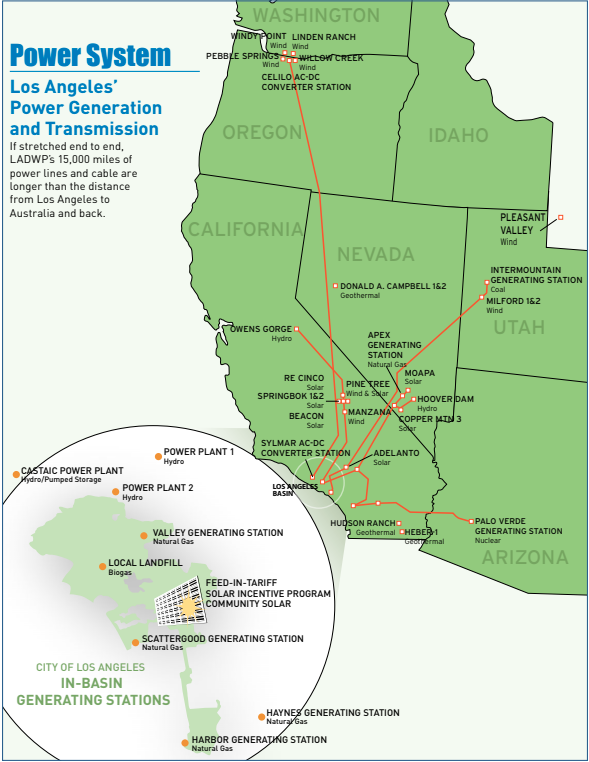
California’s electricity supply is not solely generated within its borders. The state is part of a larger Western power grid, allowing it to import electricity from other states and provinces when needed, and export surplus power. This interconnectedness provides a crucial layer of resilience and economic efficiency. For instance, electricity can be purchased from hydroelectric projects in the Pacific Northwest or from other renewable energy sources developed in neighboring regions. Conversely, during periods of high solar production, California can export its excess clean energy. This regional collaboration is essential for maintaining a stable and affordable electricity supply for all participants in the Western Interconnection. The ability to draw power from a wider network ensures that even during unexpected domestic generation shortfalls, the lights stay on across the state, supporting the continuous operation of hotels, attractions, and the travel experiences they offer.
The Future of California’s Electricity: Innovation and Sustainability
California’s commitment to a sustainable energy future is unwavering. The state’s ambitious goals, including achieving 100% carbon-free electricity by 2045, are driving continuous innovation. This includes further advancements in renewable energy technologies, the widespread deployment of smart grid technologies for more efficient energy management, and the development of next-generation energy storage solutions. The focus is not only on meeting demand but doing so in an environmentally responsible manner that preserves the natural beauty that attracts so many to California. From the majestic Redwood National and State Parks to the vibrant cultural attractions in San Francisco, the state is dedicated to powering its future sustainably, ensuring that the experiences enjoyed by visitors and residents alike are supported by a clean and reliable energy grid. The ongoing investment in green technologies and infrastructure promises a future where California continues to lead the nation in its pursuit of clean energy and a healthier planet.