
The mere mention of Arizona often conjures vivid images of scorching deserts, saguaro cacti, and endless sunshine. While this perception holds true for much of the state, particularly its lower elevations and southern reaches, it dramatically overlooks a breathtaking secret: [Arizona] is home to a spectacular winter wonderland, where mountains are blanketed in pristine snow, and charming towns transform into cozy havens for cold-weather enthusiasts. Far from being a uniform desert landscape, [Arizona] boasts a remarkable diversity in its topography, with elevations ranging from near sea level to over 12,000 feet. It is in these majestic high-altitude regions that the magic of an [Arizona] winter truly unfolds, offering unique travel experiences, stunning scenic beauty, and a surprising array of activities that challenge conventional notions of the Grand Canyon State.
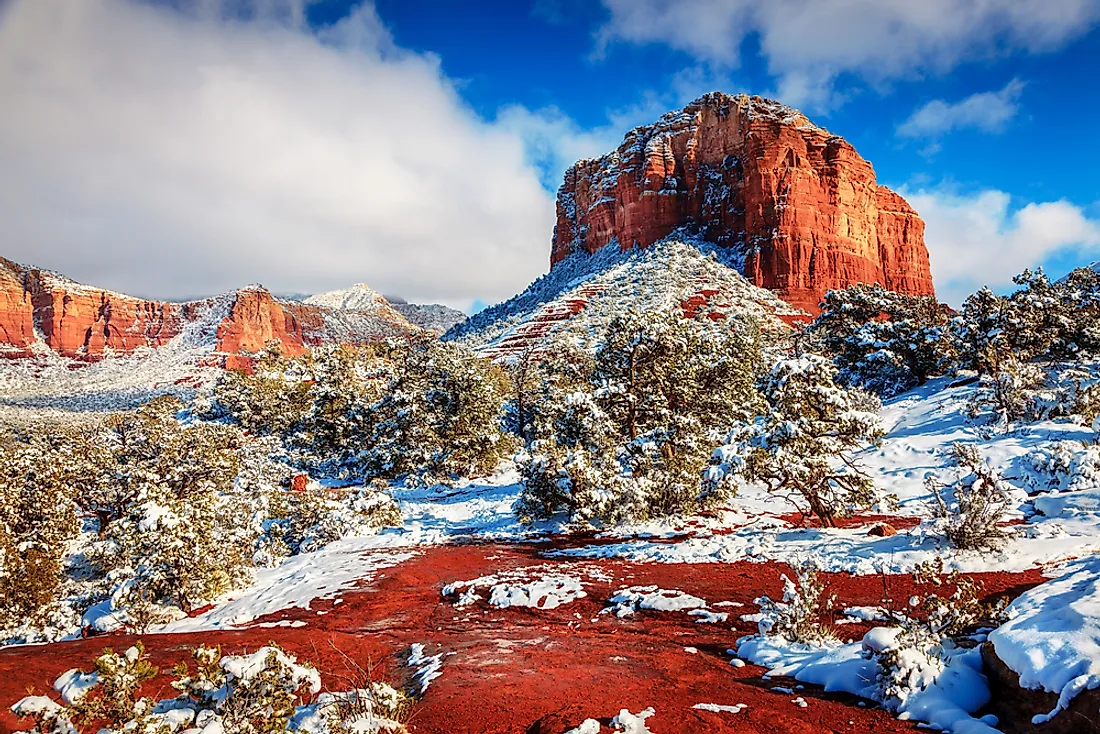
For those eager to swap sand for snow, or simply to witness the dramatic contrast of red rocks dusted with white, [Arizona] presents an unparalleled opportunity. From world-class skiing and snowboarding to tranquil snowshoeing trails, historic towns with festive holiday charm, and iconic landmarks reimagined under a fresh layer of powder, the snowy side of [Arizona] is a destination unto itself. This comprehensive guide will navigate you through the snow-laden peaks and valleys of [Arizona], unveiling its best winter destinations, the myriad of activities awaiting you, and essential tips for planning your unforgettable journey into this unexpected frosty paradise.
Discovering Arizona’s Winter Wonderland: Northern Gems
Northern [Arizona] stands as the epicenter of the state’s snowfall, characterized by its towering mountains, expansive Ponderosa Pine Forests, and a distinct four-season climate. Here, you’ll find some of the most consistent and abundant snow, creating a playground for winter sports and a picturesque backdrop for tranquil getaways.
Flagstaff: The Heart of Arizona’s Snow Country
Perched at an elevation of nearly 7,000 feet, Flagstaff proudly holds the title of one of the snowiest cities in the United States, averaging over 100 inches of snow annually. Its high-altitude setting amidst the San Francisco Peaks ensures a reliable and often deep snowpack, making it a prime destination for winter tourism and a true jewel for those seeking a snowy escape in [Arizona].
[Flagstaff]’s appeal as a winter destination is multifaceted. For adrenaline seekers, the nearby Arizona Snowbowl is a premier ski and snowboard resort, boasting over 2,300 feet of vertical drop, 50 trails, and eight lifts across more than 777 skiable acres. Situated on the slopes of Humphreys Peak, the highest point in [Arizona], [Arizona Snowbowl] offers breathtaking panoramic views that stretch across the state and beyond, providing an exhilarating experience for skiers and snowboarders of all skill levels. Beyond the slopes, [Flagstaff] transforms into a hub for a variety of winter activities, including cross-country skiing, snowshoeing through silent [Ponderosa Pine Forests], snowmobiling, and countless hills perfect for sledding and tubing.The city itself exudes a charming, historic character, particularly along its stretch of the legendary Route 66. Visitors can explore the historic downtown, cozy up in local cafes, or delve into the wonders of the universe at Lowell Observatory, which often hosts stargazing events that are even more magical under clear, crisp winter skies. For those interested in unique landmarks, the Meteor Crater, a remarkably preserved impact site, is also a short drive away and offers a different kind of awe-inspiring view, especially when dusted with snow. When it comes to accommodation in [Flagstaff], options range from luxury resorts with full amenities to charming boutique hotels and cozy cabins, many offering easy access to both the city’s attractions and the surrounding natural beauty. Its vibrant local culture and diverse food scene also make it an ideal base for a more extended winter holiday.
Grand Canyon National Park: A Snow-Dusted Spectacle
While the North Rim of Grand Canyon National Park is famously closed during winter due to heavy snowfall, the South Rim remains open year-round, offering an ethereal experience as the iconic [Grand Canyon] plunges into a blanket of white. Averaging around 60 inches of snow annually, the [Grand Canyon]’s South Rim in winter presents a stark, beautiful contrast of fiery red rock formations against pure white snow, all under a vast, often vivid blue sky.
Winter at the [Grand Canyon] is a photographer’s dream and a contemplative traveler’s paradise. The crowds thin significantly, allowing for a more intimate and serene experience of this natural wonder. The sheer scale and depth of the canyon take on an almost otherworldly quality when framed by snow, with delicate snowdrifts clinging to precarious ledges and the mighty [Colorado River] (not a proper noun mentioned in the original text, will not link) flowing far below. Popular activities include short, accessible walks along the rim trails, offering breathtaking vistas, or more adventurous day hikes into the canyon for those properly equipped for winter conditions. Guided ranger programs often continue, providing insights into the unique geology and wildlife of the park in winter.
Just an hour’s drive south of the [Grand Canyon] is the charming town of Williams, often dubbed the “Gateway to the [Grand Canyon]” and another vibrant stop on [Route 66]. [Williams] also receives its share of snow, transforming its historic downtown into a picturesque, festive scene, especially during the holiday season. Families flock to [Williams] for the famous Polar Express train ride, which departs for a magical journey to the “North Pole.” The Bearizona Wildlife Park is another popular attraction near [Williams], where visitors can drive through a vast preserve to see [Arizona]’s wildlife, often amidst a snowy backdrop, making for memorable encounters.
Sedona and Prescott: Red Rocks Meet White Powder
Even the famed red rock country experiences its share of winter magic. While Sedona isn’t known for deep, prolonged snowfalls like [Flagstaff], its higher elevations do receive enough snow to create a truly iconic landscape where the vibrant red rocks are capped with a dazzling white. These ephemeral snowfalls often occur a few times each winter, especially in January and February, turning the scenic Sedona Red Rocks and the majestic Oak Creek Canyon into a postcard-perfect scene.
The juxtaposition of the rust-colored sandstone against the pristine white snow is particularly stunning at sunrise or sunset, offering unparalleled photographic opportunities. Winter hiking in [Sedona] provides a unique perspective, with crisp air and fewer crowds enhancing the tranquility of its renowned vortex sites and scenic trails. Many hotels and resorts in [Sedona] offer luxurious amenities, making it a perfect spot for a romantic winter getaway where guests can enjoy the views from a cozy spa or a warm fireside.
Further south, nestled in the central highlands, is Prescott, [Arizona]’s “mile-high city.” [Prescott] typically receives 20-30 inches of snow each winter, enough to transform its historic downtown, affectionately known as “Whiskey Row,” into a charming, old-fashioned winter scene. The city embraces its snowfall with holiday lights and festive events, creating a welcoming atmosphere. Visitors can enjoy walks around the frozen Watson Lake, exploring the historic Victorian architecture, or simply enjoying the crisp mountain air. [Prescott]’s blend of history, natural beauty, and a mild but snowy winter makes it an appealing destination for those seeking a less intense winter experience than [Flagstaff] but still wanting the charm of a snowy setting.
High-Altitude Escapes: Eastern and Southern Arizona’s Snowy Peaks
Beyond the well-known northern destinations, [Arizona] harbors lesser-known but equally enchanting snowy regions in its eastern and southern reaches. These areas, characterized by their impressive elevations and remote beauty, offer distinct winter experiences, from secluded alpine adventures to surprising ski slopes far removed from the desert floor.

The White Mountains: Seclusion and Adventure
Eastern [Arizona] is home to the majestic White Mountains, a region that truly embodies the spirit of an [Arizona] winter. These mountains, part of the larger Mogollon Rim country, consistently receive some of the heaviest snowfall in the state, often exceeding 100 inches annually in their highest elevations. Small, picturesque towns like Greer and Alpine, situated at elevations between 8,000 and 9,000 feet, become secluded havens during the winter months, offering a peaceful retreat amidst snow-laden forests.
For those seeking an authentic alpine experience, the [White Mountains] are a dream. The untouched wilderness provides endless opportunities for cross-country skiing, snowshoeing, and ice fishing on frozen lakes. The tranquil beauty of these towns, with their rustic cabins and charming local eateries, offers a perfect escape for nature lovers and those looking to unplug.
The crown jewel of winter sports in the [White Mountains] is undoubtedly Sunrise Park Resort. As [Arizona]’s largest ski resort, [Sunrise Park Resort] spans three mountains (Sunrise Peak, Cyclone Peak, and Apache Peak) and offers 65 runs across 1,200 acres of skiable terrain. With a top elevation of 11,100 feet and an impressive 1,800-foot vertical drop, it caters to all levels, from beginner slopes to challenging black diamonds, ensuring a fantastic experience for every skier and snowboarder. Beyond skiing, [Sunrise Park Resort] also provides opportunities for tubing, snowboarding terrain parks, and even dog sledding, making it a comprehensive destination for winter adventure. The [accommodation] options in the surrounding areas range from cozy log cabins and vacation rentals to resort lodging, providing comfortable bases for exploring this stunning region.
Mount Lemmon: Tucson’s Alpine Retreat
Perhaps the most astonishing snowy destination in [Arizona] is Mount Lemmon, located just an hour’s drive from the desert metropolis of Tucson. Rising to an elevation of 9,157 feet, [Mount Lemmon] serves as a dramatic climatic island, offering a cool, pine-scented refuge from [Tucson]’s desert heat in summer and a snowy escape in winter. It impressively receives an average of 180 inches of snow each year, creating a unique phenomenon where you can drive from cacti-filled desert to snow-covered mountains in less than an hour.
[Mount Lemmon] is home to Ski Valley, notable as the southernmost ski area in the continental United States. While smaller than [Arizona Snowbowl] or [Sunrise Park Resort], [Ski Valley] offers a charming, family-friendly atmosphere with 22 runs, catering primarily to beginner and intermediate skiers. It’s an incredible experience to ski down slopes with views of the vast [Sonoran Desert] (not a proper noun, will not link) stretching out below.Beyond skiing, [Mount Lemmon] offers excellent opportunities for sledding, snowshoeing, and simply enjoying the snow. The scenic drive up the Catalina Highway (not a proper noun, will not link), often called the [Mount Lemmon] Scenic Byway, is an attraction in itself, transitioning through multiple life zones, from desert flora to alpine forests. At the summit, the Mount Lemmon SkyCenter offers public astronomy programs, providing a unique chance to stargaze from a high-altitude, clear-sky location, a truly memorable tourism experience after a day in the snow. [Accommodation] on [Mount Lemmon] includes cabin rentals and a few lodges, offering a rustic charm that complements the natural surroundings. For those staying in [Tucson], a day trip to [Mount Lemmon] is an easily accessible and truly unique winter adventure, a testament to [Arizona]’s incredible geographical diversity.
Planning Your Arizona Winter Getaway
Embracing the snowy side of [Arizona] requires a bit of planning, but the rewards—stunning landscapes, thrilling activities, and unique travel experiences—are well worth the effort. Understanding the best times to visit and preparing for the conditions will ensure a smooth and enjoyable trip, whether you’re seeking luxury travel or a budget-friendly family adventure.
Best Time to Visit and What to Expect
The prime window for experiencing snow in [Arizona]’s high country typically extends from December through March. While early December can offer festive holiday charm with the possibility of light snow, January and February generally stand out as the months with the heaviest and most consistent snowfall. This is when ski resorts are usually in full swing, and the landscapes are at their most pristine.
Visitors should be prepared for variable conditions. Mountain weather can change rapidly, with bright sunny days quickly giving way to snowstorms. It’s always advisable to check local forecasts and resort conditions daily. Websites like the National Weather Service provide detailed forecasts for specific mountain areas, which are crucial for planning daily activities. While the days can be cold, often hovering around freezing or slightly above, the high-altitude sunshine can make it feel surprisingly pleasant. However, evenings and nights are reliably cold, often dropping well below freezing.
For those planning to visit the [Grand Canyon] in winter, remember that the North Rim is closed, and while the South Rim is open, some roads and trails may be temporarily inaccessible after heavy snow. Always check the official [Grand Canyon National Park] website for current conditions and closures before heading out.
Essential Tips for a Smooth Snowy Journey
A successful winter trip to [Arizona]’s snowy destinations hinges on proper preparation, encompassing everything from your vehicle to your attire and [accommodation] arrangements.
- Vehicle Preparation and Road Conditions: If you plan on driving into mountainous areas, especially during or after a snowfall, a four-wheel drive (4WD) or all-wheel drive (AWD) vehicle is highly recommended, and sometimes legally required. Carry tire chains, even if you have 4WD, as conditions can warrant their use. Crucially, always check road conditions before you travel, especially for mountain passes. The Arizona Department of Transportation (ADOT) website and hotline (511 in [Arizona]) are invaluable resources for real-time updates on closures, restrictions, and traffic. Winter storms can close major highways temporarily, so staying informed is paramount.
- Pack Layers and Waterproof Gear: Dressing in layers is essential for adapting to changing temperatures throughout the day. Start with a moisture-wicking base layer, add insulating middle layers (fleece or down), and top with a waterproof and windproof outer shell. Don’t forget waterproof gloves or mittens, a warm hat, and insulated, waterproof boots with good traction. Sunscreen and sunglasses are also vital, as the sun’s reflection off the snow can be intense.
- Book Accommodation in Advance: [Arizona]’s snowy destinations, particularly [Flagstaff] and the areas around ski resorts, become popular during the winter months, especially on weekends and holidays. Booking your accommodation (whether it’s a hotel, resort, apartment, or cozy cabin) well in advance is highly advisable to secure your preferred lodging and potentially better rates. Consider options ranging from luxury resorts with full amenities like spas and fine dining to more budget-friendly hotels or vacation rentals suitable for family trips.
- Embrace the Cold, Enjoy the Beauty: Don’t let the colder temperatures deter you. The unique beauty of [Arizona]’s snowy landscapes is a reward in itself. From the pristine silence of a snow-covered forest to the festive ambiance of a winter town, these experiences offer a different kind of charm than the desert heat.
- Consider Guided Tours or Lessons: If you’re new to winter sports, consider booking lessons at a ski resort. Many resorts offer packages that include equipment rental and instruction. For unique experiences like snowmobiling or snowshoeing, guided tours can enhance safety and enjoyment, especially if you’re unfamiliar with the terrain.
In conclusion, [Arizona] shatters its desert-only stereotype with magnificent, snow-capped mountains and vibrant winter towns that offer a wealth of activities and attractions. From the premier ski slopes of [Arizona Snowbowl] and [Sunrise Park Resort] to the iconic, snow-dusted vistas of the [Grand Canyon] and the charming, historic streets of [Flagstaff] and [Prescott], the state provides a stunning contrast to its arid image. [Mount Lemmon]’s unique accessibility from [Tucson] and the secluded beauty of the [White Mountains] further highlight [Arizona]’s surprising winter appeal.
Planning a trip to these elevated havens means preparing for true winter conditions, checking road reports, dressing appropriately, and securing your [accommodation] early. But for those willing to venture beyond the typical desert narrative, [Arizona]’s snowy side promises an unforgettable journey filled with natural splendor, outdoor adventure, and a refreshingly different perspective on one of America’s most beloved states. It’s a compelling invitation to explore the colder, yet equally captivating, facet of the Grand Canyon State, proving that sometimes, the most surprising destinations are the most rewarding.
LifeOutOfTheBox is a participant in the Amazon Services LLC Associates Program, an affiliate advertising program designed to provide a means for sites to earn advertising fees by advertising and linking to Amazon.com. Amazon, the Amazon logo, AmazonSupply, and the AmazonSupply logo are trademarks of Amazon.com, Inc. or its affiliates. As an Amazon Associate we earn affiliate commissions from qualifying purchases.