
The allure of a perfectly cooked New York strip steak is undeniable. Its rich, beefy flavor, tender texture, and satisfying chew make it a star on menus across the globe. But have you ever paused to wonder about the origins of this iconic cut of meat? Beyond the gleaming kitchens of celebrated restaurants and the cozy confines of a home barbecue, the story of the New York strip steak is deeply rooted in the United States and its vibrant agricultural landscape.
While the name might conjure images of bustling steakhouses in Manhattan, the reality is that the steak itself doesn’t exclusively originate from New York State. Instead, the designation “New York strip” refers to a specific primal cut of beef, a culinary nomenclature that has transcended its geographical namesake to become a universally recognized term for this delicious cut.
The Bovine Source: Understanding the Primal Cuts
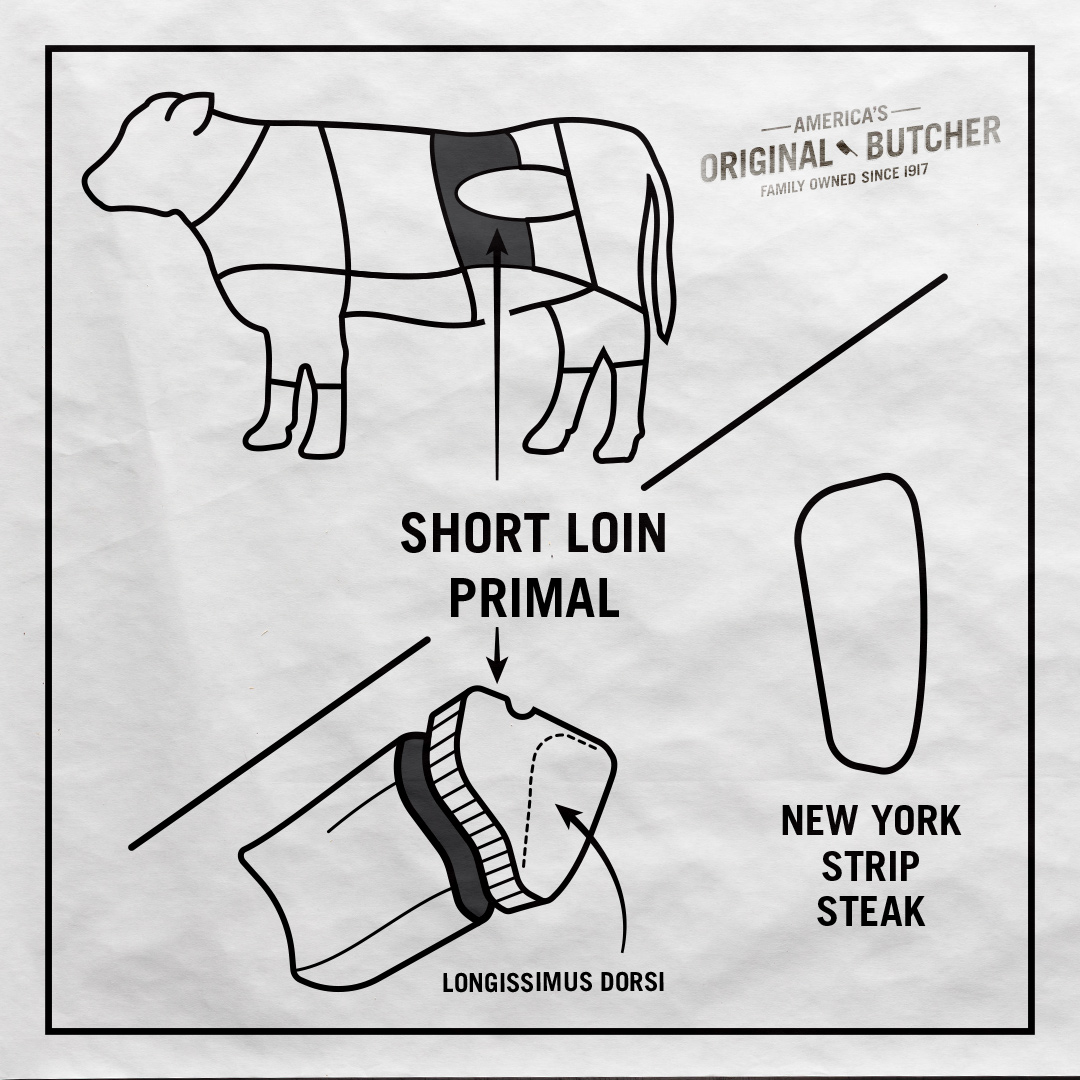
To truly understand where the New York strip steak comes from, we must first delve into the anatomy of a cow and how it’s processed into the cuts we find at our local butcher or on restaurant menus. Beef is typically divided into large sections known as primal cuts. These are the major divisions of the carcass, each with its own distinct characteristics and yielding a variety of steak and roast options. The most relevant primal cut for the New York strip is the short loin.
The Short Loin: A Prized Quadrant of the Cow
The short loin is a remarkably tender section of beef located along the back of the cow, behind the ribs and in front of the round. This area of the animal is less worked, meaning the muscles here are not as developed as those in the legs or shoulders. This lack of significant muscle use translates directly into a more tender eating experience. The short loin is further divided into two main sections: the sirloin and the short loin proper.
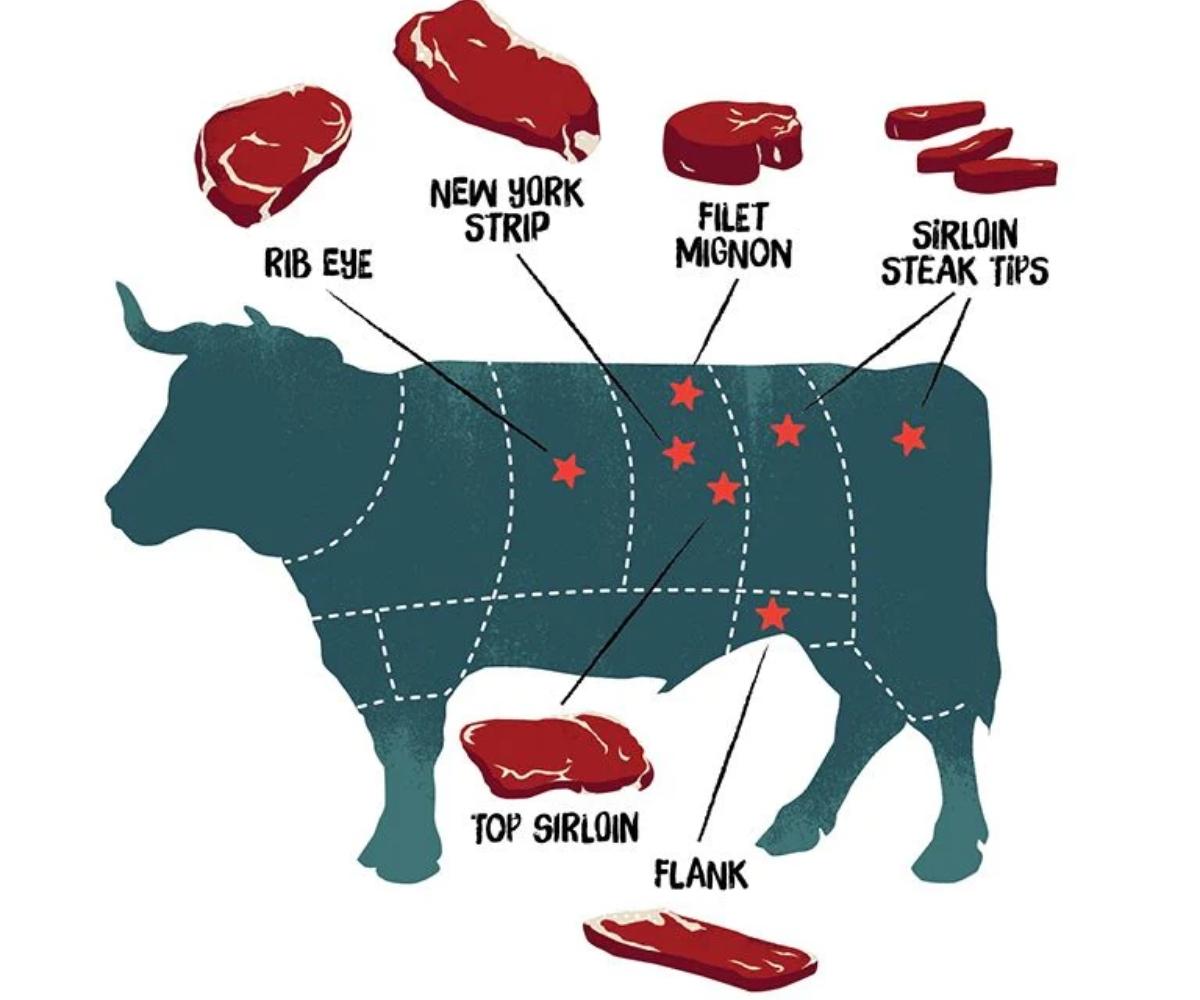
The short loin proper is the most coveted part of this primal cut, as it yields some of the most tender and flavorful steaks available. It is from this specific section that both the New York strip and its equally famous cousin, the filet mignon, are derived.
From Short Loin to Strip: The Butchers’ Art
Within the short loin, the New York strip steak is specifically cut from the posterior end, closer to the sirloin. It’s a rectangular-shaped muscle, characterized by its relatively fine grain and a strip of fat running along one edge. This fat cap is crucial to the steak’s flavor and moisture retention during cooking.
The precise butchering process is key to isolating the New York strip. Butchers meticulously separate it from the adjacent muscles and the bone. When you see a New York strip steak on display, it’s typically about 1 to 1.5 inches thick, and you’ll notice its characteristic marbling – those fine streaks of fat interspersed within the muscle fibers. This marbling is what renders during cooking, basting the meat from within and contributing significantly to its juiciness and flavor.
The fact that the New York strip is a part of the short loin explains why you can find it in butcher shops and on menus across the United States and even internationally. The naming convention, while geographically suggestive, is more about distinguishing this particular cut from others derived from the same primal. It’s a testament to the quality and popularity of this steak that it carries a name that evokes a culinary mecca like New York.
The Journey from Ranch to Table: A Broader Perspective
While the specific cut originates from the short loin, the story of the New York strip steak extends beyond the butcher’s block to the ranches where the cattle are raised. The quality of the steak is intrinsically linked to the breed of cattle, their diet, and their living conditions.
Cattle Breeds and Their Influence on Flavor
The predominant breeds of cattle raised for beef in the United States include Angus, Hereford, and crosses thereof. Angus cattle, in particular, are renowned for their excellent marbling characteristics, which directly contributes to the tenderness and flavor of the New York strip. The genetics of the animal play a significant role in its potential to develop the desirable intramuscular fat that makes this steak so appealing.
The Role of Diet: Grass-Fed vs. Grain-Fed
The diet of the cattle also has a profound impact on the flavor profile of the beef. Traditionally, cattle were raised on pasture, grazing on grasses. This grass-fed beef tends to have a leaner profile and a more distinct, slightly gamey flavor. In more modern agricultural practices, cattle are often finished on a grain-fed diet. This includes corn and other grains, which are denser in energy and lead to increased marbling and a richer, more buttery flavor. The debate between grass-fed and grain-fed beef is ongoing, with chefs and consumers often having strong preferences for one over the other, or appreciating the nuances of both.
The Importance of Aging
Once the animal is processed, the beef undergoes a crucial step called aging. This process, typically done by hanging the whole carcass or primal cuts in a temperature-controlled environment for a period ranging from a few days to several weeks, allows natural enzymes to break down connective tissues within the muscle. This breakdown results in a more tender steak and a more concentrated, complex flavor. There are two main methods of aging:
- Dry-aging: In this method, the beef is exposed to air, allowing moisture to evaporate and concentrating the flavor. This process also develops a richer, nuttier, and more intense beefy taste. However, it also leads to a greater loss of weight, making it a more expensive option.
- Wet-aging: This is the more common method, where the beef is vacuum-sealed in plastic and aged in its own juices. This preserves moisture and tenderizes the meat, but the flavor development is less pronounced than with dry-aging.
The aging process, whether dry or wet, significantly enhances the quality of the New York strip steak, making it more palatable and flavorful.
Beyond the Cut: Experiencing the New York Strip Steak
The journey of the New York strip steak from its bovine origins to your plate is a fascinating one, involving skilled butchery, careful husbandry, and a deep understanding of beef science. Its popularity isn’t just a matter of taste; it’s a reflection of a well-executed culinary product.
The Steakhouse Experience: A Culinary Destination
When people think of New York strip steak, they often picture the classic steakhouse. These establishments, from the legendary Peter Luger Steak House in Brooklyn to the upscale Keens Steakhouse in Manhattan, have built their reputations on serving exceptional cuts of beef. The steakhouse experience is more than just the food; it’s about the ambiance, the service, and the ritual of enjoying a premium steak. Often, these restaurants pride themselves on their sourcing and aging processes, further contributing to the mystique of the New York strip.
For travelers visiting New York City, seeking out an authentic steakhouse experience is a must-do activity. It’s a chance to connect with the culinary heritage that gave the steak its name, even if the beef itself might have been raised thousands of miles away. Many hotels in New York offer packages or recommendations for top steakhouses, integrating this iconic dish into the broader travel experience.

Home Cooking and Culinary Tips
For those who prefer to recreate the magic at home, understanding the cut is still paramount. When selecting a New York strip steak at your local market, look for good marbling, a bright red color, and a firm texture. The fat cap should be intact, as this is where much of the flavor resides.
When cooking, the key is to achieve a beautiful sear on the outside while keeping the inside tender and juicy. High heat is essential, whether you’re grilling, pan-searing, or broiling. Resting the steak after cooking is a non-negotiable step, allowing the juices to redistribute throughout the meat, ensuring every bite is succulent.
The versatility of the New York strip also makes it a favorite for various culinary explorations. It can be seasoned simply with salt and pepper to let its natural flavors shine, or it can be complemented by sauces, herbs, and butter. Its robust flavor profile pairs well with a variety of side dishes, from classic mashed potatoes and creamed spinach to more adventurous culinary creations.
In essence, the New York strip steak is a testament to the art of butchery and the bounty of the United States‘ agricultural heartland. While its name might be a nod to the vibrant culinary scene of New York, its true origin lies in the careful selection and preparation of beef from the esteemed short loin of cattle raised across the nation. It’s a cut that embodies a perfect balance of flavor, tenderness, and satisfaction, making it a perennial favorite for discerning palates everywhere.
LifeOutOfTheBox is a participant in the Amazon Services LLC Associates Program, an affiliate advertising program designed to provide a means for sites to earn advertising fees by advertising and linking to Amazon.com. Amazon, the Amazon logo, AmazonSupply, and the AmazonSupply logo are trademarks of Amazon.com, Inc. or its affiliates. As an Amazon Associate we earn affiliate commissions from qualifying purchases.