
The phrase “hurricane” often conjures images of dramatic storms impacting the Sunshine State. While the spectacle of a hurricane can be awe-inspiring from a safe distance, for residents and travelers alike, the immediate concern is understanding its trajectory and potential impact. This guide delves into the multifaceted nature of hurricanes in Florida, offering insights from a travel and tourism perspective, while also touching upon the practicalities of accommodation and lifestyle considerations for those who live or vacation there.
Florida‘s unique geographical position makes it a recurring stage for these powerful weather phenomena. The warm waters of the Atlantic Ocean and the Gulf of Mexico provide the perfect breeding ground for tropical depressions to mature into formidable hurricanes. Understanding the dynamics of these storms, from their formation to their predicted paths, is crucial for anyone planning a trip or residing in the state. This article aims to demystify the “where” of a Florida hurricane, not just in terms of its current location, but also in understanding the patterns and preparations that define life on the peninsula during hurricane season.
Understanding Hurricane Season and Formation
Hurricane season in the Atlantic Basin, which includes Florida, officially runs from June 1st to November 30th. Within this period, the peak months are typically August, September, and October, when ocean temperatures are at their warmest, fueling storm development.
The formation of a hurricane is a complex process initiated by a cluster of thunderstorms over warm ocean waters. As these storms gather energy, they can evolve into a tropical depression, then a tropical storm (when sustained winds reach 39 mph), and finally a hurricane (when winds reach 74 mph or higher). The strength of a hurricane is categorized on the Saffir-Simpson Hurricane Wind Scale, ranging from Category 1 (74-95 mph) to Category 5 (157 mph or higher), indicating increasing levels of potential damage.
Several factors influence where a hurricane ultimately tracks. Steering currents in the atmosphere, primarily high-pressure systems and the jet stream, play a significant role. These currents act like invisible rivers in the sky, guiding the storm’s path. For instance, a strong Bermuda High often pushes storms westward towards the Caribbean and the United States. Conversely, the position and strength of the jet stream can influence whether a storm turns northward into the Atlantic or continues on a more westward track.
The warm waters of the Gulf Stream also contribute to a hurricane’s intensity. As a storm moves over these warmer waters, it can absorb more energy, leading to rapid intensification. Florida‘s extensive coastline, bordering both the Atlantic Ocean and the Gulf of Mexico, means it is susceptible to storms approaching from various directions.
The unpredictability of hurricane tracks is a constant challenge for forecasters and residents alike. While models have improved significantly over the years, slight shifts in atmospheric conditions can lead to substantial changes in a storm’s projected path. This inherent uncertainty is why preparedness is paramount for all coastal communities in Florida.
Navigating Florida’s Hurricane Preparedness and Travel Advisories
When a hurricane is developing or projected to impact Florida, a robust system of advisories and alerts is put into place. Understanding these communications is vital for both residents and tourists to make informed decisions.
The primary source for official hurricane information is the National Hurricane Center (NHC), part of the National Oceanic and Atmospheric Administration (NOAA). The NHC issues regular advisories that include the storm’s current location, intensity, projected track, and potential impacts. These advisories are disseminated through various channels, including news media, government websites, and emergency management agencies.
Florida‘s Division of Emergency Management plays a crucial role in translating these advisories into actionable guidance for the state. They issue Hurricane Watches and Hurricane Warnings for specific areas. A Hurricane Watch indicates that hurricane conditions are possible within the specified area, typically within 48 hours. A Hurricane Warning means that hurricane conditions are expected within the specified area, typically within 36 hours.

For travelers, these advisories are particularly important. Many hotels and resorts in Florida have established hurricane preparedness plans. These plans often include:
- Evacuation procedures: If an evacuation order is issued for the area, hotels will typically assist guests in evacuating to designated shelters or provide transportation to safer locations.
- Refund policies: Many accommodations offer flexible refund policies for cancellations due to hurricane threats, although it’s always advisable to confirm these policies in advance when booking.
- Guest advisories: Hotels will communicate with guests about the storm’s progress and any necessary precautions.
It’s essential for travelers to monitor official weather forecasts and local news. Websites like the Florida Division of Emergency Management (floridadisaster.org) and the National Hurricane Center (nhc.noaa.gov) are invaluable resources. When planning a trip to Florida during hurricane season, it’s prudent to:
- Purchase travel insurance: This can provide financial protection in case of trip cancellations or interruptions due to severe weather.
- Stay informed: Regularly check weather updates from reliable sources.
- Have a plan: Know your evacuation routes and potential shelter locations, even if you’re just visiting.
- Be flexible: Be prepared for potential itinerary changes or cancellations.
The tourism industry in Florida is highly attuned to hurricane season. Many businesses, from theme parks like Walt Disney World to smaller attractions, have contingency plans in place. However, safety remains the top priority, and attractions may close temporarily in anticipation of or during a storm.

Living and Traveling in Florida: Lifestyle and Accommodation Considerations
The presence of hurricanes influences lifestyle and accommodation choices in Florida. For those who own property or reside long-term, hurricane preparedness is an integral part of their annual routine. For travelers, understanding these considerations can enhance their experience and ensure their safety.
Accommodation choices can be influenced by hurricane risk. Coastal properties, while offering stunning views and immediate access to beaches like those found in Miami Beach or on the Florida Keys, are also the most vulnerable. Inland locations or higher floors in sturdy buildings may offer a greater sense of security during a storm. Many visitors opt for hotels or resorts that are accustomed to managing hurricane preparedness and have robust emergency protocols.
- Hotels and Resorts: Established hotels and resorts, such as the Ritz-Carlton or Four Seasons, often have generators, well-stocked supplies, and trained staff to manage guests during severe weather. They are usually among the first to receive and disseminate official advisories. Booking with reputable chains can offer peace of mind.
- Vacation Rentals and Villas: For longer stays or family trips, renting a villa or apartment can be appealing. However, renters should inquire about the property owner’s hurricane preparedness plan and insurance. Some rental agreements may have specific clauses regarding weather-related disruptions.
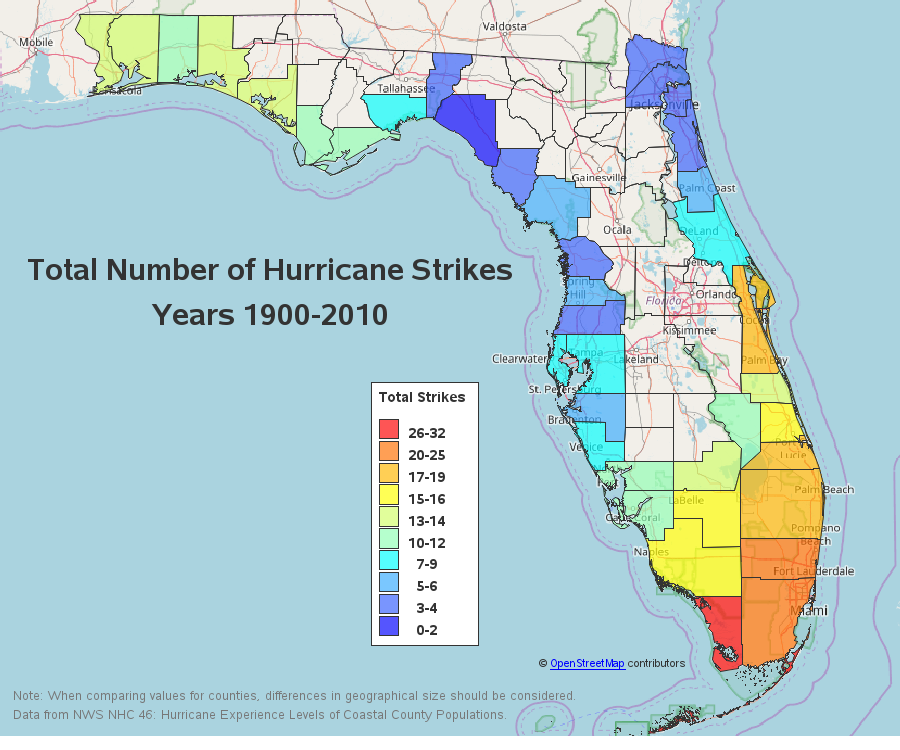
- Long-Term Stays: Individuals planning long-term stays or seasonal residencies in Florida must be aware of building codes, insurance requirements, and local evacuation zones. Understanding the history of storm impacts in a particular area is also beneficial.
The lifestyle in Florida is inherently tied to its climate. The warm weather encourages outdoor activities and a relaxed pace of life. However, hurricane season necessitates a mindful approach to planning.
- Luxury Travel: For those seeking luxury travel, many high-end resorts offer premium amenities and services that can make sheltering in place or recovering from a storm more comfortable. These establishments are often equipped with backup power and have dedicated staff to ensure guest well-being.
- Budget Travel: Budget travelers might find that prices for accommodation and flights can decrease during the shoulder seasons of hurricane season, but the risk of disruption also increases. It’s crucial to weigh potential savings against the possibility of canceled plans.
- Family Trips: Families visiting Florida with children need to be particularly diligent about checking weather forecasts and understanding any potential impacts on attractions and their lodging. Knowing where safe havens are and having entertainment options for indoor time is a good strategy.
The anticipation of a hurricane can also bring the community together. Neighbors often check on each other, and local businesses may offer special promotions or services to assist residents and visitors in preparing. While hurricanes are a serious concern, Florida‘s experience has fostered a culture of resilience and preparedness.
Ultimately, understanding “Where in Florida Is The Hurricane?” is not just about tracking a storm’s current location. It’s about understanding the meteorological forces at play, the official communication channels, and the lifestyle adaptations that allow Florida to face these challenges head-on. Whether you are a resident preparing your home or a traveler planning your next getaway, knowledge and preparedness are your greatest allies.