
Texas, a land of sweeping plains, arid deserts, lush forests, and sun-drenched coastlines, is famously known for its scorching summers and mild winters. It conjures images of rodeos, barbecues, and sprawling ranches, not usually snow-covered landscapes. Yet, beneath the popular perception, the vast and geographically diverse United States state does indeed experience snowfall. For travelers seeking a unique winter experience, or simply those curious about the colder side of the Lone Star State, discovering where and when snow graces Texas can unlock an entirely different dimension of travel and exploration.
While a white Christmas might be a rare spectacle for much of the state, specific regions consistently receive a delicate dusting or, on occasion, a significant blanket of snow. This guide delves into the climatic intricacies of Texas winters, pinpointing the most likely destinations for snow chasers, offering insights into accommodation, activities, and the unique lifestyle that accompanies these less common chilly days. Prepare to redefine your perception of Texas and embark on an adventure that might just lead you to a surprising winter wonderland.

The Uncommon Winter Wonderland: Understanding Snow in Texas
To truly appreciate the phenomenon of snow in Texas, it’s essential to understand the state’s diverse geography and how it influences weather patterns. Texas spans over 268,000 square miles, encompassing distinct climate zones ranging from arid desert in the west to humid subtropical along the Gulf Coast. This immense variation means that while some areas rarely see a flake, others might experience annual snowfall.
A Land of Climatic Contrasts
The state’s climate is largely dictated by its latitude and proximity to the Gulf of Mexico. Warm, moist air from the Gulf often prevents temperatures from dropping low enough for snow across much of East Texas, Central Texas, and South Texas. However, cold fronts originating from the north, combined with sufficient moisture, can create the perfect conditions for snow.
Elevation also plays a crucial role. The higher altitudes of West Texas and the Panhandle naturally lead to lower temperatures, making these regions more susceptible to wintry precipitation. When these cold fronts sweep across the state, they often interact with remnant moisture, leading to the occasional, often ephemeral, snow event. The beauty of a Texas snowfall lies in its unexpected nature for many, transforming familiar landscapes into something ethereal and pristine, if only for a short time. This makes planning a trip to witness snow in Texas an exciting pursuit, a blend of anticipation and an appreciation for nature’s fleeting artistry.
The Frequency and Form of Texas Snowfall
While residents of the northern United States might scoff at the notion, snow in Texas is a genuine occurrence, though its frequency and accumulation vary dramatically. For most Texans, snowfall is a celebrated rarity – a chance to snap a few photos, build a miniature snowman, and enjoy a day off school or work. Significant accumulations, often exceeding a few inches, are less common outside of specific regions, but they do happen, occasionally disrupting daily life with their unexpected charm.
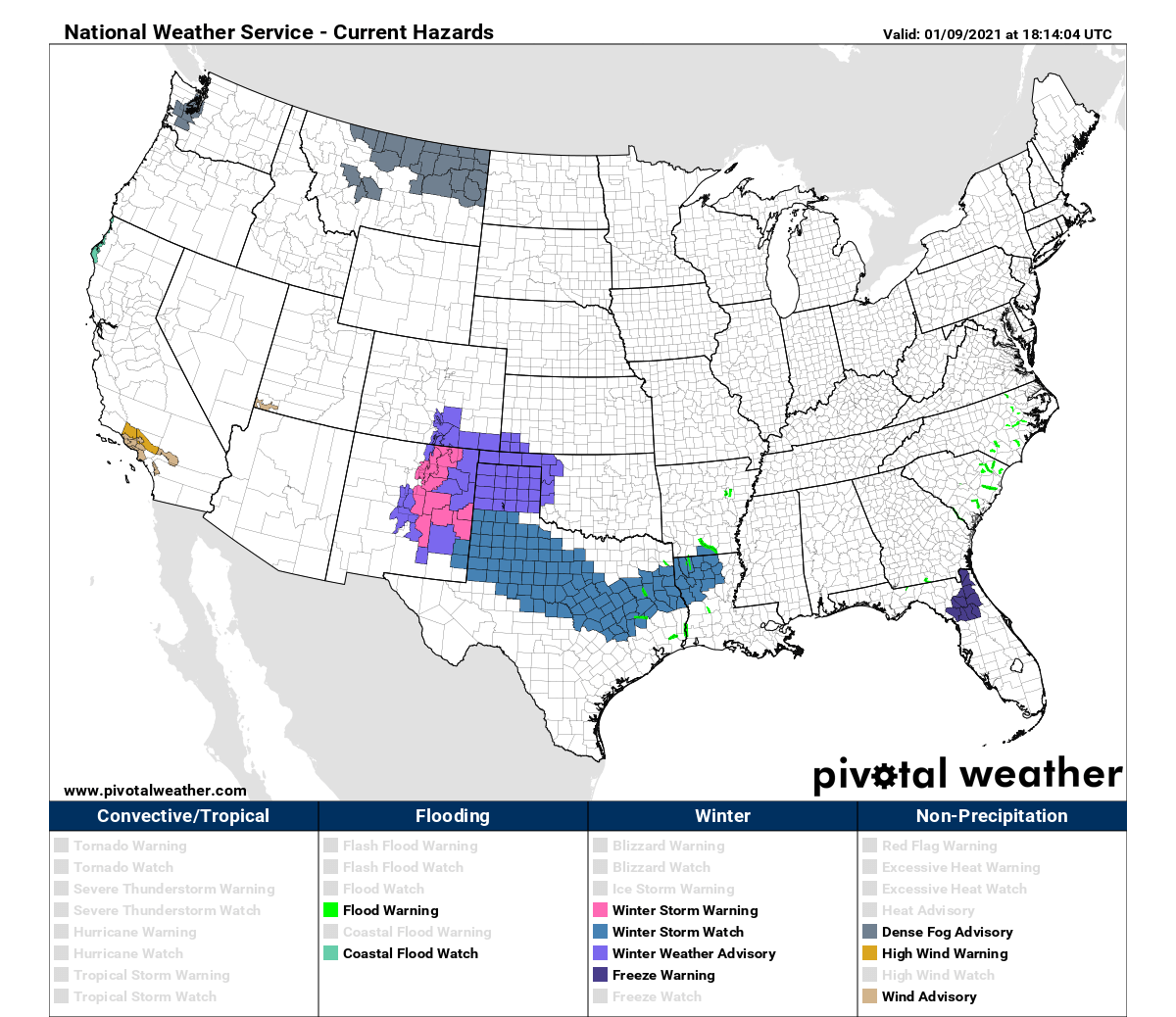
In the most snow-prone areas, like the Panhandle, a few inches of snow might fall several times a winter. Further south, cities like Dallas and Fort Worth typically experience a light dusting once every year or two, sometimes a more substantial, albeit short-lived, event every few years. Central Texas cities such as Austin and San Antonio see snow even less frequently, perhaps every 3-5 years, often melting within hours. Along the Gulf Coast in cities like Houston, snow is truly a once-in-a-decade or longer event, making it an extraordinary spectacle when it occurs. Understanding these probabilities is key for travelers hoping to catch a glimpse of Texas under a blanket of white. It transforms a simple travel plan into an exciting, albeit slightly unpredictable, quest for a unique winter experience.
Prime Destinations for Chasing Snowflakes in the Lone Star State
For those determined to witness snow in Texas, setting your sights on specific regions significantly increases your chances. These areas, due to their geography and climate, are the state’s most reliable snow belts, offering the best opportunities for a truly wintry Texas experience.
The Panhandle: Texas’ Most Reliable Snow Belt
If you’re serious about seeing snow in Texas, the Panhandle is your best bet. Located in the northernmost part of the state, this region experiences a more continental climate, characterized by colder winters and more frequent cold fronts. Cities like Amarillo and Lubbock typically receive several inches of snow each winter, with larger accumulations not uncommon. The flat, open plains of the Panhandle offer expansive, unobstructed views of snow-covered landscapes, making for stunning photography opportunities.
Beyond the snow itself, the Panhandle offers a rugged beauty that is particularly striking in winter. Palo Duro Canyon State Park, often referred to as the “Grand Canyon of Texas,” is transformed into a breathtaking vista when its colorful rock formations are dusted with white. Similarly, Caprock Canyon State Park offers unique winter hiking trails amidst its bison herds, providing a truly wild and memorable experience. Accommodation in Amarillo ranges from familiar hotel chains to unique boutique options like The Barfield, Autograph Collection, providing comfortable bases for exploring the wintry surroundings. These areas embrace their seasonal changes, offering a distinct lifestyle for visitors.
West Texas Mountains: High Altitude, Higher Chances
West Texas presents another excellent opportunity for snow, particularly in its mountainous regions. Areas like the Guadalupe Mountains National Park and the Davis Mountains have higher elevations, leading to significantly colder temperatures and a greater likelihood of snowfall. Guadalupe Peak, the highest point in Texas at 8,751 feet, is regularly covered in snow during the winter months, offering a stark, majestic beauty. Hiking in these parks after a fresh snowfall can be an incredible, albeit challenging, experience, providing unparalleled solitude and photographic rewards.
The charming towns of Fort Davis and Alpine serve as gateways to these high-altitude landscapes. Visitors can explore the McDonald Observatory, which, when surrounded by snow, offers a celestial viewing experience that feels truly otherworldly. Even Big Bend National Park, further south, can receive snow, particularly in its higher elevations like the Chisos Mountains, creating a dramatic contrast between white peaks and the desert floor. In El Paso, nestled at the foot of the Franklin Mountains State Park, snow can dust the peaks several times a winter, offering a beautiful backdrop to the city. Accommodation options range from rustic lodges near national parks to more refined hotels in towns like El Paso, such as The Hotel Paso del Norte, Autograph Collection, allowing travelers to choose their preferred level of comfort while immersing themselves in the unique winter culture of West Texas.
North Texas and Beyond: Occasional Dustings and Icy Surprises
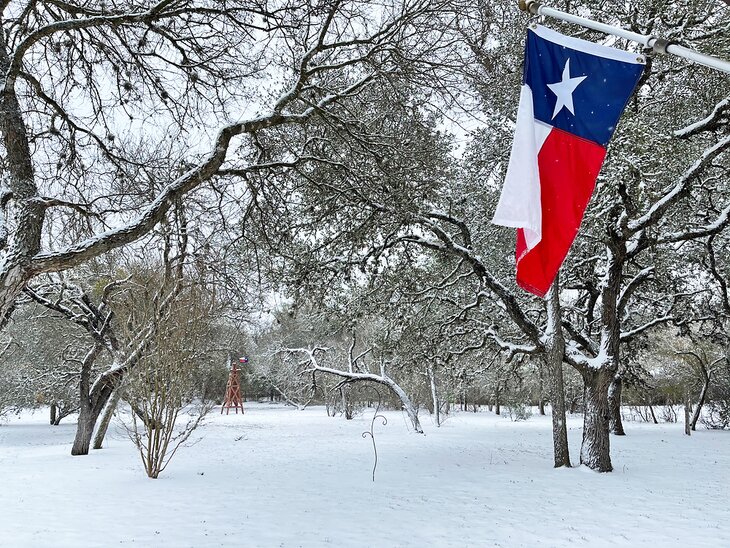
While not as consistent as the Panhandle or West Texas mountains, North Texas cities, particularly within the Dallas-Fort Worth Metroplex, do experience snow. Typically, these are light dustings that melt quickly, but every few years, a more significant winter storm can bring several inches of snow, transforming the urban landscape into a temporary winter wonderland. These events are often met with a mix of excitement and cautious preparation, as local infrastructure isn’t always equipped for heavy snow and ice.
For visitors, a snow day in Dallas or Fort Worth can be a magical experience, offering unique photo opportunities of iconic landmarks under a rare blanket of white. While snow-specific activities are limited, the novelty itself is the attraction. The best part is that these cities are vibrant travel destinations regardless of snow. Should flakes fall, travelers staying at places like Hyatt Regency Dallas or The Worthington Renaissance Fort Worth Hotel can simply enjoy the unexpected beauty from their cozy rooms, perhaps with a warm drink.
Further south, snow becomes even rarer. Central Texas cities like Austin and San Antonio might see a brief dusting every few winters, and a truly impactful snowfall is a historic event. Houston and the Gulf Coast are the least likely to see snow, with temperatures typically too mild. However, the unpredictability of Texas weather means that even these areas have witnessed rare, memorable snowfalls, making every winter an exciting, albeit long-shot, gamble for snow enthusiasts. The joy of a random Texas snow day is part of its charm, a unique local culture experience that transcends typical tourism.
Planning Your Texas Snow Adventure: Travel Tips and Accommodations
Chasing snow in Texas requires a flexible approach and an appreciation for the unpredictable nature of winter weather. However, with careful planning, it can be a highly rewarding and distinctive travel experience. Focus on the most likely regions, and be prepared to pivot if weather patterns shift.
Best Time to Visit and What to Pack
The prime window for experiencing snow in Texas is from December through February, with January often being the coldest month and offering the highest probability. However, early March or late November can sometimes surprise with a cold snap. For optimal chances, monitor long-range weather forecasts for the Panhandle and West Texas as your travel dates approach. Keep in mind that heavy snowfall, while rare, can lead to road closures, so always check travel advisories.
Packing for a Texas snow chase means layering is key. Even if snow falls, daytime temperatures can quickly rise, causing it to melt. Bring warm, waterproof outer layers, insulated boots, hats, gloves, and scarves, especially if you plan to spend time outdoors in areas like Palo Duro Canyon State Park or the Guadalupe Mountains National Park. Don’t forget lighter clothing for indoor activities or if the weather decides to revert to a typical mild Texas winter day. This approach ensures comfort regardless of the specific conditions, allowing for a versatile lifestyle during your trip.
Unforgettable Experiences and Local Culture in Snowy Texas
A snowy Texas landscape creates a unique ambiance. While traditional snow sports like skiing or snowboarding aren’t widely available (though some brave souls might try cross-country skiing in state parks), the primary appeal is the sheer novelty and beauty. Imagine hiking the silent, snow-dusted trails of Caprock Canyon State Park or enjoying a warm drink while gazing at the snow-capped peaks surrounding El Paso.
Photography enthusiasts will find endless opportunities to capture the rare sight of snow contrasting with typical Texas scenery. Engage with local culture by visiting museums, art galleries, and cozy restaurants in towns like Amarillo or Fort Davis. The locals often react to snow with a mixture of delight and awe, and sharing in that collective excitement can be a memorable part of your trip. Many small towns in these regions offer authentic Texas experiences, from hearty comfort food to local artisan shops, all of which feel even more inviting when the weather outside is brisk. This adds a layer of community and warmth to your cold-weather travels.
Finding Your Perfect Winter Stay: Hotels and Resorts
Accommodation is crucial for any travel experience, and even more so when chasing specific weather phenomena. In the snow-prone regions of Texas, you’ll find a range of options to suit various preferences and budgets, aligning with different travel lifestyles.
- In the Panhandle: Cities like Amarillo and Lubbock offer a variety of hotels, from budget-friendly chains to more upscale boutique options. The Barfield, Autograph Collection in Amarillo stands out for its unique design and comfortable amenities, perfect for retreating after a day of exploring snowy plains. Look for hotels with indoor pools or cozy lounges to enhance your winter stay.
- In West Texas Mountains: Towns like Alpine and Fort Davis offer charming, often historic, hotels and lodges. The Gage Hotel in Marathon (near Big Bend National Park) provides a luxurious escape with rustic charm, ideal for a romantic getaway or a serene retreat. For those venturing into the national parks, the Big Bend National Park Lodge offers unparalleled access to the park’s winter beauty. In El Paso, The Hotel Paso del Norte, Autograph Collection offers historic elegance and modern comforts, making it an excellent base for exploring the snowy mountains nearby.
- In North Texas (for a rare treat): Should snow fall in the Dallas-Fort Worth Metroplex, staying in one of the many luxury hotels can turn a rare weather event into an exquisite experience. Hyatt Regency Dallas or The Worthington Renaissance Fort Worth Hotel offer top-tier amenities, fine dining, and impressive views that are only enhanced by a dusting of snow.
Consider accommodation that offers amenities like fireplaces, hot tubs, or hearty breakfast options to make your winter trip even more enjoyable. Always check reviews and compare options, focusing on warmth and accessibility during potential winter weather. Booking in advance, especially during popular holiday seasons, is always recommended.
Beyond the Flakes: Enjoying Winter in Texas
Even if your quest for snow doesn’t yield a white blanket, a winter trip to Texas offers plenty of unique experiences. The cooler temperatures make it an ideal time to explore outdoor attractions that might be too hot in summer, offering a distinct blend of tourism and lifestyle enjoyment.
Embracing the Unique Charm of Texas Winters
Without the intense summer heat, Texas transforms into a comfortable playground for hiking, exploring city parks, or visiting historical landmarks. For example, Big Bend National Park is stunning in winter, even without snow, with pleasant daytime temperatures perfect for long hikes and stargazing. The bustling cities of Austin, San Antonio, and Houston maintain a vibrant atmosphere, with outdoor patios remaining open, and numerous festivals and events taking place.
Winter is also an excellent time for cultural tourism. Explore the museums of Dallas, the historic missions of San Antonio, or the space wonders at NASA Johnson Space Center in Houston without the crowds of peak season. Shopping is also a popular winter activity, with destinations like The Galleria in Houston offering world-class retail experiences. For those considering luxury travel, many resorts across Texas, such as the JW Marriott San Antonio Hill Country Resort & Spa, offer enticing winter packages, complete with heated pools, spas, and gourmet dining, creating an opulent and comfortable escape from colder climates elsewhere. Whether you’re seeking budget-friendly travel or a lavish getaway, Texas in winter offers a compelling array of choices, making it a surprisingly versatile destination for any traveler.
So, while significant snowfall remains an elusive dream for much of Texas, the possibility is real, particularly in the Panhandle and West Texas mountains. For the adventurous traveler, chasing snow in the Lone Star State offers a truly unique travel experience, blending the rugged charm of Texas with the ephemeral beauty of a winter wonderland. It’s a testament to the sheer scale and diversity of this remarkable state, inviting exploration beyond its sunny stereotype. Pack your layers, keep an eye on the forecast, and prepare for a Texas adventure unlike any other.