
The Golden State, a land of sun-drenched beaches, towering forests, and iconic cities, is also a region susceptible to wildfires. For travelers and residents alike, staying informed about fire activity is not just a matter of convenience but a crucial aspect of safety and responsible exploration. This article delves into understanding California’s wildfire landscape, how to find current information, and what to consider when planning your adventures amidst the ever-present possibility of fire.
California’s diverse geography, ranging from arid deserts to densely wooded mountains, creates a complex tapestry of fire-prone areas. Understanding these environments is key to appreciating the origins and spread of wildfires. The state’s Mediterranean climate, characterized by hot, dry summers and mild, wet winters, sets the stage. During the dry season, vegetation becomes tinder-dry, making it highly combustible. Factors such as high temperatures, low humidity, and strong winds, often exacerbated by the Santa Ana winds in Southern California, can quickly ignite and propel fires across vast landscapes.
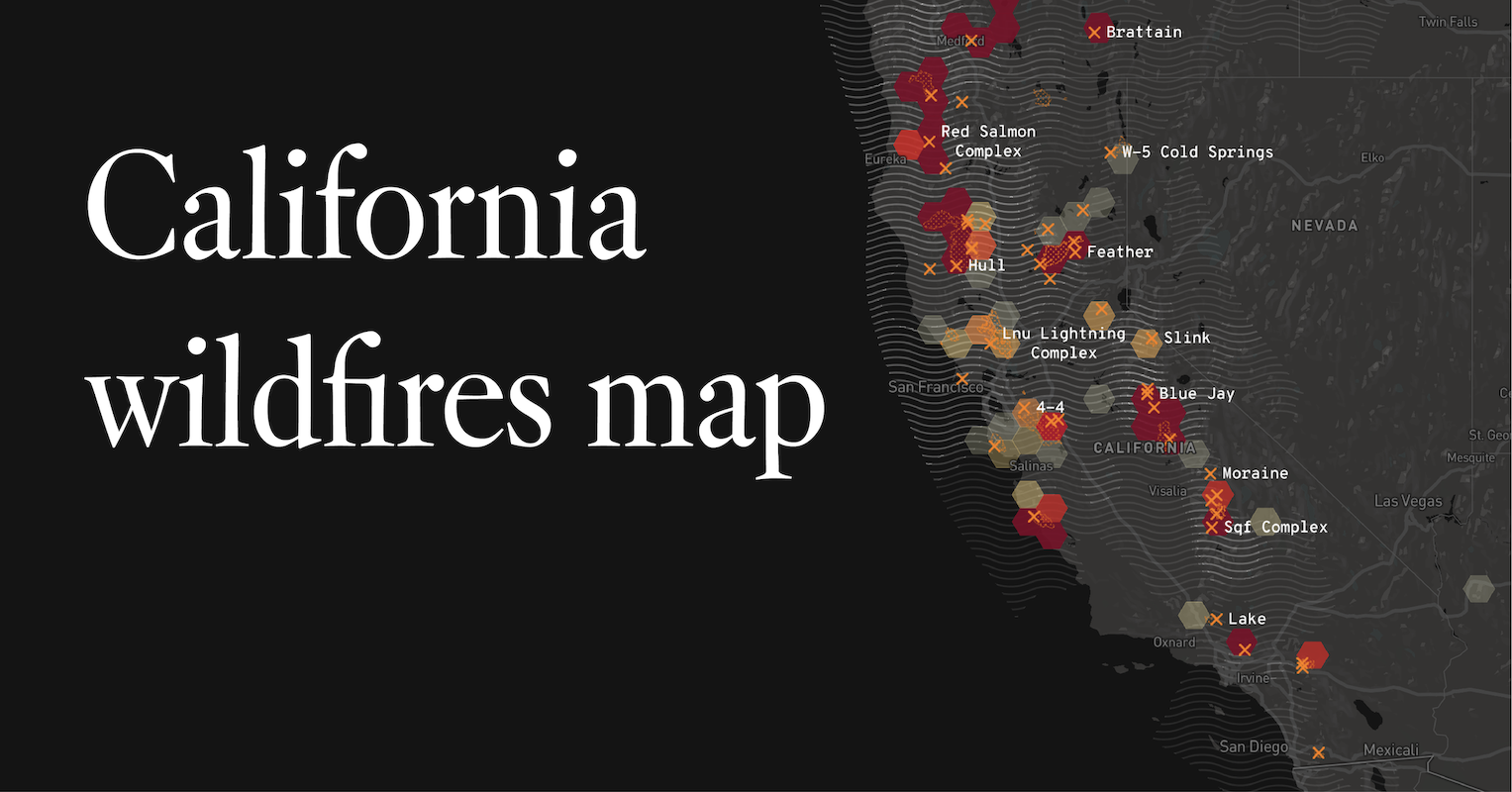
The sheer scale of California means that fire activity can vary dramatically from one region to another. A fire burning in the dry chaparral of Southern California might have entirely different characteristics and impacts than a wildfire in the Sierra Nevada’s pine forests. This geographical diversity influences not only the type of vegetation that burns but also the speed and direction of fire spread, as well as the potential impact on communities and natural landmarks.
Understanding California’s Wildfire Landscape
California’s wildfire season, once more predictably confined to the summer and fall months, has increasingly become a year-round concern due to changing climate patterns and prolonged drought conditions. This shift necessitates a constant awareness of potential fire threats, regardless of the calendar.
Fuel Types and Fire Behavior
The type of vegetation present in a given area significantly influences how a wildfire behaves. In Southern California, dense chaparral ecosystems, characterized by shrubs and scrub oaks, are highly flammable and can burn intensely. These fuels tend to release a lot of heat, allowing fires to spread rapidly. Moving north and into the mountainous regions, you’ll encounter extensive forests dominated by pines, firs, and cedars. These conifer forests, especially when dry and carrying deadwood, can support fast-moving crown fires that consume entire trees from the canopy downwards.
Beyond chaparral and forests, grasslands also play a role, particularly in the interior valleys and coastal hills. These dry grasses can ignite easily and, when fueled by wind, create fast-moving surface fires. Understanding these fuel types helps in predicting where fires might start and how they are likely to spread, providing valuable context for evacuation planning and preparedness.
Topographical Influences
Topography plays a critical role in fire behavior. Fires tend to move uphill much faster than downhill. Steep slopes create a chimney effect, preheating the fuel above the fire and allowing flames to climb rapidly. Canyons can also funnel winds, intensifying fire activity and directing its path. Conversely, natural firebreaks like rivers or rocky outcrops can sometimes slow or stop a fire’s advance. For those venturing into the backcountry or near mountainous areas, understanding how the terrain can influence fire spread is a vital safety consideration. For instance, a fire reported in a deep canyon might pose a more immediate threat to communities located uphill.
Human Factors and Ignition Sources
While natural ignitions, such as lightning strikes, do occur, a significant percentage of wildfires in California are human-caused. These can range from unattended campfires and discarded cigarettes to equipment malfunctions and arson. The proximity of human settlements and recreational areas to wildlands increases the risk of ignition. Understanding this human element underscores the importance of practicing fire safety, such as adhering to burn bans, properly extinguishing campfires, and being mindful of activities that could spark a blaze, especially during high-risk periods.
Navigating Current Fire Information
Staying informed about active wildfires is paramount for anyone traveling to or living in California. Fortunately, numerous resources are available to provide real-time updates and comprehensive information.
Official Fire Reporting Agencies
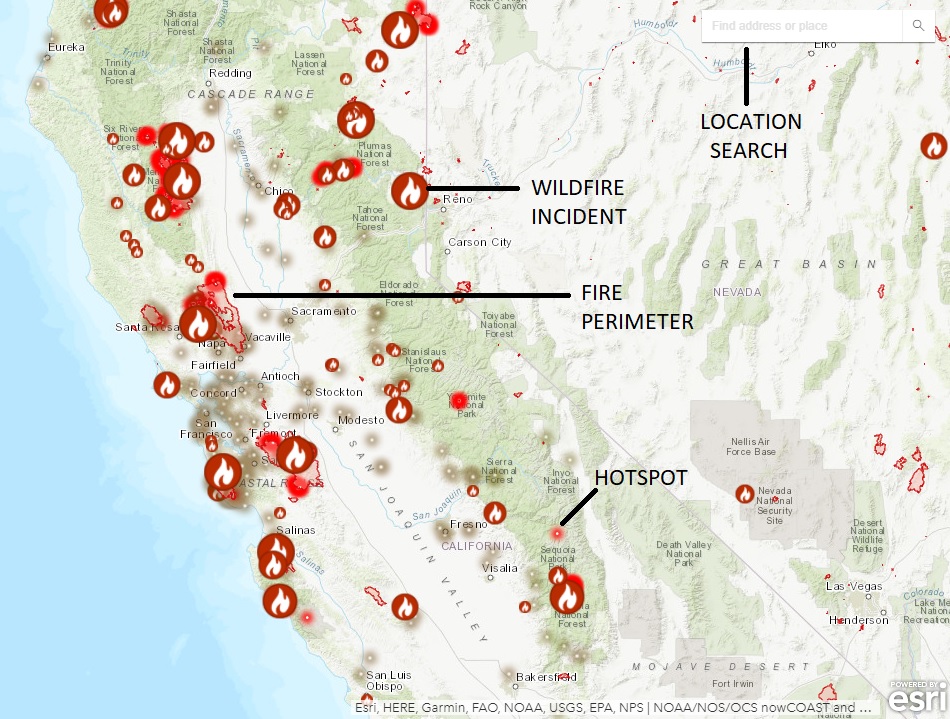
The primary source for official wildfire information is the California Department of Forestry and Fire Protection, also known as Cal Fire. Their website and social media channels are regularly updated with details on active incidents, including location, size, containment status, and evacuation orders. They often provide interactive maps that allow users to visualize fire perimeters and areas affected by smoke.
Another crucial agency is the U.S. Forest Service, which manages vast tracts of federal land, including national forests and national parks. Their regional offices and websites provide specific information about fires occurring within these protected areas. For instance, if a fire is reported in Yosemite National Park, the U.S. Forest Service would be a key source for updates.
Local fire departments and emergency management offices also play a vital role. In Los Angeles County, for example, the Los Angeles County Fire Department would be the primary source for information on fires within that jurisdiction. Similarly, in San Diego County, residents and visitors would turn to the San Diego Fire-Rescue Department for local fire alerts.
Online Resources and Mapping Tools
Beyond official agency websites, a wealth of online resources offer aggregated fire information. Websites like InciWeb, a national incident information system, provide comprehensive details on major wildfires across the United States, including California. Many news organizations also maintain dedicated wildfire tracking sections, often featuring interactive maps and the latest breaking news.
Satellite imagery and aerial reconnaissance provide valuable data for fire mapping. Services that analyze thermal anomalies can detect hotspots and track fire progression, offering a broader perspective on fire activity. These tools are invaluable for understanding the scale and potential trajectory of a fire, especially in remote areas. For travelers planning a trip to a specific region, checking these resources in the days and weeks leading up to their departure can help them make informed decisions about their travel plans, particularly if they intend to visit areas like Lake Tahoe or the Big Sur coastline.
Smoke Impact and Air Quality Alerts
Wildfires don’t just pose a direct threat; they also release significant amounts of smoke, which can impact air quality across vast distances. The U.S. Environmental Protection Agency (EPA), through its AirNow program, provides real-time air quality data and forecasts. This is crucial for understanding when smoke may affect outdoor activities, necessitate the use of N95 masks, or even lead to travel advisories. Poor air quality can affect anyone, but it is particularly dangerous for individuals with respiratory conditions like asthma. Planning outdoor activities, such as hiking in Joshua Tree National Park or visiting the beaches near Santa Monica, should always take current air quality conditions into account, especially during fire season.
Planning Your California Adventure Safely
The allure of California’s diverse destinations, from the bustling streets of San Francisco to the serene beauty of Big Sur, remains strong. However, when fires are active, responsible planning becomes essential.
Pre-Trip Research and Flexibility
Before embarking on any trip to California, it’s advisable to conduct thorough research into current fire conditions. Websites like Cal Fire and local news outlets are invaluable for this. Look for information on any active wildfires, their proximity to your planned destinations, and any evacuation orders or warnings that may be in place. If your itinerary includes areas like Napa Valley for wine tasting or exploring the national parks of Southern California, such as Sequoia National Park, knowing about potential fire impacts is crucial.
Flexibility in your travel plans is also key. If a fire poses a significant risk to your intended destination, be prepared to alter your itinerary. This might mean shifting your dates, choosing an alternative destination, or even postponing your trip. Many hotels and tour operators understand the unpredictable nature of wildfires and may offer flexible booking and cancellation policies. For instance, if your planned stay at the Fairmont San Francisco is impacted by severe smoke from a distant fire, you might look into accommodations in a less affected area.
Accommodation and Transportation Considerations
When booking accommodation, consider its location relative to any reported fires. While a hotel might seem perfectly fine at the time of booking, fire conditions can change rapidly. Reading recent reviews can sometimes offer insights into current conditions or any disruptions caused by smoke or evacuations. If you’re looking for a luxurious resort experience, consider the accessibility and potential evacuation routes of properties like the Ritz-Carlton Laguna Niguel.
Transportation can also be affected. Wildfires can lead to road closures, detours, and significant travel delays. Always check the California Department of Transportation (Caltrans) website for the latest road conditions and closures before setting out. This is particularly important if you plan to drive scenic routes like the Pacific Coast Highway or travel through mountainous regions. Air travel can also be impacted by smoke, leading to flight delays or cancellations due to reduced visibility.

Safety During Your Stay
If you are in an area with active wildfires, follow all instructions from local authorities and emergency personnel. Pay close attention to evacuation orders and be prepared to leave if necessary. Familiarize yourself with evacuation routes for your accommodation and surrounding areas. Keep your vehicle fueled and ready in case of an evacuation.
During periods of poor air quality due to smoke, limit outdoor activities. If you must be outdoors, consider wearing a respirator mask (e.g., an N95 mask) to protect your lungs. Keep windows and doors closed at your accommodation to prevent smoke from entering. If you have any respiratory health conditions, it’s wise to have a plan in place with your doctor for managing symptoms during smoky conditions. Even if your visit to Disneyland or a popular attraction like the Getty Center seems unaffected, the surrounding air quality might still be a concern.
By staying informed, planning ahead, and prioritizing safety, travelers can continue to experience the wonders of California while navigating the challenges posed by wildfires. The key is to be prepared, remain adaptable, and always heed the guidance of official sources to ensure a safe and enjoyable journey.