
For tech enthusiasts, architecture aficionados, or simply those curious about the heart of innovation, a visit to Apple’s headquarters in California is a truly unique experience. While the inner workings of the tech giant remain famously private, the public-facing elements offer a fascinating glimpse into the company’s visionary approach to design, technology, and sustainability. Situated in the bustling yet surprisingly green landscape of Silicon Valley, Apple has cemented its presence across multiple iconic campuses, each telling a part of its storied history. This guide delves into where Apple calls home, what visitors can explore, and how to make the most of a trip to this cradle of digital innovation, blending insights on travel, accommodation, and the vibrant lifestyle of the surrounding San Francisco Bay Area.
The Visionary Campus: Discovering Apple Park
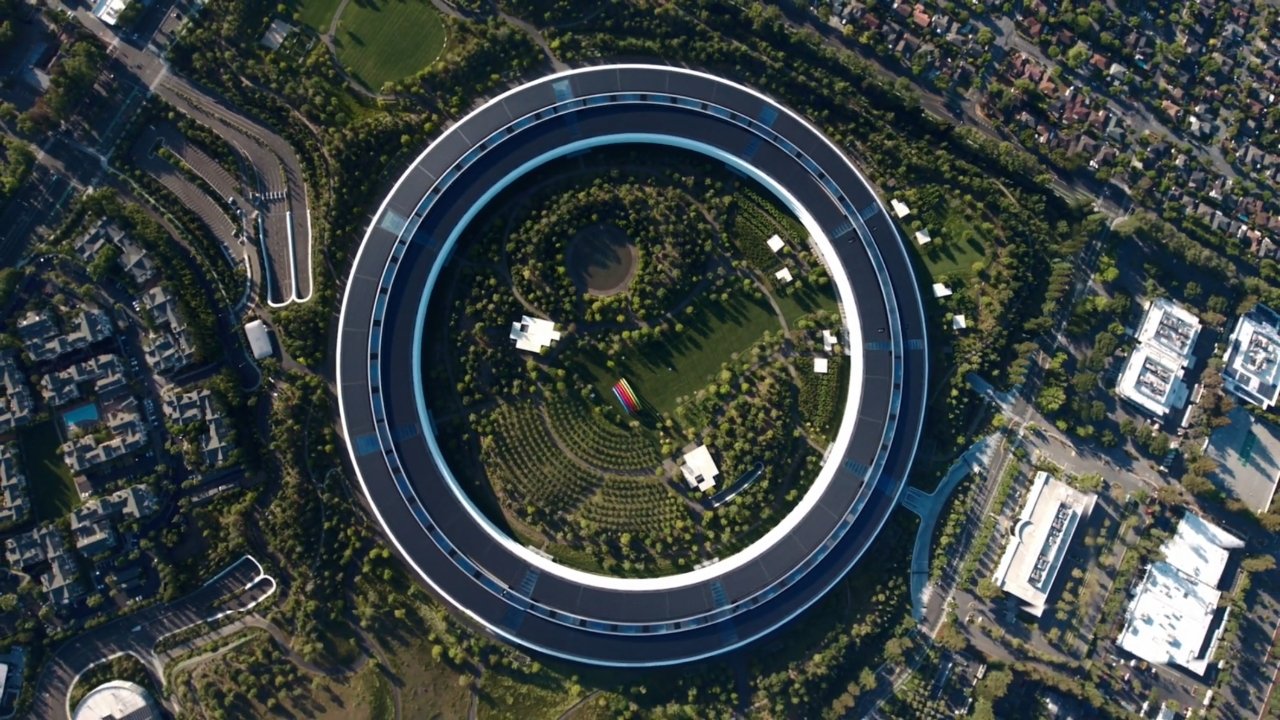
The crown jewel of Apple’s operational footprint is undoubtedly Apple Park. This futuristic campus, often described as a “spaceship” due to its colossal circular design, is located in Cupertino, a city nestled in Santa Clara County, California. Opened in 2017, Apple Park was the brainchild of co-founder Steve Jobs, who envisioned a campus that fostered collaboration and creativity, seamlessly integrated with nature. Its design, by Foster + Partners, embodies Apple’s minimalist aesthetic and dedication to environmental stewardship.
Cupertino: A Hub of Innovation
Cupertino, a relatively modest city by California standards, has become synonymous with Apple. It’s part of the larger Silicon Valley region, a global epicenter for high technology, innovation, and venture capital. While Cupertino itself doesn’t boast the sprawling tourist attractions of nearby San Francisco or San Jose, its significance as the home of Apple Park makes it a destination for those keen to witness where groundbreaking technology is conceived. The city offers a comfortable suburban environment, with a diverse culinary scene and access to excellent schools, reflecting the lifestyle of the tech professionals who reside there. For travelers, Cupertino serves as an ideal base for exploring not only Apple Park but also other tech landmarks and the natural beauty of the Santa Cruz Mountains to its west.
Architectural Marvel: The Spaceship Campus
The main building of Apple Park is an astonishing feat of architecture and engineering. Covering 2.8 million square feet and housing over 12,000 employees, it’s one of the largest office buildings in the world. The ring-shaped structure, entirely clad in custom-designed curved glass panels, encloses a lush central courtyard resembling a natural California orchard. This commitment to green space means over 80% of the site is open space, planted with drought-resistant trees and native vegetation. The campus operates entirely on renewable energy, utilizing a massive solar panel installation on its roof and fuel cells, making it one of the most energy-efficient buildings globally. While visitors cannot enter the main campus buildings (for obvious security and privacy reasons), the exterior alone is a sight to behold, a testament to Apple’s uncompromising design philosophy.
The Steve Jobs Theater and Environmental Design
Beyond the main ring, Apple Park also features the Steve Jobs Theater, an underground auditorium capped by a cylindrical glass pavilion with a metallic carbon-fiber roof. This is where Apple hosts its major product launches and special events, captivating a global audience with its reveal of the latest innovations. The theater, like the rest of the campus, embodies elegance and advanced engineering, reflecting Steve Jobs’s vision for a minimalist, integrated environment. The entire Apple Park project also rehabilitated a former asphalt parking lot, transforming it into a vibrant landscape of thousands of trees, including apricot, olive, and apple trees, reflecting a profound commitment to environmental regeneration.
A Glimpse Inside: The Apple Park Visitor Center
For those eager to experience a slice of Apple Park, the Apple Park Visitor Center offers the perfect opportunity. Located at 10600 N. Tantau Ave, just a stone’s throw from the main campus, this sleek, standalone structure is the only part of Apple Park accessible to the public. It’s a thoughtfully designed space that encapsulates the Apple brand experience, blending a retail Apple Store, an exhibition area, a café, and a rooftop terrace.
What to Expect: AR Experiences and the Apple Store
Upon entering the Apple Park Visitor Center, guests are greeted by a striking architectural space, characterized by the brand’s signature clean lines and expansive glass. The highlight of the visit for many is the augmented reality (AR) experience. Visitors can use loaned iPads to explore a detailed 3D model of Apple Park right on a large tabletop, peeling back layers to reveal the campus’s various departments, energy systems, and landscaping. It’s an interactive and educational way to understand the scale and intricate design of the “spaceship.”
Adjacent to the AR exhibit is a dedicated Apple Store. Unlike standard Apple Stores, this one offers exclusive Apple Park branded merchandise, including t-shirts, hats, and souvenirs that can only be purchased here. It’s a popular spot for fans to pick up a unique memento of their visit, alongside the full range of Apple products. The store itself is a design marvel, with soaring ceilings and meticulously arranged displays, mirroring the aesthetics of its parent campus.
Coffee and Views: The Café and Rooftop Terrace
After browsing the store and engaging with the AR experience, visitors can unwind at the café within the Apple Park Visitor Center. Offering a selection of coffee, tea, pastries, and light snacks, it’s a pleasant spot to relax. However, the real draw is the expansive rooftop terrace. Accessible via an elegant staircase, the terrace provides panoramic views of Apple Park’s main building. From this vantage point, you can truly appreciate the immense scale of the circular structure, the verdant inner courtyard, and the meticulous landscaping that surrounds it. It’s an iconic photo opportunity and a moment to reflect on the innovation unfolding just beyond the visible perimeter. This public access point makes a trip to Cupertino worthwhile for anyone interested in modern architecture and the legacy of one of the world’s most influential companies.
Beyond Apple Park: The Legacy of Infinite Loop
While Apple Park represents Apple’s future, its historic headquarters at Infinite Loop remains an important part of its identity and operations. Located just a few miles from Apple Park, also in Cupertino, the Infinite Loop campus served as Apple’s primary headquarters for over two decades.
The Birthplace of Innovation
The Infinite Loop campus, identifiable by its address 1 Infinite Loop, was where many of Apple’s most iconic products — from the original iMac to the iPod, iPhone, and iPad — were conceived, designed, and brought to life. It was here that Steve Jobs made his triumphant return to the company and ushered in an era of unprecedented growth and product innovation that reshaped the technology landscape. The campus consists of six interconnected buildings forming a loop, designed to encourage interaction and collaboration among employees. For many long-time Apple fans, Infinite Loop holds a nostalgic reverence as the birthplace of the modern tech era.
Still a Strategic Apple Presence
Even with the grand opening of Apple Park, the Infinite Loop campus has not been abandoned. It continues to house a significant number of Apple employees and remains an active and strategic part of the company’s operations. While there isn’t a dedicated visitor center like at Apple Park, the campus does feature an Apple Store that, for many years, was the only one on an Apple campus and sold exclusive merchandise. Today, it still offers a unique retail experience, although the Apple Park Visitor Center now holds the distinction for most exclusive merchandise. Driving past Infinite Loop offers a sense of history, a physical link to Apple’s transformative journey from a garage startup to a global powerhouse.
Planning Your Visit: Travel and Accommodation in Silicon Valley
A trip to Apple’s headquarters is more than just a quick stop; it’s an opportunity to immerse yourself in the vibrant ecosystem of Silicon Valley and the broader San Francisco Bay Area. Planning your travel and accommodation strategically will enhance your experience, whether you’re on a business trip, a family vacation, or a solo adventure.
Getting There: San Francisco International Airport and San Jose International Airport
For international and domestic travelers, the primary gateways to Silicon Valley are San Francisco International Airport (SFO) and Norman Y. Mineta San Jose International Airport (SJC).
- San Jose International Airport (SJC) is the closest, located just a short 15-20 minute drive from Cupertino. It offers a more convenient option for direct access to the heart of Silicon Valley and often has less traffic.
- San Francisco International Airport (SFO) is about a 45-minute to an hour drive north of Cupertino (without heavy traffic). SFO is a larger international hub with more flight options but requires navigating more congested freeways, especially during peak hours.
- Oakland International Airport (OAK) is another option across the bay, roughly an hour’s drive, but might be less direct for Cupertino visitors unless you have other plans in the East Bay area.
Rental cars are highly recommended for exploring Silicon Valley at your own pace, as public transportation options can be limited and less efficient for covering distances between various tech campuses and attractions. Ride-sharing services like Uber and Lyft are also widely available.

Where to Stay: Hotels and Resorts in Cupertino and Surrounding Areas
Silicon Valley offers a wide range of accommodation options, from luxury resorts to budget-friendly hotels and long-term stay apartments, catering to both business travelers and tourists.
- Cupertino and San Jose: Staying directly in Cupertino or nearby San Jose provides the quickest access to Apple Park. Options include modern business hotels like the Hilton Garden Inn Cupertino, Homewood Suites by Hilton San Jose Airport-Silicon Valley, or more boutique offerings. For those seeking luxury, the Rosewood Sand Hill in Menlo Park offers an exclusive experience, albeit a bit further afield.
- Palo Alto and Mountain View: These cities are home to other tech giants and Stanford University, offering vibrant downtown areas with diverse dining and shopping. Hotels here, such as The Clement Hotel Palo Alto or Shashi Hotel Mountain View, are popular for their amenities and proximity to other tech campuses.
- San Francisco: If you plan to combine your tech tour with classic San Francisco sightseeing (like the Golden Gate Bridge, Alcatraz Island, or Fisherman’s Wharf), you could opt to stay in the city and commute south for your Silicon Valley excursions. However, be prepared for longer travel times, especially during rush hour.
Booking in advance is always recommended, particularly during tech conferences or major events, as accommodation can fill up quickly and prices can fluctuate.
Exploring Silicon Valley and Beyond
Beyond Apple Park, Silicon Valley offers a multitude of attractions for the curious traveler.
- Tech Tourism: Visit the Computer History Museum in Mountain View for a deep dive into computing history, or the Intel Museum in Santa Clara for a look inside chip manufacturing. Drive by the Googleplex in Mountain View or Facebook’s headquarters in Menlo Park to witness other iconic tech campuses.
- Educational Landmarks: Stanford University in Palo Alto is a stunning campus with beautiful architecture, museums, and a rich history, open for visitors to explore.
- Natural Beauty: The region is blessed with diverse landscapes. Enjoy hiking in the Santa Cruz Mountains, explore the scenic coastal towns of Monterey and Carmel-by-the-Sea to the south, or take a day trip to the renowned wine regions of Napa Valley or Sonoma Valley to the north.
The Silicon Valley Lifestyle: Beyond Tech Tourism
The Silicon Valley lifestyle is a unique blend of high-octane innovation, multiculturalism, and a strong appreciation for the outdoors. While tech is the undeniable pulse of the region, there’s a rich tapestry of experiences awaiting visitors beyond the corporate campuses.
Culinary Delights and Local Culture
The diverse population drawn to Silicon Valley has created an incredibly vibrant and varied culinary scene. From Michelin-starred fine dining establishments to authentic ethnic eateries and trendy farm-to-table restaurants, there’s something to satisfy every palate. Cities like Palo Alto, Mountain View, and San Jose boast bustling downtowns filled with cafes, bars, and restaurants. Food trucks are also a popular and delicious staple, especially around tech campuses. Explore local farmers’ markets for fresh California produce, or dive into the bustling Asian food scene, particularly in areas like San Jose and Milpitas. The local culture is an interesting mix of laid-back California attitudes and an intense drive for innovation, creating a dynamic environment that’s both intellectual and relaxed.
Outdoor Adventures and Natural Beauty
Despite its urban and technological reputation, Silicon Valley is surrounded by stunning natural landscapes offering ample opportunities for outdoor adventure. The proximity to the Pacific Ocean means easy access to beautiful beaches, coastal trails, and charming seaside towns. The Santa Cruz Mountains provide a lush backdrop for hiking, mountain biking, and exploring redwood forests. Numerous regional parks and open space preserves, such as the Rancho San Antonio Preserve near Cupertino, offer miles of trails, wildlife viewing, and peaceful retreats from the tech buzz. For golf enthusiasts, there are several top-tier courses throughout the valley. Whether you’re seeking a challenging hike, a scenic drive, or a leisurely stroll through a park, the Silicon Valley area delivers a refreshing balance to its high-tech identity.
In conclusion, Apple’s headquarters in Cupertino, California, are more than just office buildings; they are landmarks of innovation and architectural marvels. A visit to the Apple Park Visitor Center offers a unique insight into the company’s ethos, while the surrounding Silicon Valley and San Francisco Bay Area provide a wealth of travel, accommodation, tourism, and lifestyle experiences. Whether you’re a devoted Apple fan or simply curious about the epicenter of global technology, this region promises an unforgettable journey into the future, grounded in the stunning beauty of California.