
For anyone looking to dial into the vibrant heart of Florida, encountering the area code 305 instantly places them in one of the state’s most iconic and dynamic regions: Miami and the broader Miami-Dade County. More than just a simple identifier for a telephone number, the 305 area code is synonymous with a lifestyle, a cultural melting pot, and a world-class destination that draws millions of visitors each year. It encapsulates everything from sun-drenched beaches and bustling urban centers to lush natural parks and an electrifying nightlife. This article will delve into the geographical boundaries of the 305, explore the rich tapestry of experiences it offers, guide you through accommodation options, and provide essential tips for planning your unforgettable journey to this unique corner of the Sunshine State.

The Geographic Footprint of 305: More Than Just a Number
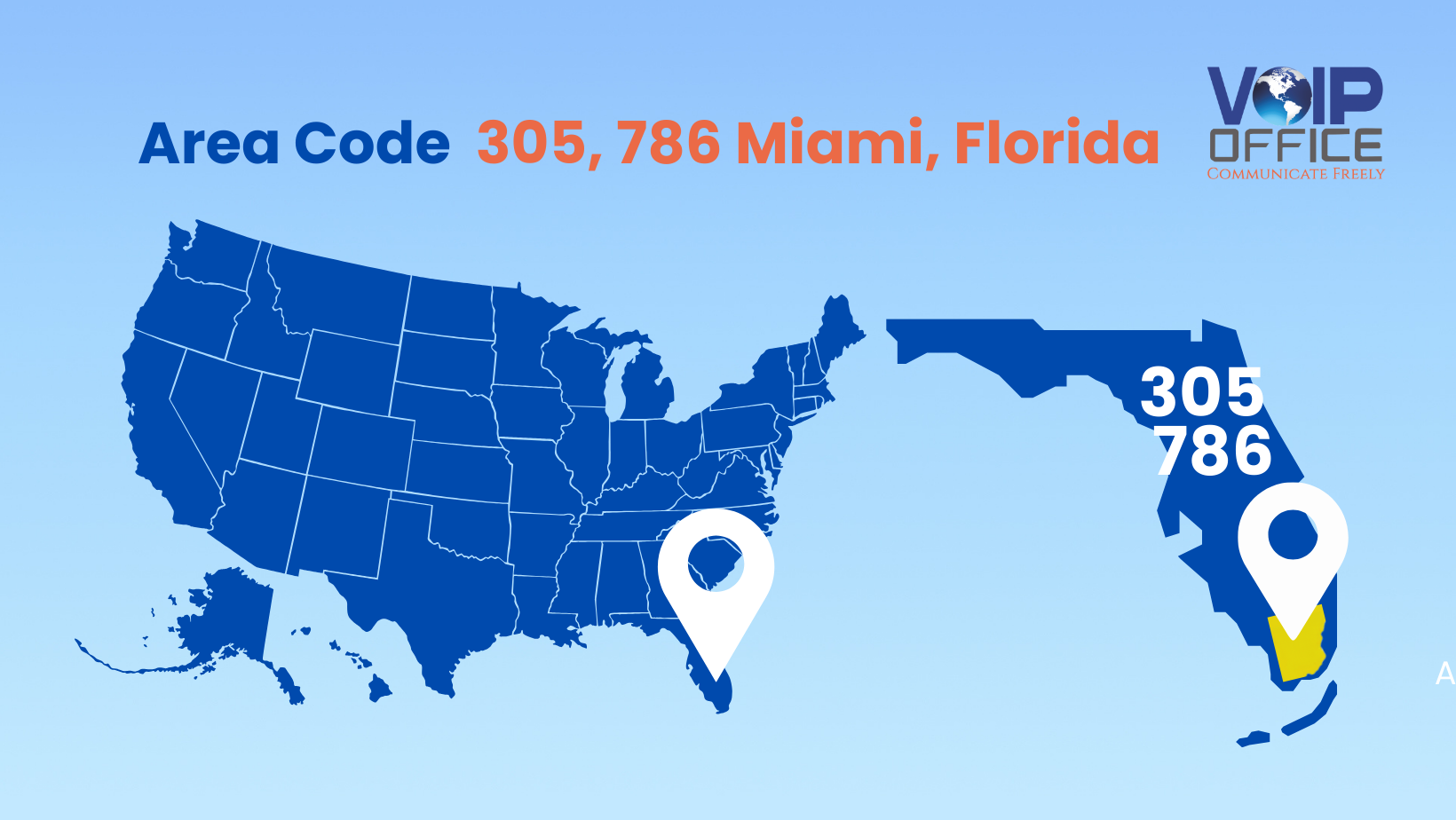
The 305 area code predominantly serves the metropolitan area of Miami, making it the primary identifier for residents and businesses within Miami-Dade County. Established in 1947, 305 was one of the original area codes for Florida, initially covering the entire southern part of the state before subsequent splits led to the creation of new area codes like 407, 561, 772, and 954 for other regions. Today, its territory is primarily focused on the southernmost tip of Florida mainland and its adjacent islands.
Key cities and communities nestled within the 305 boundary include:
- Miami: The economic and cultural hub, home to a stunning skyline, diverse neighborhoods, and a thriving arts scene.
- Miami Beach: Famous for its Art Deco Historic District, pristine beaches, and vibrant nightlife, particularly South Beach.
- Coral Gables: Known for its elegant Mediterranean Revival architecture, tree-lined streets, and historic landmarks like the Biltmore Hotel and the Venetian Pool.
- South Miami: A charming city with a small-town feel, offering unique boutiques, local restaurants, and lush green spaces.
- North Miami: A diverse community with a rich history, close to natural attractions like Oleta River State Park.
- Key Biscayne: An exclusive island community offering beautiful beaches, a lighthouse, and peaceful parks like Bill Baggs Cape Florida State Park.
- Homestead: A gateway to the Everglades and Biscayne National Park, offering a more rural Florida experience with its agricultural roots.
Due to the rapid population growth and increasing demand for telephone numbers in the region, an overlay area code, 786, was introduced in 1998. This means that both 305 and 786 serve the exact same geographic area. When making calls within this region, callers are required to dial all ten digits, including the area code, regardless of whether it’s 305 or 786. This system ensures a continuous supply of new numbers without splitting the existing geographical boundaries. The 305, however, holds a certain nostalgic and cultural cachet, often referenced in music, art, and local parlance as a symbol of Miami’s distinct identity.
Discovering the 305 Lifestyle: A Hub of Travel and Tourism
The area covered by 305 is a veritable playground for travelers, a melting pot of cultures, and a testament to Florida’s allure as a top global destination. The lifestyle here is characterized by its vibrant energy, diverse population, and a constant embrace of the outdoors, whether it’s lounging on the beach or exploring tropical wilderness.
Iconic Destinations and Must-Visit Attractions
Miami offers an astonishing array of attractions, catering to every interest:
- Beaches: The quintessential Miami experience begins on its world-renowned beaches. South Beach is perhaps the most famous, with its pastel-colored Art Deco buildings, lively atmosphere, and pristine sands. Other beautiful options include Haulover Beach (a popular clothing-optional spot) and the family-friendly shores of Crandon Park on Key Biscayne.
- Cultural Neighborhoods:
- Little Havana: Step into this vibrant Cuban enclave along Calle Ocho, where the aroma of cigars and Cuban coffee fills the air, and the sounds of salsa music spill from open doorways. Watch elderly men play dominoes at Maximo Gomez Park, browse local art galleries, and savor authentic Cuban cuisine.
- Wynwood Walls: An outdoor street art museum that has transformed an industrial district into a dynamic canvas for graffiti and mural artists from around the globe. This area is a vibrant hub for art, fashion, and innovative dining.
- Design District: A sophisticated neighborhood dedicated to innovative fashion, architecture, design, and art. It features high-end boutiques, art galleries, and impressive public art installations.
- Museums and Gardens:
- Vizcaya Museum & Gardens: A stunning National Historic Landmark, this European-inspired estate offers breathtaking Italianate gardens, antique furnishings, and an incredible glimpse into Miami’s Gilded Age.
- Pérez Art Museum Miami (PAMM): Located in Museum Park, PAMM showcases international art of the 20th and 21st centuries, with a focus on Miami’s diverse community and geographic location. Its hanging gardens and waterfront views are an attraction in themselves.
- Phillip and Patricia Frost Museum of Science: Also in Museum Park, this cutting-edge museum features a planetarium, an aquarium, and interactive exhibits that explore science, technology, engineering, and math.
- Nature and Wildlife:
- Biscayne National Park: Over 95% underwater, this park protects a unique combination of coral reefs, islands, and the longest stretch of mangrove forest on Florida’s east coast. Ideal for boating, snorkeling, diving, and kayaking.
- Everglades National Park: A vast wetland ecosystem, the Everglades is home to alligators, crocodiles, manatees, and a myriad of bird species. Airboat tours offer an exhilarating way to experience this unique wilderness.
- Fairchild Tropical Botanic Garden: A sprawling tropical botanical garden that hosts an extensive collection of rare tropical plants, trees, and palms from around the world.
Culinary Delights and Vibrant Nightlife
The 305 is a foodie’s paradise, boasting a culinary scene as diverse as its population. From high-end dining experiences to casual street food, there’s something to satisfy every palate. Cuban cuisine is, of course, a staple, with iconic dishes like Ropa Vieja, Medianoche sandwiches, and strong, sweet Cuban coffee readily available throughout Little Havana and beyond. The influence of Latin America, the Caribbean, and Europe creates a rich fusion of flavors. Fresh seafood is abundant, and the farm-to-table movement is gaining traction in various eateries across the city. Neighborhoods like Brickell and Wynwood are hotbeds for innovative restaurants and trendy cafes.
When the sun sets, the 305 truly comes alive. Miami’s nightlife is legendary, especially in South Beach, where world-famous clubs and bars host top DJs and draw an international crowd. Beyond the thumping bass, options range from sophisticated rooftop lounges in Brickell offering panoramic city views to live music venues in Little Havana where you can dance salsa and merengue. Coconut Grove offers a more laid-back yet lively atmosphere with its array of bars and restaurants. Whether you’re seeking an all-night dance party or a quiet cocktail under the stars, the 305 delivers.

Accommodating Your Stay: Hotels and Resorts in the 305
As a premier travel destination, the 305 area code offers an unparalleled selection of accommodation options, catering to every style of traveler, from those seeking ultimate luxury to families on a budget, and even those interested in long-term stays. The hotel landscape here is as diverse as Miami itself, with options ranging from iconic grand resorts to intimate boutique hotels, modern apartment-style accommodations, and charming villas.
Luxury Escapes and Boutique Stays
For travelers seeking an opulent experience, Miami and Miami Beach boast some of the most exclusive and luxurious hotels in the world. These establishments often come with world-class amenities, including private beach access, infinity pools, celebrity-chef restaurants, full-service spas, and personalized concierge services.
- Faena Hotel Miami Beach: A stunning property known for its bold design, an extravagant art collection (including a golden mammoth skeleton), and a vibrant cultural program that includes cabaret shows. It offers a truly immersive luxury experience.
- The Setai Miami Beach: An Asian-inspired oasis of tranquility amidst the bustling energy of South Beach. It features three stunning pools, a private beach, and impeccable service.
- Fontainebleau Miami Beach: An iconic landmark famous for its grand architecture, sprawling poolscape, and legendary nightlife. This resort offers a mix of classic glamor and modern amenities.
- Four Seasons Hotel Miami: Located in Brickell, this hotel offers sophisticated urban luxury with stunning bay views, an expansive pool terrace, and exceptional dining.
- The Miami Beach EDITION: Blending timeless design with modern amenities, this hotel features a private beach, multiple pools, an ice-skating rink, and a bowling alley, all under one roof.
Beyond the grand resorts, Miami is also home to an impressive collection of boutique hotels. These offer a more intimate and personalized experience, often with unique design themes, locally inspired décor, and a focus on curating a distinctive ambiance. Many can be found in the Art Deco Historic District of South Beach, in the bohemian charm of Coconut Grove, or in the artsy enclaves of Mid-Beach.
Family-Friendly Options and Budget-Conscious Choices
Traveling with family to the 305 area code is made easy by the abundance of resorts and hotels equipped with kid-friendly amenities. Many larger resorts on Miami Beach and in Sunny Isles Beach offer expansive pool complexes with water slides, kids’ clubs, organized activities, and spacious suites or connecting rooms to accommodate families of all sizes. Properties like the Loews Miami Beach Hotel or the Hyatt Regency Miami (downtown) are often praised for their family offerings.
For those looking to explore Miami without breaking the bank, there are numerous budget-friendly accommodation options, particularly away from the immediate beachfront areas. Hotels in downtown Miami, Brickell, or near the airport often provide good value. Additionally, the rise of vacation rentals and apartment-style hotels has opened up more choices for travelers. These can be particularly cost-effective for longer stays or for groups, offering kitchen facilities and more living space than a traditional hotel room. Websites allow for easy comparison and booking, ensuring you find the perfect fit for your needs and budget. Hostels are also available, especially in South Beach, providing a lively and affordable option for solo travelers or backpackers.
Whether you’re planning a luxurious romantic getaway, an action-packed family vacation, or an extended stay for business or leisure, the 305 area has a diverse portfolio of accommodations designed to enhance your travel experience and provide a comfortable base for exploring all that Miami has to offer.
Planning Your 305 Adventure: Practical Tips for Travelers
To make the most of your visit to the vibrant 305 area, a little planning goes a long way. This region is diverse, and understanding its nuances can greatly enhance your travel experience.
- Best Time to Visit: The peak tourist season in Miami is typically from November to May when the weather is warm, sunny, and relatively dry, with pleasant temperatures ranging from the low 70s to low 80s Fahrenheit (21-27°C). This is ideal for beach activities, outdoor dining, and exploring. Summer months (June to September) are hot and humid, with frequent afternoon thunderstorms and the possibility of hurricanes. However, fewer crowds and lower prices can make it an attractive option for budget travelers, particularly if you plan indoor activities and have flexible travel insurance.
- Getting Around: Miami is a sprawling city, and while certain areas like South Beach and downtown are walkable, having a transportation strategy is crucial.
- Rental Cars: Renting a car offers the most flexibility, especially if you plan to visit attractions further afield like the Everglades or Key West. However, traffic can be heavy, and parking in popular areas can be expensive or challenging.
- Public Transportation: Miami-Dade Transit operates the Metrorail (an elevated rail system), Metrobus (bus service), and the free Miami Metromover (a downtown automated people mover). The Metromover is excellent for navigating Downtown Miami and Brickell. Buses connect most parts of the county, including Miami Beach.
- Rideshares & Taxis: Services like Uber and Lyft are widely available and often convenient for getting around, especially at night. Taxis are also plentiful in tourist areas.
- Bike Rentals: In areas like South Beach and Key Biscayne, bike rentals are a fantastic way to explore the scenic routes and enjoy the ocean breeze.
- Embrace the Local Culture: Miami’s rich cultural tapestry is one of its greatest assets. Take time to explore different neighborhoods, sample diverse cuisines, and engage with locals. Learning a few basic Spanish phrases can be helpful, though English is widely spoken. Attend a festival, catch live Latin music, or simply observe daily life in places like Little Havana to truly immerse yourself.
- Stay Hydrated and Sun Safe: The Florida sun is intense. Drink plenty of water, especially if you’re spending time outdoors. Always use high-SPF sunscreen, wear a hat, and seek shade during the hottest parts of the day to prevent sunburn and heat exhaustion.
- Budgeting: Miami can be an expensive city, but it also offers options for various budgets. Plan your expenses for accommodation, dining, and activities in advance. Look for happy hour specials, free attractions like the Metromover or walking the beaches, and consider buying an attraction pass if you plan to visit multiple paid sites.
- Safety Tips: Like any major city, it’s wise to be aware of your surroundings. Store valuables securely, avoid walking alone in poorly lit areas at night, and be cautious with your belongings in crowded tourist spots. Rely on reputable transportation services.
By keeping these practical tips in mind, your journey through the 305 area code promises to be a seamless and enriching experience, allowing you to fully appreciate the unique charm and vibrant energy that define Miami and its surrounding communities.
The area code 305 is far more than just a sequence of numbers; it’s a geographic and cultural marker for a region that pulsates with life, diversity, and endless opportunities for exploration. From the dazzling shores of Miami Beach to the historic charm of Coral Gables and the wild beauty of the Everglades, the 305 encompasses a world-class travel destination. Whether you’re drawn by the allure of luxury hotels, the taste of international cuisine, the rhythm of Latin music, or the tranquility of tropical gardens, the Miami area offers a spectrum of experiences designed to captivate and inspire. So, next time you see “305,” know that it’s your gateway to an unforgettable Florida adventure.
LifeOutOfTheBox is a participant in the Amazon Services LLC Associates Program, an affiliate advertising program designed to provide a means for sites to earn advertising fees by advertising and linking to Amazon.com. Amazon, the Amazon logo, AmazonSupply, and the AmazonSupply logo are trademarks of Amazon.com, Inc. or its affiliates. As an Amazon Associate we earn affiliate commissions from qualifying purchases.