
The United States is a vast nation, a patchwork of diverse landscapes, cultures, and climates, and within its southwestern reaches lies Arizona, a state that encapsulates an extraordinary blend of natural grandeur, rich history, and vibrant modern life. Often envisioned solely as a scorching desert, Arizona is, in reality, a geographically multifaceted wonderland, offering everything from arid desert floors to snow-capped mountain peaks. For anyone pondering a visit, understanding its precise location and the characteristics that define it is the first step towards unlocking an unforgettable travel experience.
This guide delves into Arizona’s geographical context, its iconic landmarks, the rich tapestry of its culture, and the myriad of lifestyle and accommodation options that await travelers. Whether you’re drawn by the allure of adventure, the promise of relaxation, or a deep dive into history, Arizona’s unique position in the United States positions it as a premier destination for every type of explorer.
Unveiling the Grandeur: Arizona’s Geographic Placement and Climate
To truly appreciate Arizona, one must first grasp its location within the larger framework of the United States and how this dictates its famously diverse climate.
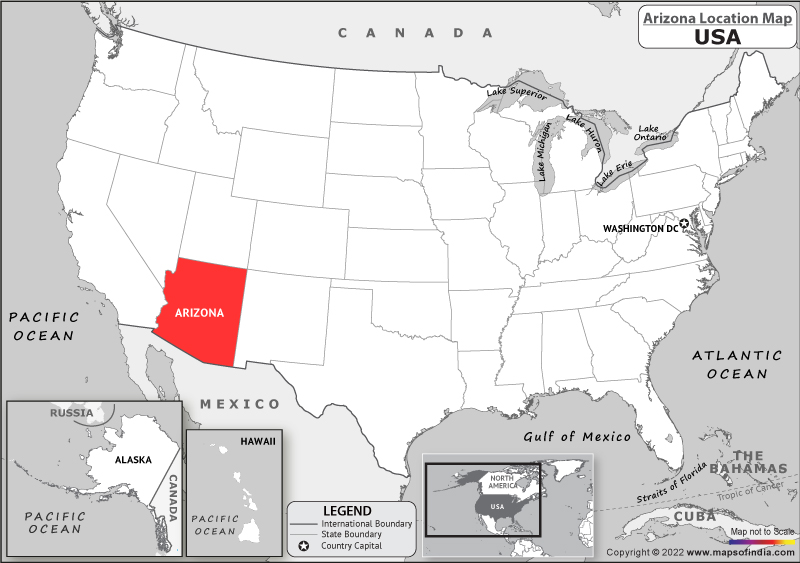
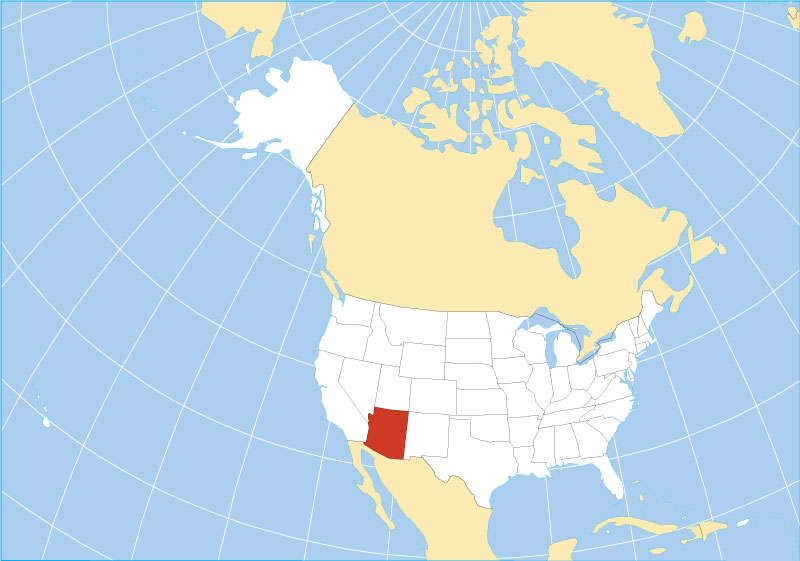
A Southwestern Gem: Positioning Arizona on the Map
Arizona proudly holds its place in the Southwest region of the United States. It shares its borders with several other states, creating a nexus of interconnected regional travel possibilities. To its west lies California and Nevada, with the mighty Colorado River forming much of this western boundary, particularly along the popular vacation spots near Lake Havasu City and Hoover Dam on Lake Mead. To the north, Arizona borders Utah, a state known for its own dramatic red rock landscapes, while to its east are New Mexico and a sliver of Colorado at the famous Four Corners Monument, the only place in the United States where four states meet.
Perhaps most notably, Arizona shares an international border with Mexico to its south, influencing much of its cultural tapestry, cuisine, and history. Major border cities like Nogales serve as significant gateways. This strategic location makes Arizona a fantastic starting point for exploring the wider Southwest or even venturing further south into Mexico.
The state’s capital and largest city, Phoenix, is situated in the central part of the state, serving as a major hub for travel and commerce. Other prominent cities like Tucson are located further south, while popular northern destinations like Flagstaff provide access to the mountainous regions and the Grand Canyon.
Climate Diversity: From Desert Heat to Mountain Chill
While many associate Arizona with blistering heat, its climate is remarkably diverse, a direct consequence of its varied topography. The state is broadly divided into three major physiographic regions: the Colorado Plateau in the north, the Transition Zone in the center, and the Basin and Range Province in the south.
The southern and western parts of the state, including Phoenix and Tucson, are dominated by the Sonoran Desert and parts of the Mojave Desert. Here, summers are indeed hot, with temperatures frequently soaring above 100°F (38°C). However, these regions boast mild, sunny winters, making them prime destinations for escaping colder climates elsewhere. Spring and fall offer pleasant, warm weather ideal for outdoor activities.
As you ascend into the central and northern parts of the state, the elevation increases dramatically. Cities like Flagstaff, situated at over 7,000 feet (2,100 meters), experience four distinct seasons, including significant snowfall in winter. This mountainous region offers a stark contrast to the deserts, with lush Ponderosa pine forests, cooler temperatures, and opportunities for winter sports.
This climatic diversity means that travelers can choose their ideal Arizona experience based on the time of year and their preferred activities. Desert hikes are perfect in winter, while summer might call for a retreat to the cooler northern mountains or a refreshing dip in one of the state’s many pools and lakes.

Arizona’s Iconic Landmarks and Natural Wonders
The landscape of Arizona is a masterpiece of natural forces, sculpted over millennia into breathtaking formations that draw visitors from around the globe. These landmarks are not just sights to behold but gateways to profound experiences in nature and history.
The Majestic Grand Canyon: A World Heritage Site
Undoubtedly, the crown jewel of Arizona is the Grand Canyon, a colossal chasm carved by the Colorado River over millions of years. This UNESCO World Heritage Site stretches for 277 miles (446 km), is up to 18 miles (29 km) wide, and plunges over a mile (1.8 km) deep. Its sheer scale and the vibrant hues of its stratified rock layers create a panorama that defies description and must be witnessed firsthand.
Visitors typically explore the Grand Canyon from its South Rim, which is open year-round and offers numerous viewpoints, hiking trails, and visitor services. Popular activities include scenic drives, helicopter tours providing unparalleled aerial views, and for the adventurous, multi-day rafting trips down the Colorado River through the canyon. The lesser-visited North Rim offers a different perspective, with higher elevations and cooler temperatures, but is typically closed during winter months. A visit to the Grand Canyon is more than just sightseeing; it’s a humbling encounter with the raw power of nature and an experience that stays with you long after you’ve left its precipitous edges.
Beyond the Canyon: Diverse Landscapes and Geological Marvels
While the Grand Canyon is singularly famous, Arizona is replete with other natural wonders that captivate and inspire.
The town of Sedona, nestled amidst towering red rock formations, is renowned for its stunning beauty, spiritual vortexes, and vibrant arts scene. Its unique energy draws visitors seeking relaxation, hiking, and holistic wellness. The landscape around Sedona is a playground for outdoor enthusiasts, with countless trails winding through its distinctive geological features.
Further north, on the Navajo Nation reservation, lies Monument Valley, an iconic landscape of sandstone buttes, mesas, and spires that have become synonymous with the American Old West through countless films. Visitors can drive the scenic loop or take guided tours with Navajo guides to learn about the rich cultural history of the area.
Other remarkable geological sites include Antelope Canyon, a stunning slot canyon near Page famous for its wave-like rock formations and beams of light that penetrate its depths, and Horseshoe Bend, a dramatic horseshoe-shaped meander of the Colorado River also near Page. Both offer incredible photographic opportunities and an immersive experience in Arizona’s unique geology.
For those interested in ancient history and geology, Petrified Forest National Park showcases fossilized trees from the Triassic period, alongside a vivid landscape known as the Painted Desert. In southern Arizona, Saguaro National Park protects vast forests of the iconic Saguaro cactus, the largest cactus in the United States and a symbol of the American Southwest. Each of these destinations offers a unique glimpse into the natural majesty that defines Arizona and reinforces its status as a must-visit location for lovers of nature and adventure.
Experiencing Arizona: Culture, Cuisine, and Activities
Arizona is more than just its landscapes; it’s a living, breathing tapestry of cultures, flavors, and activities that promise a rich and engaging travel experience.
A Tapestry of Cultures: Native American Heritage and Western Spirit
The cultural identity of Arizona is profoundly shaped by its deep Native American roots and its vibrant Old West history. The state is home to 22 federally recognized tribes, including the Navajo, Hopi, and Apache Nations, whose ancestral lands cover significant portions of the state. Visitors have opportunities to learn about their rich histories, art, and traditions through museums like the Heard Museum in Phoenix, cultural centers, and tribal parks such as Monument Valley and the Havasupai Indian Reservation which is home to the famous Havasu Falls.
The influence of Spanish explorers and missionaries, particularly evident in southern Arizona, adds another layer to this cultural mosaic. Historic sites like Mission San Xavier del Bac near Tucson stand as testaments to this colonial past, showcasing stunning architecture and a enduring spiritual legacy.
The cowboy culture of the Old West also remains a strong presence, particularly in towns like Prescott and Wickenburg, and even in modernized cities like Scottsdale’s Old Town Scottsdale district. Rodeos, dude ranches, and saloons are reminders of this rugged heritage, offering a glimpse into a bygone era while still providing contemporary entertainment.
Culinary Delights: Savoring the Flavors of the Southwest
Arizona’s cuisine is a delicious fusion of Native American, Mexican, and Old West influences, creating a distinctive Southwestern flavor profile. Expect to find authentic Mexican dishes, from sizzling fajitas and savory enchiladas to gourmet tacos, often elevated with locally sourced ingredients and a modern twist. Tucson, in particular, has been recognized as a UNESCO City of Gastronomy, celebrating its rich culinary heritage.
Beyond Mexican cuisine, Arizona offers unique specialties like the Sonoran hot dog, a bacon-wrapped hot dog topped with pinto beans, onions, tomatoes, and various sauces. Native American fry bread and dishes featuring local ingredients like prickly pear cactus, chiltepin peppers, and mesquite flour are also popular. From upscale dining establishments in Scottsdale to casual food trucks in Phoenix and cozy cafes in Sedona, Arizona’s food scene is as diverse and exciting as its landscapes.
Adventure Awaits: Outdoor Pursuits and Urban Explorations
Arizona’s varied geography makes it an outdoor enthusiast’s paradise. Hiking is paramount, with trails ranging from easy desert strolls in Papago Park or Sabino Canyon to challenging climbs up Camelback Mountain or multi-day treks into the Grand Canyon. Mountain biking, rock climbing, and canyoneering are also popular, especially in the red rocks of Sedona and the mountains around Flagstaff. Water sports abound on the Colorado River and the state’s many lakes, including kayaking, paddleboarding, and fishing. For golf aficionados, Arizona boasts world-class golf courses, especially in the Phoenix and Scottsdale areas, many of which host professional tournaments.
Beyond the wilderness, Arizona’s cities offer a different kind of adventure. Phoenix, a sprawling metropolis, is home to a vibrant arts scene, world-class museums like the Musical Instrument Museum, and bustling entertainment districts. Neighboring Scottsdale is known for its luxury shopping, upscale dining, and lively nightlife. Tucson, with its rich history, offers a more laid-back charm, featuring historic neighborhoods, unique boutiques, and attractions like the Pima Air & Space Museum and Biosphere 2. Even smaller historic towns like Jerome and Bisbee offer distinct experiences, with their mining histories and artistic communities providing fascinating insights into Arizona’s past. For baseball fans, the Cactus League spring training in March draws crowds to various stadiums across Phoenix’s metropolitan area, including cities like Glendale, Mesa, and Tempe.
Accommodation and Travel Lifestyle in the Copper State
With its diverse attractions and landscapes, Arizona offers an equally diverse range of accommodation and travel styles to suit every preference and budget.
Where to Stay: From Luxury Resorts to Cozy Boutiques
Arizona excels in providing exceptional places to stay, from world-renowned luxury resorts to charming boutique hotels and practical extended-stay options. In areas like Scottsdale and Paradise Valley, you’ll find opulent resorts that boast championship golf courses, sprawling spa facilities, and multiple fine-dining restaurants. Establishments such as the JW Marriott Desert Ridge Resort & Spa, The Boulders Resort & Spa Scottsdale, and Four Seasons Resort Scottsdale at Troon North offer unparalleled amenities and service amidst stunning desert backdrops. For a retreat in the high desert, The Ritz-Carlton, Dove Mountain near Tucson provides a luxurious escape.
In Sedona, visitors can choose from unique properties like Enchantment Resort, nestled directly among the red rocks, or the serene riverside charm of L’Auberge de Sedona. These accommodations often blend seamlessly with the natural environment, offering stunning views and a tranquil atmosphere.
Budget-conscious travelers will find a plethora of options, including well-known hotel chains in all major cities, comfortable motels along historic Route 66, and campgrounds in national parks and forests. For those seeking a more authentic experience, dude ranches offer a taste of cowboy life, while vacation rentals and apartments provide flexibility for families or longer stays. Arizona’s commitment to tourism ensures that quality accommodation is available at every price point, with amenities ranging from sparkling pools and fitness centers to pet-friendly policies and business services.
Tailoring Your Arizona Trip: Budget, Family, and Luxury Options
Arizona’s versatility allows travelers to easily tailor their trip to match their lifestyle and preferences.
Luxury Travelers can indulge in high-end spas, private golf excursions, fine dining experiences, and exclusive resort stays. Helicopter tours of the Grand Canyon or bespoke art gallery tours in Scottsdale enhance a premium itinerary.
Budget Travelers can take advantage of the numerous free natural attractions, such as hiking trails in state parks like Kartchner Caverns State Park, exploring historic downtowns, or visiting the Desert Botanical Garden during free admission days. Camping and affordable motel options make multi-stop road trips feasible without breaking the bank.
Family Trips to Arizona are enriched by attractions like the Phoenix Zoo, children’s museums, and family-friendly resorts with splash pads and kids’ clubs. The vast open spaces provide ample opportunities for outdoor adventures suitable for all ages, from easy walks to ranger-led programs in national parks.
Business Stays are well-catered for in Phoenix and Scottsdale, with numerous convention centers, business-class hotels, and easy access to major airports. Many resorts also offer conference facilities, blending work with the opportunity for relaxation. For long-term stays, furnished apartments and extended-stay hotels are plentiful, particularly popular with snowbirds escaping harsh winters. Regardless of your travel style, Arizona offers comprehensive resources and options to craft your ideal visit, ensuring comfort, convenience, and a truly memorable experience.
Planning Your Journey to Arizona: Practical Tips
A well-planned trip enhances the Arizona experience, ensuring you make the most of your time in this remarkable state.
Best Time to Visit and Getting Around
The best time to visit Arizona largely depends on which part of the state you plan to explore and your preferred activities. For the desert regions (southern and central Arizona), late fall through spring (October to April) offers the most pleasant weather, with mild temperatures perfect for hiking, golfing, and exploring urban centers. Summers can be intensely hot, particularly in Phoenix and Tucson, though it’s also the season for the dramatic monsoon thunderstorms, which offer a unique spectacle. For the northern, higher elevation areas (like the Grand Canyon and Flagstaff), late spring through early fall (May to October) is ideal, with comfortable temperatures for outdoor adventures. Winter brings snow to these areas, opening up opportunities for skiing and snowshoeing but also potentially leading to road closures.
Getting around Arizona typically requires a car, as public transportation options are limited outside of major city centers. Renting a vehicle at Phoenix Sky Harbor International Airport (PHX) or Tucson International Airport (TUS) is highly recommended for flexibility, especially if you plan to visit national parks or explore various regions. The state boasts a well-maintained network of highways, including scenic byways that offer breathtaking views. For specific tours or destinations like Antelope Canyon, guided tours from major cities are often available and can be a convenient option.
Essential Travel Advice for a Memorable Arizona Experience
To ensure a smooth and enjoyable trip, keep these tips in mind:
- Stay Hydrated: This is crucial, especially in the desert regions. Always carry plenty of water, even for short excursions.
- Sun Protection: The Arizona sun is intense. Wear sunscreen, hats, and sunglasses, and seek shade during the hottest parts of the day.
- Dress in Layers: Given the significant temperature swings between day and night, and between different elevations, dressing in layers is wise.
- Respect the Environment: Stay on marked trails, do not disturb wildlife or plants, and pack out everything you pack in.
- Know Your Limits: When hiking, be aware of the trail difficulty and your fitness level. Inform someone of your plans, especially for longer or more remote hikes.
- Book in Advance: Popular attractions, accommodations, and tours, especially during peak seasons (winter in the south, summer in the north), can book up quickly. Secure your reservations well in advance.
- Cultural Sensitivity: When visiting Native American lands or cultural sites, be respectful of local customs, traditions, and regulations. Photography may be restricted in some areas.
By understanding where Arizona sits within the United States and embracing its unique offerings, travelers can craft an adventure that is both thrilling and deeply enriching. From the vastness of the Grand Canyon to the serene spirituality of Sedona and the vibrant energy of its cities, Arizona truly offers a slice of the American Southwest that is unlike anywhere else.
LifeOutOfTheBox is a participant in the Amazon Services LLC Associates Program, an affiliate advertising program designed to provide a means for sites to earn advertising fees by advertising and linking to Amazon.com. Amazon, the Amazon logo, AmazonSupply, and the AmazonSupply logo are trademarks of Amazon.com, Inc. or its affiliates. As an Amazon Associate we earn affiliate commissions from qualifying purchases.