
The distinctive tall cans, vibrant graphics, and universally beloved flavors of Arizona Tea are instantly recognizable to millions worldwide. From classic Green Tea with Ginseng and Honey to the refreshing Half & Half Iced Tea Lemonade, its presence on store shelves and in refrigerators across diverse destinations is undeniable. Yet, despite its name, the beverage powerhouse isn’t actually brewed amidst the saguaros of the Sonoran Desert or under the shadow of Camelback Mountain. This intriguing disconnect between name and origin often sparks curiosity among consumers, particularly those with a keen interest in the geography of commerce and the stories behind global brands. For travelers exploring new cities or culinary enthusiasts digging into local food culture, understanding the actual production sites of such a ubiquitous product can be an unexpected facet of their journey.

The question “Where is Arizona Tea made?” delves into a fascinating narrative of entrepreneurial spirit, strategic manufacturing, and clever branding that began not in the American Southwest, but in the bustling, often unpredictable, heart of New York. Far from the arid landscapes its name evokes, the journey of Arizona Tea is deeply rooted in the East Coast, with its primary operations and a significant portion of its production infrastructure firmly established there. This article will unravel the true origins of this iconic drink, explore its manufacturing strategy, and shed light on why a brand named for the Grand Canyon State has such a distinctive East Coast soul, touching upon how this global beverage integrates into our daily lives and travel experiences.
The Unconventional Genesis: From Brooklyn’s Brews to a National Phenomenon
The story of Arizona Tea begins not with sprawling tea plantations or desert landscapes, but in the vibrant, diverse borough of Brooklyn, New York, in the early 1990s. This origin story is a classic American tale of innovation and seizing an opportunity, a testament to the fact that groundbreaking ideas can spring from the most unexpected places. For anyone interested in the history of consumer brands or the entrepreneurial spirit that defines New York City, this narrative offers a compelling glimpse into the creation of a modern classic.
Crafting a Vision: The Founders and Their Early Ventures
The masterminds behind Arizona Tea were Don Vultaggio and John Ferolito. Before their venture into the ready-to-drink (RTD) tea market, they were already seasoned entrepreneurs with a background in beverage distribution, specifically importing beer to New York City for their company, Hornell Brewing Company. They operated out of a warehouse in Brooklyn, developing various alcoholic beverages, including a malt liquor called “Midnight Dragon.” However, they observed a significant shift in consumer preferences towards healthier, non-alcoholic options, particularly iced tea. This keen observation of emerging lifestyle trends proved to be their golden ticket.
In 1992, they launched their first iced tea product, drawing on their distribution expertise and understanding of the local market. Their goal was to create a premium-quality iced tea that was also affordable, directly challenging the higher-priced alternatives available at the time. This focus on value, coupled with an eye-catching design, immediately resonated with consumers. The initial success was largely fueled by word-of-mouth and grassroots distribution within the New York metropolitan area, proving that a strong product, strategically priced, could quickly capture market share even without massive marketing budgets. For those who appreciate the journey of a product from a local novelty to a global staple, the story of Arizona Tea’s early days in New York is a compelling chapter in the broader narrative of American business.
Why “Arizona”? The Branding Masterstroke
Perhaps the most enduring question, beyond the manufacturing location, is “Why the name Arizona?” Given its New York roots, the choice seems counterintuitive. The inspiration, as Don Vultaggio has often recounted, came from his desire for a brand name that evoked a sense of “coolness” and freshness, something appealing and distinctly American. While brainstorming names, he thought of the state of Arizona and its vibrant, picturesque desert landscapes, which he found visually striking and evocative. The name resonated with an image of a refreshing, natural product, even though the actual tea wasn’t sourced from or produced there.
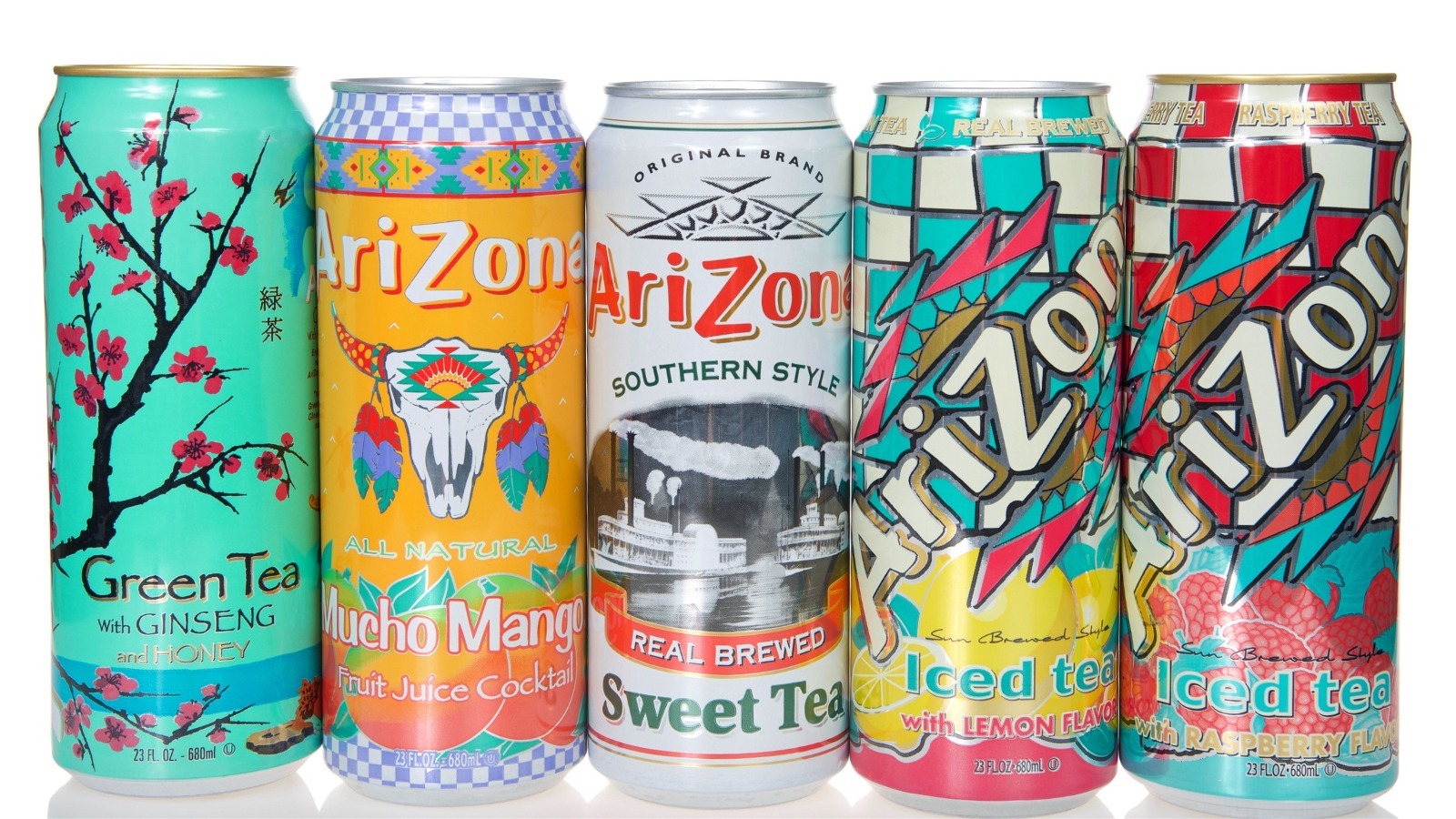
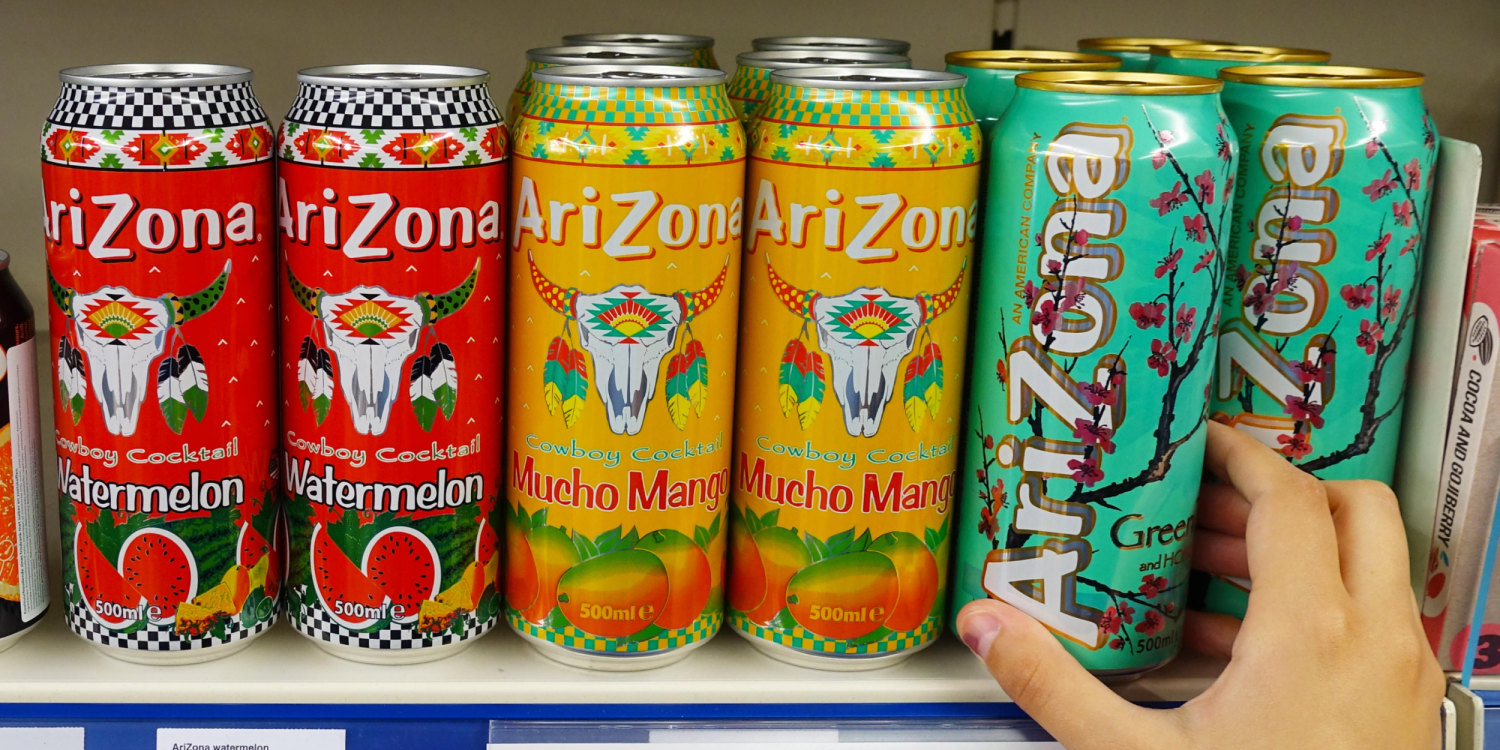
The branding was deliberately designed to stand out. Vultaggio himself designed the distinctive Southwestern-inspired artwork and bold fonts that adorn the cans, eschewing traditional, subdued packaging. This unique visual identity, combined with the unexpected name, created a powerful brand image that captured consumer attention. It was a brilliant marketing strategy that leveraged the allure of a popular travel destination to sell a beverage, demonstrating how perception and storytelling can be just as crucial as the product itself. For marketing professionals or those fascinated by the psychology of advertising, Arizona Tea’s naming convention serves as a masterclass in evocative branding. The success of this naming strategy highlights how a brand can transcend its physical origins to embody a desired aesthetic or feeling, transforming a simple beverage into a symbol of refreshment and relaxed lifestyle, regardless of where it’s actually made.
East Coast Anchors: Where the Iconic Beverages Are Brewed
While the name may point westward, the operational heart of Arizona Tea beats strongly on the East Coast, primarily within the industrial corridors of New York and neighboring states. The initial production and distribution infrastructure established in Brooklyn laid the groundwork for a sophisticated network of manufacturing facilities designed to meet the demands of a rapidly expanding market. These facilities are critical hubs, not just for production, but also for economic activity, offering insights into the broader industrial tourism and logistics landscape of the region.
The New York Base: From Long Island to Global Reach
The core of Arizona Tea’s operations remains deeply rooted in New York. The company’s headquarters are located in Woodbury, on Long Island, a strategic location that provides excellent access to major transportation routes and a vast consumer base. While the company utilizes a network of co-packers and bottling partners across the United States to ensure efficient distribution, a significant portion of its production and innovation processes are managed from its home state.
The decision to maintain a strong New York presence reflects the founders’ commitment to their roots and the logistical advantages of the region. Long Island, with its industrial parks and proximity to the vast population of New York City and surrounding states like New Jersey and Pennsylvania, offers an ideal environment for large-scale beverage manufacturing and distribution. These production facilities, though not typically open for tourism like a famous landmark, represent significant industrial attractions in their own right, silently contributing to the regional economy and the global supply chain that brings Arizona Tea to your local grocery store or hotel mini-bar.
A Network of Production: Ensuring Broad Distribution
To cater to its massive national and international demand, Arizona Tea doesn’t rely on a single manufacturing plant. Instead, it employs a decentralized production strategy, partnering with various bottling and canning facilities across the United States. This network includes plants in states like Pennsylvania, New Jersey, and California, among others. This strategic placement allows the company to minimize transportation costs, reduce lead times, and efficiently distribute its products to different regions, ensuring freshness and consistent availability.
For example, a facility in Pennsylvania might serve the Northeast and Mid-Atlantic regions, while a plant in California would handle distribution for the West Coast and beyond. This distributed model is common among large beverage companies and highlights the complex logistics involved in bringing everyday products to market. Understanding this network offers a deeper appreciation for the modern supply chain, which is a crucial aspect of global commerce and allows for seamless product availability, whether you’re relaxing in a resort in Florida or exploring the historic streets of Boston. Each facility acts as a critical node, a silent landmark in the commercial landscape, enabling Arizona Tea to maintain its competitive edge and widespread accessibility.
The Global Reach of an American Classic
From its humble beginnings in Brooklyn, Arizona Tea has grown into a global brand, recognized and enjoyed in dozens of countries across multiple continents. This expansion speaks volumes about its universal appeal and the strategic foresight of its founders, transforming a local beverage into an international icon. The journey of Arizona Tea across borders showcases the intricate connections between local innovation and global markets, impacting various aspects of tourism and lifestyle worldwide.
International Distribution: A Taste of America Abroad
Today, Arizona Tea products are sold in Canada, Mexico, throughout Europe, parts of Asia, and beyond. This global presence is achieved through a network of international distributors and sometimes local bottling partnerships, ensuring that the brand can reach diverse consumer bases while adhering to local regulations and preferences. For travelers, encountering the familiar Arizona Tea can be a comforting taste of home in unfamiliar destinations, a small, familiar pleasure amidst new experiences. Conversely, it has also become integrated into local cultures, particularly among younger demographics, as an affordable and refreshing beverage option.
The company’s ability to maintain its distinct branding and competitive pricing across different markets is a key factor in its international success. Whether it’s the iconic Green Tea or the popular Arnold Palmer Half & Half, the consistent quality and recognizable packaging have made it a staple in various convenience stores, supermarkets, and casual dining spots globally. This widespread availability means that whether you are staying in a cozy apartment in Paris or a luxury resort in Dubai, a can of Arizona Tea is often within reach, offering a slice of Americana in diverse international settings.
Arizona Tea and the Travel Lifestyle
The brand’s accessibility and affordability make it a perfect companion for various travel lifestyles. For budget travelers, it offers a satisfying and inexpensive refreshment option, a crucial consideration when managing expenses on the road. For families on road trips, its diverse flavors provide something for everyone, making pit stops more enjoyable. Its convenient canned and bottled formats also make it an ideal choice for carrying along on sightseeing tours, hikes, or simply lounging by the pool at your accommodation.
Moreover, the brand’s association with a relaxed, vibrant lifestyle resonates with the spirit of travel and exploration. The bright, artistic cans themselves can be seen as miniature pieces of pop culture art, reflecting a certain aesthetic that appeals to a broad demographic. In a world where tourism often involves discovering local flavors and unique experiences, Arizona Tea stands as a testament to how a product with a strong brand identity can transcend its origins and become a familiar, comforting presence globally. It bridges the gap between the exotic and the familiar, a ubiquitous symbol of accessible refreshment that accompanies countless journeys, whether they lead to the bustling streets of Tokyo or the tranquil beaches of Hawaii.
Dispelling the Myth: No Desert Production Lines
The lingering question, for many, remains the inherent paradox of a brand named Arizona that has no production facilities in the state itself. It’s a testament to the power of branding and the creation of an evocative image that has successfully captured the imagination of consumers for decades. This common misconception underscores how powerfully marketing can shape perception, often independent of geographical reality.
The fact is, while the name conjures images of the Grand Canyon, Phoenix, or the red rocks of Sedona, Arizona Tea has never had a manufacturing plant in the state of Arizona. The tea leaves are sourced from various regions known for quality tea production globally, and then blended and bottled at the aforementioned facilities, predominantly on the East Coast and other strategic locations across the United States. The name was purely an aesthetic and marketing choice, designed to evoke a feeling of warmth, freshness, and the sunny, laid-back lifestyle associated with the American Southwest.
This phenomenon is not unique to Arizona Tea; many brands strategically choose names that convey a certain image or heritage without necessarily reflecting their literal origin or production site. It highlights the importance of branding in consumer goods and how a well-chosen name can create a powerful, lasting impression. For those intrigued by the intersections of business, culture, and tourism, the story of Arizona Tea’s name serves as an excellent case study. It encourages us to look beyond the surface, to understand the intricate journeys that products take from concept to consumer, and to appreciate the clever ways in which companies connect with our aspirations and imaginations, whether we’re at home or exploring a new destination.
In conclusion, the answer to “Where is Arizona Tea made?” firmly points to the industrial prowess of the East Coast, particularly New York, and a network of bottling plants across the United States. Its name is a brilliant branding artifact, a nod to an idyllic American landscape rather than a reflection of its physical manufacturing footprint. This journey from a Brooklyn warehouse to a global beverage icon underscores the power of innovation, strategic distribution, and evocative marketing, making Arizona Tea a fascinating case study for anyone interested in business, travel, and the enduring appeal of a well-crafted brand.