
The question “Where is Arizona University?” often sparks a moment of clarification, as the vibrant state of Arizona is home to not just one, but several distinguished institutions of higher learning. For visitors, prospective students, and their families, understanding the geographical placement of these universities is the first step in planning a remarkable trip to the Grand Canyon State. This guide will navigate the primary locations of Arizona’s flagship public universities, delve into the unique travel and tourism experiences each city offers, and provide insights into accommodation options that cater to every type of traveler. From exploring ancient deserts to bustling urban centers, a visit to an Arizona university campus is often the gateway to an unforgettable Southwestern adventure.
Unveiling Arizona’s Academic Jewels: Tucson and the Phoenix Metropolitan Area
When people refer to “Arizona University,” they are typically thinking of one of two major public research institutions: the University of Arizona (UofA) or Arizona State University (ASU). While both play pivotal roles in the state’s academic landscape, their locations and the surrounding environments offer vastly different yet equally enriching experiences for visitors. The University of Arizona anchors the southern city of Tucson, a historic city famed for its Sonoran Desert beauty and vibrant cultural heritage. Meanwhile, Arizona State University (ASU) sprawls across multiple campuses within the bustling Phoenix metropolitan area, with its main campus prominently situated in Tempe, a dynamic city at the heart of Arizona’s largest urban expanse.
Each location presents a unique blend of academic pursuits, local culture, natural attractions, and lifestyle offerings, making them prime destinations for those looking to combine a university visit with an immersive travel experience. Whether you’re drawn to the serene desert landscapes of Tucson or the energetic urban pulse of Tempe and Phoenix, Arizona promises a journey filled with discovery.
The University of Arizona: A Tucson Gem
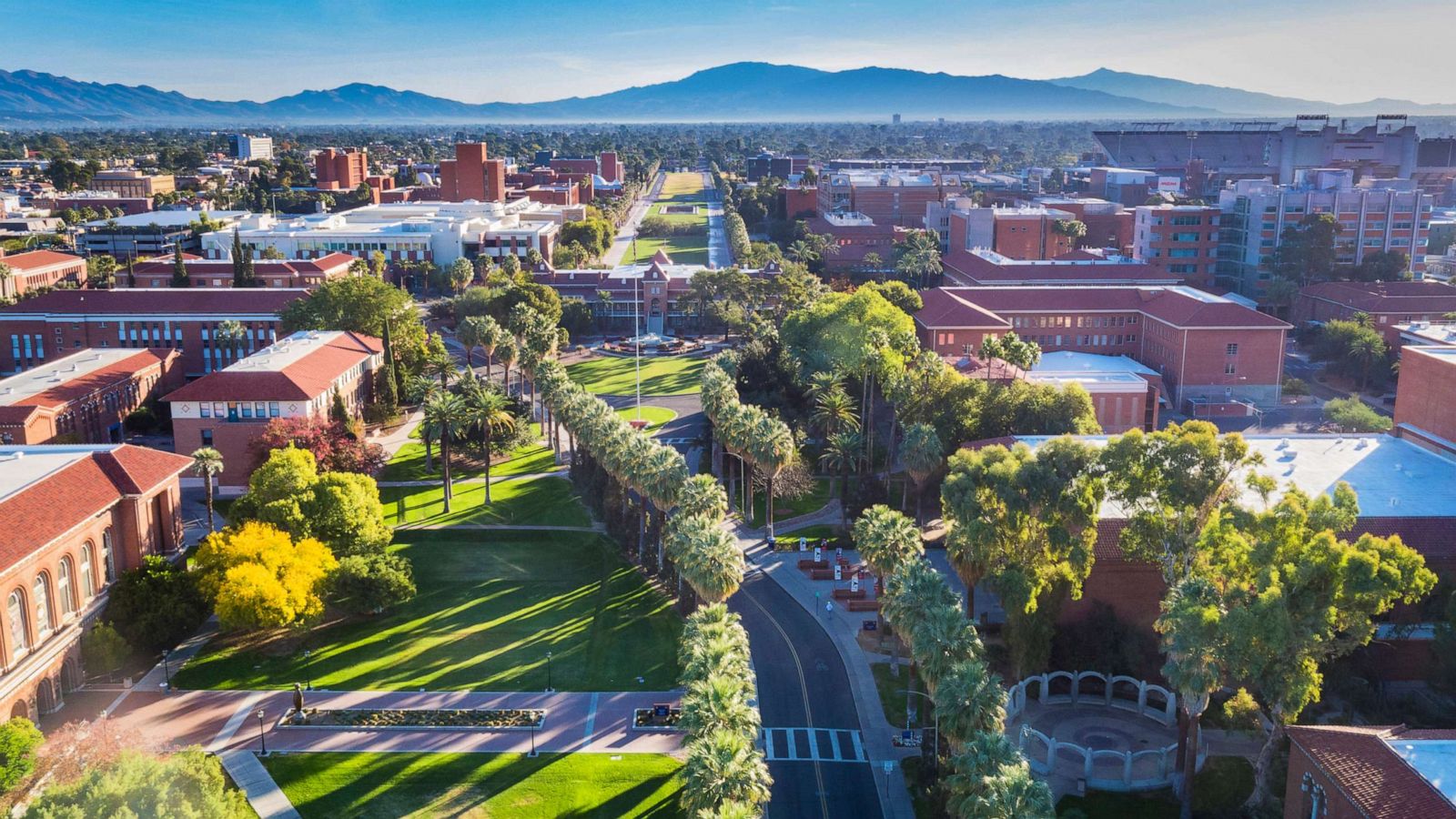
The University of Arizona is majestically located in Tucson, the second-largest city in Arizona. Nestled within the biodiverse Sonoran Desert, the UofA campus is an oasis of learning surrounded by stunning mountain ranges, including the picturesque Catalina Mountains. Established in 1885, it is the state’s oldest university, boasting a rich history and a strong emphasis on research, particularly in space sciences, optics, and biosciences. The campus itself is a landmark, characterized by its distinctive red-brick buildings and lush, manicured grounds that blend seamlessly with the desert environment. Visitors will find a vibrant student atmosphere, numerous museums like the Arizona State Museum and the Flandrau Science Center & Planetarium, and a palpable sense of community.
Exploring Tucson: Beyond the Campus Gates
Tucson offers a profound cultural immersion and an abundance of attractions that extend far beyond the University of Arizona campus. Its unique position in the Sonoran Desert means easy access to breathtaking natural wonders and outdoor adventures.
One of the most iconic natural landmarks is Saguaro National Park, which flanks Tucson on both its east and west sides. Here, visitors can hike among towering saguaro cacti, the symbol of the American Southwest, and witness spectacular desert sunsets. For a deeper dive into the region’s natural history, the Arizona-Sonora Desert Museum is a must-visit, combining a zoo, botanical garden, and natural history museum into one acclaimed experience.
Tucson’s historical roots are evident in its architecture and cultural sites. The stunning Mission San Xavier del Bac, known as the “White Dove of the Desert,” is an active 18th-century mission church that showcases exquisite Spanish Colonial architecture and remains a significant spiritual and historical landmark. The El Presidio Historic District in Downtown Tucson offers a glimpse into the city’s past with its adobe homes and charming streets. The city’s thriving arts scene is showcased in numerous galleries and the historic Fox Theatre.
Food enthusiasts will revel in Tucson’s designation as a UNESCO City of Gastronomy, the first in the United States. Its culinary landscape is a delicious fusion of Native American, Mexican, and cowboy traditions, with a focus on local ingredients and authentic flavors. From award-winning fine dining to humble Sonoran hot dogs, the food scene is an attraction in itself. Don’t miss the chance to explore the vibrant Mercado San Agustin for local artisan goods and delicious bites.

For those interested in aviation history, the Pima Air & Space Museum is one of the world’s largest non-government funded aerospace museums, featuring an impressive collection of aircraft. Adventure seekers can drive up Mount Lemmon in the Catalina Mountains for cooler temperatures, hiking trails, and even skiing in the winter, offering a dramatic change of scenery from the desert floor.
Accommodation in Tucson for Visitors
Tucson offers a diverse range of accommodation options, from luxurious resorts nestled in the desert foothills to boutique hotels brimming with local character, and convenient budget-friendly stays near the UofA campus.
For a high-end experience, resorts like the JW Marriott Tucson Starr Pass Resort & Spa or Loews Ventana Canyon Resort offer expansive grounds, golf courses, spas, and stunning desert views. These are perfect for those seeking a luxury lifestyle combined with relaxation. The historic Arizona Inn, a charming hacienda-style hotel, provides a tranquil and elegant escape close to the university.
Closer to the University of Arizona campus, visitors will find a variety of hotels catering to families and prospective students. Options range from well-known chains offering comfortable amenities to more unique establishments. Hotel Congress in Downtown Tucson is a historic landmark offering a vibrant atmosphere with live music and a popular restaurant, ideal for those seeking a lively experience. The recently revitalized Rio Nuevo district and surrounding Downtown Tucson area also feature modern hotels and apartments, providing easy access to dining, entertainment, and public transportation.
For budget-conscious travelers or longer stays, several hotels and extended-stay properties are available throughout the city, often offering amenities like kitchenettes. Airbnb and other vacation rental platforms also provide numerous options, from cozy apartments to spacious villas, allowing visitors to experience local living. When booking, consider proximity to the UofA campus if your visit is primarily academic, or choose a location that aligns with your preferred attractions, be it the natural beauty of the foothills or the urban buzz of downtown.
Arizona State University (ASU): A Dynamic Urban Presence
Arizona State University (ASU), one of the largest public universities in the U.S. by enrollment, is primarily located in Tempe, a vibrant city directly east of Phoenix. While the Tempe campus is the largest and most well-known, ASU operates multiple other campuses across the Phoenix metropolitan area, including downtown Phoenix, Mesa, and Glendale. This multi-campus structure reflects ASU’s commitment to innovation, accessibility, and integrated community engagement, making it a hub of activity within Arizona’s most populous region. The Tempe campus is a lively, sprawling area known for its modern architecture, diverse student body, and cutting-edge research facilities. The iconic Gammage Auditorium, designed by Frank Lloyd Wright, stands as a prominent architectural landmark on campus.
Discovering Tempe and Surrounding Cities
Visiting ASU means immersing yourself in the dynamic energy of Tempe and the vast offerings of the greater Phoenix area. Tempe itself is a lively college town with a bustling downtown, centered around the famous Mill Avenue District. This area is packed with restaurants, bars, shops, and entertainment venues, making it a popular spot for both students and visitors.
Tempe Town Lake, an artificial lake created on the Salt River, offers a unique urban waterfront experience with opportunities for kayaking, paddleboarding, and scenic walks along its shores. The annual Ironman Arizona triathlon and numerous other festivals take place here, adding to the city’s vibrant events calendar.
Just a short drive from Tempe, the city of Phoenix expands the possibilities for tourism and exploration. Phoenix is a major urban center that beautifully blends desert landscapes with metropolitan amenities. Nature lovers can explore Papago Park, home to distinctive sandstone buttes, the Desert Botanical Garden (showcasing diverse desert flora), and the Phoenix Zoo. Hikers can challenge themselves on Camelback Mountain or explore the extensive trails of South Mountain Park and Preserve, one of the largest municipal parks in the United States.

For culture and arts, Phoenix boasts the renowned Heard Museum, dedicated to Native American art and culture, and the Musical Instrument Museum (MIM), a global treasure. The downtown Phoenix area has undergone significant revitalization, featuring art galleries, performance venues, and a growing culinary scene that ranges from casual eateries to upscale dining.
Neighboring Scottsdale offers a more upscale experience, known for its luxury resorts, high-end shopping, vibrant nightlife in Old Town Scottsdale, and a thriving art gallery district. Whether you’re interested in spas, golf, or Southwestern art, Scottsdale provides an opulent complement to the academic pursuits at ASU.
Where to Stay near ASU Campuses
The vast Phoenix metropolitan area offers an unparalleled selection of hotels and accommodations, catering to every budget, style, and travel need. When visiting ASU, your choice of accommodation will likely depend on which campus you’re visiting and what other attractions you wish to explore.
For those primarily focused on the Tempe campus, hotels along or near the Mill Avenue District are ideal. Options like the Tempe Mission Palms Hotel offer convenience and comfort, often within walking distance of campus and Tempe Town Lake. The Graduate Tempe provides a trendy, college-town vibe with unique decor. Numerous chain hotels, from mid-range to upscale, are also available throughout Tempe, making it easy to find suitable lodging for families, business travelers, or groups.
If your itinerary includes exploring Scottsdale’s attractions, staying in this city provides access to some of the region’s most luxurious resorts. The Phoenician, a Luxury Collection Resort, offers unparalleled amenities, while Andaz Scottsdale Resort & Bungalows and W Scottsdale cater to those seeking a chic, modern experience. Scottsdale also has a wide range of boutique hotels and vacation rentals suitable for various budgets.
For visits to the ASU Downtown Phoenix campus, staying in downtown Phoenix offers the advantage of proximity to major cultural institutions, sports venues, and a burgeoning food scene. Hotels like the Cambria Hotel Phoenix Downtown or the Kimpton Hotel Palomar Phoenix Cityscape provide stylish and comfortable bases for exploring the city.
Beyond traditional hotels, the Phoenix area is rich in serviced apartments and short-term rentals, ideal for longer stays or for families seeking more space and home-like amenities. Given the spread-out nature of the metropolitan area, considering car rental is often advisable, regardless of your chosen accommodation, to maximize your exploration of all ASU campuses and surrounding attractions.
Planning Your Academic Adventure and Vacation in Arizona
Visiting either the University of Arizona or Arizona State University (ASU) can easily be integrated into a larger Arizona vacation. The state is renowned for its diverse landscapes, from the iconic Grand Canyon in the north to the ancient saguaro forests in the south, and charming artistic communities like Sedona.
Getting There:
Most visitors flying into Arizona will arrive at either Phoenix Sky Harbor International Airport (PHX) or Tucson International Airport (TUS). PHX is a major hub with extensive domestic and international connections, while TUS offers convenient access to Tucson and southern Arizona. A car rental is highly recommended for exploring the region, as public transportation outside of major downtown areas can be limited.
Best Time to Visit:
The shoulder seasons (spring: March to May, and fall: September to November) are generally the most pleasant times to visit Arizona for sightseeing and outdoor activities, as temperatures are mild and comfortable. Summers (June to August) can be intensely hot, particularly in Phoenix and Tucson, though this is often when many hotels offer lower rates. Winter (December to February) brings cooler temperatures, making it a popular escape for those fleeing colder climates, but also higher prices.
Combining Travel & Education:
Consider scheduling your university visits to coincide with local festivals, sporting events, or cultural happenings to enrich your experience. Both Tucson and Tempe are college towns, so checking the university calendars for events like homecoming, theatrical performances at Gammage Auditorium, or scientific lectures can add another layer to your trip.
For a broader Arizona exploration, you could start your journey in Phoenix with an ASU campus tour, then drive north to experience the red rocks of Sedona and the grandeur of the Grand Canyon. Alternatively, begin in Tucson with the University of Arizona, then drive north through the Phoenix area, before continuing to other northern Arizona attractions like Flagstaff (home to Northern Arizona University).
Regardless of your itinerary, Arizona’s university cities provide a fantastic blend of academic excellence, rich cultural experiences, stunning natural beauty, and diverse accommodation options, promising a fulfilling trip for any traveler. Whether your focus is education, adventure, or simply relaxation, these vibrant destinations offer a compelling reason to explore the heart of the Southwest.
LifeOutOfTheBox is a participant in the Amazon Services LLC Associates Program, an affiliate advertising program designed to provide a means for sites to earn advertising fees by advertising and linking to Amazon.com. Amazon, the Amazon logo, AmazonSupply, and the AmazonSupply logo are trademarks of Amazon.com, Inc. or its affiliates. As an Amazon Associate we earn affiliate commissions from qualifying purchases.