
Deep in the heart of West Texas lies a landscape of immense beauty, stark contrasts, and profound solitude: Big Bend National Park. Often referred to as “Texas’ Gift to the Nation,” this vast expanse of protected wilderness is a jewel of the United States national park system, offering an unparalleled blend of desert, mountain, and river environments. Its remote location is precisely what makes it so special, providing an escape from the hustle and bustle of modern life and an immersion into a world sculpted by ancient geological forces and the enduring power of nature.
For many travelers, the question “Where is Big Bend National Park in Texas?” carries an implied sense of adventure. It’s not a park you simply stumble upon; visiting Big Bend requires deliberate planning and a willingness to journey off the beaten path. This comprehensive guide will not only pinpoint its exact location but also delve into why this majestic landmark should be at the top of every intrepid traveler’s list, offering insights into its unique attractions, diverse activities, essential accommodation options, and crucial travel tips for an unforgettable experience.
Discovering Big Bend: Location and Geography
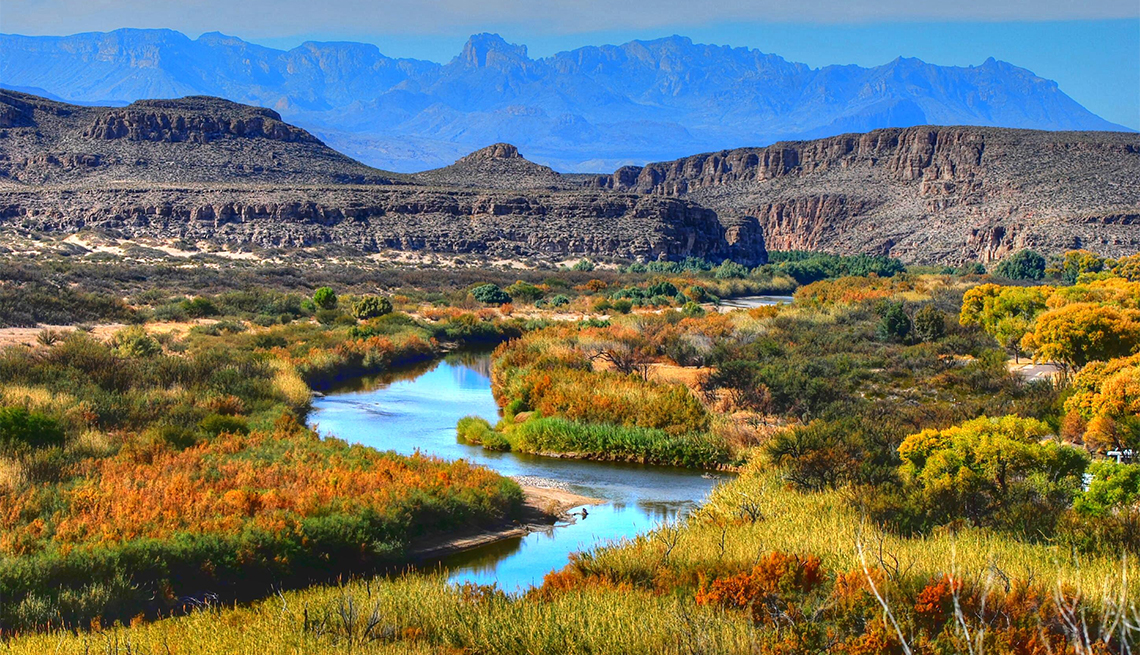
The geographic isolation of Big Bend National Park is a significant part of its mystique and allure. It’s nestled in the extreme southwestern part of Texas, forming a massive bend in the Rio Grande river that also serves as the international border with Mexico. This unique positioning grants it a distinctive blend of American and Mexican cultural influences, as well as ecological diversity found nowhere else.
The Remote Jewel of West Texas
To reach Big Bend National Park, travelers typically embark on a journey through the vast, sparsely populated expanses of West Texas. The park’s primary entry points are usually accessed from major Texas cities like El Paso, Midland, Odessa, or further east from San Antonio, Austin, Dallas, or Houston. No matter your starting point, expect a significant drive, often several hours, across scenic but vast distances. This remoteness contributes to its designation as one of the least-visited, yet most cherished, national parks in the United States, preserving its pristine beauty and quietude.
The closest gateway towns that offer services and amenities before entering the park are Marathon to the north, and Alpine, Terlingua, Study Butte, and Lajitas to the west. These charming towns serve as essential staging points for supplies, fuel, and accommodation before visitors delve into the park’s interior. The main park entrance stations are Persimmon Gap in the north and Maverick Junction in the west.
A Landscape of Extremes
Big Bend National Park is renowned for its incredible biodiversity and dramatic geological features, primarily due to its unique position where the Chihuahuan Desert, the Chisos Mountains, and the Rio Grande converge.
- Desert: The vast majority of the park is desert, characterized by arid plains, volcanic ash formations, and hardy desert flora like cacti, agave, and ocotillo. The desert climate is harsh, with extreme temperatures, but it teems with life adapted to these conditions.
- Mountains: Rising abruptly from the desert floor, the Chisos Mountains are an isolated mountain range entirely contained within the park. These “sky islands” offer a stark contrast to the surrounding desert, with cooler temperatures, ponderosa pine forests, and unique wildlife. The highest point is Emory Peak, standing at 7,825 feet.
- River: The majestic Rio Grande carves deep canyons along the park’s southern boundary, creating lush riparian zones that sustain a different array of plants and animals. The river’s presence is a lifeblood in this arid region, inviting activities like rafting and kayaking.
This confluence of ecosystems makes Big Bend a paradise for naturalists and adventurers alike. Beyond its diverse landscapes, Big Bend National Park is globally recognized as an International Dark Sky Park, boasting some of the darkest night skies in the United States. Stargazing here is an otherworldly experience, with the Milky Way stretching across the heavens in breathtaking clarity, a testament to its profound remoteness and lack of light pollution.
Unveiling the Park’s Natural Wonders and Activities
The sheer size and varied terrain of Big Bend National Park mean there’s an endless array of activities to suit every type of traveler, from casual sightseeing to challenging backcountry expeditions. The park’s natural wonders are its primary draw, offering experiences that connect visitors deeply with its wild essence.
Hiking Trails for Every Explorer
Hiking is undoubtedly one of the most popular ways to experience the raw beauty of Big Bend. The park features hundreds of miles of trails, ranging from short, interpretive walks to strenuous, multi-day backpacking trips.
- Iconic Mountain Trails: In the Chisos Basin, popular hikes include the Lost Mine Trail, a moderate 4.8-mile round trip offering panoramic views of the entire basin and the distant desert. The Window Trail, a 5.6-mile round trip, leads to a narrow pour-off with stunning views of the western horizon, especially captivating at sunset. For those seeking a greater challenge, the strenuous climb to Emory Peak provides unparalleled vistas from the park’s highest point.
- Desert and River Trails: Beyond the mountains, the desert trails offer different perspectives. The 1.4-mile round trip Grapevine Hills Trail leads to the unique rock formation known as Balanced Rock. Along the Rio Grande, trails like the short interpretive walk to the Hot Springs Historic District and the dramatic pathway into Santa Elena Canyon provide unforgettable experiences.
River Adventures and Cultural Crossings
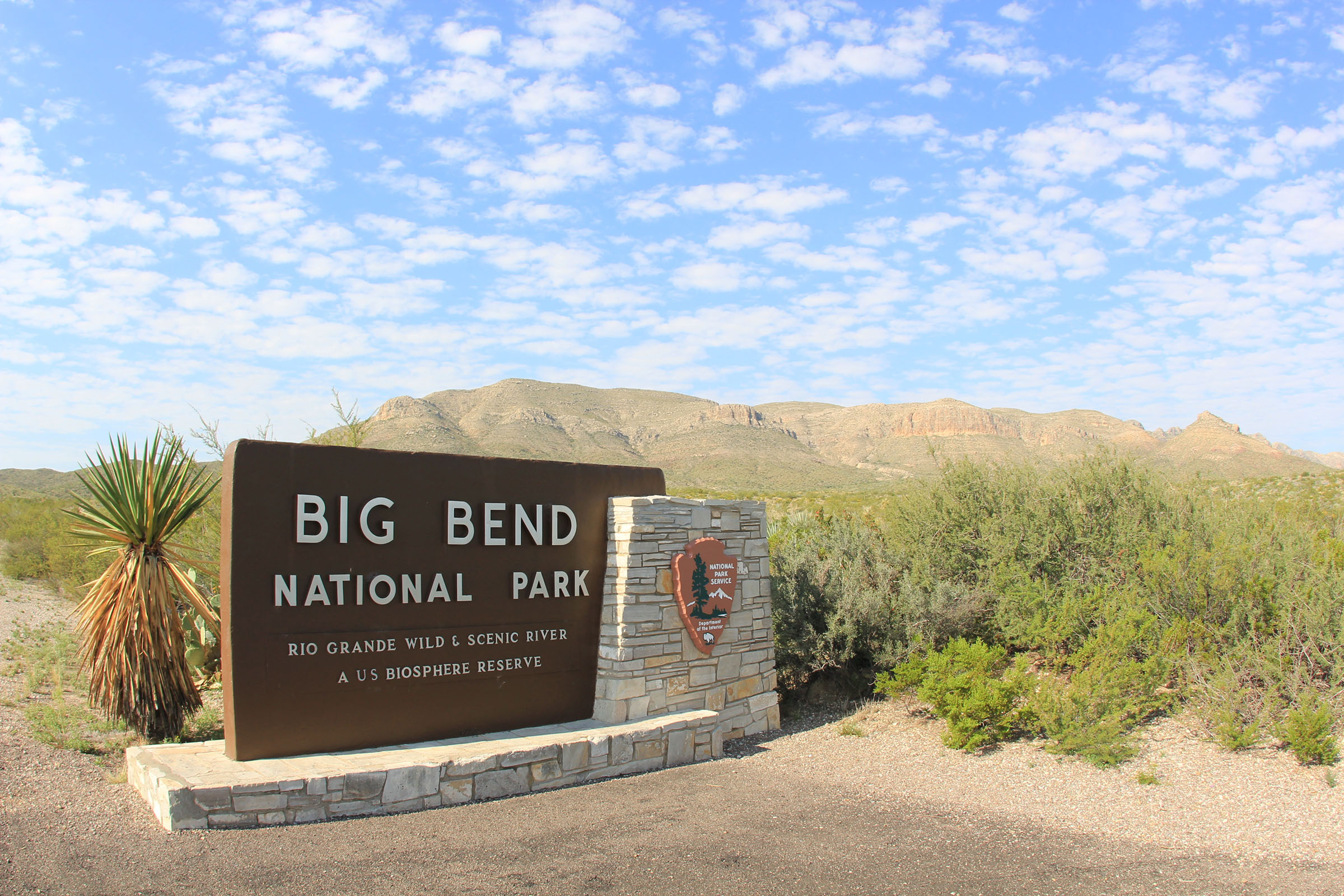
The Rio Grande is not just a border; it’s an active playground and a conduit for unique cultural experiences.
- Paddling the Rio Grande: Canoeing, kayaking, and rafting trips along the Rio Grande offer breathtaking perspectives of the towering canyon walls, especially within Santa Elena, Mariscal, and Boquillas Canyons. Several authorized outfitters, such as Far Flung Outdoor Center and Big Bend River Tours in Terlingua, provide guided tours ranging from a few hours to multi-day expeditions.
- Boquillas Crossing: Big Bend National Park is home to the only international border crossing within a national park in the United States. At Boquillas Crossing, visitors can walk or take a rowboat across the Rio Grande to the small village of Boquillas del Carmen in Mexico. Here, you can experience local culture, enjoy traditional Mexican food, and purchase handmade crafts. Remember to bring your passport as it is a legal port of entry and exit.
Scenic Drives and Wildlife Encounters
Driving through Big Bend is an adventure in itself, with well-maintained paved and unpaved roads leading to stunning vistas and points of interest.
- Ross Maxwell Scenic Drive: This 30-mile paved road offers access to some of the park’s most iconic geological formations, culminating at the dramatic Santa Elena Canyon viewpoint. Along the way, you can stop at viewpoints like Mule Ears Overlook, explore historic sites like the Sam Nail Ranch and Homer Wilson Ranch, and witness the majestic Mule Ears Peaks.
- Wildlife Viewing: Big Bend is a haven for wildlife. Keep an eye out for javelina, roadrunners, coyotes, and various species of deer. Birdwatching is particularly rewarding, with over 450 species recorded in the park, especially during migratory seasons. While rarer, black bears and even mountain lions inhabit the Chisos Mountains, emphasizing the importance of respecting wildlife and following park guidelines.
Planning Your Big Bend Stay: Accommodation and Travel Tips
Given its vastness and remote nature, thoughtful planning is key to maximizing your Big Bend National Park experience. This includes securing appropriate accommodation and being prepared for the unique challenges and rewards of visiting such a wild place.
Where to Stay: Inside and Around the Park
Accommodation options cater to various preferences, from rustic camping under the stars to comfortable hotel stays and luxurious resorts.
- Inside the Park: The only lodging facility within Big Bend National Park is the Chisos Mountains Lodge, nestled in the scenic Chisos Basin. It offers motel-style rooms, cottages, and a restaurant, providing stunning mountain views and convenient access to popular trails. Reservations are highly recommended, often months in advance, especially during peak season.
- Camping: For a more immersive experience, the park offers several campgrounds. Rio Grande Village and Chisos Basin Campground offer reservable sites with amenities, while Cottonwood Campground is first-come, first-served. Backcountry camping is also available with a permit, offering unparalleled solitude.
- Outside the Park: The gateway towns surrounding Big Bend National Park provide a wider range of hotels, resorts, and vacation rentals.
- In Terlingua and Study Butte, you’ll find everything from basic motels like the Big Bend Motor Inn to unique adobe casitas and glamping options, often with stunning desert views.
- Lajitas is home to the more upscale Lajitas Golf Resort, offering a blend of luxury and rustic charm with golf, equestrian activities, and spa services.
- Marathon boasts the historic Gage Hotel, a beautifully restored landmark offering a touch of old Texas elegance.
- Alpine, the largest nearby town, has options like the Holiday Inn Express and Best Western, providing more conventional hotel experiences.
Essential Tips for a Seamless Trip
A successful trip to Big Bend National Park requires preparation, respect for the environment, and an understanding of its unique challenges.
- Best Time to Visit: The most popular and pleasant times to visit are from late fall through spring (November to April) when temperatures are milder. Summers can be extremely hot, making strenuous activities challenging and potentially dangerous.
- What to Bring: Essential items include plenty of water (the park recommends one gallon per person per day), sun protection (hats, sunscreen, sunglasses), sturdy hiking shoes, layers of clothing, a detailed map (cell service is unreliable), and a full tank of gas (fuel is only available at Panther Junction inside the park, with limited hours).
- Planning and Reservations: Book accommodations and any guided tours well in advance. The National Park Service website is an invaluable resource for current conditions, alerts, and detailed maps.
- Connectivity: Be prepared for limited to no cell phone service or internet access throughout much of the park. Embrace the opportunity to disconnect and immerse yourself in nature.
- Respect the Environment: Stay on marked trails, pack out everything you pack in, and observe wildlife from a safe distance. The park’s delicate ecosystems depend on responsible tourism.
Beyond the National Park: Exploring the Big Bend Region
While Big Bend National Park is the undisputed star, the surrounding Big Bend Region offers additional adventures and cultural experiences that complement a visit to the park.
Big Bend Ranch State Park
Just west of the national park, bordering the Rio Grande to the south, lies Big Bend Ranch State Park. Often called “the other Big Bend,” this even more rugged and undeveloped park is the largest state park in Texas. It offers a different kind of adventure, focusing on primitive camping, challenging mountain biking, equestrian trails, and extensive backcountry hiking. Its remote “wilderness” status appeals to those seeking an even deeper immersion into the wild, with spectacular volcanic landscapes and fewer crowds.
Cultural Experiences in Gateway Towns
The small towns surrounding Big Bend National Park are rich in character and history, offering a glimpse into the unique West Texas lifestyle.
- Terlingua Ghost Town: This historic mining town is a fascinating stop, with crumbling adobe ruins, a quirky personality, and the famous Starlight Theatre – a restaurant and music venue housed in an old movie theater. It’s a hub for local artists, musicians, and river guides.
- Alpine: As the largest community in the region, Alpine serves as a cultural and commercial center. Home to Sul Ross State University, it offers art galleries, unique shops, and the Museum of the Big Bend, which showcases the area’s rich history and natural heritage. The Paisano Hotel, a historic landmark, is also worth a visit.
- Marathon: Known for its artistic community and the iconic Gage Hotel, Marathon provides a refined yet authentic West Texas experience. It’s a peaceful retreat before or after your wilderness adventure, offering gourmet dining and charming boutiques.
In conclusion, Big Bend National Park is more than just a dot on the map of Texas; it’s a monumental destination that embodies the raw beauty and untamed spirit of the American Southwest. Its location, while remote, is precisely what preserves its grandeur and offers an unparalleled opportunity for exploration, adventure, and introspection. Whether you’re drawn by the majestic Chisos Mountains, the ancient flow of the Rio Grande, the vastness of the Chihuahuan Desert, or the breathtaking brilliance of its dark skies, Big Bend promises an unforgettable journey into a truly special corner of the world. It stands as a testament to the power of nature and a vital landmark for all who seek wonder beyond the ordinary.