
Nestled in the vast expanse of West Texas, a region often characterized by its wide-open skies and rugged beauty, lies a jewel of unparalleled natural splendor: Big Bend National Park. This immense park, a sanctuary of diverse landscapes and a haven for adventurers, is more than just a dot on the map; it’s an experience, a journey into the heart of the Chihuahuan Desert and a testament to the raw power and artistry of nature. But for those unfamiliar with its grandeur, the question echoes: Where exactly is Big Bend, Texas?
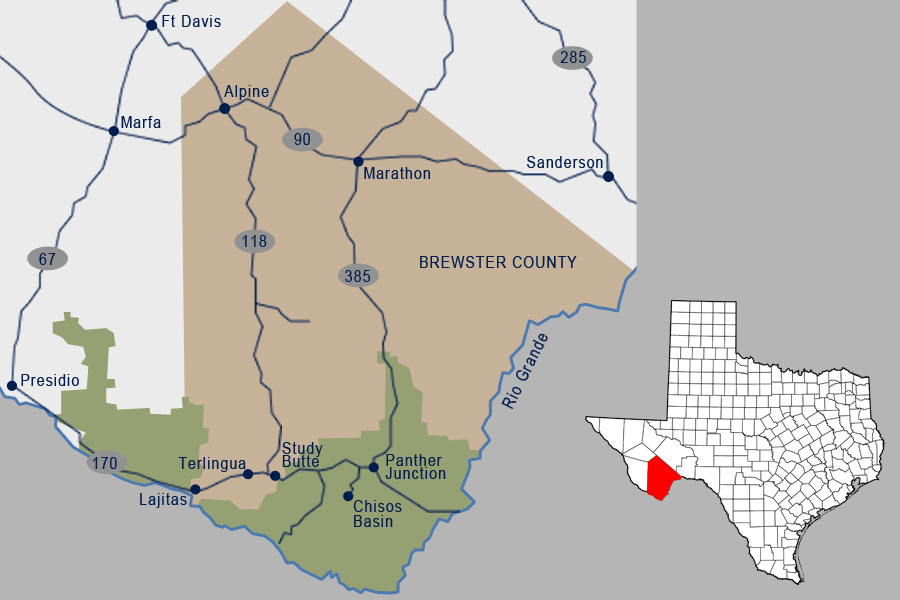
The answer, in its simplest form, places Big Bend National Park in the remote southwestern corner of Texas, a place where the United States meets Mexico along the serpentine curve of the Rio Grande River. This is not a destination easily stumbled upon; its very remoteness is part of its allure, preserving a sense of untouched wilderness that is increasingly rare in our modern world. To reach this iconic natural wonder requires a deliberate journey, a commitment to venturing off the beaten path and into a landscape that demands appreciation and respect.

Understanding the Geography of Big Bend
To truly grasp “where” Big Bend Texas is, one must understand its unique geographical context. The park is situated within the larger region known as Big Bend Country, a vast area defined by its arid climate, dramatic mountain ranges, and the life-giving Rio Grande. This region is characterized by its extreme temperatures, with scorching summers and surprisingly chilly winters, and its sparse population, which contributes to the profound sense of solitude and peace one finds here.
The Significance of the Rio Grande River
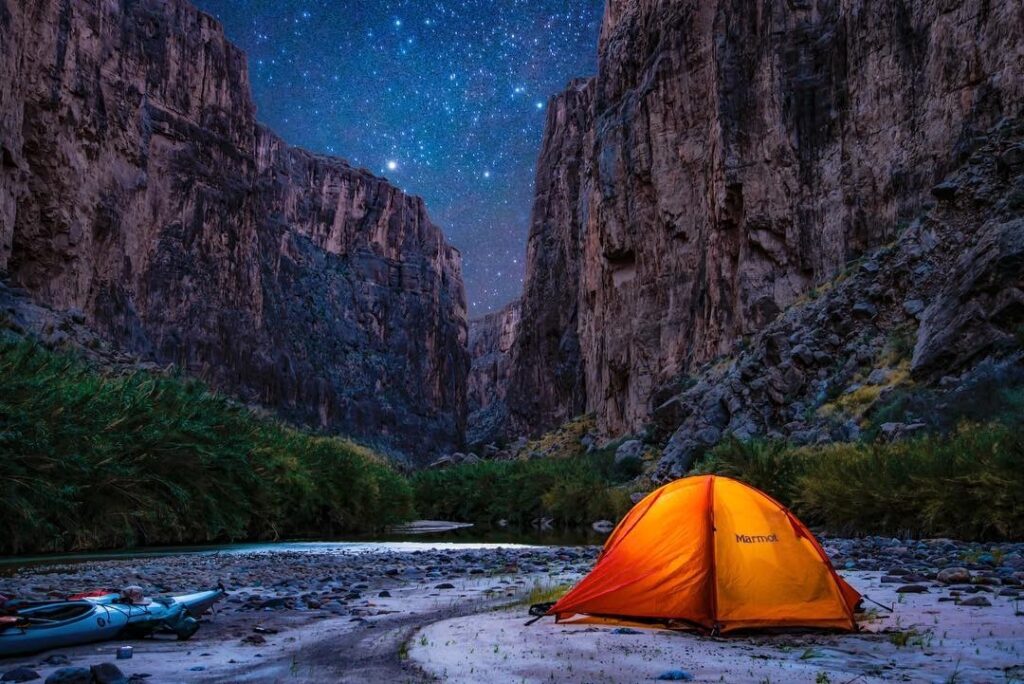
The Rio Grande River is an intrinsic part of Big Bend’s identity. It forms the park’s southern boundary, a powerful ribbon of water carving its way through ancient rock formations, creating some of the most spectacular canyons in the United States. The river is not merely a geographical marker; it is a vital ecosystem, supporting a surprising array of life in the otherwise arid desert. Its presence is a constant reminder of the dynamic forces that have shaped this land over millennia, from the slow erosion of rock to the persistent flow of water sustaining life. The Rio Grande Gorge and the Santa Elena Canyon are prime examples of the river’s artistic sculpting of the landscape, offering breathtaking vistas and challenging adventures for those who dare to explore them.
The Chihuahuan Desert and its Unique Ecosystem
The dominant biome of Big Bend National Park is the Chihuahuan Desert. This is not the stereotypical desert of barren sand dunes, but a rich and diverse ecosystem teeming with life adapted to arid conditions. Towering saguaros, prickly pear cacti, ocotillo, and yucca plants dot the landscape, creating a unique botanical tapestry. The park is home to a surprising variety of wildlife, including desert bighorn sheep, mule deer, coyotes, black bears, and numerous bird species, many of which are found nowhere else. The sheer resilience of life in this seemingly harsh environment is a testament to evolution’s ingenuity and the intricate balance of this desert ecosystem. Exploring the trails of Big Bend reveals a hidden world of flora and fauna, each species playing a vital role in the survival and continuation of this magnificent natural preserve.
Navigating to Big Bend National Park
Reaching Big Bend National Park is an adventure in itself, a journey that mirrors the ruggedness and grandeur of the park’s landscapes. Due to its remote location, there are no major airports directly serving the park. Visitors typically fly into larger cities and then drive, a scenic pilgrimage that allows for a gradual immersion into the West Texas environment.
Gateway Cities and Driving Routes
The primary gateway cities for accessing Big Bend are Midland and El Paso, both of which have airports capable of handling commercial flights. From Midland, the drive to the park’s eastern entrance (near Fort Stockton) is approximately three to four hours. From El Paso, the drive to the park’s western entrance (near Fabens) is longer, around five to six hours, but offers a different perspective as you traverse the vast desert landscapes.
Another option, though less common for those coming from afar, is to fly into San Antonio or Austin, and then embark on a longer, more immersive road trip through Texas. These routes, while extended, allow for a deeper appreciation of the state’s diverse geography, from rolling hills to the stark beauty of the desert. Regardless of your starting point, renting a car is essential, as public transportation within the Big Bend region is virtually non-existent. The drive itself becomes an integral part of the Big Bend experience, offering expansive views and a growing sense of anticipation as you draw closer to this natural wonder.
Entrance Points and Park Roads
Big Bend National Park has two main entrances: the north entrance near Persimmon Gap and the west entrance near Terlingua. The park road system, while extensive, is also characterized by its remoteness. The main paved road, Highway 170, known as the River Road, winds along the Rio Grande, offering spectacular views and access to various trailheads and points of interest. However, many of the park’s most rewarding experiences lie off these paved roads, on dirt tracks that may require high-clearance vehicles.
It is crucial to plan your routes within the park, especially if you intend to explore the more remote areas. Services, including gasoline and food, are limited within the park boundaries. The Chisos Basin, located in the heart of the park, is a popular destination and offers amenities such as a lodge, restaurant, and visitor center. Other areas, like the Ross Maxwell Scenic Drive and the Chisos Mountains, offer distinct perspectives on the park’s diverse topography. Understanding the park’s layout and planning your drives accordingly is key to a successful and enjoyable visit.
Planning Your Big Bend Adventure
A trip to Big Bend is not a spontaneous decision for most; it requires thoughtful planning to make the most of this extraordinary destination. The sheer size of the park, combined with its remote location and unique climate, necessitates preparation to ensure a safe, comfortable, and memorable experience.
Accommodation Options
When considering where to stay for your Big Bend adventure, options range from rustic to surprisingly comfortable. Within the park itself, the Chisos Mountains Lodge offers rooms and cottages with stunning views of the surrounding peaks. It’s a popular choice, so booking well in advance is highly recommended. Camping is another excellent option, with numerous campgrounds scattered throughout the park, ranging from developed sites with basic amenities to primitive backcountry sites for those seeking true solitude.
Outside the park, the small town of Terlingua offers a unique and charming atmosphere, with quirky guesthouses, renovated historic buildings, and even yurts. Study Butte is another nearby community with various lodging options. For those seeking more conventional accommodations, the towns of Alpine and Marfa are further afield but offer a wider range of hotels and motels. Regardless of your preference, securing your accommodation before you arrive is a wise strategy, especially during peak seasons.
Activities and Experiences
The allure of Big Bend lies in its vastness and the myriad of experiences it offers. Hiking is undoubtedly a primary draw, with trails ranging from easy strolls through desert flora to challenging multi-day treks into remote mountain and canyon areas. The Lost Mine Trail and the Window Trail in the Chisos Mountains are popular choices for day hikers, offering breathtaking panoramic views.
For the adventurous, whitewater rafting on the Rio Grande River is an unforgettable experience, with outfitters offering trips through stunning canyons like the Santa Elena Canyon. Other activities include stargazing, as Big Bend is renowned for its dark skies, offering unparalleled views of the cosmos. Birdwatching is also a significant attraction, with a diverse avian population present in the park. Exploring the historic Ghost Town of Terlingua offers a glimpse into the region’s past, adding a layer of cultural richness to your visit.
Conclusion: Big Bend – A Destination of Immense Scale and Beauty
So, where is Big Bend Texas? It is a place defined by its remoteness, its dramatic desert landscapes, its iconic river, and its unparalleled opportunities for adventure and reflection. It is an escape into a world where nature reigns supreme, a place that captivates the soul and leaves an indelible mark on all who venture into its embrace. Whether you are drawn by the call of the wild, the allure of challenging hikes, the wonder of the desert ecosystem, or simply the desire to witness a landscape of extraordinary beauty, Big Bend National Park awaits. It is a destination that demands a journey, but rewards that journey with an experience that is truly, and profoundly, unforgettable.