
California, a land of unparalleled beauty, diverse landscapes, and vibrant culture, consistently ranks among the world’s most desired travel destinations. From the majestic peaks of the Sierra Nevada Mountains to the sun-drenched beaches of the Pacific Coast, and from the bustling urban centers of Los Angeles and San Francisco to the serene vineyards of Napa Valley, the Golden State offers an endless array of experiences for every type of traveler. However, the question “Where is California fire?” has become increasingly prevalent, reflecting a global awareness of the state’s periodic wildfire challenges. For prospective visitors, this query is less about pinpointing an exact blaze and more about understanding the broader implications for travel planning, safety, and responsible tourism.
This comprehensive guide aims to equip travelers with the knowledge needed to confidently plan and enjoy a trip to California, even amidst the reality of wildfires. We’ll delve into the nature of these events, their actual impact on various destinations, and practical tips for navigating your journey safely and responsibly. Our goal is to empower you to explore California’s wonders with peace of mind, ensuring your travel experiences remain as breathtaking and memorable as the state itself.
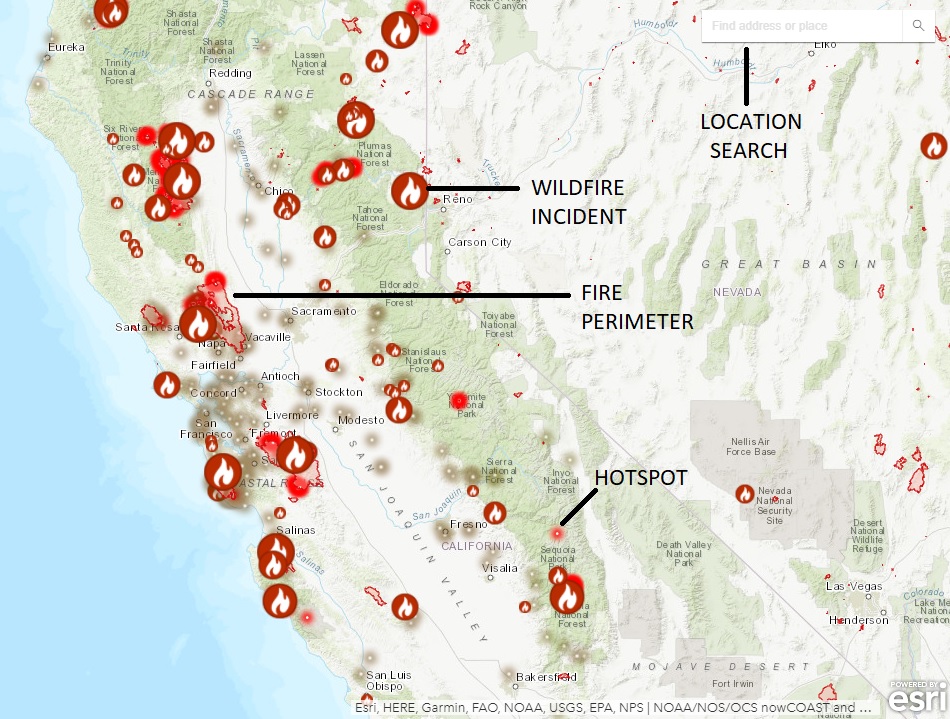
Understanding California’s Wildfire Landscape
California’s unique geography and climate make it susceptible to wildfires, a natural yet increasingly complex phenomenon. Understanding the context of these fires is the first step towards informed travel planning.
The Seasonal Nature of Fires and Contributing Factors
Wildfires in California are often associated with the dry, hot summer and fall months, typically peaking between August and November. This “fire season” is exacerbated by several factors:
- Mediterranean Climate: Long, dry summers and mild, wet winters create abundant vegetation growth which, during the dry season, turns into highly flammable fuel.
- Santa Ana and Diablo Winds: Powerful, dry winds that sweep across the state, particularly in Southern California (Santa Ana) and Northern California (Diablo), can rapidly spread embers and intensify existing fires, making containment challenging.
- Topography: Steep canyons and hillsides act as natural chimneys, accelerating fire progression.
- Human Activity: While some fires are naturally ignited by lightning, a significant percentage are human-caused, stemming from everything from downed power lines and vehicle accidents to campfires and discarded cigarettes.
- Climate Change: Extended droughts and warmer temperatures contribute to drier conditions, longer fire seasons, and an increased risk of severe fires.
Geographical Context: Where Fires Tend to Occur
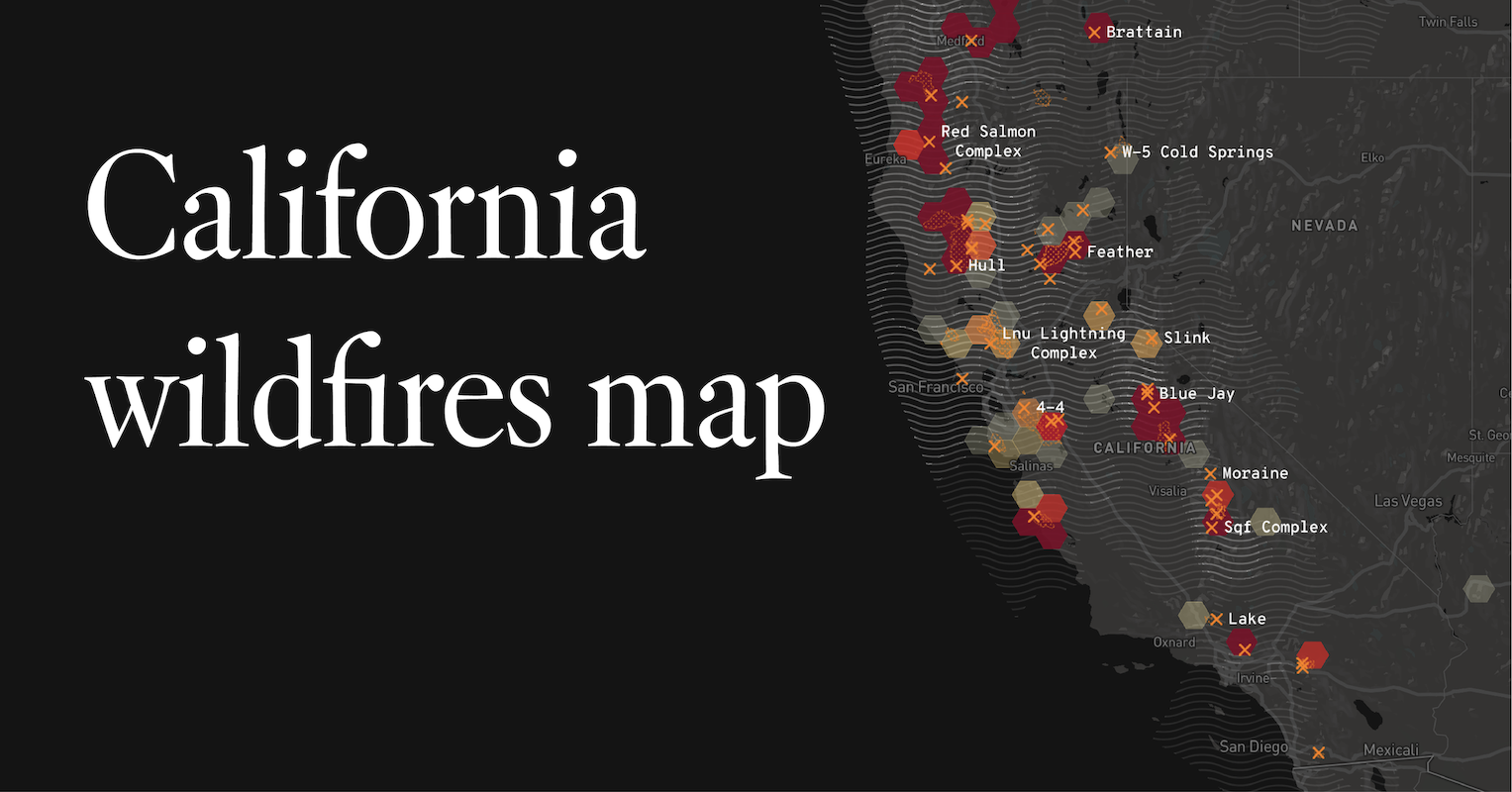
It’s crucial to understand that “Where is California fire?” is not a question with a single, static answer. California is a vast state, and fires typically affect localized regions, often in wildland-urban interface areas.
- Forests and Wildlands: Remote forested areas, national parks like Yosemite National Park, Sequoia and Kings Canyon National Parks, and national forests such as Tahoe National Forest and Angeles National Forest, are often ground zero for ignitions.
- Foothills and Canyon Areas: Communities nestled in the foothills of the Sierra Nevada Mountains or the canyons surrounding major urban centers (e.g., parts of Malibu or Santa Barbara) are particularly vulnerable.
- Wine Country: Regions like Napa Valley and Sonoma County have unfortunately experienced significant fire events in recent years due to their landscape and proximity to wildlands.
It’s important to reiterate that a fire in one part of the state rarely impacts the entire state. A fire near Lake Tahoe, for instance, would have no direct impact on travel to San Diego or Orange County, although smoke may travel hundreds of miles, affecting air quality in broader regions.
Impact on Travel, Tourism, and Accommodation
The presence of wildfires, while concerning, does not halt tourism across the entire state. The actual impact on travel, tourism, and accommodation can vary widely.
Direct and Indirect Impacts on Destinations and Experiences
Direct Impacts:
- Road Closures and Evacuations: The most immediate impact is often the closure of roads leading to or through affected areas, and mandatory evacuations. This can disrupt itineraries, especially for those planning scenic drives like Highway 1 if a section like Big Sur is impacted.
- Attraction and Park Closures: National Parks, state parks, and specific attractions within or near fire zones may close for public safety or to allow emergency services access.
- Accommodation Disruptions: Hotels, resorts, apartments, and villas within evacuation zones will be unavailable, and some may suffer direct damage. However, these are typically isolated incidents.
Indirect Impacts:
- Air Quality: Smoke from distant fires can travel, affecting air quality even in areas far from the blaze. This is a primary concern for outdoor activities and can impact vulnerable individuals. Resources like AirNow.gov provide real-time air quality data.
- Perception and Confidence: Media coverage, while crucial for awareness, can sometimes create a perception that the entire state is ablaze, leading to cancellations even in unaffected areas.
- Economic Impact: Local economies reliant on tourism can suffer significantly from reduced visitor numbers, affecting everything from small businesses to major resorts.

Resilience and Recovery: Supporting Affected Communities
California’s spirit of resilience is evident in how communities recover and rebuild.
- Swift Response: Emergency services, including Cal Fire (the California Department of Forestry and Fire Protection), are highly coordinated and efficient in their response to fires.
- Community Support: Rebuilding efforts often see an outpouring of local and statewide support. Many destinations that have faced fires, such as those in Napa Valley and Sonoma County, have successfully rebuilt and welcomed back visitors, often with renewed vigor and enhanced safety measures.
- Responsible Tourism: Travelers play a vital role in recovery by continuing to visit and support local businesses in areas that are safe and open. Spending at local restaurants, shops, and accommodations helps inject much-needed revenue into recovering economies.
Planning Your California Trip Amidst Wildfire Concerns
A trip to California remains an incredible experience. With careful planning and vigilance, you can minimize risks and ensure a safe and enjoyable journey.
Essential Pre-Trip Research and Real-Time Information
- Official Sources are Key: Before and during your trip, rely on authoritative sources for wildfire information. Cal Fire (www.fire.ca.gov) provides comprehensive, up-to-date incident maps and details. The National Park Service (www.nps.gov) website offers specific alerts for National Parks.
- Local Tourism Boards: Check the websites of destination-specific tourism boards (e.g., Visit California, Visit Napa Valley, Discover Los Angeles). They often provide localized updates and guidance for travelers.
- Air Quality Monitors: Websites like AirNow.gov orPurpleAir.com offer real-time air quality index (AQI) data, allowing you to assess smoke conditions in your planned destinations.
- Road Conditions: Use Caltrans QuickMap (quickmap.dot.ca.gov) for real-time road closures and traffic information.
Flexibility, Accommodation Bookings, and Travel Insurance
- Flexible Bookings: When possible, choose accommodation and activity bookings with flexible cancellation or rebooking policies. This provides peace of mind if plans need to change.
- Travel Insurance: Investing in comprehensive travel insurance is highly recommended. Look for policies that cover trip cancellation or interruption due to natural disasters, including wildfires. Carefully read the terms and conditions to understand what is covered.
- Accommodation Reviews and Amenities: When booking hotels, suites, resorts, apartments, or villas, check recent reviews for any mentions of local conditions. Consider amenities like air conditioning with good filtration systems if air quality is a potential concern.
Choosing Safe Destinations and Responsible Travel Tips
While no area is entirely immune, some regions are historically less prone to severe wildfires, or have robust recovery efforts:
- Coastal Cities: Major coastal hubs like San Francisco, Los Angeles, San Diego, Santa Monica, and Laguna Beach are typically safe from direct fire threat due to their proximity to the ocean. They might experience smoke, but direct impact is rare.
- Island Getaways: Catalina Island offers a unique, often smoke-free escape.
- Major Urban Centers: Cities like Sacramento, while inland, benefit from extensive urban development that creates natural firebreaks.
- Ski Resorts (Off-Season): Mountain resorts like Mammoth Lakes in the Sierra Nevada Mountains are popular in winter, but in summer/fall, they can be near forested areas. Always check local conditions.
Responsible Travel During Fire Season:
- Follow Fire Restrictions: Adhere strictly to all fire bans, campfire restrictions, and warnings posted by local authorities or park services.
- Be Prepared: Carry an emergency kit in your vehicle, and have a plan for communication and evacuation if you are in an at-risk area.
- Stay Informed: Keep your phone charged and enable emergency alerts.
- Support Local: If an area has recently recovered from fires, make a conscious effort to support local businesses. Your tourism dollars are invaluable.
Iconic California Destinations and Wildfire Safety
Let’s briefly consider some of California’s most beloved landmarks and travel destinations through the lens of wildfire safety.
National Parks and Wilderness Areas
California is home to an incredible array of National Parks, offering unparalleled nature experiences.
- Yosemite National Park: A global icon, Yosemite is predominantly a forested park, making it susceptible to fires, particularly in its wilderness areas. However, Yosemite Valley itself is often protected by its granite walls and previous fire management efforts. Always check the NPS website for current conditions and closures before visiting.
- Sequoia and Kings Canyon National Parks: These parks, famous for their giant sequoia trees, have experienced severe fires in recent years. Recovery efforts are ongoing, and some groves may be temporarily closed. Respect these closures as they are vital for forest health.
- Joshua Tree National Park: Located in the desert, Joshua Tree typically faces different fire risks than forested parks, but can still be affected, especially by grass fires during unusually wet periods.
- Death Valley National Park: As one of the hottest and driest places on Earth, large-scale wildfires are less common in Death Valley itself, though surrounding areas might be affected.
Coastal Gems and Urban Adventures
- Big Sur and Highway 1: This iconic stretch of coastline is usually protected by its proximity to the ocean. However, steep terrain and dry chaparral can lead to fires in the hillsides, occasionally causing Highway 1 closures. Always verify road status before embarking on this breathtaking drive.
- Los Angeles and San Diego: These major metropolitan areas, home to attractions like the Disneyland Resort, Universal Studios Hollywood, and the San Diego Zoo, are largely protected by urban development. While nearby hills (e.g., those in Malibu or near Hollywood) can experience fires, the cities themselves are rarely directly threatened. Air quality can be an issue if fires are burning nearby.
- San Francisco: Famous for the Golden Gate Bridge and its unique neighborhoods, San Francisco is an urban peninsula and is highly unlikely to be directly affected by wildfires. However, smoke from Northern California fires can drift into the Bay Area, impacting air quality.
- Napa Valley and Sonoma County: These world-renowned wine regions have faced significant challenges from wildfires. Yet, their resilience is strong, and the vast majority of wineries and luxury accommodations have recovered. Visiting these areas responsibly helps their continued resurgence.
Lifestyle and Experiences: Adapting Your Itinerary
Whether you’re planning a luxury travel escape, a budget-friendly adventure, a family trip, or a business stay, California still offers myriad experiences.
- Outdoor Activities: If planning hiking or camping, check fire restrictions diligently. During peak fire season or periods of poor air quality, consider indoor alternatives such as museums, aquariums (like the Monterey Bay Aquarium), shopping centers, or culinary experiences.
- Wellness and Retreats: Palm Springs offers desert wellness, while coastal towns like Mendocino provide tranquil seaside escapes, generally less impacted by significant wildfires.
- Cultural and Historical Sites: Explore historic landmarks like Hearst Castle or the missions throughout the state. These sites often have robust protection measures in place.
Conclusion
The question “Where is California fire?” is a natural one for any conscientious traveler considering a visit to this magnificent state. The truth is, California’s wildfires are a complex, seasonal reality that affect specific regions at specific times, rather than a blanket threat to the entire state.
By understanding the geographical context, staying informed through official channels, making flexible travel arrangements, and exercising responsible tourism practices, you can confidently plan an incredible journey. California remains a premier destination offering unparalleled natural beauty, vibrant cities, and diverse cultural experiences. Your visit, conducted with awareness and respect for local conditions, not only provides you with unforgettable memories but also contributes positively to the state’s economy and its ongoing resilience. Embark on your California adventure with knowledge and enthusiasm, and discover why the Golden State continues to captivate hearts worldwide.