
Nestled off the beaten path on Florida’s picturesque Gulf Coast, Cedar Key is a captivating island city that often remains a delightful secret to those unfamiliar with the state’s more tranquil destinations. Far removed from the bustling theme parks of Orlando or the vibrant nightlife of Miami, Cedar Key offers a unique glimpse into authentic old Florida charm. For the discerning traveler seeking a serene escape, rich in natural beauty, history, and a laid-back lifestyle, understanding its precise location is the first step toward uncovering this hidden gem.
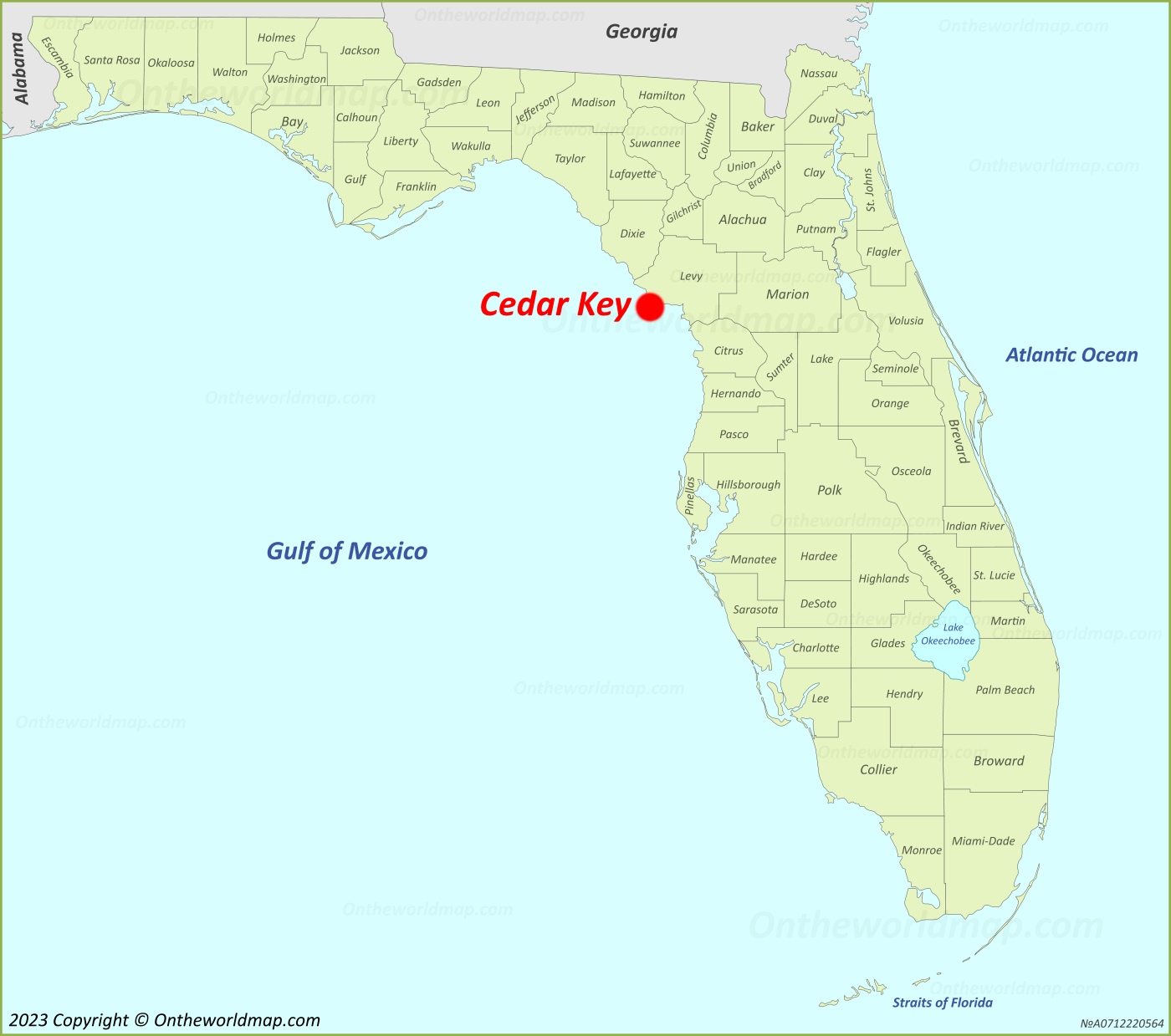
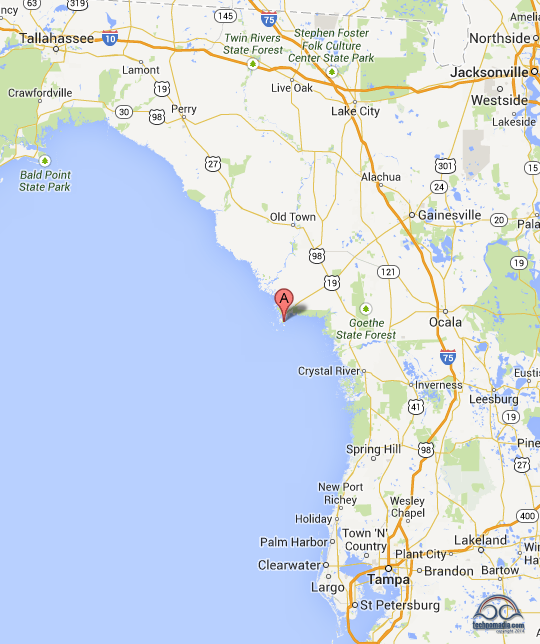
Strategically positioned in the heart of what’s known as Florida’s Nature Coast and the Big Bend region, Cedar Key serves as a gateway to an unparalleled ecosystem. It’s an archipelago of islands located in Levy County, about 50 miles southwest of Gainesville and roughly 130 miles north of Tampa. The city proper is situated primarily on Way Key, one of the larger barrier islands, and is accessible by a scenic causeway that connects it to the mainland. This geographical isolation has been instrumental in preserving its quaint character, protecting it from the overdevelopment that has transformed many other coastal areas in Florida. Its eastern shores gently meet the serene waters of the Gulf of Mexico, creating a stunning backdrop of endless horizons and breathtaking sunsets.
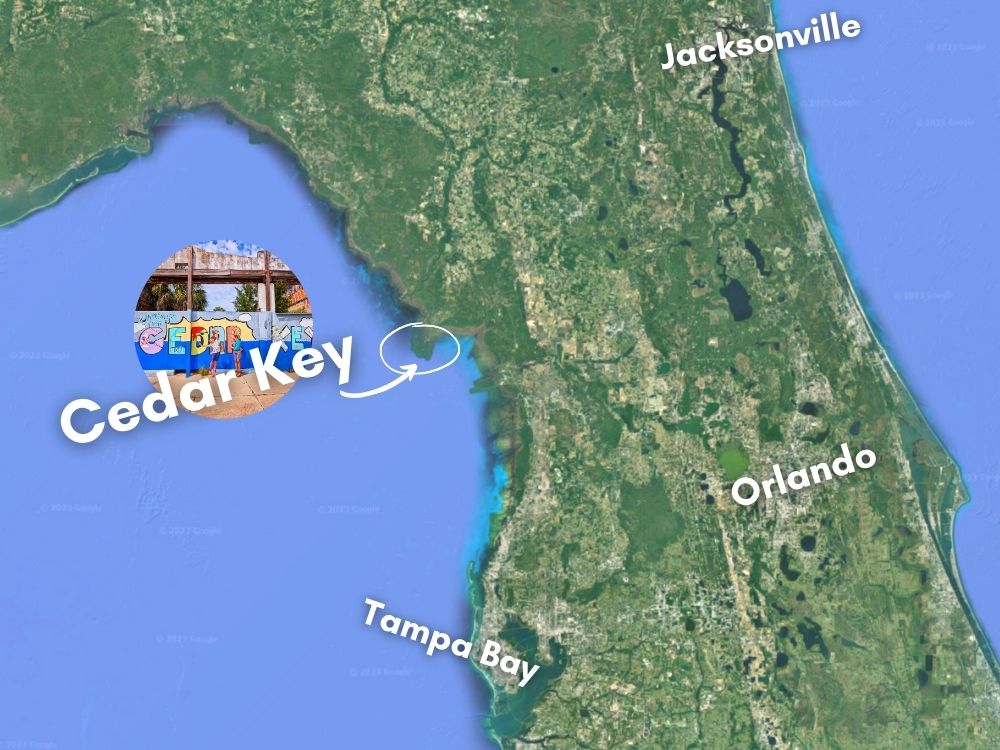
For those planning a road trip through Florida, navigating to Cedar Key is an adventure in itself. From major interstate highways like I-75 or US-19/98, travelers will typically take a picturesque detour along state roads such as SR 24, which winds through charming small towns and untouched natural landscapes before depositing visitors onto the island. The journey itself begins to set the tone, signaling a departure from the ordinary and an immersion into a slower, more deliberate pace of life. This destination appeals to those who prioritize authentic experiences over manufactured attractions, offering a rich tapestry of nature, history, and local culture that truly embodies the essence of Florida’s coastal heritage.
Unveiling Cedar Key: Florida’s Hidden Gem
Cedar Key is more than just a dot on the map; it’s a vibrant community with a soul that pulsates with the rhythm of the tides and the whispers of history. Its appeal lies in its authenticity, a quality increasingly rare in today’s fast-paced world. For travelers seeking a peaceful retreat, an ecological adventure, or a taste of genuine Florida living, Cedar Key offers an irresistible allure. This small island city manages to balance its historical roots with modern-day tourism, creating an experience that is both timeless and refreshing.
Geographical Coordinates and Coastal Charm
Geographically, Cedar Key is strategically positioned at approximately 29.14° N latitude and 83.03° W longitude. This puts it squarely in the sub-tropical climate zone, blessed with warm temperatures year-round, gentle breezes, and ample sunshine – ideal for outdoor activities. The city itself occupies a compact area, making it incredibly walkable and bike-friendly. Its location on the Gulf of Mexico means it is intrinsically linked to the sea, with fishing, clamming, and eco-tourism forming the backbone of its economy and lifestyle. The surrounding islands, many of which are part of the Cedar Key National Wildlife Refuge, create a protective barrier, fostering a unique habitat for a diverse array of bird species and marine life. This geographic setup ensures breathtaking panoramic views, particularly at dawn and dusk, when the sky transforms into a canvas of vibrant hues over the tranquil waters.
A Glimpse into its Rich History
The history of Cedar Key is as captivating as its landscapes. Originally inhabited by indigenous peoples for thousands of years, as evidenced by ancient shell mounds like Shell Mound on the mainland, the area later gained prominence in the 19th century as a bustling port and industrial hub. The island’s namesake, the Eastern Red Cedar, once fueled a thriving pencil wood industry, with vast quantities of timber shipped from its docks. It also served as a crucial port for the Florida Railroad, connecting the Gulf of Mexico to the Atlantic Ocean at Fernandina Beach.
The Civil War brought both hardship and strategic importance to Cedar Key, with Union forces occupying the islands. Post-war, the fishing and timber industries continued to flourish, though a devastating hurricane in 1896 reshaped much of the town and led to a shift towards seafood harvesting. Today, Cedar Key is renowned as a leading producer of farm-raised clams, a testament to its enduring connection to the sea. Visitors can delve deeper into this fascinating past at the Cedar Key Historical Society Museum and the Cedar Key Museum State Park, which preserve artifacts and stories from its vibrant history, offering context to the island’s unique character.
Experiencing Cedar Key: Attractions and Activities
Beyond its geographical coordinates and rich history, Cedar Key truly shines as a destination offering a wealth of attractions and activities designed for those who appreciate nature, culture, and a relaxed pace. It’s a place where every turn reveals a new opportunity for adventure or introspection, perfectly aligning with the interests of travelers seeking genuine experiences.
Nature’s Embrace: Parks and Wildlife
The allure of Cedar Key is deeply intertwined with its pristine natural environment. The aforementioned Cedar Key National Wildlife Refuge, established in 1929, encompasses 13 islands and provides critical nesting and roosting habitat for a myriad of wading birds, shorebirds, and raptors. Birdwatching here is a world-class experience, with opportunities to spot roseate spoonbills, white pelicans, and ospreys. Visitors can explore some of these refuge islands, like Atsena Otie Key, via short ferry rides, discovering historic cemeteries and serene walking trails that lead to secluded beaches.
Just a short drive away on the mainland, the Lower Suwannee National Wildlife Refuge offers an expansive sanctuary of diverse habitats, from tidal swamps to pine forests, through which the legendary Suwannee River flows into the Gulf. It’s a paradise for kayaking, canoeing, hiking, and wildlife photography, providing a deeper immersion into Florida’s untouched wilderness. The combination of these protected areas makes Cedar Key an ideal base for eco-tourism and nature lovers.
Delving into Local Culture and Cuisine
The cultural heartbeat of Cedar Key is palpable, especially along Dock Street, the vibrant epicenter of the town’s social and culinary scene. Here, colorful stilt-built restaurants and shops jut out over the water, offering fresh seafood straight from the Gulf. The local specialty is, without a doubt, the clam. Visitors can savor them in countless preparations: steamed, fried, in chowder, or baked with cheese and bacon. Other regional delicacies include fresh fish, shrimp, and oysters, often served with a Florida twist. Beyond the delectable food, Dock Street is where artists showcase their crafts, musicians play their tunes, and locals and tourists alike gather to enjoy the simple pleasures of island life. The annual Cedar Key Seafood Festival and the Old Florida Celebration of the Arts further highlight the town’s vibrant artistic and culinary traditions, drawing visitors from across the region.
Adventure on the Water and Beyond
Given its coastal location, water-based activities are paramount in Cedar Key. Fishing is a way of life, with charter boats readily available to take anglers out for redfish, trout, and mackerel. Kayaking and paddleboarding offer a tranquil way to explore the calm backwaters and observe wildlife up close. Boat tours provide narrated journeys through the archipelago, detailing the history and ecology of the islands, often including stops for shelling or swimming.
For those who prefer land-based exploration, biking is an excellent option for traversing the island’s quiet streets and enjoying the scenic views. There are also opportunities for unique experiences like collecting shells on deserted beaches or simply relaxing on a pier, watching the fishing boats come and go. The unhurried pace of Cedar Key encourages spontaneity, inviting visitors to simply wander, discover, and let the island’s charm guide their day.
Finding Your Perfect Stay: Accommodation in Cedar Key
As a thriving yet tranquil tourist destination, Cedar Key offers a diverse range of accommodation options to suit various preferences and budgets. From historic inns to modern hotels and quaint vacation rentals, finding the perfect place to unwind is an integral part of the overall travel experience, catering to both luxury and budget travelers, as well as those planning family trips or business stays.
From Cozy Inns to Waterfront Resorts
The island boasts a charming collection of boutique hotels and inns, each with its own character. The historic Island Hotel & Restaurant stands as a landmark itself, offering a glimpse into Cedar Key’s past with its beautifully preserved architecture and a renowned dining experience. For those seeking a more intimate setting, various bed and breakfasts provide personalized service and a cozy atmosphere, often with delightful homemade breakfasts. Options like the Faraway Inn or the Cedar Key Bed and Breakfast exemplify the unique charm and local hospitality that define stays in Cedar Key.
For travelers desiring more space or a longer stay, vacation rentals, including apartments, cottages, and even villas, are widely available. Many of these offer stunning waterfront views, private docks, and fully equipped kitchens, ideal for families or groups. These accommodations provide the flexibility and amenities that allow visitors to truly immerse themselves in the island lifestyle, offering a home-away-from-home experience. While grand resorts are not the primary style of accommodation here, the existing hotels and inns, often with their suites and unique amenities, offer a comfortable and authentic alternative. Booking in advance, especially during peak season or festival dates, is always advisable to secure the best options and prices. Online reviews and comparison sites can be helpful tools in selecting the perfect stay to match individual needs and expectations.
Planning Your Visit: Tips and Practicalities
To make the most of a trip to Cedar Key, a few practical tips can enhance the experience. The best time to visit is typically during the cooler, drier months from October to May, when the weather is ideal for outdoor activities and humidity is lower. Summer months, while warmer, can still be enjoyable for those who don’t mind the heat and occasional afternoon showers, and often bring fewer crowds.
Transportation on the island is relatively easy. Walking and biking are popular methods for getting around the small town. Golf cart rentals are also a convenient and fun way to explore the local streets. While the island is small, bringing a car allows for easy access to nearby mainland attractions like the Lower Suwannee National Wildlife Refuge or for day trips to other Florida destinations. Basic services like grocery stores, pharmacies, and medical clinics are available, ensuring a comfortable stay. Visitors should pack light, breathable clothing, comfortable walking shoes, sunscreen, insect repellent, and a hat, especially if planning to spend a lot of time outdoors.
Why Cedar Key Captivates: A Lifestyle Destination
Cedar Key isn’t just a place to visit; it’s a lifestyle, a philosophy encapsulated in its tranquil atmosphere and community spirit. It appeals to a specific type of traveler: one who values genuine connections, natural beauty, and a slower pace of life over the glitz and manufactured excitement of larger tourist hubs. Whether one seeks luxury travel in a historic setting, a budget-friendly family trip filled with outdoor adventures, or a quiet retreat for a business stay that allows for contemplation, Cedar Key offers a unique proposition.
The charm of Cedar Key lies in its ability to transport visitors to a different era, where porch swings and sunset views take precedence over hurried schedules. It’s a place where local culture is not merely observed but experienced, through conversations with fishermen, artists, and restaurateurs who share their passion for the island. The emphasis here is on sustainable tourism, celebrating the natural environment and supporting local businesses, which contributes to a more authentic and rewarding visitor experience.
For families, Cedar Key provides an educational and engaging environment where children can learn about marine life, history, and the importance of conservation, all while enjoying safe and wholesome outdoor activities. For couples, it offers a romantic backdrop for quiet evenings, delicious meals, and shared adventures. Even for those on a business stay, the serene environment can foster focus and creativity, serving as a refreshing alternative to typical urban settings.
In essence, Cedar Key represents a travel philosophy focused on discovery, relaxation, and appreciation for the simple, profound beauty of nature and community. Its location on the map is more than just coordinates; it’s an invitation to step away from the ordinary and immerse oneself in an unforgettable corner of old Florida. By locating Cedar Key on the map, travelers are not just finding a destination; they are discovering a doorway to a cherished experience that resonates long after the journey ends.
LifeOutOfTheBox is a participant in the Amazon Services LLC Associates Program, an affiliate advertising program designed to provide a means for sites to earn advertising fees by advertising and linking to Amazon.com. Amazon, the Amazon logo, AmazonSupply, and the AmazonSupply logo are trademarks of Amazon.com, Inc. or its affiliates. As an Amazon Associate we earn affiliate commissions from qualifying purchases.