
For any traveler seeking an authentic, vibrant cultural immersion within the bustling metropolis of New York City, the question “Where is Chinatown in New York?” opens the door to an extraordinary destination. Chinatown, Manhattan, is not merely a geographic location; it is a living, breathing testament to the enduring spirit of Chinese immigrants and their profound impact on the fabric of America. As one of the oldest and largest enclaves of Chinese culture in the Western Hemisphere, this neighborhood pulses with a unique energy, offering a sensory feast of sights, sounds, and aromas that transport visitors far beyond the conventional New York City experience.
From its humble beginnings in the mid-19th century, Manhattan’s Chinatown has evolved into a dynamic hub for commerce, cuisine, and cultural celebration. It stands as a beacon for those looking to explore local culture, indulge in diverse food, and discover landmarks steeped in history. For travel enthusiasts and curious explorers, understanding its location, unraveling its layers of history, and navigating its labyrinthine streets are essential steps to unlocking the full potential of this unparalleled destination. Whether you’re on a budget travel adventure or planning a family trip, Chinatown offers an accessible and unforgettable journey.
Pinpointing Chinatown: Location and Neighborhoods
To truly appreciate the essence of New York’s Chinatown, one must first pinpoint its exact location and understand its geographic relationship to the surrounding areas. While the term “Chinatown” might evoke a singular image, New York City is home to several distinct Chinese communities, with the historic Manhattan Chinatown remaining the most famous and culturally significant for visitors.
The Heart of Manhattan’s Chinatown
The primary and most celebrated Chinatown is nestled in Lower Manhattan, a vibrant district south of Canal Street and just east of Broadway. Its irregular borders reflect its organic growth over decades, but generally, it is bounded by Canal Street to the north, Worth Street to the south, Allen Street to the east, and Broadway to the west. This puts it squarely at the crossroads of some of New York City’s most iconic neighborhoods, bordering the trendy boutiques of SoHo, the historic charm of the Lower East Side, and the Italian heritage of Little Italy.
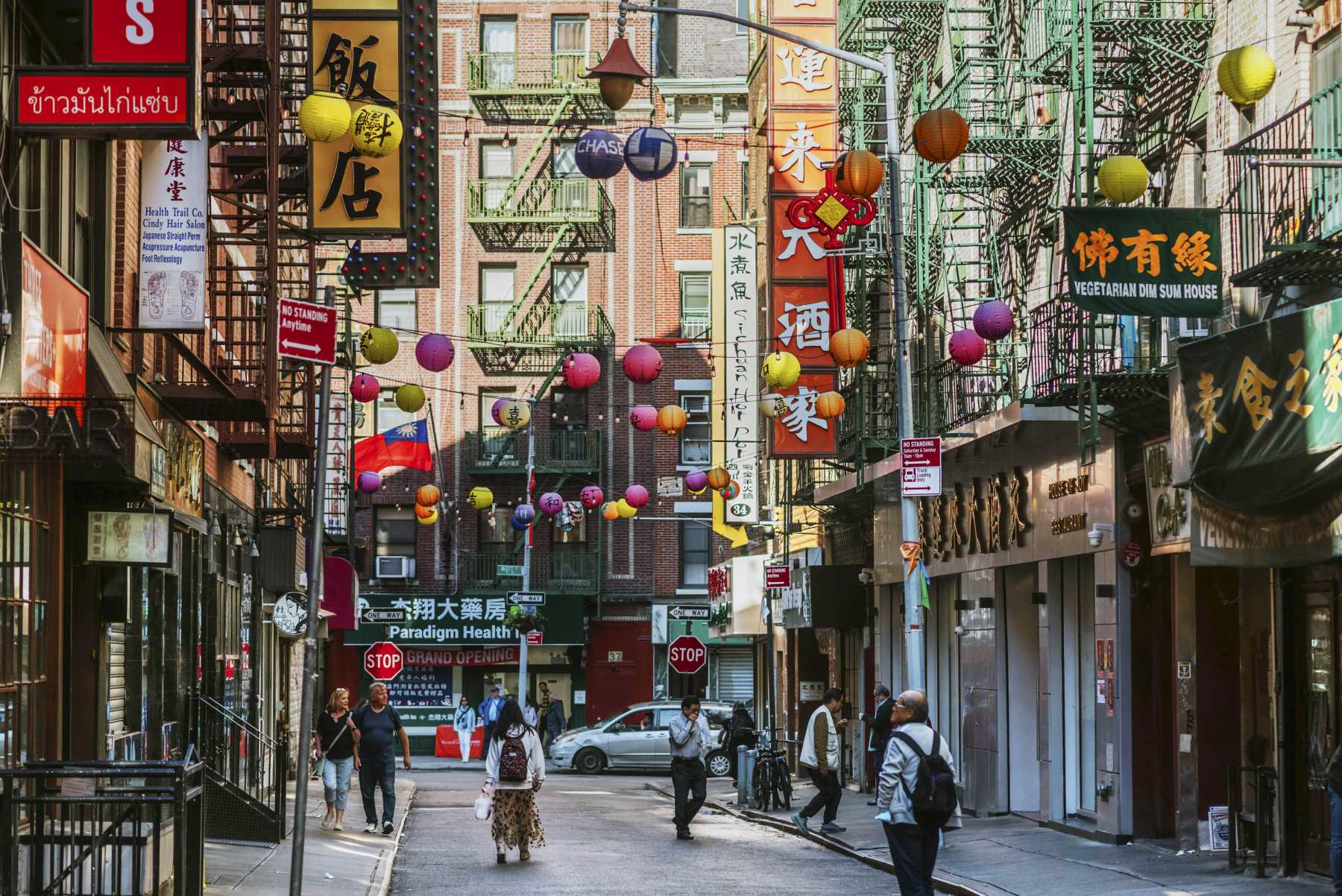
The core of this historic enclave truly comes alive on streets like Mott Street, Doyers Street, and Pell Street. Mott Street, often considered the main artery, is lined with traditional Chinese restaurants, bustling markets selling exotic fruits and fresh seafood, and souvenir shops brimming with unique treasures. Doyers Street, famously known as “Bloody Angle” due to its notorious history of gang violence, now charms visitors with its sharp bend and a delightful array of barbershops, tea houses, and eateries. Pell Street offers a similarly captivating experience, providing a glimpse into the daily life of the community.
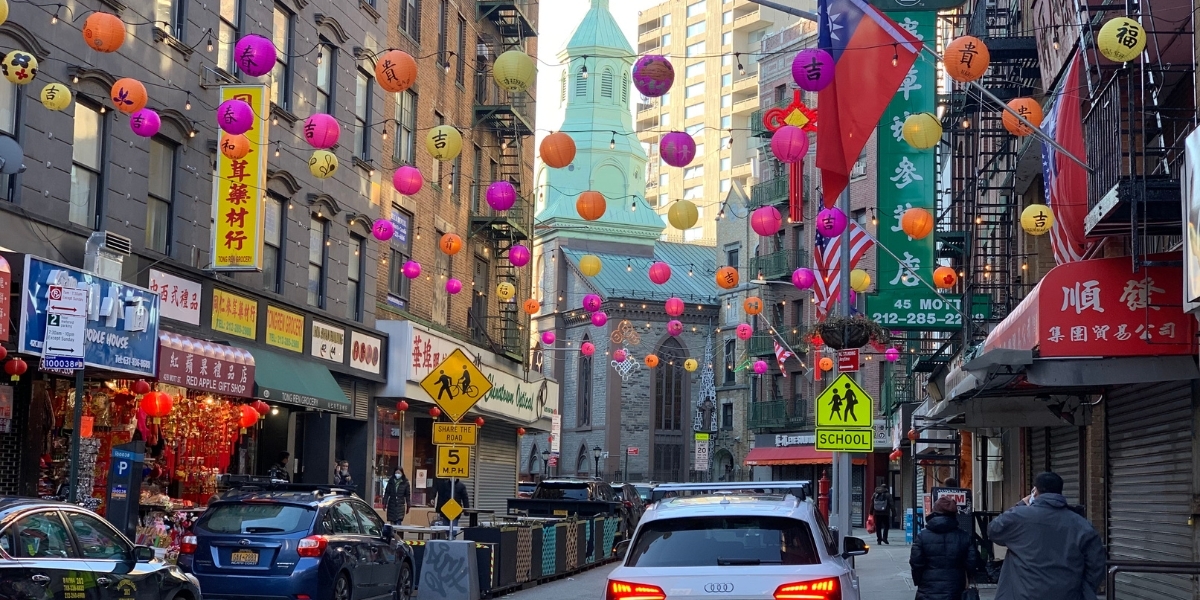
Navigating Manhattan’s Chinatown is an adventure in itself. The narrow, winding streets, often adorned with colorful lanterns and intricate signage, create an atmosphere reminiscent of a bustling city in Asia. The air is thick with the scent of spices, roasted ducks, and freshly baked pastries, while the sounds of various Chinese dialects mingle with street vendors’ calls and the general urban hum. This proximity to other vibrant neighborhoods makes Chinatown an ideal starting point for exploring more of Lower Manhattan’s diverse offerings.
Beyond Manhattan: Other Chinese Enclaves
While Manhattan’s Chinatown holds historical significance and tourist appeal, it is important to acknowledge that New York City is home to other substantial and thriving Chinese communities. The largest, and arguably the most authentically Chinese in terms of population and daily life, is located in Flushing, Queens. This vibrant district boasts an even wider array of regional Chinese cuisines, supermarkets, and cultural institutions, often catering more to recent immigrants and local residents. Similarly, Sunset Park, Brooklyn, hosts a significant Fujianese community, known for its distinct culinary traditions and bustling commercial strips.
These other Chinatowns offer unique perspectives on Chinese-American culture and provide deeper insights for those interested in exploring beyond the well-trodden paths. However, for a first-time visitor seeking the iconic, historic, and easily accessible Chinatown experience often portrayed in media and travel guides, the Manhattan location remains the quintessential destination. Our focus throughout this guide will primarily remain on this historic Lower Manhattan gem.
A Journey Through Culture and History
Stepping into Chinatown is akin to embarking on a journey through time and across continents. It’s a place where tradition meets modernity, where generations of immigrants have woven a rich tapestry of stories, flavors, and customs that are readily accessible to the curious traveler. The area’s deep roots in history, combined with its constant evolution, make it an endlessly fascinating destination for cultural exploration.
Immersive Experiences: Food, Shopping, and Festivals
No visit to Chinatown is complete without indulging in its legendary culinary scene. Food is the beating heart of this community, offering an incredible diversity that goes far beyond generic “Chinese food.” Here, you can savor authentic Cantonese dim sum, spicy Szechuan dishes, delicate Fuzhounese noodles, and a plethora of regional specialties. Famous institutions like Nom Wah Tea Parlor, New York City’s oldest dim sum restaurant, offer a classic experience, while countless smaller eateries and street vendors provide quick, delicious, and incredibly affordable bites. Don’t miss out on bubble tea, fresh pastries from bakeries, or exotic fruits from bustling street markets. Food tours are an excellent way to navigate the options and gain insights into the culinary traditions.

Beyond the plate, shopping in Chinatown is an experience in itself. From traditional herbal shops selling ancient remedies to bustling fish markets where vendors call out their wares, every corner offers something unique. You can find intricate tea sets, silk clothing, lucky charms, handcrafted souvenirs, and a vast array of specialty groceries that are hard to come by elsewhere in New York. It’s a treasure trove for budget travelers looking for distinctive gifts or ingredients to recreate their own culinary adventures.
The vibrant cultural life of Chinatown is perhaps best experienced during its festivals. The Chinese New Year parade is a spectacular event, drawing thousands to witness dragon dances, lion dances, and festive floats that fill the streets with color and sound. The Dragon Boat Festival in the summer is another highlight, showcasing spirited races on the water and a celebration of ancient traditions. These events offer unparalleled opportunities to witness local culture firsthand and participate in communal joyous festivities.
Iconic Landmarks and Hidden Gems
While Chinatown’s charm often lies in its general atmosphere, several specific landmarks stand out, each telling a piece of its rich story. Columbus Park, once part of the notorious Five Points slum, is now the community’s living room. Here, locals gather to play mahjong, chess, or tai chi, offering a fascinating glimpse into daily life and a chance for quiet reflection amidst the urban bustle. It’s a perfect spot to observe the rhythm of the community.
Doyers Street, with its unique sharp bend, is not just historically significant but also visually captivating. Its colorful murals and charming storefronts make it one of the most photographed streets in Manhattan. Nearby, the Mahayana Buddhist Temple on Canal Street houses a colossal golden Buddha statue, offering a serene sanctuary and a window into the spiritual life of the community. It’s a remarkable piece of architecture and a significant religious landmark.
For those interested in a deeper dive into the history and heritage of Chinese Americans, the Museum of Chinese in America (MOCA) is an essential visit. Located on Centre Street, it preserves and presents the rich cultural heritage of Chinese Americans through compelling exhibitions and educational programs. Chatham Square, a historic intersection, acts as a gateway to the neighborhood and features monuments like the Kimlau War Memorial, honoring Chinese-American soldiers. These landmarks, both grand and subtle, enrich the travel experience by providing context and depth to the vibrant street scenes.
Planning Your Visit: Accommodation and Travel Tips
A trip to Chinatown requires a bit of planning to ensure you make the most of your visit, from finding the right accommodation to navigating the bustling streets. Given its prime Lower Manhattan location, Chinatown serves as an excellent base for exploring a wider array of New York City attractions.
Finding the Perfect Stay: Hotels Near Chinatown
While Chinatown itself is not overflowing with large chain hotels, its central location means there are numerous accommodation options within a short walking distance, catering to various preferences and budgets. For travelers seeking convenience and accessibility, hotels in the surrounding neighborhoods of Lower Manhattan like SoHo, Tribeca, and the Lower East Side are ideal.
You’ll find a range of choices, from luxury travel suites and boutique hotels offering unique amenities to more budget-friendly options. Many hotels in these areas provide stylish rooms, excellent dining, and easy access to public transportation, making it convenient to explore Chinatown and beyond. For longer stays or family trips, consider booking apartments or serviced residences that offer more space and kitchen facilities, allowing for a more authentic and comfortable experience. Websites focused on accommodation provide comprehensive booking, reviews, and comparison tools to help you find the perfect fit, ensuring your stay is as memorable as your explorations. Look for hotels that offer amenities like concierge services, fitness centers, and perhaps even rooftop bars with stunning city views, enhancing your overall New York experience.
Navigating and Making the Most of Your Trip
Getting to Chinatown is incredibly easy thanks to New York City’s extensive subway system. Several subway lines serve the area, including the N, Q, R, W, J, Z, 6, B, D, and F trains, with stations conveniently located at Canal Street and Grand Street. Once you arrive, the best way to explore Chinatown is on foot. Wear comfortable shoes, as you’ll be doing a lot of walking, and be prepared for crowded sidewalks, especially on weekends.
The best time to visit Chinatown is typically during the spring or fall months, when the weather is pleasant for walking and outdoor activities. While experiencing Chinese New Year is a unique cultural experience, be prepared for extremely large crowds. Weekday mornings can offer a slightly less hectic atmosphere for exploring markets and shops.
Tips for a seamless experience:
- Cash is King: While many establishments accept credit cards, smaller vendors, markets, and some traditional eateries often prefer or only accept cash. It’s wise to carry small denominations.
- Embrace the Chaos: Chinatown is a bustling, sensory-rich environment. Embrace the noise, the aromas, and the lively atmosphere as part of the authentic experience.
- Language: Most tourist-facing businesses will have English speakers, but learning a few basic phrases in Cantonese or Mandarin can be appreciated by locals.
- Respectful Exploration: When visiting temples or cultural sites, be mindful of local customs and dress codes. Photography is often permitted but always ask if unsure.
- Guided Tours: Consider joining a guided walking tour, especially a food tour. Experts can provide historical context, culinary insights, and help you discover hidden gems you might otherwise miss.
- Budget-Friendly Travel: Chinatown is excellent for budget travel. You can find incredibly affordable and delicious meals, unique souvenirs without breaking the bank, and enjoy the rich cultural experience largely for free simply by exploring its streets.
In conclusion, New York’s Chinatown is more than just a place on a map; it is a vital, dynamic community that offers an unparalleled travel experience. Its strategic location in Lower Manhattan makes it easily accessible, while its rich history, vibrant culture, and world-class culinary scene ensure that every visit is filled with discovery. Whether you are seeking a culinary adventure, a deep dive into history, or simply a taste of authentic Asian culture in the heart of North America, Chinatown stands ready to welcome you with open arms and unforgettable experiences. Make sure to include this extraordinary landmark on your next New York City itinerary.
LifeOutOfTheBox is a participant in the Amazon Services LLC Associates Program, an affiliate advertising program designed to provide a means for sites to earn advertising fees by advertising and linking to Amazon.com. Amazon, the Amazon logo, AmazonSupply, and the AmazonSupply logo are trademarks of Amazon.com, Inc. or its affiliates. As an Amazon Associate we earn affiliate commissions from qualifying purchases.