
Crystal River, Florida, is a gem nestled along the Nature Coast, a captivating stretch of the Gulf Coast known for its abundant natural beauty and unique wildlife. More than just a pin on a map, Crystal River represents an experience, a vibrant community deeply connected to its aquatic environment, and a destination that beckons those seeking an authentic slice of Florida life away from the bustling theme park crowds. This article delves into the precise geographical location of Crystal River, its significance within the state, and the compelling reasons why it deserves a prominent spot on your travel itinerary.

Locating Crystal River: A Geographical Overview
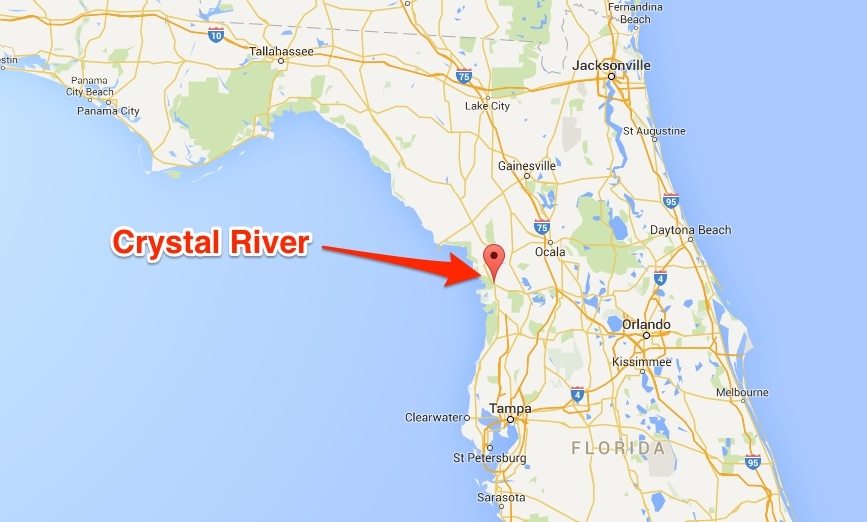
To understand where Crystal River is, we must first place it within the broader context of Florida’s geography. Situated in Citrus County, on the western side of the Florida peninsula, Crystal River is not an island but a mainland coastal city. Its positioning is strategic, offering a unique blend of inland tranquility and direct access to the Gulf of Mexico.
Position on Florida’s West Coast
Crystal River lies approximately 70-75 miles northwest of Tampa, a major metropolitan hub, and roughly 90-100 miles west of Orlando, the state’s entertainment capital. This proximity makes it an accessible day trip or a convenient addition to a longer Florida vacation, yet it feels a world away from the constant hum of city life. Its coordinates place it firmly within the central-western region of Florida, bordering the vast expanse of the Gulf. The city’s coastline is characterized by an intricate network of natural springs, rivers, and mangrove-lined waterways that define its ecological character and recreational opportunities.
The Significance of Citrus County
Citrus County itself is a critical part of understanding Crystal River’s identity. Named for its historical importance in citrus fruit production, the county retains a more rural and natural feel than many other parts of the Sunshine State. Crystal River serves as the largest city and the primary economic and cultural center within Citrus County. This context is vital, as the county’s commitment to preserving its natural resources directly influences the character and appeal of Crystal River as a destination. The area is renowned for its commitment to eco-tourism, with a strong emphasis on protecting the delicate ecosystems that draw visitors year after year.
The Allure of Crystal River: Beyond Its Location
While knowing where Crystal River is geographically is important, understanding its true allure requires exploring what makes it a unique and desirable travel destination. The city’s identity is intrinsically linked to its natural wonders, particularly its famous springs and the marine life that inhabits them.
The Heart of Manatee Country
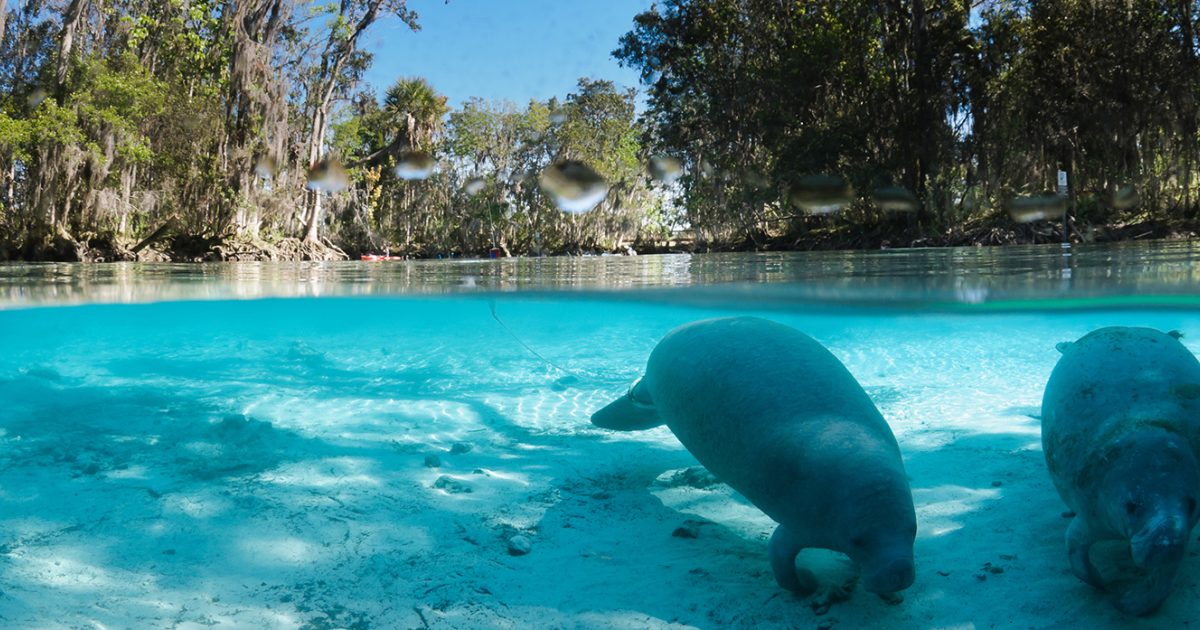
Perhaps the most iconic aspect of Crystal River is its status as the “Home of the Manatee.” This designation is not merely a slogan; it’s a reflection of the region’s critical role as a winter refuge for the gentle, endangered West Indian Manatee. The Crystal River area, with its abundance of natural springs, maintains a constant water temperature of around 72 degrees Fahrenheit year-round. This stable, warm environment is crucial for manatees seeking refuge from the colder waters of the Gulf of Mexico during the winter months.
Experiencing Manatee Encounters
The opportunity to observe and interact with these magnificent creatures in their natural habitat is the primary draw for many visitors. Several tour operators in Crystal River offer guided excursions that allow for swimming, snorkeling, or simply observing manatees from a boat. These experiences are conducted with the utmost respect for the animals, emphasizing conservation and responsible tourism. Protocols are in place to ensure that human interaction does not disrupt the manatees’ natural behaviors. The feeling of floating alongside a manatee in the clear, spring-fed waters is often described as a profound and unforgettable experience, offering a tangible connection to the natural world.
The Crystal River System: A Network of Springs
The city’s name, Crystal River, is derived from the series of natural springs that feed into the river system. These springs are not just picturesque; they are the lifeblood of the region’s ecosystem and a significant recreational resource.
Exploring the Kings Bay and Hunter Springs
The most prominent of these is Kings Bay, a large, shallow estuary that serves as the nexus for many of the area’s manatee habitats and a popular spot for boating and water activities. Within Kings Bay, you’ll find numerous smaller springs, each with its own unique charm. Hunter Springs is a public park that offers a more accessible entry point to the spring waters, perfect for families and casual swimmers. The clarity of the water emanating from these springs is remarkable, offering excellent visibility for snorkeling and diving. The water is so pure and clear that it lives up to the “crystal” moniker, providing breathtaking views of the underwater world.
Activities and Attractions in and Around Crystal River
Beyond its namesake river and the enchanting manatees, Crystal River offers a diverse range of activities and attractions that cater to various interests, making it a well-rounded travel destination. Its location also serves as a gateway to exploring other natural and cultural points of interest in Citrus County and beyond.
Water-Based Adventures
Given its aquatic environment, it’s no surprise that water-based activities dominate the recreational landscape. From fishing charters to kayaking and paddleboarding, the opportunities to explore the waterways are plentiful.
Fishing and Boating Opportunities
The Gulf of Mexico and the intricate network of bays and channels provide excellent fishing grounds. Anglers can pursue a variety of species, including redfish, trout, and snook. Numerous marinas and charter services are available to facilitate fishing expeditions. Boating is also a popular pastime, with options for renting various types of vessels or bringing your own. Navigating the calm waters of Kings Bay or venturing out into the gulf offers a sense of freedom and unparalleled access to the coastal scenery.
Exploring the Natural Landscape
The natural beauty of Crystal River extends beyond its waterways. The surrounding areas are characterized by lush vegetation, diverse wildlife, and a commitment to preserving these natural assets.
Wildlife Preserves and Parks
Citrus County is home to several nature preserves and state parks that offer hiking trails, birdwatching opportunities, and a chance to immerse oneself in the native Florida flora and fauna. The Crystal River Preserve State Park is a prime example, offering boardwalks and trails that wind through coastal habitats, providing glimpses of diverse bird species, including wading birds and migratory visitors. These natural areas are crucial for maintaining the ecological balance of the region and provide tranquil escapes for visitors.
Cultural and Local Experiences
While nature is the star attraction, Crystal River also offers a glimpse into local Florida culture and history. The town itself has a laid-back, coastal charm, and local businesses play a significant role in the visitor experience.
Local Dining and Shopping
The culinary scene in Crystal River often features fresh seafood, with many restaurants offering waterfront dining experiences. Exploring the local shops can reveal unique souvenirs, artisan crafts, and a taste of the community’s spirit. Engaging with local businesses provides a more authentic travel experience and supports the economic vitality of the area. The community’s connection to the sea is evident in many aspects of its culture and daily life.
Planning Your Visit to Crystal River
Understanding where Crystal River is located and what it offers sets the stage for planning a memorable trip. The best time to visit, accommodation options, and transportation considerations are all important factors for a smooth and enjoyable experience.
Best Times to Visit
The ideal time to visit Crystal River largely depends on your primary interests. For those eager to witness manatees, the winter months, from November to March, are prime time. During this period, the manatees congregate in the warmer spring waters in large numbers. Outside of manatee season, spring and fall offer pleasant weather for exploring the natural attractions and enjoying outdoor activities with fewer crowds. Summer can be hot and humid, with the potential for afternoon thunderstorms, but the water remains inviting.
Accommodation Options
Crystal River and its surrounding areas offer a range of accommodation to suit different budgets and preferences. While there aren’t the sprawling mega-resorts found in some other Florida destinations, the lodging options are geared towards comfort and proximity to nature.
Hotels, Motels, and Vacation Rentals
Visitors can find a selection of hotels and motels, many of which are independently owned and offer a more personal touch. For those seeking more space or a home-away-from-home feel, vacation rentals, including apartments and villas, are readily available. Some properties boast direct waterfront access or are situated close to the springs, enhancing the immersive nature of a stay in Crystal River.
Getting To and Around Crystal River
Crystal River’s location offers convenient access for travelers flying into nearby airports or driving from other parts of Florida.
Airport Proximity and Local Transportation
The closest major airports are Tampa International Airport (TPA) and Orlando International Airport (MCO), both of which are a scenic drive away. Renting a car is highly recommended for exploring Crystal River and its surroundings, as it provides the flexibility to visit different springs, parks, and attractions at your own pace. While the city itself is walkable in parts, a vehicle is essential for venturing further afield and fully experiencing what Citrus County has to offer. Public transportation options are limited, reinforcing the value of a personal vehicle for your journey.