
To truly understand a city, one must first understand its place in the world. For Detroit, often heralded as a symbol of American resilience and innovation, its geographic location is far more than just a set of coordinates; it’s a foundational element of its rich history, its economic trajectory, and its vibrant contemporary identity. Far from being an isolated urban center, Detroit sits at a pivotal point that has shaped its destiny and continues to influence its dynamic presence on the global stage. This article delves into the precise location of Detroit and explores how this positioning has forged a unique travel destination, brimming with cultural depth, historical significance, and a captivating modern lifestyle.

Pinpointing Detroit: A Geographic Overview
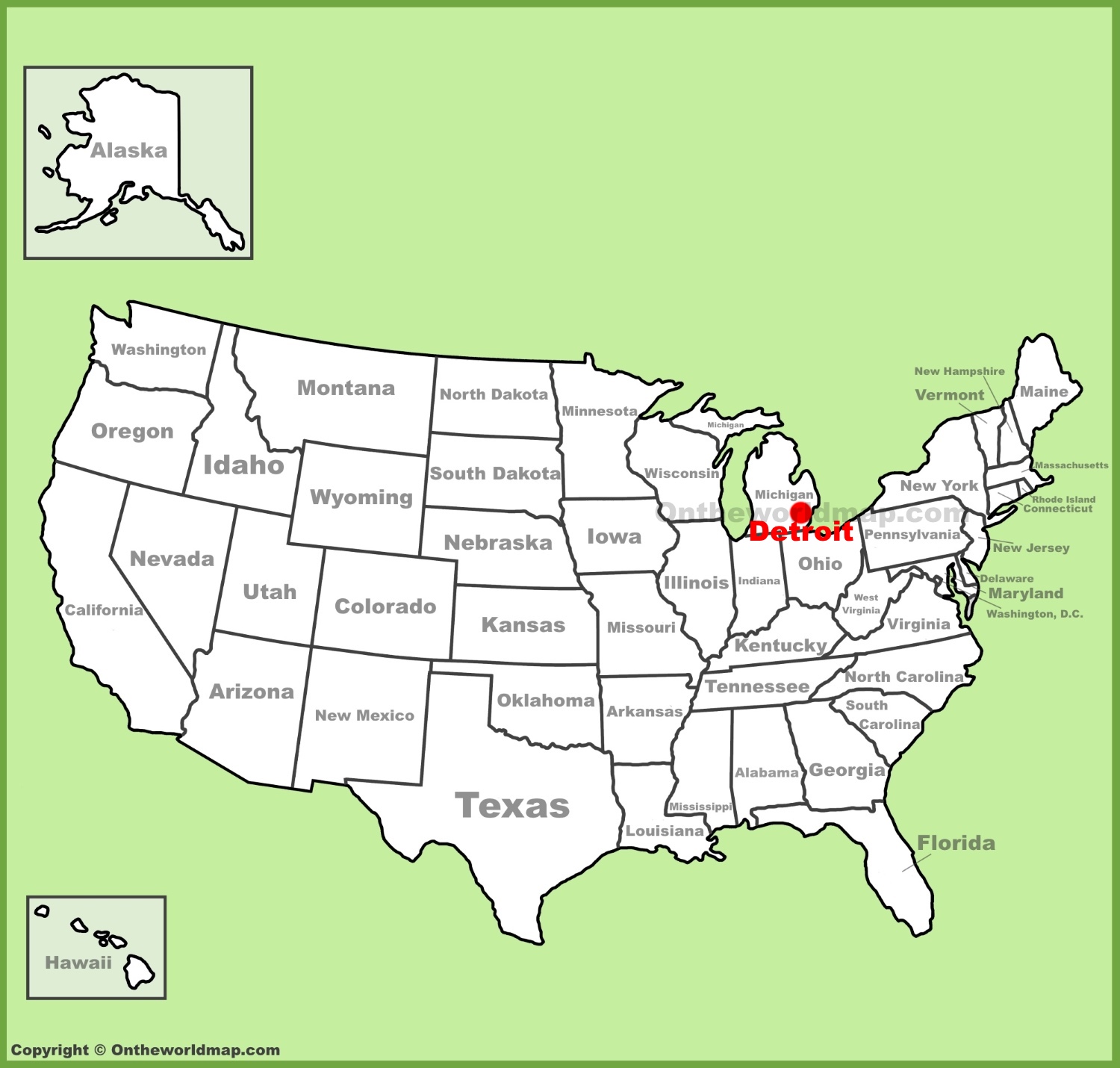
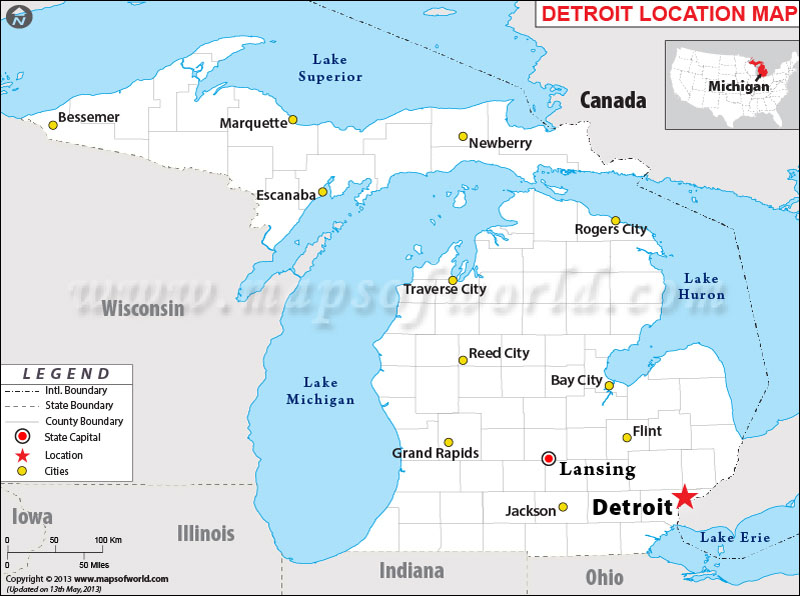
Understanding “Where is Detroit on the map?” begins with a look at its regional and national context. This great city is not just a dot but a cornerstone, strategically placed to harness trade, industry, and a unique cross-border relationship.
Location in the Great Lakes Region
Detroit is prominently situated in the southeastern corner of the state of Michigan, within the United States. Its most distinguishing geographic feature is its location along the Detroit River, a vital waterway that connects Lake St. Clair to Lake Erie, two of the five magnificent Great Lakes. This river also forms a significant portion of the international border between the United States and Canada, placing Detroit directly across from its Canadian counterpart, Windsor, Ontario.
This unique border location makes Detroit one of the busiest international border crossings in North America, facilitating immense trade and cultural exchange via the Ambassador Bridge and the Detroit–Windsor Tunnel. The city’s proximity to the Great Lakes has historically provided a natural advantage for shipping and industry, connecting it to other major North American markets and beyond. This water-rich environment also offers picturesque landscapes, from the bustling port activities to the tranquil beauty of its surrounding parks and waterways.
Historical Significance of its Location
The strategic placement of Detroit has been instrumental since its founding in 1701 by French explorer Antoine de la Mothe Cadillac. Its position on the narrow Detroit River made it a crucial fur trading post and military stronghold, controlling access between the upper and lower Great Lakes. As the United States expanded westward, Detroit became a gateway to the Midwest, attracting settlers and facilitating the movement of goods and people.
However, it was in the early 20th century that Detroit’s location truly cemented its global identity. With abundant access to raw materials via the Great Lakes and a burgeoning workforce, the city became the epicenter of the automotive industry. Companies like Ford, General Motors, and Chrysler transformed Detroit into the “Motor City,” a name that resonated worldwide. This industrial boom attracted millions, shaping the city’s infrastructure, demographics, and cultural tapestry. The city’s location, therefore, is not just geographical, but deeply interwoven with its industrial heritage and its role as a beacon of American manufacturing prowess.
Beyond the Coordinates: Why Visit Detroit?
Knowing where Detroit is on the map is just the beginning; understanding why to visit this remarkable city reveals its true appeal. Once solely defined by its automotive past, Detroit has undergone a dramatic renaissance, emerging as a vibrant hub of arts, culture, innovation, and green spaces, offering diverse experiences for every traveler.
A City Reimagined: Culture, Arts, and Innovation
Detroit’s cultural landscape is as rich and diverse as its history. It is the birthplace of Motown music, and a visit to the Motown Museum (Hitsville U.S.A.) is an absolute must, offering an intimate look at the legends who shaped American sound, from Diana Ross and The Supremes to Stevie Wonder. The city’s artistic heart beats strongly within institutions like the Detroit Institute of Arts (DIA), home to a world-class collection spanning centuries and cultures, including Diego Rivera’s powerful “Detroit Industry Murals.” The Detroit Public Library, an architectural masterpiece itself, also offers cultural programs and a wealth of knowledge.
For entertainment, the historic Fox Theatre and Fisher Theatre host Broadway shows, concerts, and live performances in stunning settings. Modern attractions like the Museum of Illusions Detroit add a contemporary twist to the city’s offerings, engaging visitors with interactive and mind-bending exhibits. The bustling Eastern Market, one of the oldest and largest historic public markets in the United States, is a vibrant showcase of local food, art, and community, particularly on market days.
Beyond the city center, a short drive will take you to Dearborn, home to The Henry Ford Museum of American Innovation and Greenfield Village. This sprawling complex offers an unparalleled journey through America’s past, from presidential limousines to historically significant buildings and industrial marvels, embodying the spirit of invention that defines the nation.
Architectural Marvels and Green Spaces
Detroit’s skyline is a testament to its enduring spirit, showcasing a blend of historic grandeur and modern innovation. The iconic General Motors Renaissance Center, a cluster of seven interconnected skyscrapers, dominates the riverfront and serves as the global headquarters for General Motors. Its observation deck offers panoramic views of the city, the Detroit River, and Windsor.
Other architectural gems include the magnificent Art Deco structures of the Guardian Building and the Fisher Building, both recognized for their intricate designs and lavish interiors, offering a glimpse into the city’s opulent past. Downtown Detroit and Midtown Detroit are perfect for walking tours, revealing hidden gems and stunning facades at every turn.
Complementing its urban landscape, Detroit boasts impressive green spaces that offer respite and recreation. Belle Isle Park, a 982-acre island park designed by Frederick Law Olmsted (who also designed New York City’s Central Park), features a conservatory, an aquarium, a golf course, and stunning views of the city skyline. The award-winning Detroit RiverWalk stretches for miles along the Detroit River, providing a beautiful pathway for walking, jogging, and cycling, with numerous parks, plazas, and event spaces along its course. These natural assets enhance the city’s livability and appeal for both residents and visitors seeking outdoor activities.
Planning Your Stay: Accommodation and Travel Insights
For travelers planning a visit to Detroit, understanding the breadth of accommodation options and efficient ways to navigate the city is crucial for a comfortable and enjoyable experience. The city caters to every preference and budget, ensuring a seamless stay.
Diverse Accommodation Options
Detroit’s revitalization has ushered in a new era of hospitality, offering an array of accommodation choices to suit every travel style and budget. For those seeking luxury travel, Downtown Detroit and Midtown Detroit feature several high-end hotels with premium amenities, exquisite dining, and sophisticated ambiance. Examples include the Detroit Marriott at the Renaissance Center with its stunning views, the chic and stylish Shinola Hotel, and the boutique elegance of The Siren Hotel. For those who enjoy the excitement of gaming, MGM Grand Detroit, MotorCity Casino Hotel, and Hollywood Casino at Greektown offer integrated resort experiences with casinos, spas, and multiple dining options.
Beyond traditional hotels, the city also provides an increasing number of boutique stays, serviced apartments, and vacation rentals, perfect for those desiring a more local experience or needing longer-term accommodation. These options are particularly appealing for family trips or business stays, offering home-like comforts and flexibility. When booking accommodation, it’s advisable to compare prices and reviews on various platforms to find the best fit, whether you’re looking for a sprawling suite, a cozy apartment, or a budget-friendly hotel.
Navigating Detroit: Transportation and Getting Around
Arriving in Detroit is straightforward, primarily through Detroit Metropolitan Wayne County Airport (DTW), a major international hub with extensive connections. From DTW, travelers can reach Downtown Detroit via ride-sharing services, taxis, or various shuttle services.
Once within the city, particularly in the revitalized core of Downtown and Midtown, public transportation offers convenient ways to explore. The QLine, a modern streetcar system, runs along Woodward Avenue, connecting many key attractions, neighborhoods, and business districts. The elevated People Mover provides a quick and efficient loop around Downtown Detroit. For exploring areas further afield or for travelers with specific itineraries, renting a car is a practical option, given Detroit’s automotive heritage and extensive road network. Ride-sharing apps and traditional taxi services are also readily available throughout the metropolitan area.
Experiencing Detroit: Food, Lifestyle, and Unique Activities
Detroit’s revival is particularly evident in its vibrant lifestyle scene, from its burgeoning culinary landscape to its legendary music venues and passionate sports culture. Experiencing Detroit means immersing oneself in its distinctive local culture and embracing the energy of a city continually reinventing itself.
Culinary Journey: From Fine Dining to Food Trucks
The Detroit food scene has exploded in recent years, becoming a compelling destination for gourmands. From upscale establishments in Downtown and Corktown to innovative eateries in Midtown and beyond, the city offers a diverse array of culinary experiences. Visitors can savor farm-to-table cuisine, international flavors from the thriving communities of Mexicantown and Greektown, and a growing number of vegan and vegetarian options.
No trip to Detroit is complete without indulging in its iconic local delicacies. The Coney Island hot dog, a unique hot dog smothered in chili, onions, and mustard, is a quintessential Detroit experience, with fierce rivalries between Lafayette and American Coney Island. The city also boasts incredible deep-dish pizza, often referred to as “Detroit-style pizza,” with its thick, crispy crust and caramelized cheese edges. Beyond these staples, food trucks and pop-up events add to the dynamic gastronomic landscape, ensuring there’s always something new and exciting to taste.
Arts, Music, and Nightlife
Detroit’s musical legacy extends far beyond Motown, encompassing jazz, techno, and rock. Live music venues across the city, from intimate clubs to grand theaters, host a range of local and international acts. The nightlife districts, especially in Downtown, Midtown, and Corktown, buzz with energy, offering everything from trendy cocktail bars and craft breweries to historic speakeasies.
Art is not confined to museums; Detroit is also renowned for its vibrant street art and murals that adorn buildings in various neighborhoods, reflecting the city’s creativity and community spirit. Throughout the year, numerous festivals celebrate Detroit’s diverse culture, including the Movement Electronic Music Festival, the Detroit Jazz Festival, and the Detroit Auto Show (officially the North American International Auto Show), showcasing the city’s enduring connection to the automotive industry.
Sports and Recreation
For sports enthusiasts, Detroit is a dream destination. The city is home to four major professional sports teams: the Detroit Tigers (MLB) at Comerica Park, the Detroit Red Wings (NHL) and Detroit Pistons (NBA) both playing at Little Caesars Arena, and the Detroit Lions (NFL) at Ford Field. Catching a game is an electrifying experience, deeply ingrained in the local culture and providing an authentic taste of Detroit passion.
Beyond professional sports, the city and its surrounding areas offer ample opportunities for outdoor recreation. The expansive Belle Isle Park offers kayaking, cycling, and walking trails. The Detroit RiverWalk provides a scenic route for leisurely strolls or active workouts, connecting multiple parks and attractions. For those seeking active adventures, the city’s commitment to green spaces and public recreation makes it an appealing destination for both relaxation and invigorating experiences.
In conclusion, knowing “Where is Detroit on the map?” is to appreciate its foundational role as a vital port, an industrial powerhouse, and a cross-border gateway. But to truly experience Detroit is to discover a city that has gracefully evolved beyond its industrial roots, blossoming into a vibrant, culturally rich destination. From its unique location on the Detroit River to its world-class museums, cutting-edge cuisine, and diverse accommodation options, Detroit invites travelers to explore a truly American story of innovation, resilience, and rebirth. It is a city that, once visited, leaves an indelible mark, proving that its place on the map is just the beginning of its compelling narrative.