
Glacier Bay National Park and Preserve, a jewel of Alaska’s panhandle, is a place of staggering natural beauty, immense glaciers, and abundant wildlife. For many, it represents the quintessential Alaskan experience, a frontier where raw, untamed nature reigns supreme. But for those planning a visit, a fundamental question arises: “Where is Glacier Bay Alaska?” This vast wilderness area is not a single point on a map but a sprawling sanctuary of ice, water, and towering peaks, primarily accessible from the charming coastal town of Gustavus.
Navigating to Glacier Bay Alaska
Reaching this remote corner of the Last Frontier requires a bit of planning, as it’s not a destination you can simply drive to. The journey itself is part of the adventure, offering a gradual immersion into the Alaskan wilderness.
Getting to Gustavus: The Gateway to Glacier Bay
The primary gateway to Glacier Bay is the small, unincorporated community of Gustavus, located at the southern tip of Chichagof Island and on the western shore of Icy Strait. Gustavus is the closest town to the main accessible areas of the national park, serving as the launching point for most tours and expeditions.
By Air:
The most common and practical way to reach Gustavus is by small aircraft. Alaska Seaplanes and Skagway Air operate scheduled flights from Juneau, the capital of Alaska. These flights offer breathtaking aerial views of the Inside Passage, with its myriad islands, fjords, and snow-capped mountains. The flight from Juneau to Gustavus typically takes around 45 minutes. If you are arriving from further afield, you will likely fly into Juneau International Airport (JNU) first, connecting from larger airports such as Seattle-Tacoma International Airport (SEA).
By Sea:
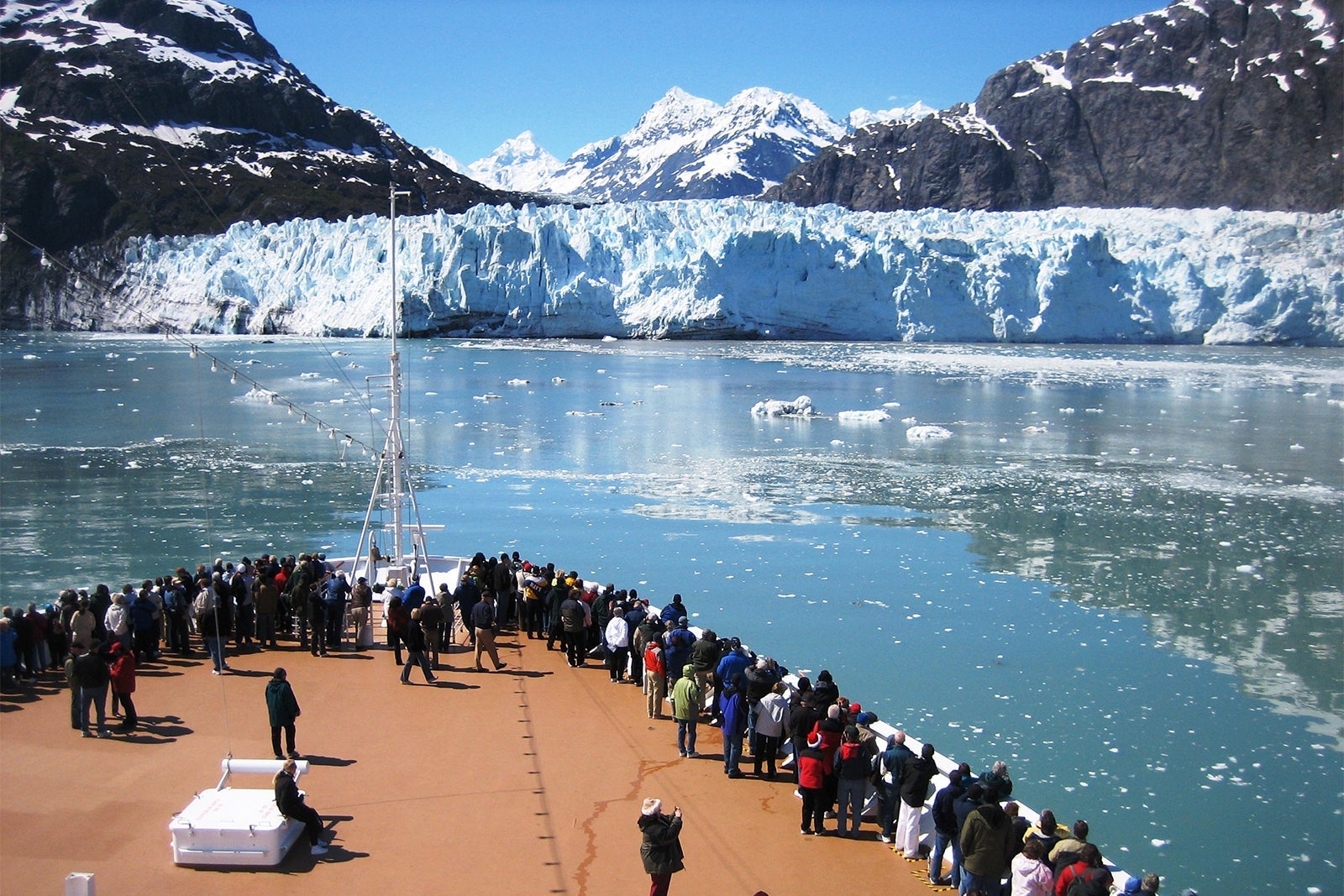
For those who prefer a more leisurely and scenic approach, reaching Gustavus by sea is also an option, though significantly less common for direct access to the park. Large cruise ships often include Glacier Bay as a port of call, offering a spectacular (though often brief) viewing experience from the deck of the ship. However, these ships do not typically dock in Gustavus. Independent travelers can also arrive by private boat or ferry. The Alaska Marine Highway System does not directly serve Gustavus, but it is possible to reach nearby towns and arrange for onward travel. For many, the cruise ship experience is their sole encounter with the grandeur of Glacier Bay Alaska.
Inside Glacier Bay National Park
Once you arrive in Gustavus, the adventure truly begins. The park itself is a massive expanse of protected land and water, encompassing over 3.3 million acres.
Accessing the Bay:
The heart of Glacier Bay National Park and Preserve is the bay itself. From Gustavus, the most common way to explore the glaciers and the wildlife is by boat. Several tour operators based in Gustavus offer a variety of excursions, ranging from half-day sightseeing cruises to full-day expeditions that delve deep into the bay.
Park Ranger-Led Tours:
These tours are highly recommended as they provide invaluable insights into the geology, ecology, and history of the area. Park rangers share their extensive knowledge, pointing out wildlife such as humpback whales, sea otters, harbor seals, and various bird species. They also explain the fascinating dynamics of glacial retreat and the powerful forces that have shaped this landscape.
Independent Exploration:
For the more adventurous, it’s possible to arrange for private boat charters or even sea kayak expeditions. Kayaking offers an intimate and immersive experience, allowing you to paddle close to tidewater glaciers and explore hidden coves. However, independent sea kayaking in Glacier Bay requires significant experience, proper safety gear, and adherence to strict park regulations due to the unpredictable weather and marine conditions.
The Majesty of Glacier Bay Alaska: What to See and Experience
Glacier Bay is not just a location; it’s a living, breathing testament to the power and beauty of nature. Its dramatic landscapes, sculpted by millennia of glacial activity, are a sight to behold.
Iconic Glaciers and Their Stories
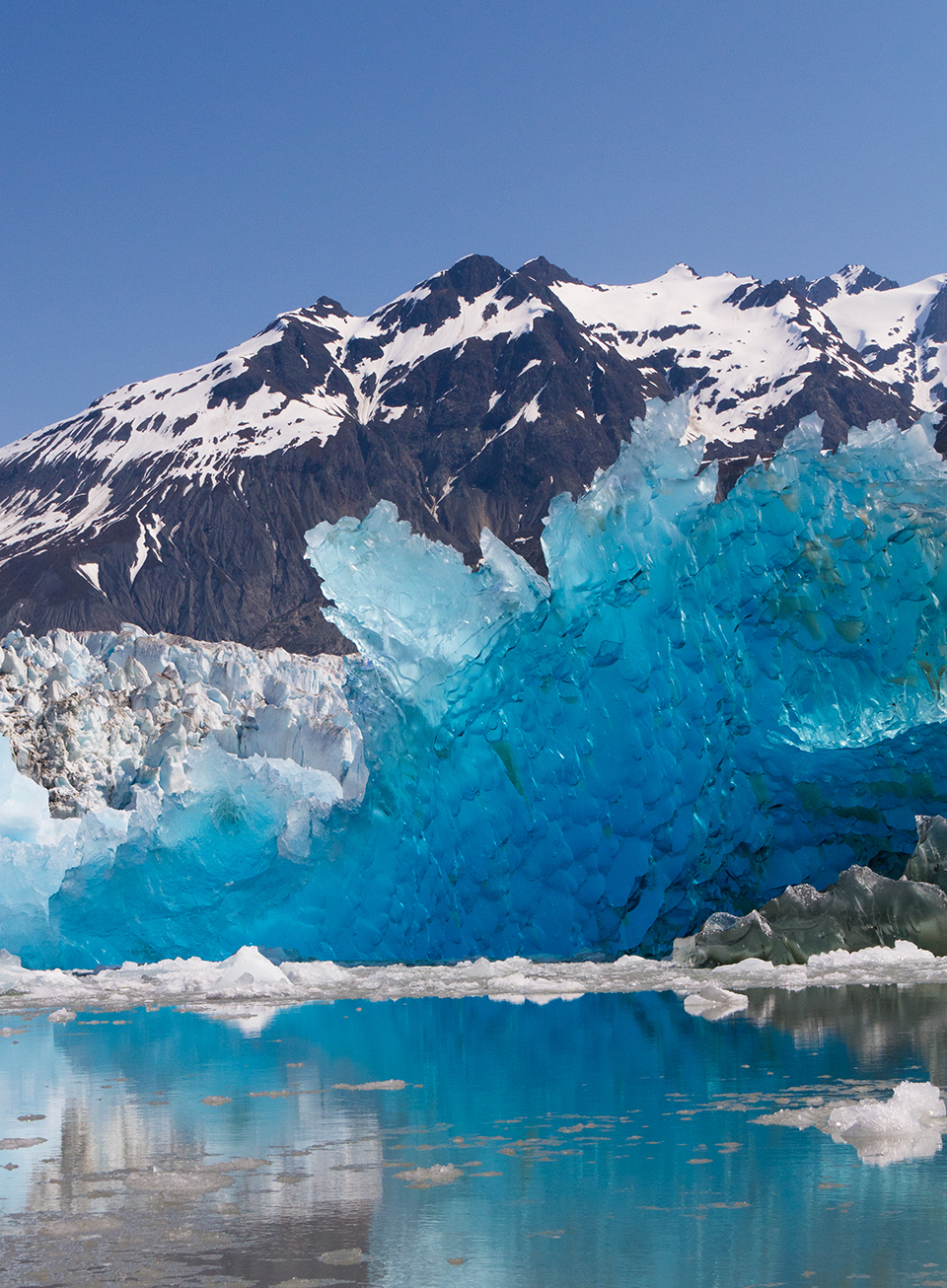
The park is renowned for its active tidewater glaciers, rivers of ice that flow from the mountains and calve icebergs into the sea with thunderous roars.
Margerie Glacier:
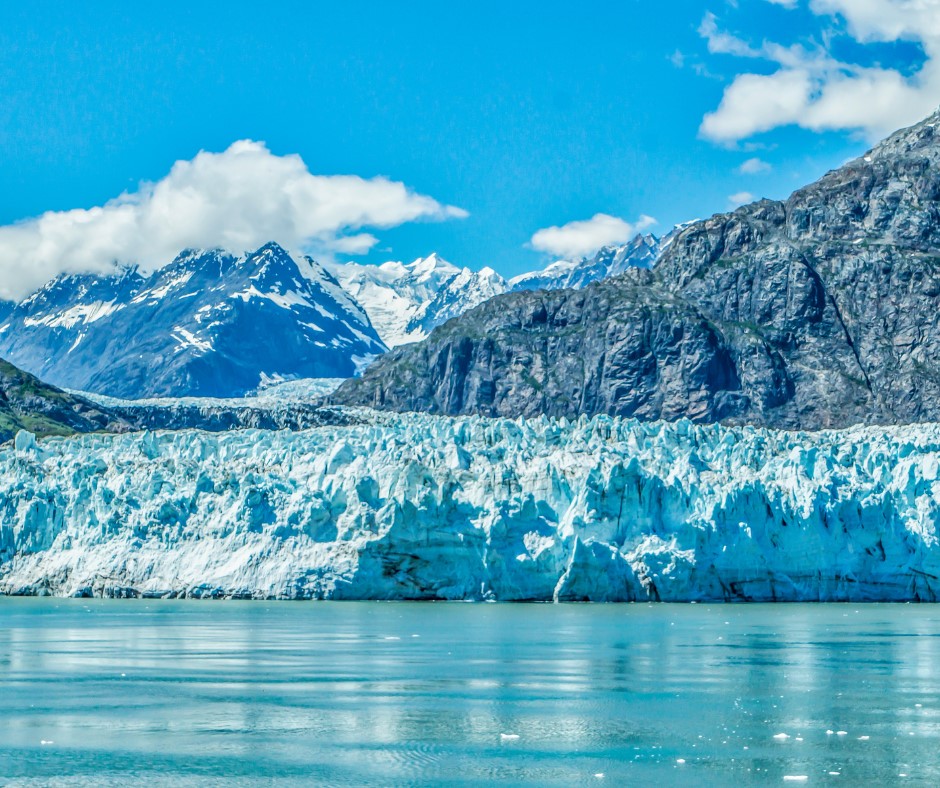
One of the most famous and accessible glaciers is Margerie Glacier. It’s known for its brilliant blue ice and frequent calving events, where large chunks of ice break off and plunge into the bay. Watching a glacier calve is an unforgettable spectacle, a primal display of nature’s power.
Grand Pacific Glacier:
Another significant glacier is the Grand Pacific Glacier, which is larger but often appears darker due to sediment it carries. Its sheer scale is awe-inspiring, reminding visitors of the immense forces at play in shaping this environment.
Other Notable Glaciers:
Other impressive glaciers within the bay include Lamplugh Glacier, Stein Bay Glacier, and North Browning Glacier. Each has its unique characteristics and history, offering a diverse range of glacial landscapes for visitors to explore.
A Haven for Wildlife
Beyond its icy formations, Glacier Bay is a critical habitat for a remarkable array of wildlife. The nutrient-rich waters and diverse terrestrial environments support a thriving ecosystem.
Marine Mammals:
The bay is a prime feeding ground for humpback whales, and sightings are common during the summer months. You may also encounter orcas, sea lions, harbor seals, and the charismatic sea otters, often seen floating on their backs in kelp beds.
Terrestrial Wildlife:
On the shorelines and in the forests, keep an eye out for brown bears and black bears, moose, and various species of mountain goats and ** Dall sheep** in the higher elevations. Birdwatching is also exceptional, with opportunities to see bald eagles, puffins, murrelets, and a host of other seabirds and shorebirds.
Seasons and Wildlife Viewing:
The best time for wildlife viewing is generally from May through September, when the animals are most active and the weather is more favorable. However, the Alaskan environment is dynamic, and wildlife sightings are never guaranteed, adding to the thrill of discovery.
Planning Your Glacier Bay Alaska Adventure
A trip to Glacier Bay Alaska is a once-in-a-lifetime experience. Careful planning will ensure you make the most of your visit to this extraordinary natural wonder.
When to Visit Glacier Bay Alaska
The primary tourism season in Glacier Bay Alaska runs from late May to early September. During these months, the weather is generally milder, the days are long, and most tour operators are in full swing.
Shoulder Seasons:
May and September can offer a more tranquil experience with fewer crowds, but the weather can be more unpredictable, with cooler temperatures and a higher chance of rain or snow. Early spring might still have significant ice in the bay, limiting access for some tours.
Weather Considerations:
It’s crucial to pack for all types of weather, even in the summer. Be prepared for rain, wind, and temperatures that can range from cool to mild. Layering is key to staying comfortable.
Accommodation Options
While Glacier Bay National Park itself does not have hotels within its boundaries, the nearby town of Gustavus offers several lodging options that cater to visitors.
Gustavus Lodges and Inns:
These typically range from comfortable bed and breakfasts to more upscale lodges. Many are family-run and offer a warm, authentic Alaskan hospitality. Some accommodations include meals, and many can assist with arranging tours and transportation within the area. Examples include the Glacier Bay Country Inn and other smaller, intimate properties.
Camping:
For the truly immersed experience, camping is available within Glacier Bay National Park, though it requires permits and careful planning. Designated campgrounds are accessible by boat. Wilderness camping outside of designated areas is also possible with a backcountry permit. This option is best suited for experienced campers and those seeking solitude.
Cruise Ship Stays:
As mentioned, many visitors experience Glacier Bay as part of a cruise. While this doesn’t involve staying in Gustavus, it provides a comfortable and convenient way to witness the bay’s splendor.
Essential Tips for Your Visit
To ensure a safe and enjoyable trip to Glacier Bay Alaska, keep these tips in mind:
- Book in Advance: Especially during the peak season, accommodations and popular tours can fill up quickly.
- Dress in Layers: The weather can change rapidly. Waterproof and windproof outer layers are essential.
- Bring Binoculars: These are invaluable for spotting wildlife at a distance.
- Respect Wildlife: Maintain a safe distance from all animals and never feed them.
- Be Prepared for Seasickness: If you are prone to motion sickness, bring medication, as boat tours can be bumpy.
- Stay Hydrated and Sunscreen: Even on cloudy days, the sun’s rays can be strong, especially at higher latitudes.
- Leave No Trace: Help preserve the pristine beauty of the park by packing out everything you pack in.
Glacier Bay Alaska is a destination that awakens the senses and inspires awe. By understanding where it is and how to get there, you can begin to plan an unforgettable journey into one of North America’s most spectacular natural landscapes.
LifeOutOfTheBox is a participant in the Amazon Services LLC Associates Program, an affiliate advertising program designed to provide a means for sites to earn advertising fees by advertising and linking to Amazon.com. Amazon, the Amazon logo, AmazonSupply, and the AmazonSupply logo are trademarks of Amazon.com, Inc. or its affiliates. As an Amazon Associate we earn affiliate commissions from qualifying purchases.