
The allure of Hawaii is legendary, synonymous with pristine beaches, vibrant culture, and unparalleled natural beauty. But beyond the postcard-perfect images, its true essence, and indeed its very existence, are deeply rooted in its unique geographical position. Situated in the vast expanse of the Pacific Ocean, this archipelago represents one of the most isolated yet captivating landmasses on Earth. Far removed from continental shores, Hawaii’s location has profoundly shaped its geological formation, biodiversity, cultural evolution, and ultimately, its identity as a premier global destination for travelers seeking everything from adventure to serene relaxation. Understanding “where” it is, therefore, is not merely a matter of coordinates on a map, but an exploration of the forces that forged this extraordinary paradise and continue to define the enriching experiences it offers to millions.
The Geographical Heart of the Pacific
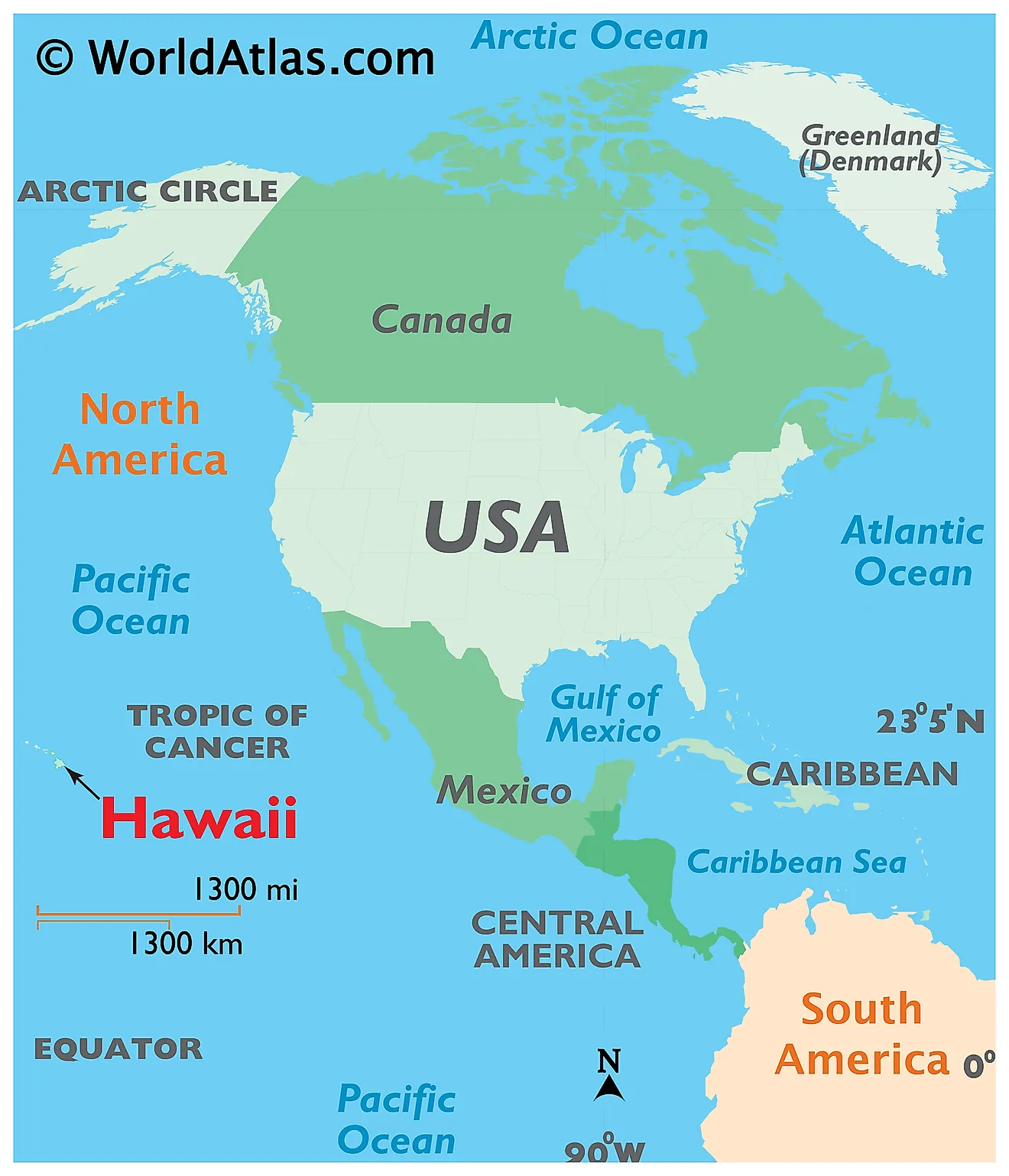
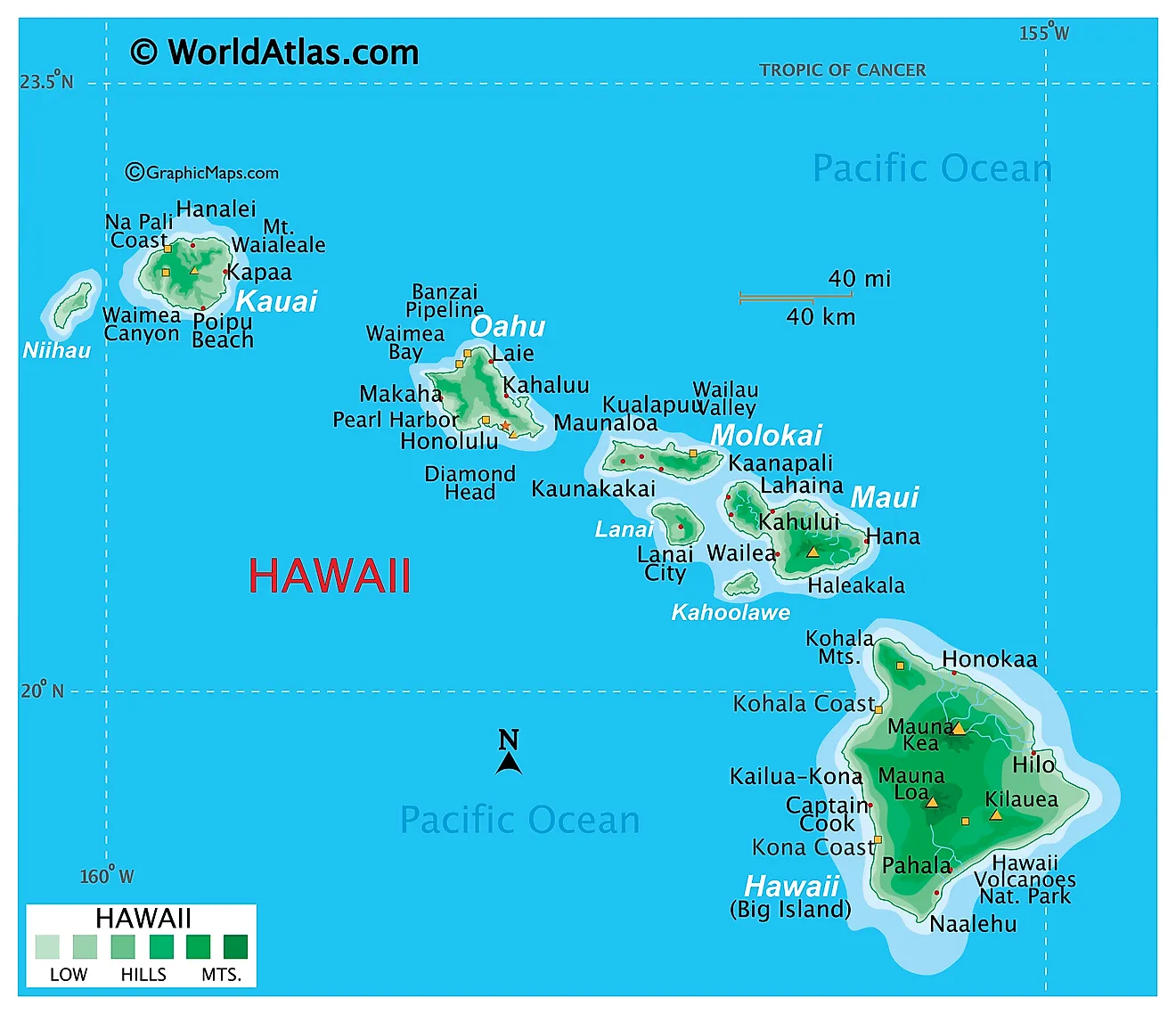
At first glance, the location of Hawaii might seem straightforward – it’s in the Pacific Ocean. However, its specific placement is far more intricate and fascinating, defining its ecological uniqueness and strategic importance. The Hawaiian Islands form an archipelago of 137 islands, islets, and atolls stretching over 1,500 miles, with the eight main islands lying at the southeastern end of this chain. This remote setting is not accidental but a marvel of geological processes that have unfolded over millions of years.
A Remote Archipelago: Distances and Origins
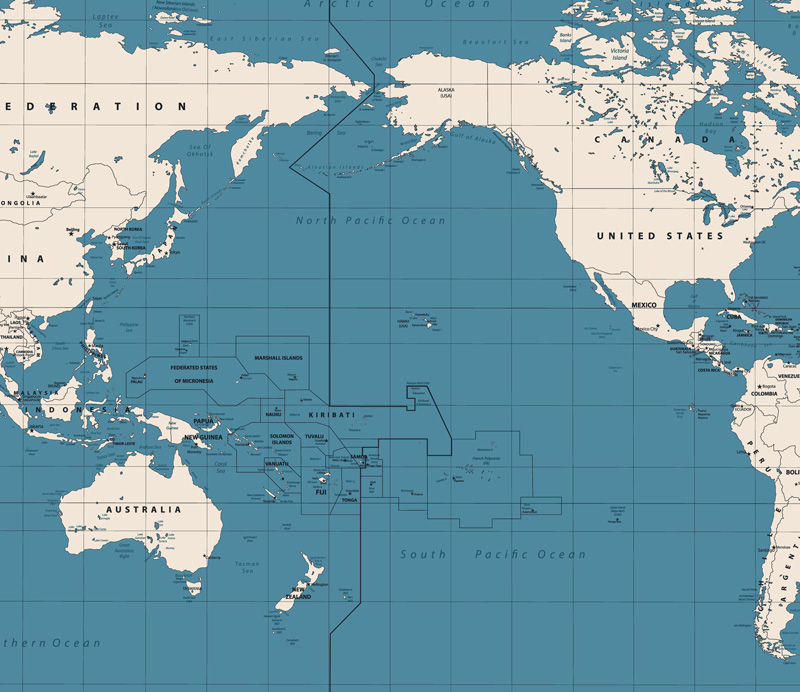
The Hawaiian Islands are situated roughly 2,400 miles (3,860 kilometers) southwest of San Francisco, California, making them the most isolated major population center on Earth. To put this into perspective, Hawaii is approximately 3,850 miles (6,200 kilometers) southeast of Japan and about 4,900 miles (7,900 kilometers) northeast of Australia. This incredible isolation is a defining characteristic, separating it from the continents of North America and Asia by vast stretches of open water.
Geologically, Hawaii is the result of a “hotspot” in the Earth’s mantle, a plume of magma that has remained relatively stationary for millions of years while the Pacific Plate slowly moves northwestward over it. This process has created a conveyor belt of volcanic activity, forming new islands as the plate drifts. The oldest islands in the chain, such as Kure Atoll and the Midway Atoll, are now submerged or eroded, lying far to the northwest. The youngest and largest island, Hawaii Island, often referred to as the Big Island, is still actively forming and growing, home to some of the world’s most active volcanoes. This continuous creation underscores the dynamic nature of Hawaii’s location and its unique geological footprint. As the 50th state of the United States, Hawaii holds the unique distinction of being the only U.S. state located entirely in Oceania, outside of North America.
A Crossroad of Cultures: Influence of Its Position
Hawaii’s remote location did not mean it remained undiscovered. Indeed, its position became a crucial waypoint for some of history’s most intrepid navigators. The first inhabitants were Polynesian voyagers, who, using sophisticated knowledge of stars, currents, and swell patterns, journeyed thousands of miles across the Pacific Ocean in double-hulled canoes, settling the islands between 124 and 1120 AD. Their arrival marked the beginning of a vibrant indigenous culture, shaped by the islands’ resources and isolation.
Centuries later, in 1778, European explorers led by Captain James Cook stumbled upon the islands, forever changing their trajectory. This marked the integration of Hawaii into global trade routes and political landscapes. Its strategic mid-Pacific position later made it a critical coaling station for whaling ships and merchant vessels, and in the 20th century, a vital military outpost for the United States.
Today, Hawaii’s location continues to foster a unique cultural tapestry. It is a melting pot where indigenous Hawaiian traditions blend seamlessly with influences from Asia (especially Japan, the Philippines, and China), Europe, and the American mainland. This cultural fusion is evident in everything from its diverse cuisine and languages to its festivals and the warm, welcoming spirit known as the Aloha Spirit. This rich blend of heritage is a direct consequence of its geographical placement, positioning Hawaii not just as an island paradise, but as a bridge between diverse worlds.
The Island Chain: Jewels of the Pacific
While often referred to collectively, each of Hawaii’s main islands possesses a distinct character, unique attractions, and a range of experiences tailored to different types of travelers. Their individual allure contributes to Hawaii’s reputation as a multifaceted travel destination.
Oahu: The Gathering Place
Oahu is the third-largest Hawaiian island but home to the majority of the state’s population and its capital, Honolulu. Its nickname, “The Gathering Place,” perfectly encapsulates its role as the vibrant hub of Hawaiian life, blending urban sophistication with stunning natural beauty. The iconic crescent of Waikiki Beach is a world-renowned stretch of sand, famous for its surfing lessons, lively nightlife, and an impressive array of hotels and resorts. Here, you’ll find everything from luxurious high-rise properties like the Four Seasons Resort Oahu at Ko Olina or the Ritz-Carlton Residences, Waikiki Beach to family-friendly options such as the Hilton Hawaiian Village Waikiki Beach Resort, catering to diverse budgets and preferences.
Beyond Waikiki, Oahu offers profound historical significance at Pearl Harbor, a somber yet essential visit that commemorates a pivotal moment in global history. For surf enthusiasts and those seeking a more laid-back vibe, the legendary North Shore beckons with its powerful winter waves at famous breaks like Banzai Pipeline and Waimea Bay. Adventurous travelers can hike to the summit of Diamond Head for panoramic views of Honolulu and the coastline, or explore the lush landscapes of Manoa Valley. Oahu’s dynamic environment ensures that every visitor finds their perfect Hawaiian experience, whether it’s cultural immersion, thrilling water sports, or simply basking in the sun.
Maui: The Valley Isle
Maui, known as “The Valley Isle,” is celebrated for its romantic landscapes, diverse microclimates, and vibrant artistic communities. It strikes a balance between the bustling energy of Oahu and the serene tranquility of the less developed islands. A must-do experience on Maui is witnessing the sunrise from the summit of Haleakala National Park, an otherworldly volcanic crater. The winding, picturesque Road to Hana offers a journey through lush rainforests, past cascading waterfalls, and alongside breathtaking coastal views.
The island’s western and southern shores, particularly areas like Wailea and Lahaina, are home to some of Hawaii’s most exclusive resorts and beautiful beaches. Wailea boasts opulent resorts like the Grand Wailea, A Waldorf Astoria Resort, offering world-class amenities and pristine oceanfront access. During the winter months, Maui transforms into one of the best places globally for whale watching, as humpback whales migrate to its warm, shallow waters. Whether you’re seeking luxury relaxation, adventurous exploration, or cultural experiences, Maui provides an idyllic backdrop for an unforgettable Hawaiian getaway.
Hawaii Island (The Big Island): Land of Volcanoes
The Big Island is the youngest and largest of the Hawaiian Islands, living up to its name by being bigger than all the other islands combined. Its nickname, “Land of Volcanoes,” refers to the active volcanoes within Hawaii Volcanoes National Park, where visitors can witness the raw power of creation firsthand, often seeing lava flows (when conditions permit) and steam vents. This island boasts an incredible diversity of landscapes, from black sand beaches like Punalu’u Beach to the snow-capped peaks of Mauna Kea, the world’s tallest mountain when measured from its base on the ocean floor.
The Kona side of the island, known for its sunny weather, offers excellent snorkeling, deep-sea fishing, and renowned Kona coffee plantations. On the other hand, the lush, rainy Hilo side is home to botanical gardens and dramatic waterfalls. Hawaii Island appeals to adventure seekers and nature lovers who wish to explore diverse ecosystems and experience the geological forces that continue to shape the archipelago.
Kauai: The Garden Isle
Kauai, famously known as “The Garden Isle,” is a verdant paradise characterized by dramatic cliffs, cascading waterfalls, and lush rainforests. Its landscape has served as the backdrop for numerous Hollywood films, thanks to its stunning natural beauty. The crown jewel of Kauai is undoubtedly the Na Pali Coast, a rugged stretch of coastline featuring towering emerald-green cliffs, deep valleys, and hidden beaches, best explored by helicopter, catamaran, or via the challenging Kalalau Trail.
Another natural wonder is Waimea Canyon, often called the “Grand Canyon of the Pacific,” which offers breathtaking panoramic views of its vast, colorful chasms. Kauai is an ideal destination for those seeking tranquility, hiking, kayaking, and a deep immersion in nature. Smaller, more intimate accommodations, from charming boutique hotels to luxurious villas, dot the coastline, offering a more secluded and peaceful Hawaiian experience.
Beyond these four major islands, Molokai offers a glimpse into old Hawaii with its untouched natural beauty and strong cultural roots, while Lanai, “The Pineapple Isle,” provides an exclusive, luxurious retreat, largely dominated by upscale resorts like the Four Seasons Resort Lanai. Each island contributes a unique flavor to the Hawaiian experience, ensuring that Hawaii’s geographical spread caters to every traveler’s dream.
Planning Your Hawaiian Escape: Travel, Accommodation, and Lifestyle
Hawaii’s remote yet central Pacific Ocean location makes it an aspirational destination for many. Planning a trip requires consideration of logistics, choosing the right accommodation, and embracing the distinct lifestyle offered by these islands.
Getting There and Around: Bridging the Pacific
Accessing Hawaii typically involves a long flight, underscoring its isolated position. The primary gateway is Daniel K. Inouye International Airport (HNL) in Honolulu, Oahu, which receives direct flights from numerous cities across the United States, Asia, Australia, and other Pacific nations. Other major airports, such as Kahului Airport (OGG) on Maui and Kona International Airport (KOA) on the Big Island, also handle direct flights, primarily from the U.S. mainland.
Once in Hawaii, inter-island travel is most commonly done via short flights on local airlines like Hawaiian Airlines or Mokulele Airlines, connecting the main islands efficiently. For exploring each island, renting a car is highly recommended, offering the freedom to discover hidden beaches, scenic drives, and local eateries beyond the main tourist zones. While public transportation is available in Honolulu (TheBus), it’s less comprehensive on other islands. Many hotels and resorts offer shuttle services, and ride-sharing apps are also present in more populated areas.
Where to Stay: Hotels, Resorts, and More
Hawaii’s accommodation landscape is as diverse as its scenery, catering to every budget and travel style. From opulent luxury resorts to charming boutique hotels, family-friendly apartments, and secluded villas, the options are plentiful.
Luxury Resorts: For those seeking unparalleled service and amenities, Hawaii boasts world-class resorts. On Oahu, The Kahala Hotel & Resort offers secluded elegance away from the Waikiki bustle, while Maui’s Four Seasons Resort Maui at Wailea is a benchmark for tropical luxury. These properties often feature private beaches, infinity pools, gourmet dining, and extensive spa facilities.
Mid-Range Hotels: Numerous hotels offer comfortable stays with excellent amenities without the ultra-luxury price tag. Brands like Hyatt Regency, Marriott, and Outrigger Hotels are well-represented across the islands, providing good value and convenient locations, especially in popular areas like Waikiki.
Vacation Rentals (Apartments, Villas, Condos): For families, groups, or those preferring a more independent travel style, vacation rentals offer kitchens, multiple bedrooms, and a sense of “home away from home.” Platforms like Airbnb and VRBO list countless options, from beachfront condos to sprawling private villas. These can be particularly appealing for long-term stays, offering a cost-effective way to experience local living.
Budget-Friendly Options: Hostels, guesthouses, and smaller, locally-owned hotels provide more affordable alternatives, particularly on Oahu and the Big Island. Camping is also an option in designated state and county parks, allowing for an immersive, nature-focused experience.
When booking accommodation, it’s wise to consider the island’s unique atmosphere and your travel objectives. Are you seeking vibrant nightlife, secluded tranquility, or active adventure? The choice of lodging significantly enhances the overall experience of your Hawaiian journey.
Embracing the Hawaiian Lifestyle
The unique location of Hawaii has fostered a distinctive lifestyle that captivates visitors. It’s a blend of outdoor activity, relaxation, and a deep respect for nature and culture.
Activities and Attractions: Hawaii’s position in the Pacific gifts it with ideal conditions for a plethora of activities. Surfing, snorkeling, scuba diving, and paddleboarding are quintessential experiences in its warm, clear waters. On land, hiking through volcanic landscapes, lush rainforests, and along dramatic coastlines offers breathtaking vistas. Cultural activities like attending a traditional luau provide insights into Hawaiian history, music, and dance, often featuring delicious Kalua pig and Poké. Golfers will find world-class courses with stunning ocean views, while spa enthusiasts can indulge in rejuvenating treatments incorporating local ingredients.
Cuisine: Hawaiian cuisine is a reflection of its cultural melting pot. Fresh seafood is a staple, prepared with Polynesian, Asian, and Western influences. Don’t miss trying local specialties such as poi (pounded taro), lau lau (steamed pork and fish wrapped in taro leaves), and tropical fruits like mangoes, papayas, and pineapples straight from the source. The farm-to-table movement is strong in Hawaii, with many restaurants sourcing ingredients from local farms.
Travel Styles: Hawaii caters to all types of travelers.
- Luxury Travel: Exclusive resorts, private villas, gourmet dining, and personalized tours offer an indulgent experience.
- Budget Travel: Hostels, camping, self-catering accommodation, and exploring free natural attractions can keep costs down.
- Family Trips: Kid-friendly resorts with pools and activities, calm beaches, and educational sites like Pearl Harbor make Hawaii a fantastic family destination.
- Business Stays: Honolulu, in particular, offers modern conference facilities and business-friendly hotels for bleisure trips, combining work with leisure.
- Long-term Stays: The appealing climate and relaxed pace of life make Hawaii an attractive option for digital nomads or those seeking an extended escape.
Embracing the Aloha Spirit – a philosophy of kindness, hospitality, and respect – is key to a fulfilling Hawaiian journey. This deep cultural value, born from the islands’ history and environment, enriches every interaction and experience.
In conclusion, Hawaii’s location in the middle of the Pacific Ocean is more than just a geographical fact; it is the cornerstone of its identity. This isolation has not only sculpted its dramatic volcanic landscapes and fostered a unique ecosystem but has also shaped a vibrant culture born from ancient Polynesian wisdom and centuries of diverse influences. For the discerning traveler, Hawaii offers an unparalleled tapestry of experiences, from the bustling energy of Waikiki to the serene majesty of Na Pali Coast, all underpinned by the profound sense of place that its unique location imparts. It is this extraordinary confluence of geography, history, and culture that continues to draw visitors from across the globe, eager to discover their own piece of paradise in the heart of the Pacific.
LifeOutOfTheBox is a participant in the Amazon Services LLC Associates Program, an affiliate advertising program designed to provide a means for sites to earn advertising fees by advertising and linking to Amazon.com. Amazon, the Amazon logo, AmazonSupply, and the AmazonSupply logo are trademarks of Amazon.com, Inc. or its affiliates. As an Amazon Associate we earn affiliate commissions from qualifying purchases.