
Hawaii stands as a unique and breathtaking jewel, a destination unlike any other within the United States. Its location on the map is one of its most defining characteristics, setting it apart from the continental mainland and contributing to its unparalleled charm, distinct culture, and mesmerizing landscapes. Often referred to as the “Aloha State,” Hawaii is not just a collection of islands; it’s a vibrant tapestry woven from volcanic origins, ancient Polynesian heritage, and American influence, all situated thousands of miles from the nearest continent.
For anyone planning a dream getaway, understanding where Hawaii truly lies is the first step in appreciating its extraordinary appeal. It’s an archipelago that beckons travelers with its promise of adventure, relaxation, and a deep connection to nature and a rich cultural past. This article will delve into Hawaii’s geographical positioning, its fascinating journey to statehood, and the myriad of experiences it offers, from luxurious resorts to exhilarating outdoor activities, making it an essential entry on any travel enthusiast’s bucket list.
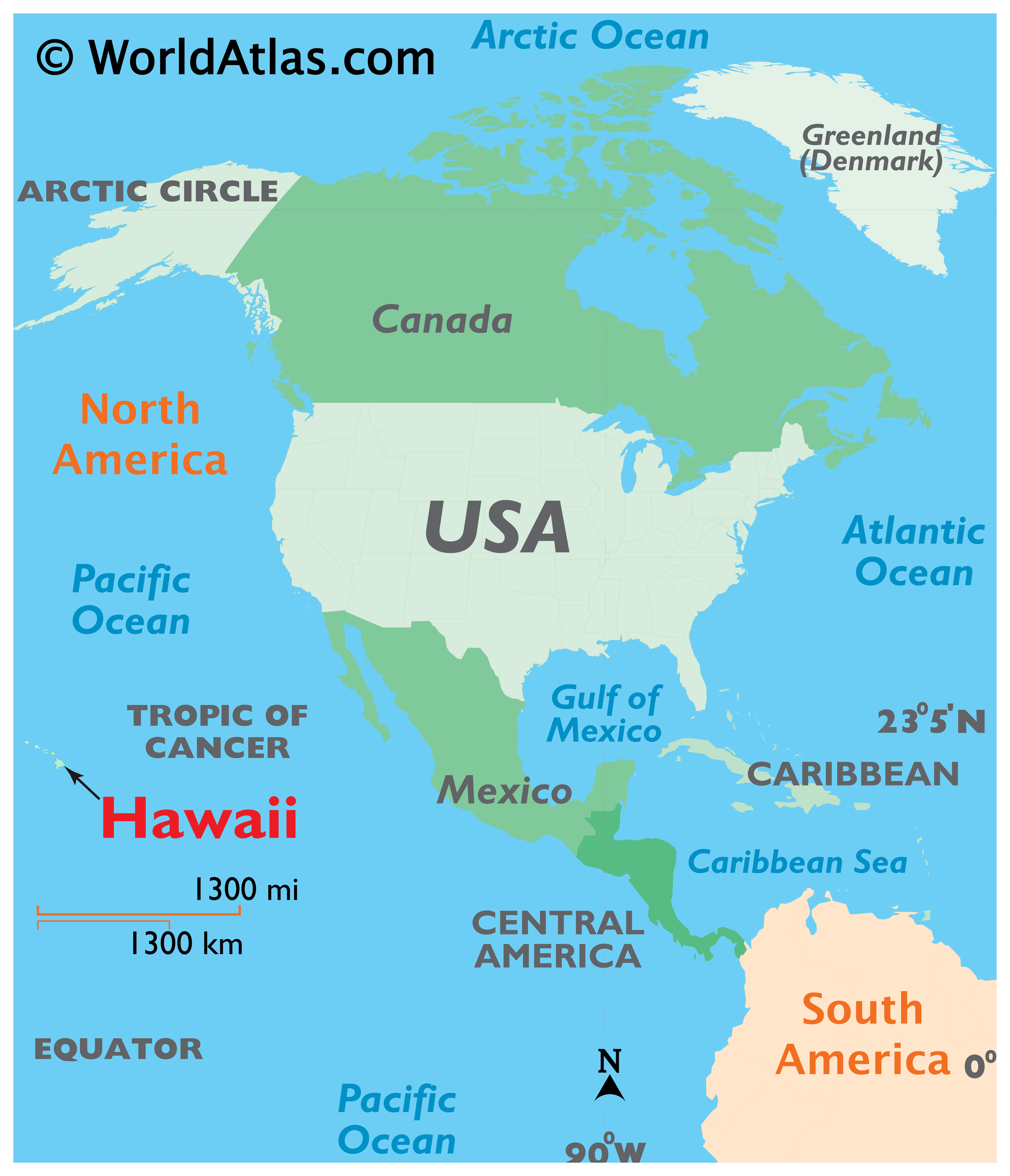
A Unique Jewel in the Pacific: Understanding Hawaii’s Geography
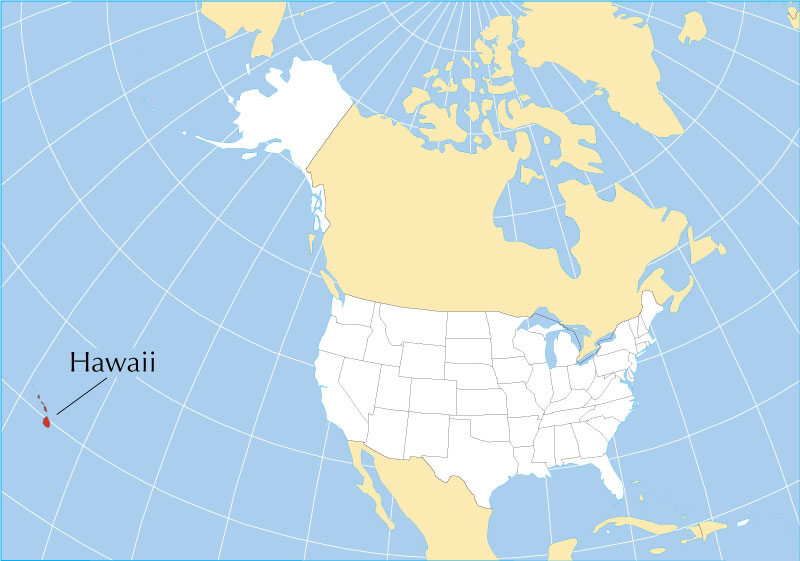
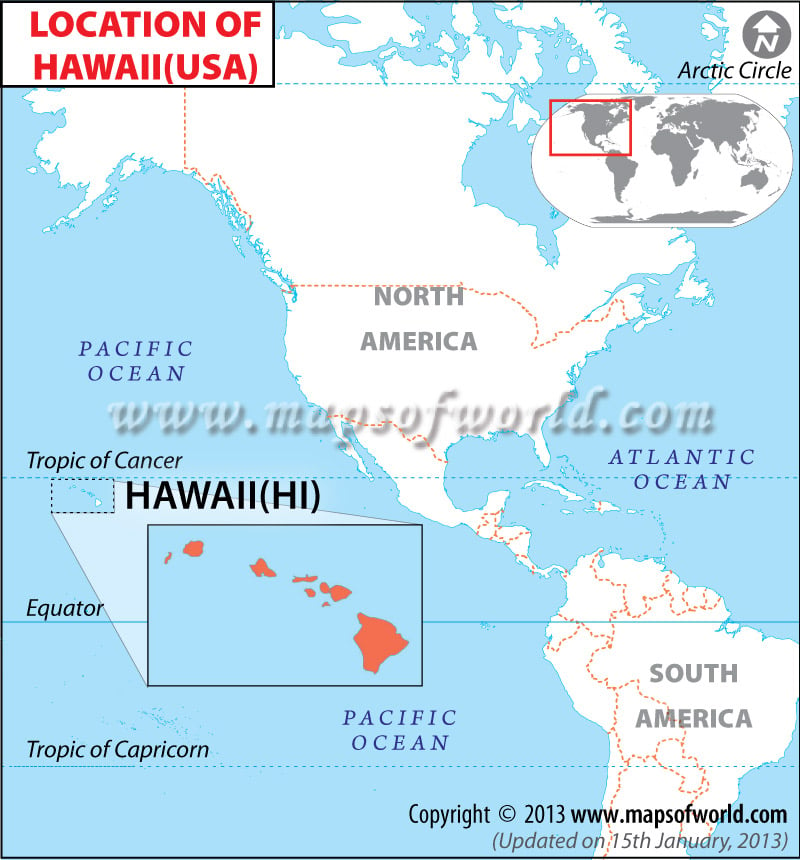
When you look at a map of the United States, Hawaii is typically depicted in an inset, far removed from the lower 48 states. This isn’t merely a cartographic convenience; it accurately reflects its profound isolation in the vast Central Pacific Ocean. As the 50th and most recent state to join the USA, Hawaii holds the unique distinction of being the only state located entirely outside of North America. It’s also the only state composed entirely of islands.
This extraordinary geographical placement is fundamental to Hawaii’s identity. It means a journey to Hawaii is truly an oceanic adventure, transporting visitors to a realm where lush rainforests meet pristine beaches, and towering volcanoes rise dramatically from the sea.
The Aloha State’s Archipelagic Nature
Hawaii is an archipelago, a chain of islands formed by volcanic activity over millions of years as the Pacific Plate moved over a stationary hotspot. There are eight main islands, along with hundreds of smaller islets and atolls stretching over 1,500 miles. The primary inhabited islands, from northwest to southeast, are Niihau, Kauai, Oahu, Molokai, Lanai, Maui, Kahoolawe, and the Big Island (officially known as Hawaii Island).
Each of these islands boasts its own distinct personality and attractions. Oahu, home to the state capital Honolulu and the world-famous Waikiki Beach, is often the first point of entry for many travelers, bustling with city life and iconic landmarks. Maui is celebrated for its luxurious resorts, stunning drives like the Road to Hana, and the majestic dormant volcano Haleakala National Park. The Big Island lives up to its name, being the largest and still growing thanks to the active volcanoes Kilauea and Mauna Loa within Hawaii Volcanoes National Park, also featuring the towering Mauna Kea. Kauai, often called the “Garden Isle,” is renowned for its dramatic Na Pali Coast and the breathtaking Waimea Canyon.
This volcanic origin places Hawaii at the heart of the “Pacific Ring of Fire,” contributing to its incredibly diverse terrain, from black sand beaches on the Big Island to verdant cliffs on Kauai. The natural beauty that arises from this geological activity is a major draw for tourism and an inspiration for the unique Hawaiian lifestyle.
Distance and Isolation: A Key Part of its Charm
The sheer distance separating Hawaii from the continental United States is substantial. The closest major mainland city, San Francisco, is approximately 2,400 miles away. Los Angeles is similar, and distances increase when flying from cities further north like Seattle or Portland. This isolation, while making travel a longer endeavor, is precisely what has allowed Hawaii to preserve much of its indigenous flora, fauna, and distinct cultural identity.
Unlike other U.S. states, Hawaii shares no land borders and is entirely surrounded by the ocean. It’s geographically closer to Japan and Australia than it is to many parts of the USA. This remoteness created a unique evolutionary path for its ecosystems and fostered a vibrant culture that developed largely independently for centuries. Today, while it is firmly a part of the United States, the feeling of being in a truly exotic, far-flung paradise is unmistakable, making it a premier destination for those seeking unique travel experiences.
Hawaii’s Place in the American Fabric: History and Governance
Despite its geographical distance, Hawaii is unequivocally a part of the United States, sharing its governmental structure, currency (US Dollar), and many aspects of its legal framework. However, its path to statehood is a complex and often debated chapter in American history, reflecting a rich pre-existing culture and sovereignty.
From Kingdom to Statehood: A Rich History
Before it became a U.S. territory and later a state, Hawaii was an independent kingdom. Unified under King Kamehameha I in 1810, the Kamehameha Dynasty ruled for nearly a century, establishing diplomatic relations with major world powers. The arrival of Captain James Cook in 1778 marked the beginning of increased Western contact, leading to profound changes in the islands.
In the late 19th century, American business interests and political influence grew significantly. The Hawaiian monarchy was overthrown in 1893, leading to the establishment of a republic. In 1898, the USA formally annexed Hawaii, recognizing its strategic importance in the Pacific, particularly after the Spanish-American War. For over 60 years, Hawaii existed as a U.S. territory, its strategic value further highlighted during World War II with the attack on Pearl Harbor. Finally, on August 21, 1959, Hawaii was admitted to the Union as the 50th state. This historical journey underlines Hawaii’s distinct identity – a nation with its own rich past that ultimately became an integral part of the American mosaic.
Modern Governance and Cultural Preservation
As a full US state, Hawaii operates under the American federal system, with a governor, state legislature, and representation in the U.S. Congress. However, its governance is deeply intertwined with efforts to preserve and revitalize the indigenous Hawaiian culture. The Hawaiian language, once suppressed, has seen a resurgence and is now an official state language alongside English. Cultural institutions like the Bishop Museum in Honolulu play a crucial role in documenting and sharing the islands’ history and heritage.
Tourism in Hawaii is often framed around the concept of the “Aloha Spirit,” which encapsulates values of compassion, respect, and kindness. This isn’t just a marketing slogan; it’s a deeply ingrained philosophy that guides interactions and aims to foster a respectful coexistence between residents, visitors, and the land. Efforts are continuously made to promote sustainable tourism, ensuring that the natural beauty and cultural integrity of the islands are protected for future generations.
Embracing the Hawaiian Experience: Tourism, Lifestyle, and Landmarks
The primary reason Hawaii features so prominently on global travel itineraries is the incredible array of experiences it offers, blending its unique geography and rich culture into an unforgettable journey. From sun-kissed beaches to towering volcanic peaks, from world-class resorts to intimate local eateries, Hawaii caters to every type of traveler.
Unforgettable Destinations and Attractions
Each Hawaiian island presents its own roster of iconic landmarks and attractions:
- Oahu: Beyond Waikiki Beach and Honolulu’s vibrant city life, visitors flock to the solemn historical site of Pearl Harbor and the USS Arizona Memorial. Hiking up to Diamond Head Crater offers panoramic views, while the legendary surfing breaks of the North Shore draw enthusiasts globally. Other notable stops include the Iolani Palace, the only official residence of royalty in the United States, and the Dole Plantation.
- Maui: The scenic Road to Hana unveils cascading waterfalls and lush landscapes. Witnessing the sunrise from the summit of Haleakala National Park is a spiritual experience. The historic whaling town of Lahaina offers charming streets and oceanfront dining. Popular beaches include Ka’anapali Beach and Wailea Beach.
- Big Island: Hawaii Volcanoes National Park allows visitors to witness active volcanic landscapes. The Kona Coffee Living History Farm provides insight into the island’s famous coffee production. Black sand beaches like Punalu’u Black Sand Beach offer unique coastal experiences.
- Kauai: The dramatic cliffs and valleys of the Na Pali Coast are best explored by boat, helicopter, or a challenging hike on the Kalalau Trail. The “Grand Canyon of the Pacific,” Waimea Canyon, offers spectacular viewpoints. Beautiful bays like Hanalei Bay provide idyllic settings.
These diverse landmarks and natural wonders cater to a wide range of interests, from history buffs to avid hikers and beach lovers, embodying the “Travel Destinations” and “Landmarks” aspects of a dream vacation.
World-Class Accommodation: From Resorts to Villas
To match its stunning locales, Hawaii offers an extensive range of accommodation options, ensuring every traveler finds their perfect retreat. Luxury travel is a cornerstone, with world-renowned resorts dotting the coastlines of islands like Maui (Wailea, Kapalua, Kaanapali) and Kauai (Poipu, Princeville). Establishments like the Four Seasons Resort Maui at Wailea and the Grand Hyatt Kauai Resort & Spa exemplify the pinnacle of comfort and service, offering exquisite suites, exceptional amenities, and breathtaking ocean views.
For those seeking more private or extended stays, a plethora of vacation rentals, including apartments and villas, are available. These options provide the comfort of a home away from home, often with fully equipped kitchens and multiple bedrooms, ideal for family trips or group travel. Budget travel options also exist, from charming boutique hotels to guesthouses, particularly in less tourist-heavy areas. When booking accommodation, comparing reviews and amenities is key to finding the best fit for your travel style and ensuring a memorable “Hotels” and “Accommodation” experience.
Delving into Local Culture, Food, and Activities
Beyond its scenic beauty, Hawaii’s vibrant local culture and unique lifestyle are what truly captivate visitors. The “Aloha Spirit” permeates daily life, encouraging a relaxed pace and a connection to the land and community.
- Culture: Attending a traditional Luau is a quintessential Hawaiian experience, combining delicious food with captivating Hula performances and storytelling. Learning about the legend of Pele, the goddess of volcanoes, or visiting ancient Hawaiian heiaus (temples) offers deeper cultural insights.
- Food: Hawaiian cuisine is a delicious fusion of Polynesian, Asian, and American influences. Must-try dishes include fresh Poke (marinated raw fish), traditional Lau Lau (pork or fish steamed in taro leaves), and refreshing Shave Ice. Farm-to-table dining is prevalent, showcasing local produce like Kona coffee and tropical fruits.
- Activities: The islands are a playground for outdoor enthusiasts. Surfing, snorkeling, and diving are immensely popular, with abundant marine life in crystal-clear waters. Options like Snuba offer a blend of snorkeling and scuba diving for all skill levels. Hiking trails abound, leading to secluded waterfalls, panoramic viewpoints, and lush valleys. Whale watching during winter months (Maui’s Napili Bay is excellent) is another incredible experience, as are helicopter tours over the dramatic landscapes.
These activities and cultural immersions highlight the rich “Tourism,” “Local Culture,” and “Experiences” aspects that define a Hawaiian vacation, catering to various “Lifestyle” preferences.
Planning Your Hawaiian Getaway: Tips for Every Traveler
Whether you’re planning a luxury travel escape, a budget-friendly family trip, or a solo adventure, a few tips can enhance your Hawaiian experience. Consider the time of year – summer (June to August) is popular for families, while winter (December to February) offers excellent surfing conditions and whale watching. Inter-island travel is common and easily facilitated by short flights, allowing you to explore multiple islands.
Respect for the local culture and environment is paramount. “Malama Aina” – care for the land – is a core principle. By understanding Hawaii’s unique position on the map, its history, and its vibrant culture, travelers can engage more deeply with this extraordinary destination. From the moment you land, the distinctive feel of Hawaii transports you to a place where the rhythm of the ocean and the warmth of the “Aloha Spirit” combine to create memories that last a lifetime. Hawaii isn’t just a dot on the map; it’s a world unto itself, offering an unparalleled travel experience firmly rooted in the Pacific yet intrinsically linked to the United States.
LifeOutOfTheBox is a participant in the Amazon Services LLC Associates Program, an affiliate advertising program designed to provide a means for sites to earn advertising fees by advertising and linking to Amazon.com. Amazon, the Amazon logo, AmazonSupply, and the AmazonSupply logo are trademarks of Amazon.com, Inc. or its affiliates. As an Amazon Associate we earn affiliate commissions from qualifying purchases.