
Nestled on the vibrant west side of Manhattan in New York City, Hell’s Kitchen is a neighborhood renowned for its colorful history, dynamic culture, and irresistible allure. Far from its gritty, intimidating past, this district has transformed into one of the city’s most exciting and desirable areas, offering an eclectic mix of culinary delights, world-class entertainment, and unique urban experiences. For travelers seeking an authentic New York experience, understanding Hell’s Kitchen’s location is the first step toward uncovering its many treasures. This guide will take you on a journey through its geographical heart, delve into its captivating history, explore its modern-day vibrancy, and provide insights into making the most of your visit to this quintessential Manhattan locale.
Pinpointing Hell’s Kitchen: Location and Demographics
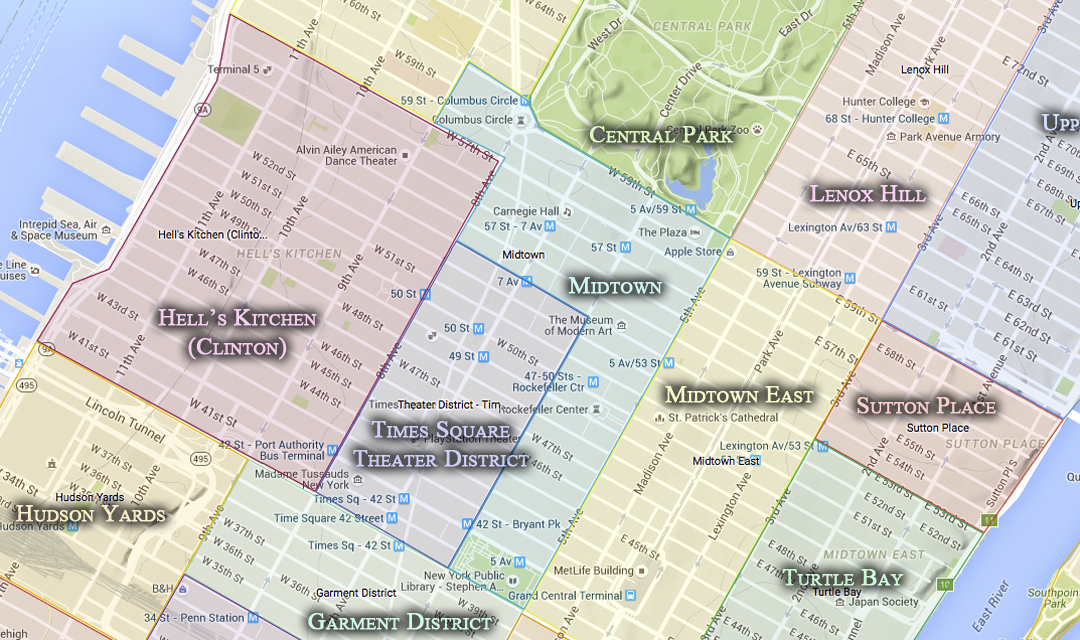
To truly appreciate Hell’s Kitchen, one must first grasp its strategic position within Manhattan. Its central location makes it an ideal base for exploring the city, placing residents and visitors alike within easy reach of many of New York City’s most famous attractions.
Geographical Boundaries and Neighboring Districts
Hell’s Kitchen is officially known as Clinton by city planners, though the older, more evocative name persists in popular culture. Its boundaries are generally defined as:
- East: Eighth Avenue, bordering the bustling Theater District and Times Square.
- West: The Hudson River, offering stunning waterfront views and access to recreational piers.
- South: 34th Street, where it meets the Garment District and the Jacob K. Javits Convention Center.
- North: 59th Street, near Columbus Circle and the southwestern edge of Central Park.
This prime location places Hell’s Kitchen squarely in Midtown Manhattan, making it incredibly convenient for access to Broadway shows, major transportation hubs like the Port Authority Bus Terminal, and a plethora of shopping and dining experiences. Its proximity to the Hudson River also means it benefits from scenic riverfront parks and pathways, perfect for leisurely strolls or invigorating runs.
From Gritty Past to Vibrant Present: A Demographic Shift
Historically, Hell’s Kitchen was characterized by its working-class roots, primarily populated by Irish, German, and later Puerto Rican and Dominican immigrants. It was an area of tenements, docks, and factories, often associated with poverty, crime, and gang activity – a reputation that undoubtedly contributed to its formidable name.
However, the latter half of the 20th century and the early 21st century saw a dramatic transformation. Gentrification, driven by its desirable Manhattan location and proximity to the Theater District, reshaped its demographic landscape. Today, Hell’s Kitchen is a diverse and eclectic community, home to a mix of long-time residents, young professionals, artists, LGBTQ+ individuals, and a significant proportion of those working in the performing arts. This blend of old and new, established and burgeoning, gives the neighborhood its unique, inclusive, and dynamic character, making it a microcosm of the melting pot that is New York City.
A Journey Through Time: The Rich History of Hell’s Kitchen
Understanding the history of Hell’s Kitchen is crucial to appreciating its current identity. From its legendary naming to its role as an immigrant gateway and eventual resurgence, the neighborhood’s past is as colorful and dramatic as any Broadway production.
The Origins of the Name: Legend and Lore
The exact origin of the name “Hell’s Kitchen” is steeped in urban legend, with several theories vying for recognition. One popular account attributes it to a local police officer or detective, “Dutch Fred” the Cop, who, witnessing a small riot on West 39th Street in the late 19th century, reportedly remarked that the area was “hell itself,” and that the adjacent neighborhood was “a tame place compared to this. This is Hell’s Kitchen.” Another theory suggests the name came from a tough gang called the “Hell’s Kitchen Gang” that operated in the area, or even from a tenement building that was notoriously difficult to live in. Regardless of its precise genesis, the name stuck, evoking a sense of raw, untamed urbanity that has become synonymous with the neighborhood’s lore.
A Crucible of Cultures: Immigration and Industry
Throughout the 19th and early 20th centuries, Hell’s Kitchen served as a primary point of entry for immigrants arriving in the United States. Irish immigrants, fleeing the Great Famine, settled here in large numbers, followed by German, Italian, and later Greek, Puerto Rican, and Dominican communities. This influx of diverse populations created a vibrant, though often challenging, environment where different cultures coexisted and clashed. The area became a hub of industrial activity, with docks along the Hudson River, factories, and slaughterhouses providing employment, albeit often under harsh conditions. This working-class ethos defined the neighborhood for decades, fostering a strong sense of community and resilience among its residents. Its proximity to the Theater District also meant a unique blend of gritty urban life with the glitz and glamour of Broadway, often leading to interesting intersections of culture and class.
Reinvention and Revival: The Path to Modernity
By the mid-20th century, Hell’s Kitchen faced significant urban decay and continued to struggle with crime. However, its strategic location, especially its adjacency to Broadway and Midtown business districts, made it ripe for redevelopment. Artists, actors, and other creatives, drawn by affordable rents and a bohemian atmosphere, began to move into the area in the 1970s and 80s, laying the groundwork for its cultural renaissance.
The 1990s and early 2000s saw extensive urban renewal projects, including the revitalization of the waterfront and the construction of new residential and commercial buildings. This period marked a significant shift, transforming Hell’s Kitchen from a forgotten corner of Manhattan into a coveted address. While some lament the loss of its raw, edgy character, most agree that the transformation has brought new life, safety, and a remarkable array of amenities, without entirely erasing the spirit of its past. Today, modern high-rises stand alongside historic brownstones, and upscale restaurants share streets with venerable, family-owned establishments, creating a dynamic tapestry that honors its heritage while embracing its future.
Experiencing Hell’s Kitchen Today: What to See, Do, and Taste
Today, Hell’s Kitchen is a beacon for travelers and locals alike, offering an unparalleled blend of dining, entertainment, and cultural experiences. It’s a neighborhood that truly embodies the spirit of New York City – diverse, vibrant, and always evolving.
Culinary Delights: A Food Lover’s Paradise
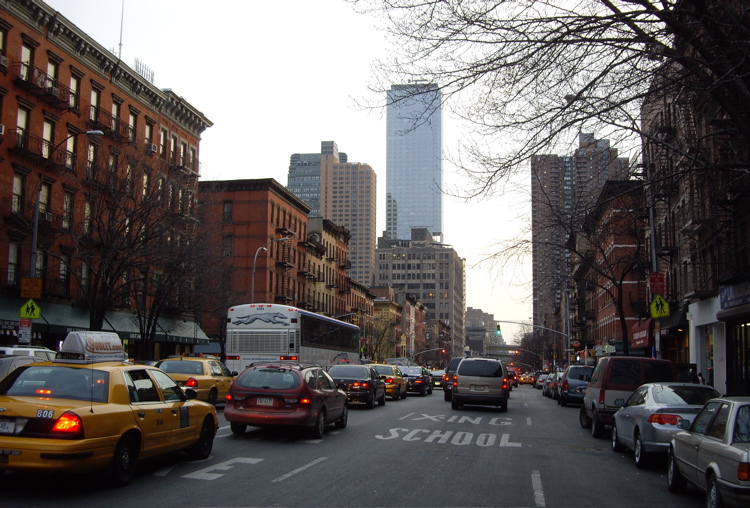
Perhaps the most celebrated aspect of modern Hell’s Kitchen is its incredible food scene. From upscale dining to casual eateries and street food, the options are limitless. The stretch of 9th Avenue, affectionately known as Restaurant Row, is particularly famous, boasting an astonishing concentration of restaurants offering cuisines from every corner of the globe. You can savor authentic Thai curries, robust Ethiopian stews, delicate Japanese sushi, classic Italian pasta, hearty American burgers, and innovative fusion dishes, all within a few blocks.
This culinary diversity is a direct reflection of the neighborhood’s immigrant past and its current multicultural population. Whether you’re seeking a pre-Broadway dinner, a late-night snack, or a leisurely brunch, Hell’s Kitchen delivers an unforgettable gastronomic journey. Food tours are a popular way to sample a variety of flavors and learn about the area’s culinary history, making it an essential destination for any food enthusiast exploring New York City.
Arts, Entertainment, and Nightlife
Beyond its culinary prowess, Hell’s Kitchen is a thriving hub for arts and entertainment. Its proximity to the Theater District means that many Broadway actors, dancers, and stage crew live in the area, contributing to its artistic atmosphere. Institutions like The Actors Studio and the Alvin Ailey American Dance Theater are either within or very close to its borders, cementing its reputation as a haven for performing arts. The Baryshnikov Arts Center also offers a platform for innovative performance and artistic development.
The nightlife is equally dynamic, ranging from cozy dive bars to chic cocktail lounges and lively LGBTQ+ establishments. After a show, visitors can find a perfect spot to unwind, enjoy live music, or simply soak in the vibrant atmosphere. The neighborhood’s energy is palpable, offering something for every taste and preference, cementing its status as a top choice for those seeking vibrant nightlife and cultural immersion.
Iconic Landmarks and Hidden Gems
While Hell’s Kitchen may not have as many towering, world-famous landmarks as some other Manhattan neighborhoods, it boasts several notable attractions and numerous charming hidden gems.
- Intrepid Sea, Air & Space Museum: Located on Pier 86 along the Hudson River, this museum is built around the aircraft carrier USS Intrepid, featuring a Space Shuttle Enterprise, Concorde supersonic jet, and various military aircraft. It’s a fantastic attraction for history buffs and families.
- Circle Line Sightseeing Cruises: Departing from Pier 83, these iconic cruises offer breathtaking views of the Manhattan skyline, the Statue of Liberty, and other famous sights, providing a unique perspective of New York City from the water.
- Hudson River Park: Stretching along the entire western edge of Hell’s Kitchen, this expansive park offers walking and biking paths, piers with recreational facilities, sunbathing spots, and stunning sunset views over the Hudson River and New Jersey.
- Local Galleries and Boutiques: Wander off the main avenues into the side streets and discover a plethora of independent art galleries, unique boutiques, and charming specialty shops, offering a more intimate and local shopping experience away from the chain stores of Times Square.
Beyond these, the very architecture of Hell’s Kitchen itself, with its mix of historic brownstones, refurbished tenements, and modern high-rises, tells a story. Every block holds a piece of history or a contemporary marvel, inviting visitors to simply explore and discover.
Navigating and Staying in Hell’s Kitchen
For travelers, Hell’s Kitchen’s advantageous location and diverse accommodation options make it an extremely practical and enjoyable place to stay during a visit to New York City.
Public Transportation and Accessibility
One of Hell’s Kitchen’s greatest strengths is its unparalleled access to public transportation. The neighborhood is incredibly well-served by several subway lines, particularly the A, C, E, 1, 2, 3, N, Q, R, W, and 7 trains, which run along its eastern boundary and connect it to virtually every part of Manhattan and beyond. The Port Authority Bus Terminal, a major intercity bus hub, is also located within Hell’s Kitchen, making it an easy point of arrival or departure for those traveling by bus.
Furthermore, being in Midtown means that many attractions, including Times Square, Broadway, and the Garment District, are within comfortable walking distance. Taxis, ride-sharing services, and numerous bike-share stations are also readily available, ensuring that getting around Hell’s Kitchen and the wider city is always convenient and efficient.
Diverse Accommodation Options: From Boutique Hotels to Luxury Stays
As a prime travel destination, Hell’s Kitchen offers a wide array of accommodation options to suit every budget and travel style. You can find everything from charming boutique hotels that reflect the neighborhood’s unique character to well-known luxury hotels offering top-tier amenities.
- Boutique Hotels: These often provide a more personalized and intimate experience, frequently incorporating local art and design. They are perfect for travelers looking for something distinctive and less corporate.
- Luxury Hotels: Several upscale hotels dot the landscape, particularly closer to the Theater District and Columbus Circle, offering high-end services, exquisite dining, and stunning city views. Examples of well-regarded establishments in or very close to the area might include the Row NYC Hotel, The Time New York, or the Kimpton Ink48 Hotel, known for its rooftop bar and Hudson River views.
- Mid-Range and Budget-Friendly Options: For those mindful of their budget, there are numerous hotels offering comfortable stays without the exorbitant price tag, such as the Hilton Garden Inn Midtown West or various extended-stay apartments, which can be ideal for longer visits or family trips.
Many hotels in Hell’s Kitchen are tailored to both leisure travelers and business guests, offering amenities like fitness centers, business services, and on-site restaurants and bars. When choosing accommodation, consider factors like proximity to specific attractions, desired ambiance (e.g., quiet residential street versus bustling avenue), and of course, your budget. The neighborhood’s robust selection ensures that every visitor can find a home away from home, enhancing their overall New York City experience.

Why Hell’s Kitchen Remains a Must-Visit New York Destination
Hell’s Kitchen is more than just a location on a map; it’s a living, breathing testament to New York City’s capacity for reinvention and enduring spirit. Its complex history, from gritty beginnings to its current status as a cultural and culinary hotspot, makes it endlessly fascinating. The neighborhood’s strategic position, combined with its diverse offerings in food, entertainment, and accommodation, cements its place as an essential destination for anyone visiting the Big Apple.
Whether you’re drawn by the promise of an authentic global meal on Restaurant Row, the allure of a pre-Broadway cocktail, the cultural richness of its artistic institutions, or simply the vibrant pulse of Manhattan life, Hell’s Kitchen delivers. It embodies the best of urban tourism, offering a blend of historical depth, contemporary dynamism, and genuine local character. So, the next time you’re planning a trip to New York City, make sure to locate Hell’s Kitchen on your itinerary – you’ll find a neighborhood ready to surprise, delight, and leave a lasting impression.
LifeOutOfTheBox is a participant in the Amazon Services LLC Associates Program, an affiliate advertising program designed to provide a means for sites to earn advertising fees by advertising and linking to Amazon.com. Amazon, the Amazon logo, AmazonSupply, and the AmazonSupply logo are trademarks of Amazon.com, Inc. or its affiliates. As an Amazon Associate we earn affiliate commissions from qualifying purchases.