
Hialeah, Florida, a city often mentioned in the vibrant tapestry of South Florida, holds a distinct identity that is both deeply rooted in its history and dynamically engaged with its present. For many, the name Hialeah evokes images of a bustling, diverse community, a place of resilience and rich cultural heritage. Yet, for those unfamiliar with the intricacies of this part of the Sunshine State, a simple question arises: Where exactly is Hialeah, Florida? This exploration aims to precisely locate Hialeah within the geographical and cultural landscape of Florida, offering insights into its unique character and its significance as a thriving urban center.

Geographic Placement and Urban Context
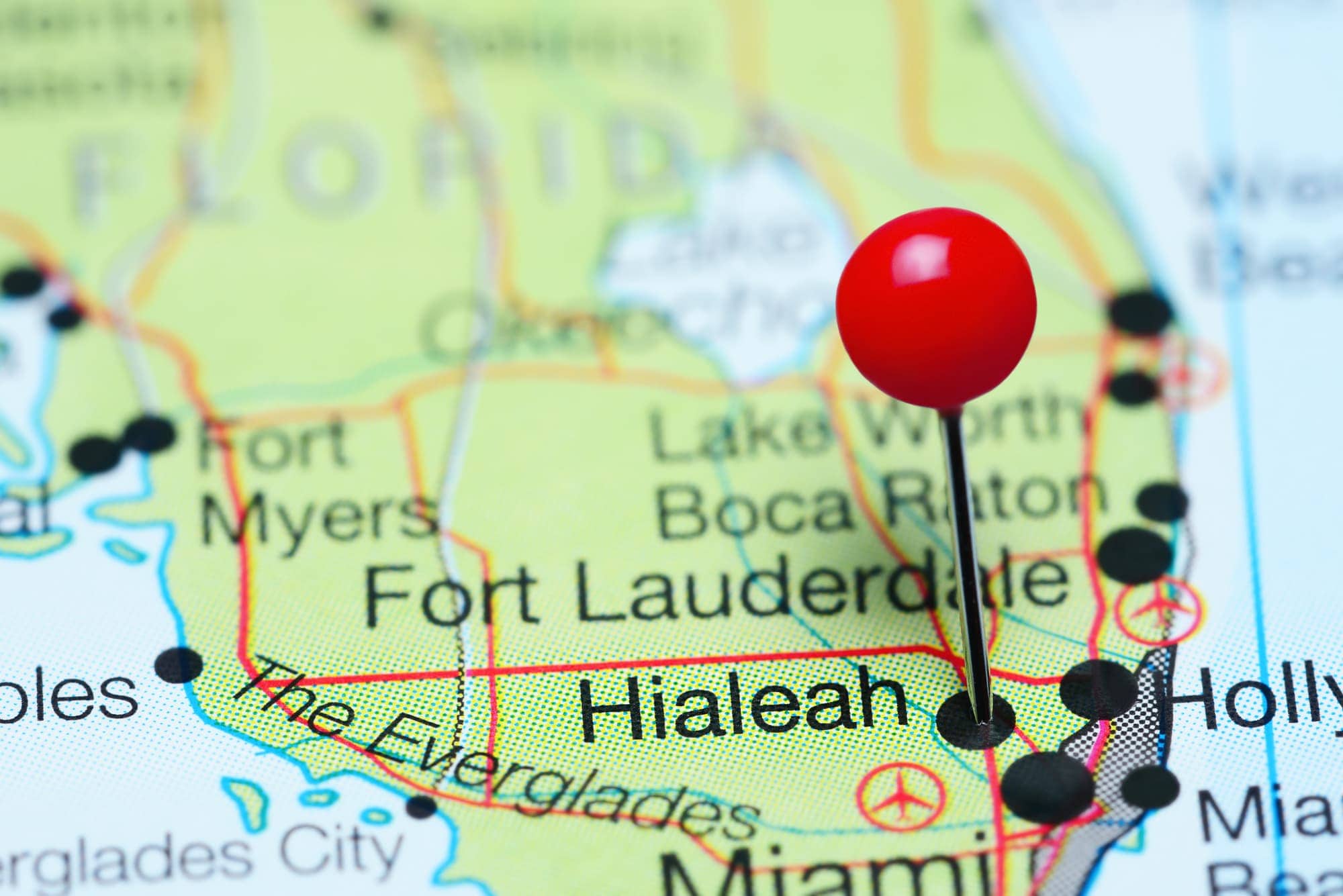
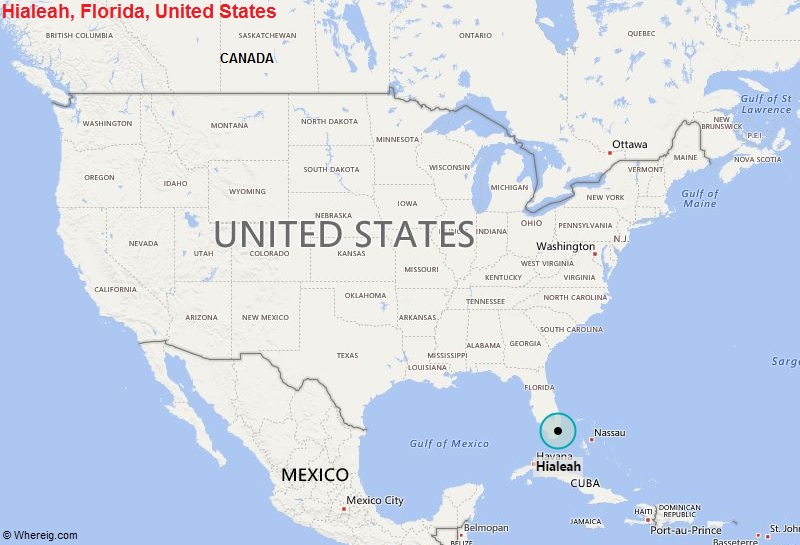
To understand Hialeah, one must first situate it within its broader geographical context. Located in the southeastern corner of the United States, Hialeah is an integral part of Miami-Dade County, the most populous county in Florida and a major international gateway. Its strategic position makes it a crucial component of the Miami metropolitan area, often referred to as “South Florida.”
Proximity to Major Cities and Landmarks
Hialeah’s proximity to the iconic city of Miami is one of its defining characteristics. The two cities share a common border, with Hialeah nestled to the northwest of Miami’s downtown core. This adjacency means that residents and visitors of Hialeah benefit from easy access to Miami’s world-renowned beaches, vibrant nightlife, and international airport, Miami International Airport. Further afield, but still within a manageable distance for day trips or weekend excursions, are other notable South Florida destinations. The pristine shores of Miami Beach are a short drive away, offering classic South Florida leisure activities. To the north, the affluent enclave of Fort Lauderdale provides a different, yet equally appealing, urban experience with its canals and upscale shopping. The gateway to the unique ecosystem of the Everglades National Park is also relatively accessible, offering opportunities for nature enthusiasts to explore the subtropical wilderness that is unique to Florida. This strategic location places Hialeah at a nexus of commerce, culture, and recreation within the bustling South Florida region.
Defining Its Boundaries and Size
Hialeah is not merely a neighborhood of Miami; it is a distinct municipality with its own city government, services, and a unique identity. Geographically, it is a substantial city, covering an area of approximately 21.5 square miles. Its boundaries are defined by neighboring municipalities, including Miami to the south and southeast, Doral to the west, and Miami Gardens and Hialeah Gardens to the north and northwest. The city’s urban development is characterized by a mix of residential neighborhoods, commercial districts, and industrial areas, reflecting its history as a center for industry and a home for a growing population. Its inland location, away from the immediate coast, has historically influenced its development, fostering a community that thrives on its internal strengths and its connections to the wider metropolitan area.
Historical Roots and Development
The story of Hialeah is deeply intertwined with the development of South Florida. Its origins are not that of an ancient settlement but rather a product of ambitious land development and the subsequent growth of the region. Understanding its past is crucial to appreciating its present character.
Early Vision and Agricultural Beginnings
The genesis of Hialeah can be traced back to the early 20th century, a period of rapid expansion and speculative land sales in Florida. The area that would become Hialeah was initially part of vast tracts of undeveloped land. One of the key figures in its early development was Glenn H. Curtiss, a pioneering aviator and real estate developer. Curtiss envisioned a planned community that would attract settlers and business. He purchased a significant amount of land in the early 1920s and began laying the groundwork for what would become the City of Hialeah. Initially, the area was known for its agricultural potential, with citrus groves and other tropical produce being cultivated. The fertile land and favorable climate were seen as ideal for farming. The establishment of the Hialeah Race Track in 1925, although later known for its racing, was part of this early development push, aiming to draw attention and investment to the burgeoning settlement.
Post-War Growth and Industrialization
Following World War II, Hialeah experienced a significant surge in population and economic activity. The post-war economic boom, coupled with improved infrastructure and the increasing appeal of Florida as a place to live and work, led to a migration of people to the area. This period saw a transition from its agricultural roots to a more industrialized and commercialized city. Small businesses and manufacturing plants began to establish themselves in Hialeah, attracted by its strategic location, available labor, and relatively lower operating costs compared to larger, established cities. This industrial growth provided employment opportunities and further fueled residential development. The city became known for its manufacturing of various goods, contributing significantly to the economic engine of Miami-Dade County. This era laid the foundation for Hialeah’s reputation as a hardworking, industrious community.
Cultural Identity and Community Life
Beyond its geographical location and historical trajectory, Hialeah is defined by its vibrant cultural mosaic and the strong sense of community that permeates its neighborhoods. It is a city where diverse traditions converge, creating a unique urban experience.
A Hub of Hispanic Culture
Hialeah is widely recognized as one of the largest centers of Hispanic culture in the United States, particularly for its significant population of Cuban Americans. Following the Cuban Revolution, many Cubans sought refuge in South Florida, and Hialeah became a primary destination for these new arrivals. This influx has profoundly shaped the city’s cultural landscape. Spanish is widely spoken, and the influence of Cuban traditions is evident in its cuisine, music, religious practices, and everyday life. This vibrant Cuban heritage is not static but is continually evolving, intermingling with other Latin American cultures and contributing to a rich, dynamic cultural tapestry. Beyond Cuban influences, Hialeah is home to a diverse array of other Hispanic communities, including those from Colombia, Puerto Rico, and Venezuela, further enriching its cultural milieu.
Community and Local Amenities
The sense of community in Hialeah is palpable. It is a city where family ties are strong, and neighborhood bonds are often close-knit. This is reflected in the numerous local parks, community centers, and public spaces that serve as gathering points for residents. The city boasts a robust public school system, contributing to the upbringing of its younger generations. For recreation and leisure, residents have access to a variety of amenities. Parks like Milander Park and Hialeah Central Park offer green spaces for families to enjoy, playgrounds for children, and facilities for sports and community events. The city’s numerous local businesses, from small family-owned restaurants to bustling retail establishments, form the backbone of its economic and social life. These establishments not only provide goods and services but also serve as important social hubs, reinforcing the strong community fabric that characterizes Hialeah. The city’s commitment to local engagement and the preservation of its distinct cultural identity makes it a place that is both a vital part of South Florida and a unique destination in its own right.
LifeOutOfTheBox is a participant in the Amazon Services LLC Associates Program, an affiliate advertising program designed to provide a means for sites to earn advertising fees by advertising and linking to Amazon.com. Amazon, the Amazon logo, AmazonSupply, and the AmazonSupply logo are trademarks of Amazon.com, Inc. or its affiliates. As an Amazon Associate we earn affiliate commissions from qualifying purchases.