
Little Italy in New York City isn’t just a place on a map; it’s a vibrant, living testament to the rich tapestry of Italian-American heritage that has profoundly shaped the metropolis. For many visitors and locals alike, the mere mention of Little Italy evokes images of bustling streets, the aroma of garlic and oregano wafting from traditional trattorias, and the joyous celebrations of a community deeply proud of its roots. However, for those unfamiliar with the ever-evolving landscape of New York, the precise location and nature of this iconic neighborhood can sometimes be a mystery. Is it a sprawling district, or a cozy enclave? Has its footprint changed over time? Understanding where Little Italy is situated is the first step in unlocking an unforgettable cultural and culinary journey, offering insights into one of the city’s most beloved landmarks. This guide aims to pinpoint its exact location, delve into its fascinating history, explore its modern-day attractions, and offer practical tips for experiencing its unique charm. Whether you’re a first-time visitor eager to savor authentic Italian cuisine or a seasoned traveler seeking to connect with local culture, Little Italy promises an immersive experience that blends tradition with the undeniable energy of New York.
The Geographical Heart of Italian-American Heritage
Little Italy occupies a distinctive, historically significant slice of Manhattan, making it easily accessible for anyone navigating the sprawling urban grid of New York City. Once a sprawling district encompassing dozens of blocks, its current manifestation is more concentrated, yet it retains an undeniable allure that draws millions of visitors annually. Its geographical placement is key to understanding its development and current dynamic, nestled among other iconic and rapidly evolving New York neighborhoods.
A Niche in Lower Manhattan
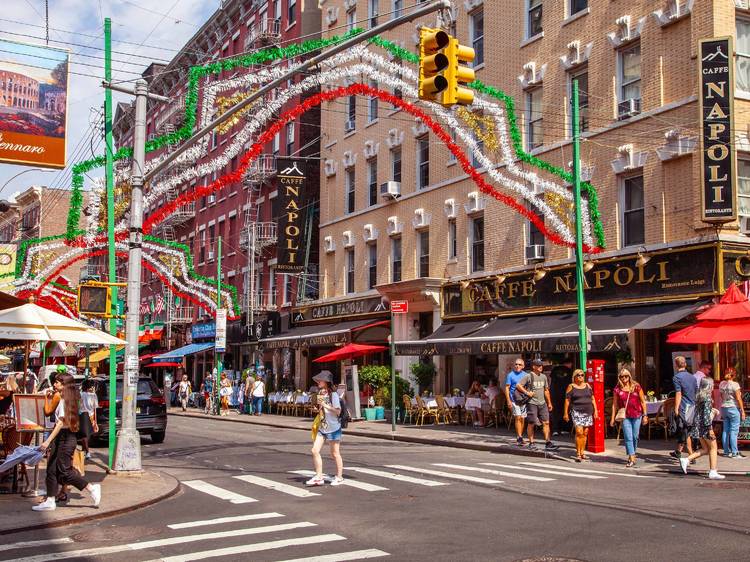
Today, Little Italy is primarily centered around Mulberry Street, stretching roughly between Canal Street to the south and Houston Street to the north. Its main artery, Mulberry Street, is where you’ll find the highest concentration of Italian restaurants, cafes, and specialty shops that define the neighborhood’s character. Adjacent streets, such as Mott Street and Elizabeth Street, also contribute to its vibrant atmosphere, although with varying degrees of Italian influence. This compact area is strategically located in Lower Manhattan, a historically rich part of the city. To its south and west lies the bustling district of Chinatown, which has, over the decades, gradually encroached upon Little Italy’s original boundaries. To the north, you’ll find the trendy boutiques and art galleries of SoHo, while to the east lies the vibrant and historically significant Lower East Side. This unique confluence of distinct cultures and lifestyles makes Little Italy a fascinating nexus for tourism, offering a taste of multiple New York experiences within a short walking distance. Despite its reduced size from its heyday, its cultural significance as a focal point for Italian-American heritage remains undiminished. Visitors exploring this area will immediately feel the distinct shift in atmosphere as they transition from one neighborhood to another, a hallmark of New York City’s diverse urban fabric.
Navigating to Little Italy
Reaching Little Italy is relatively straightforward, thanks to New York City’s comprehensive public transportation network. As a prime destination for travelers, it’s well-served by subway lines and bus routes, making it an easy addition to any New York itinerary. For those utilizing the subway, several lines offer convenient access. The J, Z, N, Q, R, W, and 6 trains all have stations within easy walking distance. Specifically, taking the J or Z train to the Canal Street Station places you right at the southern edge of the neighborhood, bordering Chinatown. The N, Q, R, or W trains to Canal Street also put you a short stroll away. Alternatively, the 6 train to Spring Street Station or Bleecker Street Station will situate you closer to the northern perimeter of Little Italy, near the vibrant NoHo and SoHo districts. Numerous bus routes, such as the M1, M103, and M15, also traverse the area, offering a scenic way to arrive and experience the city. For those who prefer walking, Little Italy is highly pedestrian-friendly, with flat streets ideal for exploring on foot. Its central Lower Manhattan location means it’s a pleasant walk from other popular attractions like the Brooklyn Bridge, Wall Street, and the East Village, allowing visitors to craft their own personalized sightseeing guides. Whether you’re arriving from a hotel in Midtown Manhattan or an apartment in Brooklyn, accessing Little Italy is a breeze, making it an essential stop for any New York adventure.

A Journey Through Time: History and Evolution
The story of Little Italy is a quintessential American immigrant narrative, a powerful testament to the dreams, struggles, and ultimate triumphs of countless individuals seeking a new life in a new land. Its evolution from a densely packed immigrant enclave to a cherished cultural landmark reflects broader societal changes in New York City and the United States. Understanding this rich history is crucial for appreciating the neighborhood’s current identity and enduring charm.
From Immigrant Hub to Cultural Landmark
The late 19th and early 20th centuries witnessed a monumental wave of Italian immigration to the United States, driven by economic hardship and political instability in southern Italy. Millions of Italians arrived in New York City, often disembarking at Ellis Island, and many sought refuge and community in Lower Manhattan. The area around Mulberry Street quickly became a magnet, forming what was then a vast, bustling Little Italy. Here, immigrants could find familiar language, customs, and support networks. They established churches, mutual aid societies, businesses, and family homes, recreating a sense of their homeland in a foreign city. The neighborhood was characterized by its tenement buildings, vibrant street life, and the strong bonds of kinship and community. During its peak in the early to mid-20th century, Little Italy was a self-sufficient ecosystem, a world unto itself where Italian traditions flourished. It was a place where generations were born, grew up, and established their own families, firmly embedding Italian culture into the fabric of New York. The sounds of Italian dialects filled the air, the aroma of homemade pasta permeated every alleyway, and religious festivals provided focal points for communal celebration. This era laid the foundation for the neighborhood’s enduring legacy as a symbol of Italian-American perseverance and identity, transforming it from a mere collection of streets into a living landmark of cultural heritage.
The Changing Face of Little Italy
While its historical significance remains immense, the physical boundaries and demographic composition of Little Italy have undeniably changed over time. The post-World War II era saw many Italian-American families achieve greater economic prosperity and move to other boroughs like Brooklyn, Queens, and particularly to the suburbs of Long Island, New Jersey, and Connecticut. This outward migration led to a gradual decrease in the Italian-American population within the original enclave. Simultaneously, the burgeoning Chinatown to the south experienced its own waves of immigration and expansion, naturally spreading northward and westward. This demographic shift meant that many of the original Italian businesses and residences were eventually replaced by Chinese establishments, leading to a significant reduction in Little Italy’s geographical footprint. Today, the visible Italian presence is largely concentrated along a few blocks of Mulberry Street, largely sustained by its iconic restaurants and shops catering to tourism.

Despite these changes, Little Italy has fiercely held onto its identity, reinventing itself as a cultural touchstone rather than solely a residential district. It acts as a preservation of local culture, a place where the vibrant spirit of Italian heritage continues to thrive, especially through its cuisine and annual festivals. The surviving businesses often have deep roots, passed down through generations, and are committed to upholding the traditions that first defined the neighborhood. While no longer a sprawling residential area for Italian immigrants, it remains a powerful symbol of their contributions to New York, drawing visitors who seek to connect with this rich history and savor authentic Italian experiences. This ability to adapt while maintaining its core essence is a testament to the resilience and pride of the Italian-American community.
Experiencing Little Italy: Culture, Cuisine, and Celebrations
A visit to Little Italy is a multi-sensory experience, an immersion into a world where the aromas of traditional Italian food, the sounds of lively conversation, and the vibrant colors of cultural celebrations create an unforgettable atmosphere. For travelers looking to engage with authentic local culture, this neighborhood offers a unique blend of historical charm and modern-day vitality, making it one of New York City’s most cherished attractions.
Gastronomic Delights: A Foodie’s Paradise
For many, the primary draw of Little Italy is its unparalleled culinary scene. This neighborhood is a veritable foodie’s paradise, boasting a concentration of Italian restaurants, bakeries, and delis that have perfected their craft over generations. The gastronomic offerings here go far beyond simple stereotypes; they represent regional specialties and time-honored recipes that evoke the true taste of Italy. Expect to find establishments serving classic pasta dishes like creamy carbonara, rich lasagna, and delicate ravioli, often made fresh daily. Pizza, a New York staple, finds its authentic roots here, with pizzerias offering wood-fired, Neapolitan-style pies or the iconic New York-style slice. Lombardi’s Pizza, often credited as the first pizzeria in America, remains a legendary spot for a classic coal-oven pie, embodying a significant piece of New York’s culinary history. Beyond the savory, the neighborhood truly shines in its dessert offerings. No visit is complete without indulging in a crispy cannoli filled with sweet ricotta cheese, a slice of rich tiramisu, or a scoop of artisanal gelato. Ferrara Bakery & Cafe, established in 1892, is an iconic institution where visitors can enjoy traditional pastries, espresso, and an authentic Italian cafe experience. Other popular spots include Benito One, Da Nico Ristorante, and Paesano’s of Little Italy, each offering their unique take on Italian hospitality and cuisine. Whether you’re seeking a romantic dinner, a casual lunch, or a sweet treat, Little Italy promises a memorable culinary adventure that is central to its enduring appeal and a key aspect of its tourism draw.
Shopping for Authentic Souvenirs
Beyond its culinary prowess, Little Italy offers a delightful array of specialty shops where visitors can find authentic Italian goods and unique souvenirs. These establishments are more than just retail spaces; they are cultural hubs that connect visitors to the traditions and craftsmanship of Italy and the Italian-American community. Delis and gourmet food stores are abundant, selling imported cheeses, cured meats, olive oils, balsamic vinegars, and a variety of dried pasta shapes that are hard to find elsewhere. These shops provide a fantastic opportunity to bring a piece of Little Italy’s culinary magic back home. Additionally, you’ll discover charming boutiques offering Italian-themed apparel, exquisite ceramics, religious artifacts, and decorative items that reflect Italian artistry. Many of these shops are family-run, with proprietors eager to share stories and knowledge about their products. Exploring these stores is an activity in itself, providing a glimpse into the enduring traditions and strong community spirit of the neighborhood. From finely crafted espresso makers to charming good luck charms, the souvenirs available in Little Italy are often more meaningful and unique than generic tourist trinkets, serving as lasting reminders of a truly authentic New York experience. These shopping opportunities enrich the overall travel experience, encouraging deeper engagement with the local culture and supporting the small businesses that maintain the neighborhood’s character.
The Feast of San Gennaro
Perhaps the most iconic and vibrant celebration in Little Italy is The Feast of San Gennaro. This annual festival is not just an event; it’s a colossal, spirited spectacle that transforms Mulberry Street and surrounding areas into an unparalleled street party. Held every September for 11 days, the feast honors San Gennaro, the Patron Saint of Naples, and is deeply rooted in religious tradition, brought to New York by Neapolitan immigrants in 1926. What began as a solemn one-day religious commemoration has evolved into a massive cultural attraction that draws over a million people each year. The festival features a grand procession of the statue of San Gennaro through the streets, accompanied by traditional Italian music and fervent devotees. Beyond its religious core, the feast is a jubilant celebration of Italian-American heritage, offering an incredible array of food vendors serving everything from zeppole and cannoli to sausages with peppers and fresh pasta. Live music stages host performances by Italian and Italian-American artists, parades fill the streets with colorful floats and marching bands, and carnival games add to the festive atmosphere. It’s a time when Little Italy truly comes alive, showcasing its resilience and pride. For tourists, it’s an unparalleled opportunity to immerse themselves in authentic local culture and experiences that are genuinely unique to New York City. The sheer scale and energy of the Feast of San Gennaro make it a must-see for anyone visiting New York in September, solidifying Little Italy’s status as a dynamic and beloved cultural landmark.
Beyond the Main Streets: Nearby Attractions and Stays
While Little Italy itself is a captivating destination, its strategic location in Lower Manhattan places it within easy reach of numerous other iconic New York City neighborhoods and attractions. This allows visitors to seamlessly integrate their Little Italy experience with a broader exploration of the city, enriching their travel itinerary. Moreover, the surrounding areas offer a wide range of accommodation options, catering to every preference and budget, ensuring that every traveler can find the perfect place to stay.
Exploring Adjacent Neighborhoods
One of the greatest advantages of Little Italy’s location is its proximity to other distinctive New York City districts, each offering its own unique flavor and appeal. Immediately adjacent to the south and west is Chinatown, a bustling and vibrant neighborhood that offers a stark yet fascinating contrast. Stepping from Mulberry Street into Chinatown is like entering a different world, with its aromatic markets, authentic dim sum restaurants, and traditional herbal shops. Exploring Chinatown provides a wonderful opportunity for a multicultural culinary journey, moving from Italian pasta to Cantonese noodles in a matter of blocks. To the north lies SoHo, renowned for its cobblestone streets, cast-iron architecture, high-end boutiques, and art galleries. It’s a prime destination for shopping and admiring impressive architecture. Further east, the Lower East Side presents a rich history of immigrant narratives, now mixed with a trendy nightlife scene, indie boutiques, and diverse food establishments. Visiting the Tenement Museum in the Lower East Side offers profound insights into the lives of immigrants, including many Italians, who shaped this part of New York. These adjacent neighborhoods make Little Italy an excellent starting point for a walking tour that encompasses a wide range of cultural experiences, from historical exploration to contemporary urban lifestyle, making it ideal for those who enjoy discovering multiple facets of a city.
Accommodation Options for Every Traveler
Given its central and well-connected location, the area around Little Italy offers a plethora of accommodation choices, catering to various budgets and lifestyle preferences. Whether you’re planning a luxury travel escape, a budget travel adventure, a family trip, or a business stay, you’ll find suitable options within a short distance. For those seeking upscale hotels with premium amenities, the SoHo district, just north of Little Italy, boasts several boutique hotels and stylish resorts. Examples include the NoMo SoHo, known for its elegant design and excellent service, or the Crosby Street Hotel, offering sophisticated suites and a vibrant atmosphere. These options provide a luxurious base from which to explore Lower Manhattan and beyond. For travelers on a more modest budget, the Lower East Side offers a variety of affordable hotels and guesthouses. Properties like the Moxy NYC Lower East Side or numerous independent hotels provide comfortable rooms and excellent value without sacrificing convenience. Additionally, for those looking for a longer stay or a more home-like experience, there are various apartments and vacation villas available for booking through online platforms, allowing visitors to live like locals. When choosing accommodation, it’s always advisable to check reviews and comparison sites to find the best fit for your specific needs. Staying near Little Italy ensures you are at the nexus of culture, food, and accessibility to countless other New York City attractions, making your travel experience as comfortable and rewarding as possible.
Conclusion
Little Italy in New York City may have seen its geographical boundaries shrink over the decades, but its spirit, culture, and culinary traditions remain vibrantly alive. Centered primarily on Mulberry Street in Lower Manhattan, this iconic neighborhood continues to be a cherished landmark and a living museum of Italian-American heritage. From its storied history as an immigrant haven to its present-day role as a foodie destination and host of the spirited Feast of San Gennaro, Little Italy offers a unique and enriching experience for all who visit. Its prime location also serves as an excellent gateway to exploring the diverse attractions of Chinatown, SoHo, and the Lower East Side, all within easy reach. Whether you’re craving authentic Italian cuisine, seeking a glimpse into a rich cultural past, or simply soaking in the vibrant atmosphere of New York’s historic streets, Little Italy stands ready to offer an unforgettable travel experience. It is a testament to the enduring power of community, tradition, and the indelible mark left by generations of Italian immigrants on one of the world’s greatest cities.
LifeOutOfTheBox is a participant in the Amazon Services LLC Associates Program, an affiliate advertising program designed to provide a means for sites to earn advertising fees by advertising and linking to Amazon.com. Amazon, the Amazon logo, AmazonSupply, and the AmazonSupply logo are trademarks of Amazon.com, Inc. or its affiliates. As an Amazon Associate we earn affiliate commissions from qualifying purchases.