
Little Italy in New York City is a neighborhood steeped in history, brimming with culture, and famous for its enduring Italian-American heritage. For many, the name conjures images of bustling streets, aromatic kitchens, and vibrant festivals. However, the precise location and extent of this iconic enclave have undergone significant changes over the decades. Today, Little Italy stands as a charming, albeit smaller, testament to the immigrant spirit that shaped Manhattan.
Nestled in Lower Manhattan, Little Italy is an essential stop for travelers eager to explore the city’s diverse tapestry. While it once spanned a considerable area, its modern boundaries are more concentrated, primarily centered around a few key blocks that continue to celebrate Italian culture, cuisine, and traditions. Understanding its location isn’t just about finding it on a map; it’s about appreciating its journey, its resilience, and the unique experiences it offers to both first-time visitors and seasoned New York explorers. This guide will take you through the geographical heart of Little Italy, delve into its vibrant cultural landscape, and provide practical tips for making your visit unforgettable.
A Journey to Manhattan’s Historic Italian Enclave
The story of Little Italy is intertwined with the waves of Italian immigration to the United States in the late 19th and early 20th centuries. Arriving primarily through Ellis Island, these newcomers settled in dense communities, seeking familiarity and support in a new land. What emerged in Lower Manhattan was a thriving Italian stronghold, complete with churches, social clubs, grocery stores, and restaurants that echoed the flavors and traditions of their homeland. Today, the essence of that historical community lives on, providing a captivating glimpse into a pivotal chapter of New York’s immigrant past.
Unraveling Little Italy’s Geographical Footprint
At its core, contemporary Little Italy is primarily defined by Mulberry Street. This iconic thoroughfare serves as the main artery of the neighborhood, running north to south and acting as the focal point for many of its most famous establishments. While historically much larger, the current, more concentrated area typically stretches roughly from Canal Street in the south to Broome Street or sometimes Houston Street in the north, and from Lafayette Street in the west to the Bowery in the east.
Its immediate neighbors play a significant role in defining its current character. To the south and east, Chinatown has expanded considerably over the years, gradually absorbing parts of what was once Little Italy. To the west, you’ll find the trendy district of SoHo, known for its upscale boutiques and art galleries. To the north lies Nolita (North of Little Italy), a fashionable area that has also seen a transformation from its working-class roots. These surrounding neighborhoods create a fascinating urban mosaic, where distinct cultures and atmospheres blend and sometimes overlap. Visitors navigating these streets can experience a rich cultural shift within just a few blocks, moving from the vibrant chaos of Chinatown to the charming trattorias of Little Italy, then onto the chic avenues of SoHo.

The Evolving Map: From Grandeur to Gem
The geographical evolution of Little Italy is a compelling urban narrative. At its peak in the early 20th century, the neighborhood was a sprawling district housing tens of thousands of Italian immigrants, extending much further than its present form. It covered a wider swath of Lower Manhattan, encompassing areas now recognized as parts of Chinatown and even some fringes of the Lower East Side. For instance, Grand Street, now firmly within Chinatown, was once a bustling hub of Italian commerce and community life.
The primary reason for its contraction is the significant expansion of Chinatown. As Chinese immigration surged in the latter half of the 20th century, and as successive generations of Italian-Americans moved to the outer boroughs or suburbs, Chinatown’s boundaries gradually pushed northward and westward. This demographic shift led to many Italian businesses closing or relocating, and their storefronts being replaced by Chinese establishments.
However, rather than disappearing entirely, Little Italy has distilled its essence into a more concentrated, yet equally vibrant, area. It’s transformed from a massive ethnic enclave into a cherished cultural district, carefully preserving its heritage amidst rapid urban change. This smaller scale allows for a more intimate and focused experience, making every street corner and restaurant feel purposefully dedicated to upholding its Italian identity. This transformation highlights the dynamic nature of New York City’s neighborhoods, where cultures ebb and flow, leaving behind unique legacies for visitors to discover. The current boundaries, though smaller, are fiercely maintained by the businesses and families who remain, ensuring that the spirit of Little Italy continues to thrive.

Beyond the Map: What Defines Little Italy Today?
While the physical boundaries of Little Italy may have shrunk, its cultural footprint remains undeniably strong. It’s a place where history and tradition are palpable, where every storefront tells a story, and where the aroma of garlic, pasta, and freshly baked cannoli fills the air. For travelers and tourists, Little Italy is less about its exact coordinates and more about the immersive experience it offers – a chance to step into a slice of Italy right in the heart of New York. The neighborhood excels in delivering authentic tourism experiences, focusing on local culture, celebrated food, and engaging activities that speak to its rich heritage.
Savoring Authentic Italian Flavors
Food is arguably the soul of Little Italy, drawing visitors from around the globe. The neighborhood is renowned for its traditional Italian-American restaurants, some of which have been family-owned for generations. These establishments pride themselves on serving classic dishes that evoke the culinary traditions of southern Italy, often with a distinct New York twist.
Must-Try Restaurants:
- Angelo’s of Mulberry Street: A true institution, Angelo’s has been serving classic Italian-American fare since 1902. Its timeless décor and traditional menu make it a favorite for those seeking an authentic dining experience.
- Lombardi’s: Although technically just outside the current core of Little Italy in Nolita, Lombardi’s holds the distinction of being the first licensed pizzeria in the United States, dating back to 1905. It’s a pilgrimage site for pizza lovers and a testament to the Italian culinary legacy in New York.
- Paesano’s of Little Italy: Another long-standing establishment offering a cozy atmosphere and hearty Italian dishes.
Beyond full-service restaurants, Little Italy is a haven for those with a sweet tooth or a craving for quick, delicious bites.
- Ferrara Bakery & Cafe: Open since 1892, Ferrara is an absolute must-visit for pastries, cannoli, espresso, and gelato. It’s a perfect spot to indulge in traditional Italian desserts and soak in the old-world charm.
- Numerous other bakeries and delis line Mulberry Street, offering everything from freshly baked bread and cured meats to artisanal cheeses and olive oils.
Food tours are also a popular way to explore Little Italy’s culinary landscape, providing guided tastings and historical insights into the neighborhood’s gastronomic traditions.
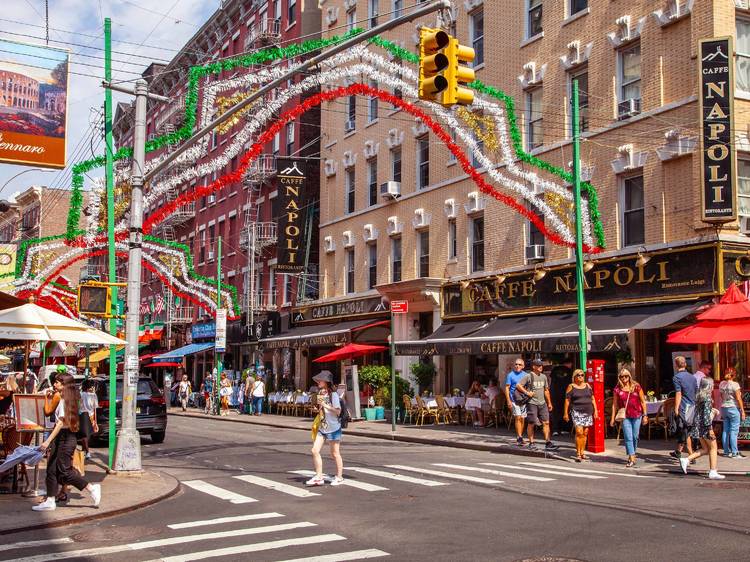
Immersing in Festivities and Traditions
Little Italy truly comes alive during its annual festivals, which are a cornerstone of its cultural identity and a major draw for tourism. The most famous of these is the Feast of San Gennaro.
- Feast of San Gennaro: Held annually for 11 days in September, this vibrant street festival celebrates the patron saint of Naples, Italy. The streets transform into a lively carnival with parades, religious processions, live music, colorful decorations, and an abundance of food vendors selling everything from sausage and pepper heroes to zeppoles and cannoli. It’s a truly immersive experience that showcases the enduring spirit and communal joy of Little Italy.
- Columbus Day Parade: While not exclusively held in Little Italy, the neighborhood often participates in or hosts events related to Columbus Day, celebrating Italian-American heritage.
- Throughout the year, smaller events and cultural celebrations may occur, often revolving around religious holidays or significant dates in Italian history, providing continuous opportunities for visitors to engage with local traditions.
Exploring Iconic Streets and Landmarks
Beyond its culinary delights and lively festivals, Little Italy offers several significant landmarks that narrate its past and present.
- Mulberry Street: As mentioned, this is the quintessential street of Little Italy. A stroll down Mulberry Street is a journey through time, lined with restaurants, gift shops, and bakeries. The street’s ambiance is undeniably Italian-American, with red, white, and green decorations often adorning lampposts and awnings.
- Old St. Patrick’s Cathedral: Located at 263 Mulberry Street (though technically just on the edge of the core Little Italy area, bordering Nolita), this historic landmark served as the seat of the Roman Catholic Archdiocese of New York before the current St. Patrick’s Cathedral was built further uptown. Its beautiful architecture and rich history, including its iconic catacombs, offer a poignant link to the city’s early immigrant communities, including many Italians.
- Italian American Museum: Situated on Mulberry Street, the Italian American Museum is dedicated to preserving the history and culture of Italian-Americans in New York City. It features exhibits, artifacts, and educational programs that shed light on the immigrant experience and the community’s contributions. It’s an excellent resource for anyone looking to deepen their understanding of Little Italy’s heritage.
- P.S. 210 “Florence Nightingale”: While not a traditional tourist landmark, this historic school building on Mott Street served generations of immigrant children, including many from Italian families. Its presence speaks to the once-dense residential nature of the neighborhood.
These landmarks, combined with the everyday vibrancy of the streets, create a rich tapestry of experiences that highlight the enduring legacy of Little Italy and its deep connection to New York City’s past.
Navigating Your Visit: Tips for a Seamless Experience
Visiting Little Italy is an adventure in itself, but a little planning can ensure a truly enjoyable and stress-free experience. From transportation to accommodation and knowing the best times to visit, these tips are designed to help you make the most of your journey into Manhattan’s Italian heart. Focusing on travel logistics, accommodation options, and general tourism advice, these insights are crucial for any itinerary.
Getting There: Transportation Options
Little Italy’s central Lower Manhattan location makes it highly accessible via New York City’s extensive public transportation network.
- Subway: The subway is often the quickest and most efficient way to reach the neighborhood.
- N, Q, R, W trains: Take these to Canal Street Station (at Lafayette St). From there, walk a few blocks north on Lafayette or east on Canal Street to reach Mulberry Street.
- J, Z trains: Alight at Canal Street Station (at Centre St). Walk east towards Mulberry Street.
- 6 train: Get off at Canal Street Station (at Lafayette St) or Spring Street Station. Both are within easy walking distance.
- B, D, F, M trains: These stop at Broadway-Lafayette Street Station, which is just a short walk from the northern edge of Little Italy.
- Bus: Several MTA bus lines serve the area, including the M103 and M15, which run along Bowery and Mott Street, respectively. Check a local bus map or use a transit app for the most up-to-date routes and stops.
- Walking: If you’re staying in SoHo, Chinatown, or the Lower East Side, Little Italy is easily walkable. It’s a fantastic way to experience the transition between these distinct neighborhoods.
- Taxis/Ride-sharing: Readily available throughout Manhattan, these offer door-to-door convenience, though traffic in Lower Manhattan can be heavy, especially during peak hours.
Where to Stay: Accommodation Near Little Italy
While Little Italy itself does not host a large number of hotels, its prime location offers easy access to a wide range of accommodation options in adjacent neighborhoods. Travelers seeking to immerse themselves in the vibrancy of Lower Manhattan will find numerous choices.
- SoHo: Just west of Little Italy, SoHo boasts boutique hotels and luxury accommodations, known for their stylish design and proximity to high-end shopping and dining. Options like The Crosby Street Hotel or NoMo SoHo provide an upscale experience within a short walk.
- Chinatown: For budget-conscious travelers, Chinatown offers a variety of more affordable hotels and guesthouses. While perhaps less luxurious, they provide convenient access to both Little Italy and Chinatown’s unique attractions.
- Lower East Side: East of Little Italy, the Lower East Side has a growing number of trendy hotels and hostels catering to a diverse crowd. This area is known for its nightlife and cultural institutions.
- Financial District: A bit further south, the Financial District offers many major hotel chains (W Hotel Downtown, Conrad New York Downtown) which often have competitive weekend rates and excellent subway connections to all parts of the city.
- Apartment Rentals: For longer stays or family trips, considering an apartment rental through platforms like Airbnb in the surrounding areas can offer a more localized experience and amenities like kitchens.
When booking accommodation, it’s advisable to compare reviews, consider amenities, and check proximity to subway stations for optimal city exploration.
Best Times to Visit
Little Italy is charming year-round, but certain seasons offer unique advantages.
- Spring (April to June): Pleasant weather, fewer crowds than summer, and outdoor dining becoming enjoyable. It’s a wonderful time for walking tours and exploring the streets at a leisurely pace.
- Fall (September to November): Arguably the best time to visit, especially in September during the Feast of San Gennaro. The weather is crisp and comfortable, and the festival brings an unparalleled vibrancy to the neighborhood. October also offers beautiful fall foliage in New York’s parks.
- Summer (July to August): While lively, New York summers can be hot and humid, and the neighborhood can get very crowded, especially on weekends. However, outdoor dining and street performers add to the festive atmosphere.
- Winter (December to March): Can be cold, but a visit around the holidays offers festive decorations and a cozy ambiance. Many restaurants have indoor seating perfect for warming up with a hearty Italian meal. January and February typically see the fewest tourists, meaning shorter lines and a more relaxed pace.
Regardless of when you visit, always check local event listings closer to your travel dates to catch any special happenings or cultural performances.
The Little Italy Experience: A Blend of Past and Present
Little Italy is more than just a cluster of Italian restaurants; it’s a living museum, a testament to the enduring power of culture and community in the face of change. It offers a unique blend of historical resonance and contemporary charm, making it an essential destination for anyone seeking to understand the mosaic that is New York City. The experience here encapsulates the vibrancy of travel, the depth of local culture, and the importance of landmarks in preserving heritage.
Little Italy’s Enduring Appeal
Despite its shrunken size, Little Italy’s appeal remains potent for a multitude of reasons. Firstly, it offers a tangible link to the city’s immigrant past, serving as a powerful reminder of the generations who built New York from the ground up. This historical narrative resonates deeply, attracting visitors interested in tracing the roots of American culture. Secondly, its focus on authentic Italian-American cuisine ensures a consistent draw for food enthusiasts. The promise of traditional pasta dishes, artisanal pizzas, and delectable pastries is a powerful magnet, embodying a “lifestyle” of culinary exploration. Lastly, the vibrant street life, especially during festivals like the Feast of San Gennaro, creates an energetic atmosphere that is uniquely New York, yet distinctly Italian. It’s an accessible cultural immersion that doesn’t require a passport.
More Than Just Food: A Cultural Tapestry
While food is undeniably a star attraction, to truly appreciate Little Italy is to look beyond the plate. It is a place where family histories are preserved, where community ties are celebrated, and where the rich artistic and religious traditions of Italy find a cherished home. The architecture, from the wrought-iron balconies to the decorative facades, whispers tales of bygone eras. The local shops, even the tourist-oriented ones, often carry unique goods that reflect Italian craftsmanship and heritage. Engaging with shopkeepers, many of whom are descendants of the original settlers, can provide authentic anecdotes and a deeper connection to the neighborhood’s soul. The presence of churches like Old St. Patrick’s Cathedral nearby further underscores the spiritual and communal foundations of the Italian-American experience. Little Italy isn’t just a destination; it’s a vibrant, evolving cultural tapestry that continually reweaves its past into its present, offering a rich and fulfilling experience for every visitor.
In conclusion, Little Italy in New York City may no longer be the vast enclave it once was, but its spirit endures. Centered primarily on Mulberry Street in Lower Manhattan, nestled between the bustling expanse of Chinatown and the chic thoroughfares of SoHo, it remains a vibrant cultural destination. From savoring authentic Italian-American cuisine to immersing yourself in the joyous Feast of San Gennaro and exploring historic landmarks, Little Italy offers a quintessential New York experience. Its enduring charm lies not just in its geographical location, but in its unwavering commitment to preserving and sharing a rich heritage that continues to captivate visitors from around the world. Make sure to include this gem on your next New York itinerary for a taste of history, culture, and, of course, incredible food.
LifeOutOfTheBox is a participant in the Amazon Services LLC Associates Program, an affiliate advertising program designed to provide a means for sites to earn advertising fees by advertising and linking to Amazon.com. Amazon, the Amazon logo, AmazonSupply, and the AmazonSupply logo are trademarks of Amazon.com, Inc. or its affiliates. As an Amazon Associate we earn affiliate commissions from qualifying purchases.