
Texas, a name that evokes images of vast open spaces, rich history, and a unique cultural tapestry, holds a captivating allure for travelers worldwide. Often perceived as a land of cowboys and oil derricks, the reality of Texas is far more diverse and vibrant, offering an incredible array of experiences that cater to every type of explorer. From its bustling metropolitan centers to its serene natural wonders, understanding its geographical placement is the first step in unlocking the myriad adventures that await within the Lone Star State.
Geographical Placement: Pinpointing the Heart of the American Southwest
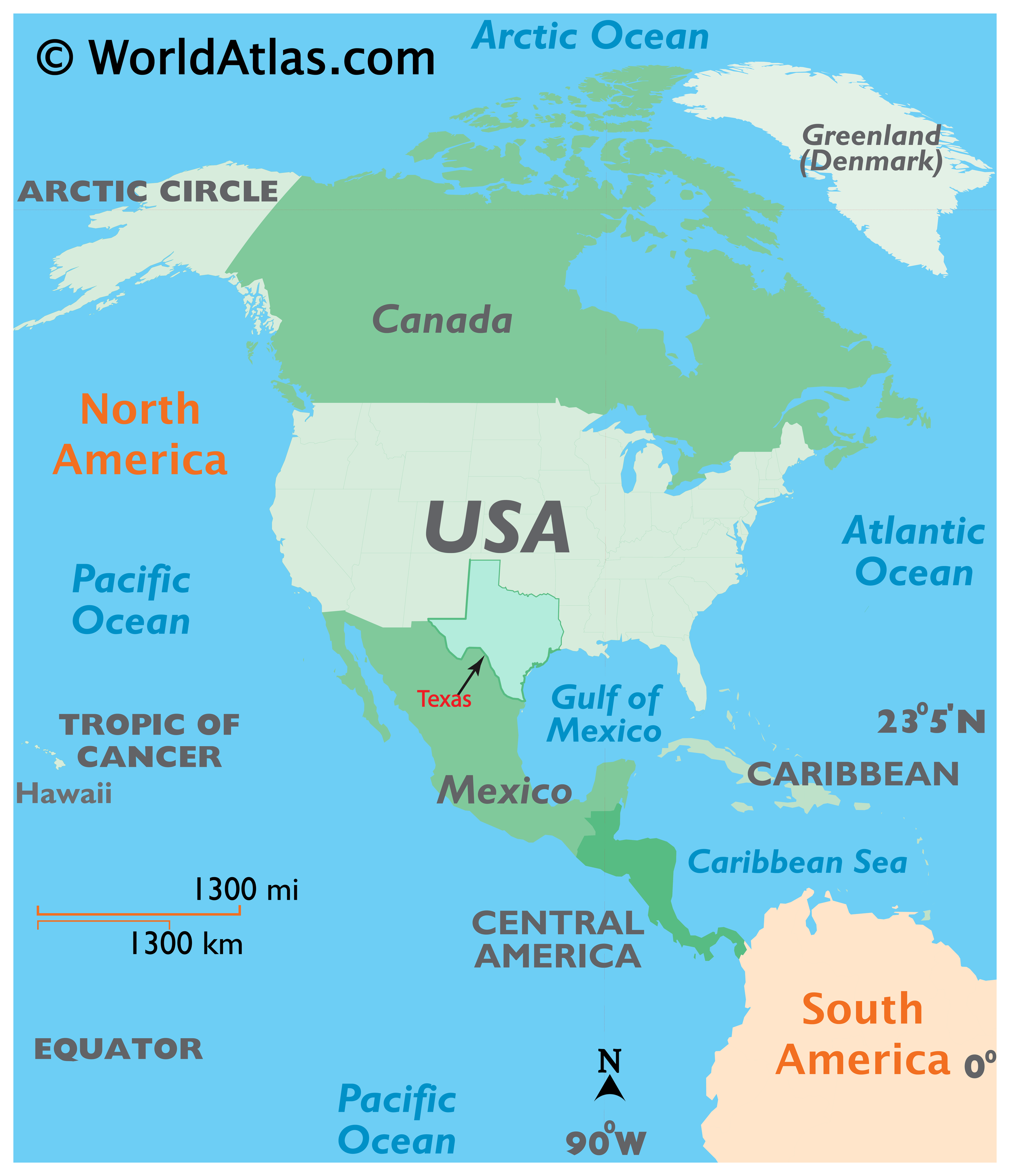
Texas is a prominent state located in the south-central region of the United States. As the second-largest state by both area and population, its immense size contributes significantly to its diverse landscapes and climates. It shares extensive borders with four other U.S. states and an international border with Mexico, further amplifying its strategic and cultural importance.
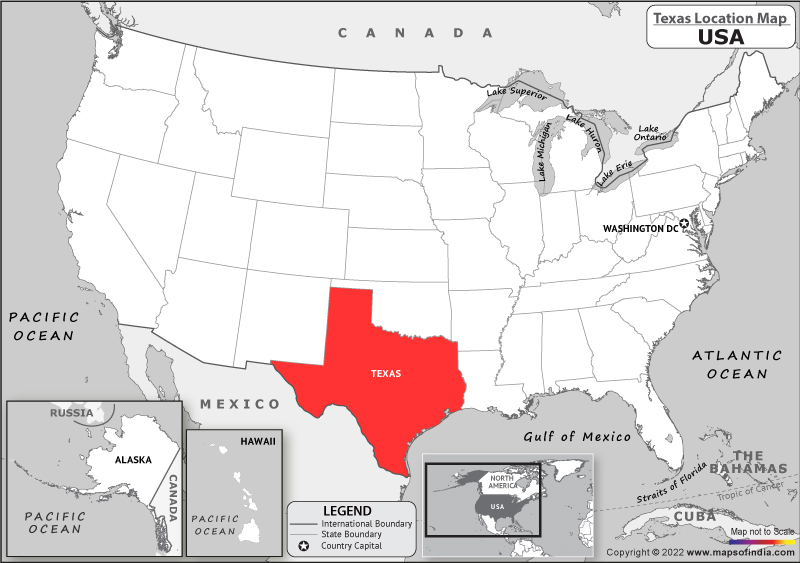
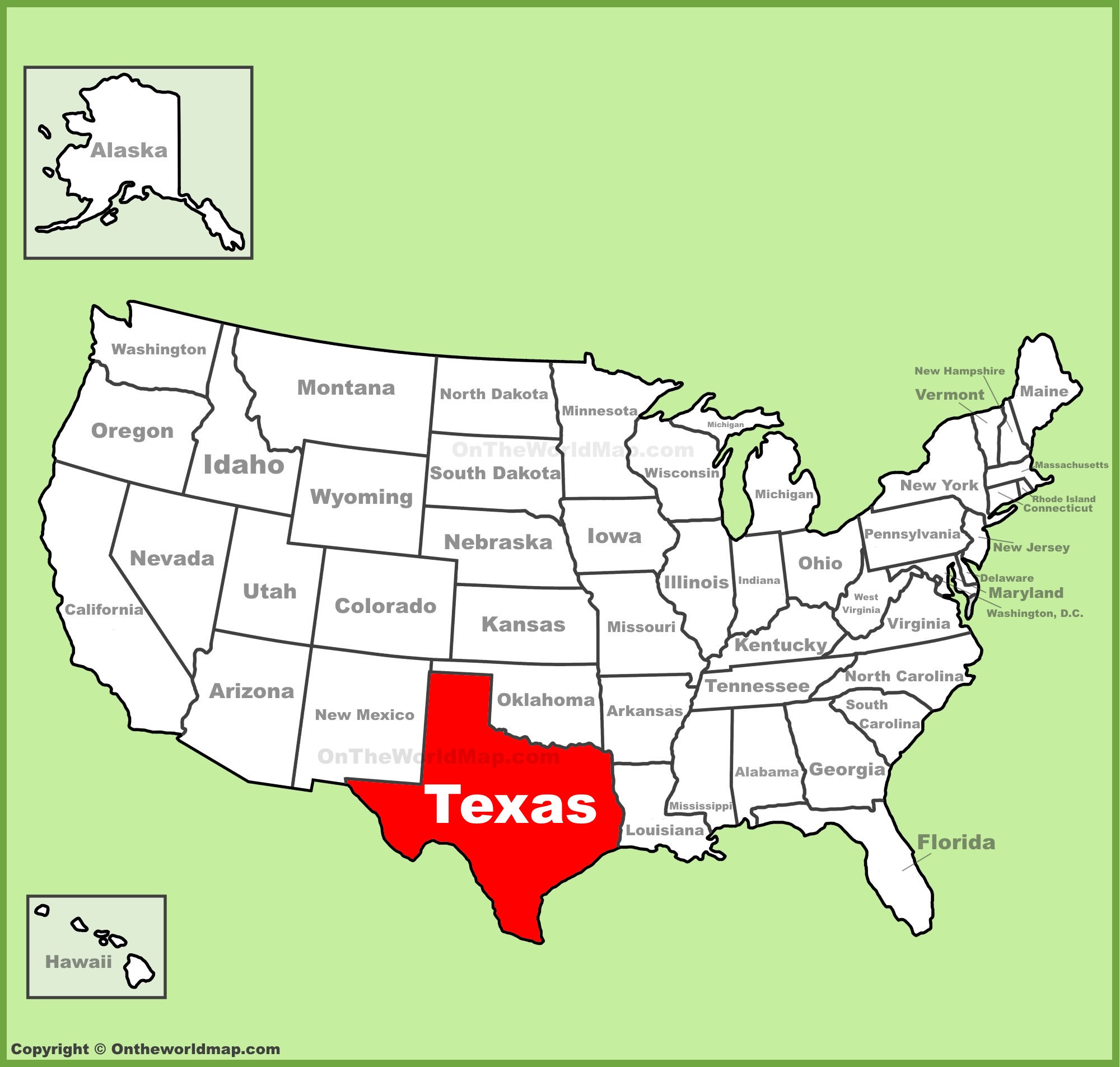
To its north, Texas borders Oklahoma, a state known for its Native American heritage and vast prairies. To the east, it shares a boundary with Louisiana and Arkansas, drawing cultural influences from the Deep South, including Cajun and Creole traditions. Moving west, the state meets New Mexico, creating a blend of Southwestern and Hispanic cultural elements.
Perhaps its most defining geographical feature, aside from its sheer expanse, is its southern border with Mexico, specifically the Mexican states of Chihuahua, Coahuila, Nuevo León, and Tamaulipas. This international boundary, largely defined by the meandering Rio Grande river, has profoundly shaped the region’s history, demographics, and distinctive Tex-Mex culture. Along its southeastern edge, Texas boasts a significant coastline along the Gulf of Mexico, offering pristine beaches, bustling port cities, and thriving ecosystems. This coastal stretch is a popular destination for those seeking sun, sand, and seafood, with cities like Galveston and Corpus Christi serving as major hubs for tourism and maritime activities.
The geographical diversity within Texas is astonishing, ranging from the humid, forested Piney Woods in the east to the arid deserts and dramatic mountains of Big Bend Country in the west. The central part of the state features the rolling hills and spring-fed rivers of the Texas Hill Country, while the northern Panhandle region is characterized by flat plains and agricultural lands, part of the larger Great Plains physiographic province. This internal variety ensures that no two regions of Texas feel quite the same, presenting an endless itinerary for travelers.
A Land of Regional Contrasts
Exploring Texas means experiencing a series of distinct regions, each with its own character and attractions.
- The Gulf Coast: Stretching from Orange to South Padre Island, this region is defined by its sandy beaches, barrier islands, and wetlands. It’s ideal for beach vacations, birdwatching, and deep-sea fishing. Houston, a major metropolitan and industrial center, anchors this region, offering world-class museums, dining, and the renowned NASA Johnson Space Center.
- The Hill Country: Famous for its picturesque landscapes of rolling hills, clear rivers, and charming small towns like Fredericksburg and Gruene, this area is a haven for outdoor enthusiasts and wine lovers. Austin, the state capital and a vibrant hub for live music and innovation, sits at the eastern edge of the Hill Country.
- Big Bend Country: Located in far West Texas, this rugged and sparsely populated region is home to the majestic Big Bend National Park and Guadalupe Mountains National Park. It’s a paradise for hikers, stargazers, and those seeking solitude amidst dramatic desert landscapes and towering mountain ranges.
- The Prairies and Lakes: Encompassing much of North Texas, this region is characterized by expansive grasslands, numerous lakes, and major cities like Dallas and Fort Worth. It’s a blend of urban sophistication and cowboy heritage, offering everything from high fashion and art to rodeos and historic stockyards.
Iconic Cities and Must-Visit Landmarks
The major cities of Texas serve as cultural and economic powerhouses, each offering a distinct flavor of the Lone Star State. These urban centers are replete with attractions, dining, and accommodation options suitable for any traveler.
Metropolitan Wonders and Historic Gems
- Houston: As Texas’s largest city, Houston is a global hub for energy, aerospace, and healthcare. Its Museum District boasts an impressive collection of institutions, while the Theater District offers Broadway shows and live performances. A visit to the NASA Johnson Space Center is almost mandatory, providing an inspiring glimpse into space exploration. For accommodation, Houston offers everything from luxurious downtown hotels to boutique stays in trendy neighborhoods like Montrose.
- San Antonio: Steeped in history, San Antonio is arguably the most romantic and culturally rich city in Texas. It’s home to the iconic Alamo, a symbol of Texan independence, and the enchanting San Antonio River Walk, where visitors can stroll, dine, and relax along the scenic urban waterway. The city’s Spanish colonial missions, including the Alamo itself, are a UNESCO World Heritage Site, offering profound historical insights.
- Dallas: A hub of commerce, culture, and cuisine, Dallas is renowned for its vibrant arts scene, upscale shopping districts, and diverse culinary landscape. The Arts District is home to world-class museums and performance venues, while the historic West End offers a glimpse into the city’s past. Dallas is also a fantastic destination for luxury travel, with numerous five-star hotels and resorts.
- Austin: The capital city, Austin, proudly carries the moniker “Live Music Capital of the World.” Its eclectic vibe, thriving food truck scene, and abundance of outdoor activities make it a favorite for younger travelers and those seeking a unique, laid-back experience. Iconic spots like Sixth Street and South Congress Avenue pulsate with energy, while Barton Springs Pool offers a refreshing dip in natural springs.
Beyond these major cities, other notable destinations include Fort Worth, celebrating its cowboy heritage at the Stockyards National Historic District; El Paso, a truly bicultural city nestled in the Franklin Mountains near the Mexican border; and the coastal charm of Galveston Island, known for its historic architecture and pleasant beaches.
Natural Wonders and Outdoor Adventures
Texas’s vastness translates into an incredible array of natural landmarks perfect for outdoor enthusiasts.
- Big Bend National Park: A crown jewel of the national park system, Big Bend offers unparalleled hiking, camping, and stargazing opportunities amidst dramatic desert mountains, canyons, and the Rio Grande.
- Guadalupe Mountains National Park: Home to Texas’s highest peak, Guadalupe Peak, this park showcases stunning desert wilderness, ancient fossil reefs, and deep canyons.
- Palo Duro Canyon State Park: Often called the “Grand Canyon of Texas,” this expansive canyon near Amarillo offers breathtaking views, hiking trails, and horseback riding.
- Padre Island National Seashore: The longest undeveloped barrier island in the world, this protected stretch of coastline near Corpus Christi is a haven for migratory birds and sea turtles, offering pristine beaches and opportunities for fishing and camping.
Planning Your Texas Adventure: Accommodation and Experiences
Visiting Texas is about crafting an experience that matches your personal interests and travel style. Whether you’re seeking luxury, adventure, cultural immersion, or a relaxing getaway, the state’s offerings are as diverse as its landscapes.
Tailored Accommodation for Every Traveler
Given the variety of destinations, Texas boasts an extensive range of accommodation options.
- Hotels & Resorts: From opulent five-star resorts in Dallas and Houston, offering full-service amenities and fine dining, to charming boutique hotels in Austin or San Antonio, visitors will find options for every budget and preference. Many hotels cater to business stays with state-of-the-art facilities, while family trips can benefit from resorts with extensive recreational amenities.
- Apartments & Villas: For longer stays or larger groups, vacation rentals, apartments, and villas are popular choices, particularly in tourist-heavy areas like the Hill Country or along the Gulf Coast. These provide more space, privacy, and the flexibility of self-catering.
- Unique Stays: Texas also offers unique experiences such as glamping in Big Bend, historic bed and breakfasts in Fredericksburg, or even dude ranch accommodations that immerse guests in cowboy culture.
When planning, it’s always advisable to utilize resources for booking, reviews, and comparison to find the perfect fit. Reading traveler reviews can provide invaluable insights into a property’s quality and location.
Immersive Tourism and Local Culture
Texas offers a truly immersive tourism experience, touching upon several key aspects:
- Local Culture: Engage with the unique Texan identity – a blend of Southern hospitality, Western grit, and Mexican influence. Attend a rodeo in Fort Worth, explore the German heritage of the Hill Country, or dance to Tejano music in San Antonio.
- Food Scene: The culinary landscape is a major draw. Indulge in authentic Texas BBQ, savor spicy Tex-Mex dishes, or explore the burgeoning fine-dining scenes in Dallas and Houston. Don’t forget a bowl of authentic Texas chili.
- Activities & Experiences: Beyond urban exploration, Texas offers diverse activities:
- Adventure: Hiking, mountain biking, kayaking, fishing, and rock climbing, especially in the western and central regions.
- History & Heritage: Explore battlefields, historic homes, and museums dedicated to the state’s storied past.
- Arts & Entertainment: Catch live music in Austin, see a Broadway show in Houston, or discover local artists in smaller towns.
- Family Fun: Theme parks, zoos, and interactive museums abound in major cities, ensuring entertainment for all ages.
The Texas Lifestyle: A Blend of Tradition and Modernity
The lifestyle in Texas is a captivating paradox, where deep-rooted traditions coalesce seamlessly with cutting-edge modernity. This unique fusion profoundly influences the travel experience, creating a destination that is both familiar and surprising.
In one moment, visitors can find themselves immersed in the authentic cowboy culture of the Fort Worth Stockyards, witnessing cattle drives and rodeos that hark back to the Old West. The next, they could be exploring the futuristic architecture of Dallas’s Arts District, or experiencing the innovative tech scene and vibrant nightlife of Austin. This duality is what makes Texas such a rich and compelling destination.
From Luxury Travel to Budget-Friendly Escapes
Texas caters to every travel budget and preference.
- Luxury Travel: The state’s major cities, particularly Dallas and Houston, are prime destinations for luxury travelers, offering world-class hotels, designer shopping, Michelin-starred dining experiences, and exclusive cultural events. High-end resorts in the Hill Country provide luxurious retreats with spa services and golf courses.
- Budget Travel: For those mindful of expenses, Texas also presents numerous budget-friendly options. Affordable motels, state parks with inexpensive camping sites, and a thriving food truck culture allow travelers to experience the state without breaking the bank. Many museums offer free admission days, and outdoor activities like hiking and swimming in natural springs are often low-cost or free.
- Family Trips: Texas is exceptionally family-friendly, with attractions ranging from the Houston Zoo and Dallas World Aquarium to theme parks like Six Flags Over Texas. Educational experiences at historical sites like the Alamo or the NASA Johnson Space Center provide fun and learning for all ages.
- Business Stays: With its robust economy and major convention centers, Texas is a significant destination for business travel. Cities like Houston, Dallas, and Austin offer excellent infrastructure, including international airports, sophisticated hotels with conference facilities, and diverse networking opportunities.
Ultimately, the question of “Where is Texas located?” transcends a simple geographical answer. It is located at the intersection of diverse cultures, expansive landscapes, and an evolving modern identity rooted in a storied past. It’s a place where every corner promises a new discovery, from the bustling energy of its cities to the tranquil solitude of its national parks. For any traveler seeking a multifaceted and memorable journey, Texas offers an experience that is truly larger than life.
LifeOutOfTheBox is a participant in the Amazon Services LLC Associates Program, an affiliate advertising program designed to provide a means for sites to earn advertising fees by advertising and linking to Amazon.com. Amazon, the Amazon logo, AmazonSupply, and the AmazonSupply logo are trademarks of Amazon.com, Inc. or its affiliates. As an Amazon Associate we earn affiliate commissions from qualifying purchases.