
Nestled in the southern region of the United States, Louisiana stands as a vibrant mosaic of culture, history, and geography, unlike any other state in the nation. For travelers, history enthusiasts, and culinary adventurers, understanding its precise location is just the first step in uncovering a truly unique American experience. Louisiana, often referred to as the “Pelican State,” is strategically positioned at the mouth of the mighty Mississippi River and bordered by the warm waters of the Gulf of Mexico. This geographical placement has profoundly shaped its identity, making it a pivotal hub for trade, a melting pot of global influences, and an ecological wonderland.
The quest to discover “Where is Louisiana in USA?” quickly transforms into an exploration of a state that defies simple categorization. It’s a place where French colonial elegance meets African rhythms, Spanish architectural flair blends with Native American heritage, and the spirited traditions of Cajun and Creole cultures flourish. From the bustling streets of New Orleans to the tranquil beauty of its bayou country, Louisiana offers an unparalleled travel destination. Whether you’re seeking world-class music, unforgettable gastronomic journeys, historic landmarks, or an immersive natural escape, the answer to “where” is less about coordinates and more about an invitation to experience an extraordinary corner of North America. This article will guide you through its exact location, explore the geographical features that define it, delve into its rich cultural landscape, highlight must-visit destinations, and provide insights into accommodation and travel lifestyle options.
A Geographical Gem in the American South
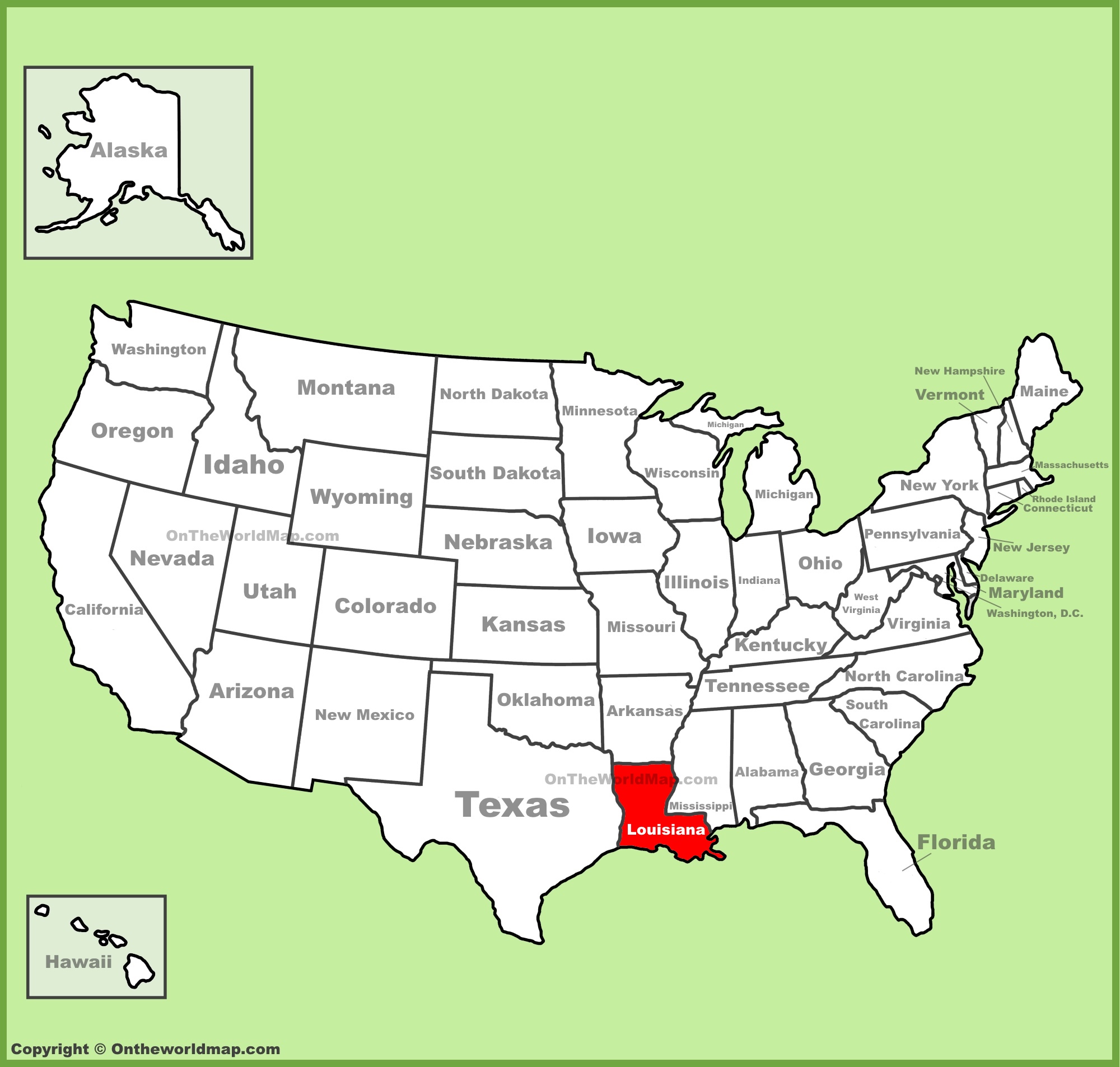
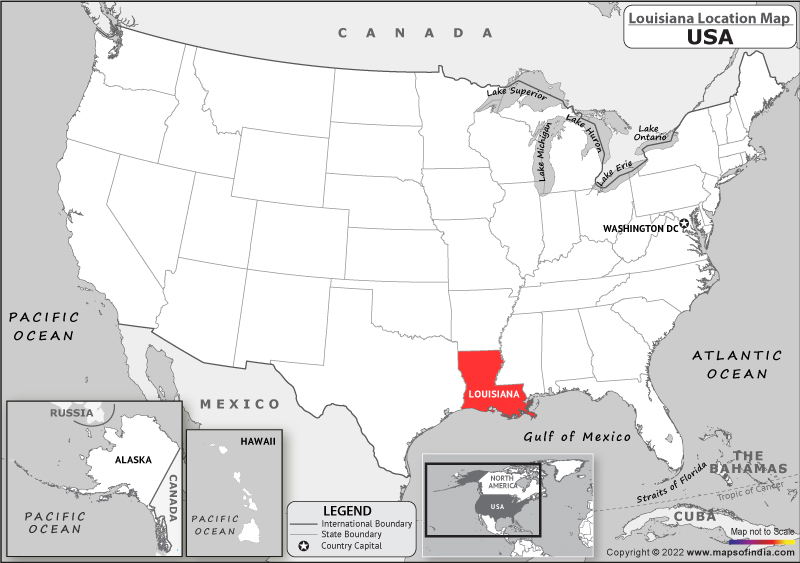
Louisiana’s position on the map is fundamental to understanding its character. Situated in the South Central region of the United States, it shares its western border with Texas, its northern border with Arkansas, and its eastern border with Mississippi. To its south lies the expansive Gulf of Mexico, providing a crucial connection to maritime trade routes and a distinctive coastal environment.
Locating Louisiana: Exact Position and Borders
Geographically, Louisiana spans approximately 52,378 square miles, making it the 31st largest state by area. Its coordinates generally fall between 28°56′N and 33°N latitude and 88°49′W and 94°2′W longitude. This positioning places it firmly within the subtropical climate zone, characterized by long, hot, humid summers and mild winters, often punctuated by significant rainfall. The state’s borders are not merely lines on a map but frontiers that have influenced its historical development and cultural exchange with neighboring states. The proximity to Texas brings a touch of Southwestern influence, while its shared history with Mississippi along the Mississippi River corridor further intertwines their narratives. This strategic location has always made Louisiana a crossroads, fostering a unique identity born from diverse interactions.
The Mississippi River’s Embrace
No discussion of Louisiana’s geography can be complete without acknowledging the profound impact of the Mississippi River. As the largest river system in North America, it flows for hundreds of miles through the state, creating the vast Mississippi River Delta. This deltaic plain is one of the most fertile and ecologically diverse regions in the world, vital for both agriculture and wildlife. The river has historically served as a critical artery for commerce, connecting the heartland of the United States to the global trade routes of the Gulf of Mexico. Its constant flow and sediment deposition have shaped the very landscape of southern Louisiana, creating the iconic bayou country, swamps, and wetlands that are synonymous with the state. The river also plays a significant role in the daily lives of many Louisianans, influencing everything from fishing and boating to the risk of flooding, making flood control and coastal restoration ongoing challenges and priorities.
Diverse Landscapes: Swamps, Bayous, Coastline, Prairies
Louisiana’s landscape is surprisingly varied, extending far beyond the stereotypical images of swamps and bayous. While the southern portion is indeed defined by its intricate network of slow-moving waterways, cypress-tupelo swamps, and marshlands that eventually merge with the Gulf of Mexico, the state also boasts other distinct geographical features. The central and northern regions rise into rolling hills, pine forests, and even prairies, contrasting sharply with the delta’s flat, watery expanse. The coastline, a dynamic frontier where land meets sea, is an essential habitat for migratory birds and marine life, supporting thriving fishing industries and offering unique recreational opportunities. Exploring these diverse environments reveals the true depth of Louisiana’s natural beauty, from the ancient oaks draped in Spanish moss along tranquil bayous to the sun-drenched beaches of its barrier islands.
Unveiling Louisiana’s Rich Cultural Tapestry
More than its geography, Louisiana’s location has allowed for a phenomenal blending of cultures, creating a vibrant and distinct heritage that captivates every visitor. This cultural richness is what truly sets the state apart, offering an immersive experience that stimulates all the senses.
A Melding of Influences: French, Spanish, African, Native American, Cajun, Creole
The cultural identity of Louisiana is a testament to its complex history as a colonial territory. Initially claimed by France in the 17th century, it became a strategic possession due to the Mississippi River. The subsequent Spanish rule brought new architectural styles and legal codes. However, it was the arrival of the Acadians (who became known as Cajuns) from Canada in the mid-18th century, coupled with the profound impact of enslaved Africans, that truly forged Louisiana’s unique cultural DNA. These groups, alongside earlier Native American inhabitants and later German and Irish immigrants, contributed to the emergence of both Cajun and Creole cultures. Creole culture, predominantly associated with New Orleans, is a sophisticated blend of French, Spanish, African, and Caribbean influences, characterized by its language, cuisine, and intricate social traditions. Cajun culture, centered in Acadiana in southwest Louisiana, stems from its Acadian roots, maintaining a strong connection to French dialect, folk music, and hearty, rustic cooking. This rich interplay of heritages is evident in every aspect of life, from language and architecture to music and festivals.
The Heart of Music and Festivals
Louisiana beats to a rhythm all its own, a rhythm steeped in musical history. It is the birthplace of Jazz, primarily rooted in New Orleans, where legends like Louis Armstrong honed their craft. Beyond Jazz, the state is home to Blues traditions that tell stories of struggle and resilience, and the infectious sounds of Zydeco, a blend of Cajun music with rhythm and blues. This musical heritage explodes into life through countless festivals held throughout the year. The New Orleans Jazz & Heritage Festival (often simply called Jazz Fest) is an internationally renowned celebration of music, food, and culture. However, the most famous of all is Mardi Gras, a spectacular, multi-week celebration preceding Lent, synonymous with parades, colorful costumes, and joyous revelry, particularly vibrant in New Orleans but celebrated across the state. These festivals are not just events; they are profound expressions of Louisiana’s soul, inviting everyone to participate in the infectious spirit of “Laissez les bons temps rouler!” (Let the good times roll!).
Culinary Delights: Gumbo, Jambalaya, Étouffée, Beignets
For many, a trip to Louisiana is primarily a culinary pilgrimage. The state’s cuisine is legendary, reflecting its diverse cultural heritage in every bite. Creole and Cajun cooking are distinct yet often intertwined, both focusing on fresh, local ingredients, bold flavors, and a healthy dose of spice. Iconic dishes like Gumbo, a hearty stew thickened with a roux and filled with seafood or sausage, and Jambalaya, a savory rice dish similar to paella, are mainstays. Étouffée, typically made with crawfish or shrimp smothered in a rich, savory sauce, offers another taste of the region’s bounty. No visit is complete without indulging in Beignets, square pieces of fried dough generously dusted with powdered sugar, best enjoyed with a café au lait. From upscale New Orleans restaurants to roadside Cajun diners, the food experience in Louisiana is an adventure in itself, a sensory journey through centuries of culinary innovation and tradition.
Top Destinations and Attractions for Travelers
Louisiana’s appeal as a travel destination is multifaceted, offering everything from historic urban exploration to immersive natural adventures. Here are some of the key places and experiences that draw visitors from around the globe.
New Orleans: The Iconic City
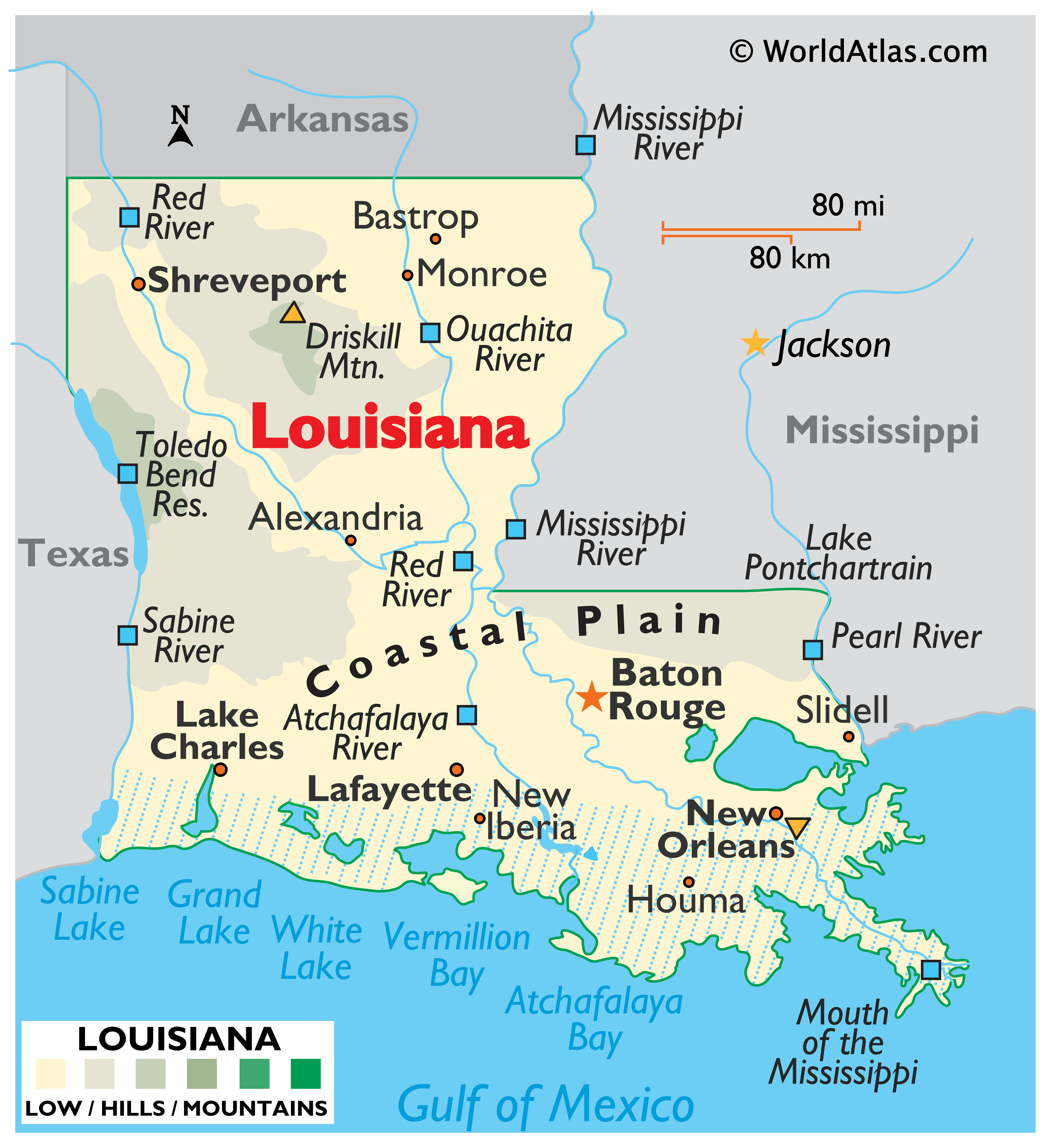
The undisputed crown jewel of Louisiana is New Orleans, a city alive with a unique energy and charm. Its historic French Quarter is a labyrinth of iron-laced balconies, vibrant street performers, and centuries-old architecture. Stroll down Bourbon Street for an unforgettable nightlife experience, or explore the more refined Royal Street for antique shops and art galleries. Visit Jackson Square, dominated by the majestic St. Louis Cathedral, or take a streetcar ride through the elegant Garden District with its grand antebellum mansions. Beyond the well-trodden paths, New Orleans offers a wealth of museums, ghost tours, voodoo shops, and a thriving arts scene. It is also the epicenter for events like Mardi Gras and the New Orleans Jazz & Heritage Festival, making it a city that promises excitement and discovery around every corner.
Baton Rouge: The Capital City
Just up the Mississippi River from New Orleans lies Baton Rouge, the capital city of Louisiana. While often overshadowed by its more famous neighbor, Baton Rouge offers its own distinct blend of history, culture, and modern amenities. Visitors can explore the magnificent Louisiana State Capitol, the tallest capitol building in the United States, offering panoramic views from its observation deck. The city is also home to Louisiana State University (LSU), known for its beautiful campus and passionate sports culture. Historical sites such as the Old Louisiana State Capitol (a Gothic Revival castle) and the USS Kidd Veterans Museum provide insights into the state’s past. Baton Rouge serves as a convenient base for exploring the nearby plantation country and experiencing a different facet of Louisiana life.
Lafayette: Heart of Cajun Country
Venture west into Acadiana, and you’ll find Lafayette, often considered the heart of Cajun country. This city is where the vibrant Cajun culture truly thrives, evident in its music, food, and friendly atmosphere. Lafayette offers an authentic immersion into Acadian heritage. Attractions like Acadian Village and Vermilionville are living history museums that recreate 19th-century Cajun and Creole settlements, complete with historic homes, craft demonstrations, and cultural performances. Visitors can enjoy live Zydeco and Cajun music in local dance halls (fais do-dos), savor authentic Cajun boudin and cracklins, and embark on swamp tours to witness the area’s natural beauty and wildlife up close. Lafayette is a must-visit for anyone eager to delve into the soulful traditions of Cajun Louisiana.
Exploring the Plantations: Antebellum Homes
The stretch of the Mississippi River between New Orleans and Baton Rouge is dotted with magnificent antebellum plantations, offering a poignant glimpse into Louisiana’s complex past. These grand estates, once sugar and cotton empires, now stand as preserved landmarks, inviting visitors to learn about their history, architecture, and the lives of both the owners and the enslaved people who toiled on them. Popular choices include Oak Alley Plantation, famous for its iconic canopy of 300-year-old live oaks leading to the mansion; Laura Plantation, known for its insightful tours focusing on the lives of both the Creole family and the enslaved individuals; and Houmas House Plantation and Gardens, often referred to as “The Sugar Palace.” These visits provide a crucial historical context to the state’s development and enduring cultural legacy.
Natural Wonders: Swamp Tours and the Atchafalaya Basin
Beyond the cities and plantations, Louisiana offers incredible natural wonders, particularly its unique wetlands. Embarking on a swamp tour is an essential Louisiana experience. Whether by airboat or slow-moving skiff, these tours navigate through cypress forests draped with Spanish moss, offering opportunities to spot alligators, wading birds, and other wildlife in their natural habitat. The Atchafalaya Basin, the largest river swamp in the United States, is a particularly awe-inspiring area for ecological exploration, offering fishing, kayaking, and birdwatching. These natural attractions provide a serene contrast to the vibrant urban centers and a deeper understanding of the ecological significance that shapes much of Louisiana’s distinctive character.
Accommodation and Lifestyle in the Pelican State
Traveling through Louisiana is not just about where you go, but also how you experience it, from where you stay to the lifestyle you embrace during your visit. The state offers a broad spectrum of options catering to every taste and budget, ensuring that your journey is as comfortable and memorable as it is culturally enriching.
Diverse Lodging Options: Luxury to Local Stays
Louisiana provides a comprehensive array of accommodation choices. In cities like New Orleans and Baton Rouge, you’ll find luxurious hotels and grand resorts offering world-class amenities, often housed in historic buildings that add to the charm. Boutique hotels abound, particularly in the French Quarter and Garden District, providing personalized service and unique character. For those seeking a more intimate experience, charming bed & breakfasts (B&Bs) are prevalent, especially in historic neighborhoods and smaller towns, offering a taste of local hospitality. Apartment rentals and villas are excellent options for families or longer stays, providing space and flexibility. Beyond traditional lodging, Louisiana even offers unique experiences like staying in refurbished plantation homes, rustic cabins in the bayou country, or even houseboats for an unforgettable connection with nature.
Budget to Luxury Travel: Catering to All Preferences
Whether you’re a budget-conscious traveler or seeking a lavish escape, Louisiana accommodates all. backpacker-friendly hostels can be found in New Orleans, offering an affordable way to experience the city’s vibrant scene. Mid-range hotels provide comfort and convenience without breaking the bank, often with excellent locations. For those pursuing luxury travel, Louisiana delivers with high-end resorts, gourmet dining experiences, and exclusive tours. Family trips are well-supported with numerous family-friendly hotels and attractions designed for all ages, while business stays benefit from modern convention centers and business-oriented accommodations in the larger cities. The versatility of options means that every visitor can tailor their trip to match their desired lifestyle and financial plan.
Unique Experiences and Essential Travel Tips
To truly embrace the Louisiana lifestyle, consider stepping off the beaten path. Take a cooking class to master Cajun or Creole cuisine, join a second line parade in New Orleans, or attend a local festival in a smaller town like Breaux Bridge for its Crawfish Festival. For longer-term stays, consider renting a cottage in a charming historic district or exploring the possibility of an extended retreat in a bayou cabin, offering a deeper dive into the local way of life.
When planning your visit, remember a few essential travel tips. The best time to visit is typically in the fall (September to November) or spring (March to May) when the weather is mild and comfortable, and the festival season is in full swing. Summers can be very hot and humid, although many indoor attractions offer a cool respite. Transportation within cities like New Orleans is easy with streetcars and walking, but for exploring beyond the urban centers, a rental car is highly recommended. Pack light, breathable clothing, comfortable walking shoes, and don’t forget insect repellent, especially for bayou excursions. Most importantly, arrive with an open mind and a hearty appetite, ready to immerse yourself in the warmth and hospitality of the Pelican State.
In conclusion, “Where is Louisiana in USA?” is a question that leads to the discovery of a truly extraordinary state. Its geographical location at the crossroads of the Mississippi River and the Gulf of Mexico has shaped a landscape and culture that are distinctively its own. From the infectious rhythms of New Orleans to the serene beauty of the Atchafalaya Basin, and from the savory depths of Gumbo to the historic grandeur of its plantations, Louisiana offers a travel experience that is rich, vibrant, and unforgettable. It’s not just a place on a map; it’s an invitation to experience a living, breathing culture that celebrates life with unparalleled passion.