
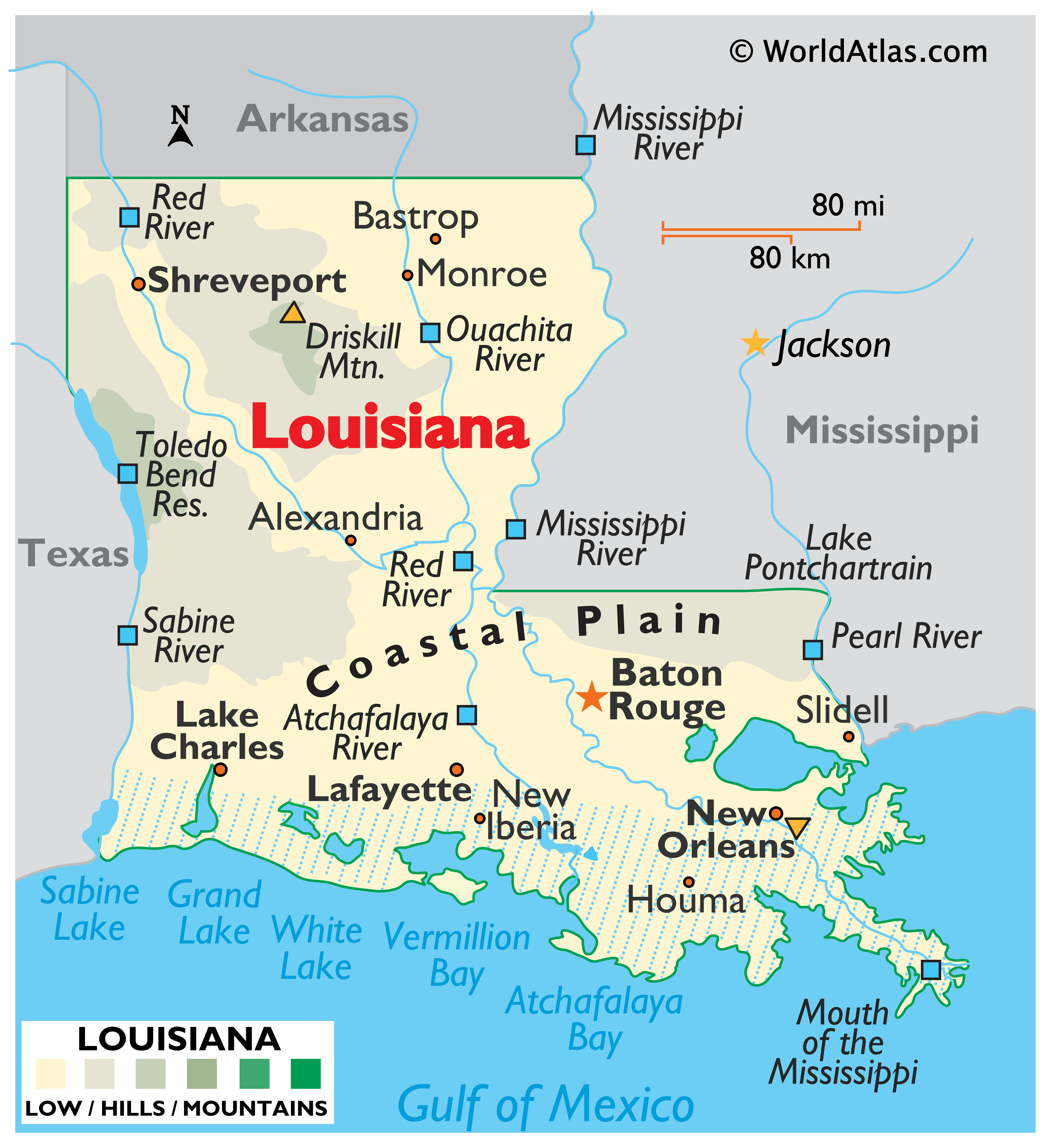
Louisiana, often dubbed the “Pelican State,” is a captivating jewel situated in the South-Central United States. Its distinctive boot-shaped outline stretches along the northern shores of the Gulf of Mexico, sharing its western border with Texas, its northern flank with Arkansas, and its eastern boundary with Mississippi. More than just a dot on the map, Louisiana is a vibrant tapestry woven from unique geographical features, a rich historical narrative, and an unparalleled cultural legacy that beckons travelers from around the globe.
From its sprawling marshlands and intricate bayou ecosystems to the mighty Mississippi River that carves its way through the state, Louisiana’s landscape is as diverse as its people. This Southern state is not merely a location; it’s an experience, a destination brimming with flavors, sounds, and sights that etch themselves into the memory of every visitor. Whether you’re a history enthusiast, a culinary adventurer, a music lover, or someone seeking an authentic American experience, Louisiana promises a journey unlike any other. This comprehensive guide will not only pinpoint Louisiana’s geographical placement but will also delve into its cultural heart, popular attractions, and practical travel tips, helping you plan an unforgettable trip.

Unveiling Louisiana’s Unique Geography and Cultural Tapestry
Louisiana’s position on the map is intrinsically linked to its identity. Its proximity to the Gulf of Mexico defines much of its ecology and historical development, while its diverse heritage traces back to European colonization and the blending of various communities.
The Boot-Shaped Gem of the Gulf Coast
Geographically, Louisiana is famously characterized by its low-lying terrain, extensive coastal wetlands, and the critical presence of the Mississippi River delta. This powerful river has shaped the state’s geography for millennia, depositing rich alluvial soil that supports fertile agricultural lands and creating a complex network of bayous, swamps, and lakes. These unique aquatic environments are vital to the state’s ecosystem, providing habitats for an astonishing array of wildlife, including alligators, migratory birds, and various fish species. For nature lovers and those seeking outdoor adventures, the landscapes of Louisiana offer unparalleled opportunities for swamp tours, fishing, kayaking, and paddleboarding. The state’s natural beauty provides a serene contrast to its lively urban centers, inviting exploration of both its wild heart and its bustling cities.
A Melding Pot of Heritage: Creole and Cajun Rhythms
The soul of Louisiana is deeply rooted in its rich cultural and historical background. Unlike any other state in the United States, Louisiana boasts a distinct heritage shaped by significant French and Spanish colonial influences. This history gave rise to two of its most iconic cultural groups: the Creoles and the Cajuns.
The Creole culture, predominantly found in New Orleans and surrounding areas, is a sophisticated blend of French, Spanish, African, and Indigenous traditions. This rich amalgamation is evident in its architecture, language, and especially its celebrated cuisine. Meanwhile, the Cajuns, descendants of French Acadians exiled from Canada in the 18th century, primarily inhabit the southwestern part of the state, known as Cajun Country. Their culture is characterized by its resilient spirit, unique dialect of French, and a vibrant folk music tradition that includes Zydeco and Cajun music. This dual heritage makes Louisiana a fascinating study in cultural diversity, offering visitors an authentic glimpse into traditions preserved and celebrated through generations.
Exploring Louisiana’s Vibrant Cities and Regions
Beyond its geographical wonders and historical depth, Louisiana is home to several major cities and regions, each offering its own distinct flavor and a plethora of attractions for various types of travelers. From bustling urban hubs to charming smaller towns, the state invites exploration.
The Irresistible Charm of New Orleans
No discussion of Louisiana is complete without spotlighting New Orleans, the state’s largest city and arguably its most famous destination. Nestled on the Mississippi River near the Gulf of Mexico, New Orleans is a city of unparalleled charisma, often referred to as the “Big Easy.” Its historic French Quarter is a designated National Historic Landmark, famous for its wrought-iron balconies, colorful colonial architecture, and lively street scenes. Here, you can immerse yourself in the birthplace of Jazz music, enjoy a café au lait and beignets at Café Du Monde, and wander through bustling Jackson Square overlooking the majestic St. Louis Cathedral.
New Orleans is a hub for tourism, offering everything from luxury boutique hotels in the Garden District to charming guesthouses for budget-conscious travelers. The city truly comes alive during its iconic Mardi Gras festival, an explosion of parades, costumes, and revelry that draws millions annually. Beyond the carnival, the city hosts numerous other festivals, most notably the New Orleans Jazz & Heritage Festival, celebrating its profound musical legacy. Visitors can explore world-class museums like The National WWII Museum, stroll down the infamous Bourbon Street, or catch a live performance at Preservation Hall. For those seeking unique experiences, a steamboat cruise on the Mississippi River offers panoramic views and a taste of old-world charm, making New Orleans a quintessential travel destination for families, couples, and solo adventurers alike.
From Baton Rouge to the Bayou: Discovering State Gems
While New Orleans captures much of the spotlight, Louisiana’s other cities and regions offer equally compelling experiences. The state capital, Baton Rouge, is a vibrant city known for its political significance and the spirited campus of Louisiana State University (LSU). Visitors to Baton Rouge can explore the impressive Old State Capitol, a Gothic Revival castle overlooking the Mississippi River, or tour the magnificent current Louisiana State Capitol, the tallest capitol building in the United States. The city also serves as a gateway to the famous plantation country along the River Road, where grand antebellum homes offer a glimpse into a complex past.
Further north, Shreveport and its twin city, Bossier City, situated on the Red River in northwestern Louisiana, are known for their lively entertainment scene, including riverboat casinos, horse racing, and a thriving arts community. Shreveport offers a different vibe, with a focus on Southern hospitality and outdoor recreation.
In the heart of Cajun Country, Lafayette stands as the epicenter of Acadian culture. This charming city is where visitors can truly immerse themselves in the Cajun lifestyle, from savoring authentic Cajun cuisine to dancing to live Zydeco and Cajun music in local dance halls. Lafayette provides an excellent base for exploring nearby bayous and swamp lands, engaging in fishing excursions, or visiting cultural attractions like Vermilionville, a living history museum showcasing Cajun and Creole life in the 18th and 19th centuries. Each city and region contributes to the multifaceted allure of Louisiana, making it a destination that caters to diverse tastes and interests.
Beyond the City Lights: Attractions and Activities for Every Traveler
While Louisiana’s cities are undeniably captivating, the state’s true essence often lies in its unique attractions and activities, especially those that highlight its rich history and natural wonders.
Immersive Historical Journeys and Plantation Experiences
Louisiana’s past is palpable, particularly through its numerous historical sites and antebellum plantations. These grand estates, often nestled along the Mississippi River, offer poignant glimpses into a complex chapter of American history. Iconic landmarks such as Oak Alley Plantation, with its stunning canopy of 300-year-old live oaks, and Laura Plantation, known for its Creole heritage and focus on the lives of enslaved people, provide profound educational experiences. Visitors can take guided tours, explore historic homes and slave quarters, and gain a deeper understanding of the societal structures that shaped the region. These sites serve as critical reminders of Louisiana’s historical narrative, making them essential stops for those interested in American history and social studies.
Beyond plantations, the state boasts numerous other historical sites, from civil rights landmarks to beautifully preserved historic districts in its towns and cities. Museums across the state chronicle everything from its indigenous peoples to the pivotal role of New Orleans in world wars, ensuring that history buffs have ample opportunities for discovery and reflection.
Embracing the Wild: Swamp Tours and Outdoor Adventures
For those drawn to nature and adventure, Louisiana’s natural landscapes offer an entirely different realm of exploration. Swamp tours are a quintessential Louisiana experience, taking visitors deep into the mysterious bayous and wetlands on airboats or flat-bottomed skiffs. These tours provide thrilling encounters with alligators, exotic birds, and other indigenous wildlife, often led by knowledgeable local guides who share fascinating insights into the ecosystem and local folklore. The Atchafalaya Basin, the largest river swamp in the United States, is a prime location for such adventures, offering an immersive experience into Louisiana’s wild heart.
The state is also home to several national parks and wildlife refuges, such as the Jean Lafitte National Historical Park and Preserve, which preserves the natural and cultural resources of the Mississippi Delta. These areas offer excellent opportunities for hiking, birdwatching, and photography. Fishing is a popular pastime, with abundant freshwater and saltwater options, from casting lines in freshwater lakes to deep-sea fishing in the Gulf of Mexico. Kayaking and paddleboarding through calm bayous provide peaceful ways to observe the unique flora and fauna, making Louisiana an ideal destination for ecotourism and active travel enthusiasts.
Savoring the Soul of Louisiana: Cuisine and Festivals
Beyond its geography and historical sites, Louisiana’s soul is most powerfully expressed through its world-renowned cuisine and its spirited calendar of festivals. These elements are not just attractions; they are a lifestyle, deeply ingrained in the fabric of the state.
A Culinary Journey Through the Bayou State
Louisiana cuisine is a destination in itself, a delectable fusion of French, Spanish, African, and Caribbean influences that has evolved into distinctly Creole and Cajun traditions. Food is a central part of life here, celebrated with passion and expertise. Must-try dishes include hearty bowls of gumbo (a thick stew with meat or seafood, often served over rice), spicy jambalaya (a flavorful rice dish similar to paella), and rich étouffée, typically made with crawfish or shrimp. Seafood is king in Louisiana, with fresh oysters, shrimp, and crab featuring prominently on menus across the state.
No visit is complete without indulging in sweet treats like hot, powdered sugar-dusted beignets or savory po’boys, overstuffed sandwiches that are a local staple. From upscale restaurants in New Orleans’ French Quarter offering fine dining experiences to rustic Cajun diners serving home-style cooking, the culinary landscape caters to every palate and budget. The flavors are bold, the portions generous, and the experience unforgettable. For foodies, exploring Louisiana’s food scene is a culinary adventure that reflects the state’s diverse heritage. Don’t forget to visit the Tabasco Factory on Avery Island for a spicy experience and a taste of history.
The Unforgettable Spectacle of Mardi Gras and Other Celebrations
Louisiana is renowned for its lively spirit, which manifests most spectacularly in its numerous festivals. Chief among these is Mardi Gras, an annual pre-Lenten carnival celebration held across the state, with New Orleans hosting the largest and most famous festivities. Characterized by elaborate parades, colorful floats, costumed revelers, and the iconic throwing of beads and doubloons, Mardi Gras is a bucket-list experience that embodies the joyous, uninhibited spirit of Louisiana.
Beyond Mardi Gras, the state’s calendar is packed with celebrations of its music, food, and culture. The New Orleans Jazz & Heritage Festival (Jazz Fest) showcases world-class music across multiple genres, particularly Jazz and Blues, attracting music lovers globally. There are also countless smaller, local festivals celebrating everything from strawberries and pecans to oysters and Zydeco music. These events offer fantastic opportunities to engage with local communities, savor regional delicacies, and dance to the infectious rhythms of Louisiana, making them ideal for family trips and solo explorations alike.
Planning Your Louisiana Escape: Practical Tips and Accommodation
Embarking on a journey to Louisiana requires some thoughtful planning to ensure a seamless and enjoyable experience. From the best time to visit to finding the perfect place to stay, a few practical tips can make all the difference.
When to Visit and Getting Around
The best time to visit Louisiana is generally during the cooler, drier months of fall (September to November) and spring (March to May). During these seasons, the weather is pleasant, ideal for sightseeing and outdoor activities, and the humidity is lower. Summer can be very hot and humid, with a higher chance of tropical storms, while winter offers mild temperatures but can be chilly, especially in the northern parts of the state. If you plan to attend Mardi Gras, be aware that it typically falls in late winter or early spring, and advance booking for flights and accommodations is essential due to high demand.
When it comes to transportation, renting a car is highly recommended for exploring areas outside of New Orleans, particularly if you plan to visit plantation country, Cajun Country, or the natural parks. In New Orleans, public transportation, including streetcars and buses, is efficient for navigating the city’s main attractions. Walking is also a great way to explore the compact French Quarter and nearby districts. Ridesharing services are also readily available in major cities.

Finding Your Perfect Stay: From Boutique Hotels to Resorts
Louisiana offers a diverse range of accommodation options to suit every travel style and budget. In New Orleans, you can find everything from opulent luxury hotels and sophisticated boutique hotels nestled in historic buildings to charming guesthouses and vibrant hostels. Many travelers seek out historic inns and apartments in areas like the French Quarter or the Garden District for an authentic experience, often featuring classic Southern architecture and amenities. For those on a budget travel plan, there are plenty of well-located, affordable hotels and vacation rentals available.
Outside of New Orleans, particularly in cities like Baton Rouge and Shreveport, you’ll find a mix of well-known hotel chains, comfortable resorts with various amenities, and locally owned establishments. In Cajun Country, opting for a cozy bed and breakfast or even a rustic cabin near the bayous can offer a more immersive cultural experience. For long-term stays or family trips, vacation apartments and villas provide more space and flexibility. When booking, always check reviews and compare options to find the best fit for your needs.
Finally, while generally safe, it’s always wise to practice common safety precautions, especially in crowded tourist areas or when enjoying New Orleans’ vibrant nightlife. Be mindful of your belongings and stick to well-lit, populated areas. Embracing local etiquette, which often involves a warm, friendly demeanor, will further enhance your interactions with the hospitable people of Louisiana.
In conclusion, Louisiana is far more than just a location on the map. It is a vibrant, multi-layered destination that promises an enriching and exhilarating travel experience. From its distinctive geographical features and profound historical narratives to its world-famous cuisine and captivating music scene, every aspect of Louisiana invites discovery. Plan your visit, and prepare to be enchanted by the unique charm and undeniable soul of the Pelican State.
LifeOutOfTheBox is a participant in the Amazon Services LLC Associates Program, an affiliate advertising program designed to provide a means for sites to earn advertising fees by advertising and linking to Amazon.com. Amazon, the Amazon logo, AmazonSupply, and the AmazonSupply logo are trademarks of Amazon.com, Inc. or its affiliates. As an Amazon Associate we earn affiliate commissions from qualifying purchases.