
Mammoth Lakes, California, is a captivating destination nestled high in the Sierra Nevada Mountains, offering a breathtaking panorama of natural beauty and exhilarating adventure. This vibrant mountain town, renowned for its pristine alpine environment and world-class recreational opportunities, draws visitors from across the globe seeking an escape into the wild, a thrill on the slopes, or a serene retreat amidst towering peaks. Understanding its precise location is the first step to unlocking the magic of this unparalleled Californian gem.
The Geographical Heart of Mammoth Lakes
Mammoth Lakes is strategically situated in the Eastern Sierra region of California, a part of the state often overlooked in favor of its coastal cities, yet arguably more spectacular in its rugged, untamed grandeur. Its elevation, which hovers around 7,136 feet (2,175 meters) above sea level, contributes significantly to its distinctive character, providing a cool, crisp mountain atmosphere and ensuring abundant snowfall for winter sports enthusiasts.

Location within the Sierra Nevada
The town is located in Mono County, specifically in the southwestern portion of the county. It sits along U.S. Route 395, a major north-south highway that serves as the primary artery for accessing this remote yet accessible destination. This highway connects Mammoth Lakes to other significant points of interest in the Eastern Sierra, including Yosemite National Park to the west and the vast expanse of the Nevada desert to the east. The proximity to Yosemite, though requiring a scenic drive and subject to seasonal road closures, makes Mammoth Lakes a fantastic base for exploring multiple iconic natural wonders. The Sierra Nevada mountain range itself forms a dramatic backdrop, with its granite peaks, alpine meadows, and crystal-clear lakes shaping the very identity of the region.
Proximity to Major Cities and Access
While Mammoth Lakes feels like a world away from the hustle and bustle of urban life, its relative accessibility is a key factor in its popularity.
- From Los Angeles: The drive from Los Angeles is approximately a 5-6 hour journey, taking the I-5 North and then CA-14 North to U.S. Route 395 North. This route offers a gradual ascent into the mountains, with landscapes that steadily transform from rolling hills to dramatic sierra vistas.
- From San Francisco: Travelers from San Francisco can reach Mammoth Lakes in about a 6-7 hour drive. The most common route involves taking US-101 South or I-80 East to CA-99 South, then heading east on CA-120 East through Yosemite National Park (during summer months when Tioga Pass is open) or opting for a longer, all-season route via CA-58 East to US-395 North.
- By Air: For those seeking a quicker route, Mammoth Yosemite Airport (MMH) offers seasonal commercial flights, primarily connecting Los Angeles and other major hubs during the ski season. This makes reaching the high Sierras remarkably convenient for many visitors.
The Natural Tapestry Surrounding Mammoth Lakes
The location of Mammoth Lakes is intrinsically tied to its extraordinary natural surroundings, a defining feature that dictates its appeal and the activities available. The town serves as a gateway to a wonderland of geological formations, pristine waters, and diverse ecosystems.
The Mammoth Lakes Basin
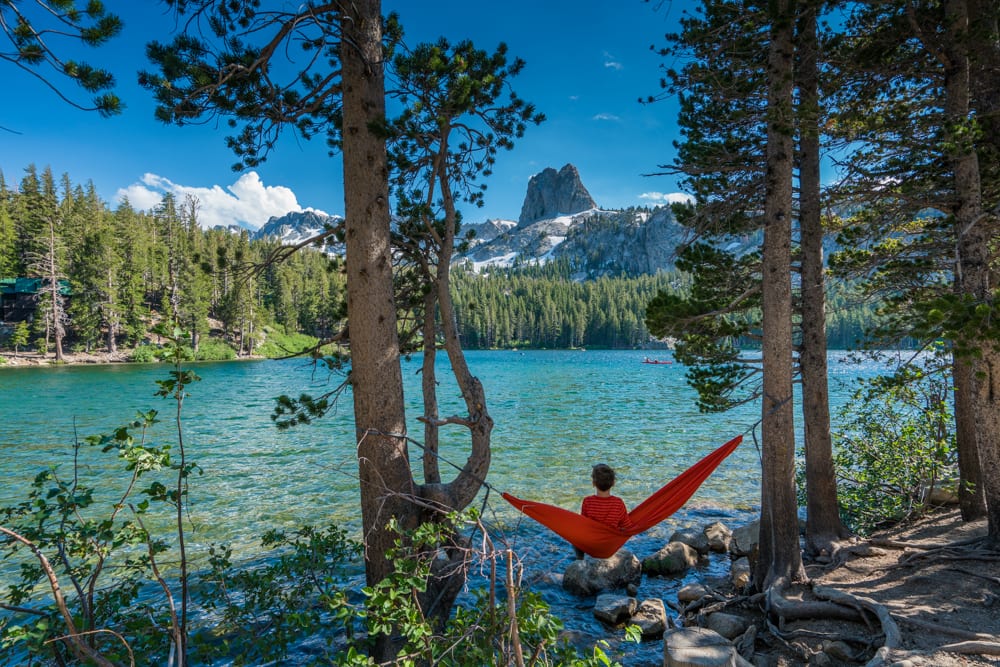
At the heart of the region’s allure is the Mammoth Lakes Basin, a collection of stunning alpine lakes nestled in glacial cirques. These include iconic bodies of water such as Lake Mary, Twin Lakes, Horseshoe Lake, and the aptly named Crystal Lake. Each lake possesses its own unique charm, from the tranquil reflections of surrounding peaks on their glassy surfaces to the opportunities for fishing, kayaking, and paddleboarding. The basin is a testament to the powerful forces of glaciation that shaped this landscape, leaving behind a truly picturesque setting.
Volcanic Landscapes and Geothermal Activity
Mammoth Lakes is situated within a region of significant volcanic activity, a legacy of its location on the edge of the Long Valley Caldera. This supervolcano caldera, one of the largest in the world, underlies much of the area and contributes to its unique geological features.
- Devils Postpile National Monument: A prime example of this volcanic past is Devils Postpile National Monument, located just a short drive or shuttle ride from the town. Here, visitors can marvel at the towering columns of hexagonal basalt, formed by cooling lava flows, which stand as a striking testament to the earth’s fiery origins.
- Hot Creek Geological Site: Further showcasing the area’s geothermal energy is Hot Creek Geological Site, where geysers and hot springs bubble to the surface. While swimming is often restricted due to fluctuating temperatures and unpredictable eruptions, the site offers a fascinating glimpse into the active geological processes beneath the surface.
Proximity to National Parks and Forests
Mammoth Lakes is ideally positioned as a hub for exploring some of the most celebrated natural landmarks in the United States.
- Yosemite National Park: As previously mentioned, Yosemite National Park is a relatively short drive away. Travelers can access the park via the scenic Tioga Pass Road (CA-120), a route that opens during the warmer months and offers breathtaking vistas of the high country, including Tuolumne Meadows and the iconic granite domes.
- Inyo National Forest: The majority of the natural attractions surrounding Mammoth Lakes fall within the vast expanse of the Inyo National Forest. This protected area encompasses a tremendous diversity of landscapes, from dense pine forests and alpine meadows to arid high-desert scrublands and towering mountain peaks. The forest provides endless opportunities for hiking, backpacking, camping, and exploring the wilderness.
- Ansel Adams Wilderness: For serious hikers and backpackers, the Ansel Adams Wilderness beckons. This protected area, adjacent to Yosemite National Park and Devils Postpile National Monument, offers some of the most spectacular high-country trekking in the Sierras, with trails leading to remote lakes, challenging peaks, and unobstructed views of the majestic mountain range.
Seasonal Transformations and Activities
The location of Mammoth Lakes dictates its dramatic seasonal transformations, each offering a unique set of activities and experiences that captivate visitors throughout the year.
Winter Wonderland: Skiing and Snowboarding Paradise
During the winter months, Mammoth Lakes truly lives up to its name as a premier destination for snow sports.
- Mammoth Mountain Ski Area: The crown jewel is Mammoth Mountain Ski Area, one of the largest and highest ski resorts in California. Its summit, reaching an elevation of over 11,000 feet, ensures a long ski season, often extending into late spring, with abundant snowfall. The resort offers a vast network of groomed runs catering to all skill levels, from gentle beginner slopes to challenging expert terrain, as well as extensive opportunities for off-piste adventures and backcountry exploration.
- Other Winter Activities: Beyond skiing and snowboarding, the surrounding area offers a wealth of winter pursuits. Snowshoeing and cross-country skiing trails wind through snow-laden forests and across frozen lakes, providing a more serene way to experience the winter landscape. Snowmobiling tours offer an exhilarating way to cover more ground and explore remote areas, while ice skating on frozen ponds adds a touch of classic winter charm.
Summer and Fall: An Outdoor Enthusiast’s Dream
As the snow melts, Mammoth Lakes reveals a different, yet equally spectacular, face, transforming into a haven for summer and fall outdoor adventures.
- Hiking and Backpacking: The extensive trail system within the Inyo National Forest and surrounding wilderness areas becomes accessible. Hikers can embark on day trips to stunning alpine lakes, ascend to panoramic viewpoints, or undertake multi-day backpacking expeditions into the high country. Trails like the one to Rainbow Falls or the various routes leading into the John Muir Wilderness offer unforgettable experiences.
- Mountain Biking: The Mammoth Bike Park at Mammoth Mountain is internationally recognized for its downhill and cross-country mountain biking trails. With a variety of trails catering to all abilities, it has become a must-visit destination for gravity enthusiasts.
- Water Sports: The numerous lakes in the Mammoth Lakes Basin come alive in the warmer months, offering opportunities for fishing for trout, kayaking, paddleboarding, and swimming. The crystal-clear waters and stunning mountain backdrops make for an idyllic setting.
- Scenic Drives and Photography: The accessible sections of U.S. Route 395 and the scenic byways through the Eastern Sierra offer incredible opportunities for scenic drives, especially during the fall when the aspen trees turn vibrant shades of gold and red, creating a breathtaking spectacle. The June Lake Loop is particularly renowned for its autumn colors.
Mammoth Lakes, California, is more than just a dot on the map; it is a destination defined by its majestic mountain setting, its access to unparalleled natural beauty, and its capacity to offer diverse and exhilarating experiences year-round. Its location in the heart of the Sierra Nevada, coupled with its unique geological heritage, makes it a place of wonder, adventure, and profound natural beauty that beckons exploration and promises unforgettable memories.