
Mammoth Mountain stands as a towering beacon in the heart of California’s majestic Sierra Nevada mountain range, specifically within the breathtaking expanse known as the Eastern Sierra. More than just a ski resort, it is a four-season adventure playground, a natural landmark, and a vibrant community hub centered around the charming town of Mammoth Lakes. For travelers seeking pristine wilderness, thrilling outdoor activities, luxurious accommodations, or a taste of authentic mountain culture, pinpointing the exact location of Mammoth Mountain is the first step towards planning an unforgettable journey.
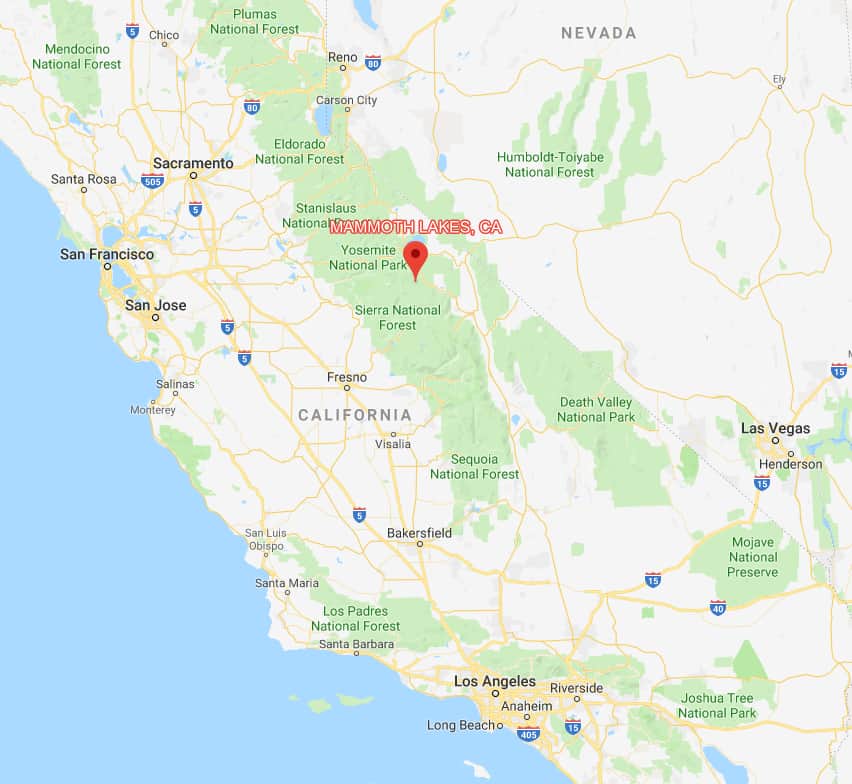
This iconic peak is situated in Mono County, roughly 325 miles north of Los Angeles and 300 miles southeast of San Francisco, making it an accessible, albeit scenic, drive from two of California’s major metropolitan areas. Its strategic position offers visitors not only access to world-class skiing and snowboarding but also a gateway to an unparalleled landscape of alpine lakes, ancient forests, and dramatic volcanic geology. The area’s unique topography is a result of millions of years of geological activity, contributing to its diverse ecosystems and spectacular vistas that attract millions of tourists annually. Understanding its geographical context within the Eastern Sierra is key to appreciating its grandeur and the myriad of experiences it offers.

Pinpointing Mammoth Mountain: A Geographical Gem in the Eastern Sierra
Mammoth Mountain’s precise coordinates place it at approximately 37.63° N latitude and 119.03° W longitude. This position is not merely a set of numbers; it signifies its eminent place within the high-altitude zone of the Sierra Nevada, where elevations regularly exceed 10,000 feet. The summit of Mammoth Mountain itself reaches an impressive 11,053 feet (3,369 meters), offering panoramic views that stretch for hundreds of miles across the diverse Californian landscape.
The Eastern Sierra Nevada: A Landscape of Grandeur
The Eastern Sierra Nevada is a land of dramatic contrasts, characterized by arid sagebrush valleys giving way to towering granite peaks. Unlike the gradual western slopes of the Sierra Nevada, the Eastern Sierra rises abruptly from the Owens Valley, creating a formidable and awe-inspiring natural barrier. Mammoth Mountain is a prime example of this geological drama, being a lava dome complex that is part of the larger Long Valley Caldera, a massive volcanic depression. This volcanic history has sculpted the unique terrain, created numerous natural hot springs, and shaped the rich mineral deposits found throughout the region.
The town of Mammoth Lakes, nestled at the base of the mountain, serves as the primary gateway to the resort and surrounding wilderness. It is easily accessible via U.S. Route 395, a scenic highway that traverses the entire length of the Eastern Sierra, connecting various small towns and natural attractions like Mono Lake to the north and Bishop to the south. This route is not just a road; it’s an experience in itself, offering breathtaking views around every bend.
Proximity to Key Californian Cities and National Parks
One of Mammoth Mountain’s strengths as a travel destination is its relative accessibility. While it feels wonderfully remote, it’s within a manageable driving distance for many:
- From Los Angeles: Approximately a 5-6 hour drive via U.S. Route 395.
- From San Francisco: Roughly a 5-7 hour drive, depending on the route and seasonal road closures, especially concerning passes like Tioga Pass (eastern entrance to Yosemite National Park).
- From Reno, Nevada: About a 3-hour drive, making it a popular choice for visitors from the Great Basin area.
- From Las Vegas, Nevada: Around a 5-6 hour drive, primarily via U.S. Route 95 North and then U.S. Route 395 South.
Beyond major cities, Mammoth Mountain’s location places it in close proximity to some of California’s most iconic national parks and monuments. During the summer months, Yosemite National Park is just a short drive away over the scenic Tioga Pass, offering an incredible opportunity to combine high-altitude adventures with the grandeur of Yosemite Valley. Other nearby natural landmarks include Devils Postpile National Monument, a remarkable geological formation of basalt columns, and the unique tufas of Mono Lake. These neighboring attractions enhance Mammoth Mountain’s appeal, transforming it from a singular destination into a base camp for exploring a vast and diverse natural wonderland.
Beyond the Slopes: Mammoth Mountain as a Year-Round Destination
While Mammoth Mountain is undeniably synonymous with its legendary winter sports, its true allure lies in its capacity to captivate visitors throughout all four seasons. The diverse landscape and extensive infrastructure mean that whether snow blankets the peaks or wildflowers bloom in the meadows, there’s an adventure waiting.
Winter Wonderland: Skiing, Snowboarding, and More
As one of North America’s premier ski resorts, Mammoth Mountain boasts an incredibly long ski season, often extending from November well into June or even July. With over 3,500 acres of skiable terrain, 28 lifts, and an average of 400 inches of snow annually, it offers something for every level of skier and snowboarder. From gentle beginner slopes to challenging expert runs, vast open bowls, and renowned terrain parks, the mountain caters to all preferences. The Mammoth Mountain Ski Area is a carefully managed environment that prioritizes visitor experience, with excellent ski schools, rental facilities, and on-mountain dining options.
Beyond alpine skiing and snowboarding, winter sports enthusiasts can indulge in cross-country skiing at Tamarack Cross Country Ski Center, snowshoeing through silent, snow-covered forests, snowmobiling on designated trails, or even ice skating at the outdoor rink in The Village at Mammoth. The vibrant atmosphere of Mammoth Lakes during winter, with festive lights, cozy restaurants, and lively après-ski scenes, perfectly complements the daytime adventures.
Summer Adventures: Hiking, Biking, and Lake Activities
When the snow melts, Mammoth Mountain transforms into a verdant playground, attracting a different kind of adventurer. The ski lifts convert into scenic gondolas, whisking hikers and mountain bikers to higher elevations to explore hundreds of miles of trails. The Mammoth Mountain Bike Park is one of the largest in the U.S., offering exhilarating downhill rides for all skill levels, while endless singletrack options cater to cross-country enthusiasts.
The warmer months also unlock access to the region’s stunning alpine lakes. The Mammoth Lakes Basin, just minutes from town, features numerous lakes like Twin Lakes, Lake Mary, and Lake George, perfect for fishing, kayaking, paddleboarding, and scenic picnics. Backpackers can embark on multi-day treks into the John Muir Wilderness or along sections of the Pacific Crest Trail, discovering hidden waterfalls and pristine alpine meadows. Rock climbing, bouldering, and golfing at the scenic Sierra Star Golf Course round out the extensive list of summer activities, cementing Mammoth Mountain’s reputation as a world-class summer destination.
Engaging with Local Culture and Culinary Delights
The town of Mammoth Lakes serves as the cultural and culinary heart of the region. Visitors can delve into the local culture through art galleries showcasing local artists, historical museums detailing the area’s mining and ski history, and seasonal festivals celebrating everything from jazz to blues and film. The town boasts a diverse array of dining options, from casual eateries and family-friendly diners to upscale restaurants offering gourmet cuisine. Local breweries and distilleries provide a taste of the Eastern Sierra’s craft beverage scene, often pairing their creations with locally sourced ingredients. Engaging with the friendly local community, many of whom are passionate outdoor enthusiasts themselves, adds another layer of authenticity to the Mammoth Mountain experience.
Planning Your Stay: Accommodation and Travel Logistics
A successful trip to Mammoth Mountain begins with thoughtful planning, especially concerning where to stay and how to get there. The region offers a wide spectrum of options to suit every budget and travel style.
Hotels and Resorts: From Luxury to Budget-Friendly Stays

Mammoth Lakes and the surrounding area feature a robust selection of accommodations. At the higher end, properties like The Village Lodge, located in the heart of The Village at Mammoth, offer luxurious suites with direct access to shops, restaurants, and the gondola to the ski slopes. Juniper Springs Resort provides ski-in/ski-out convenience, spacious condominiums, and a host of amenities including heated pools and hot tubs, ideal for families or those seeking extra comfort. For a more rustic, boutique experience, Tamarack Lodge, situated in the scenic Mammoth Lakes Basin, offers historic cabins and lodge rooms with a focus on outdoor access and tranquility.
Mid-range hotels and motels are plentiful in town, providing comfortable and convenient bases for exploration without breaking the bank. Many offer amenities such as complimentary breakfast, fitness centers, and shuttle services to the ski area or various trailheads.
Vacation Rentals and Long-Term Options
For groups, families, or those planning an extended stay, vacation rentals are an extremely popular choice. A plethora of apartments, condos, and private homes are available through various booking platforms, offering amenities like full kitchens, multiple bedrooms, and private hot tubs. These options provide a home-away-from-home feel and can often be more cost-effective for longer durations or larger parties. Long-term stays, especially for seasonal workers or those looking to immerse themselves in the mountain lifestyle, can often find lease agreements for several months, particularly during the shoulder seasons.
Getting There: Airports, Driving Routes, and Public Transport
Driving is the most common way to reach Mammoth Mountain, with U.S. Route 395 serving as the primary artery. Road conditions, especially in winter, can vary significantly, so checking forecasts and carrying chains is always advisable. For those preferring to fly, Mammoth Yosemite Airport (MMH) offers commercial flights, primarily from Los Angeles, making it a convenient option for quick getaways. Alternatively, visitors can fly into larger airports like Reno-Tahoe International Airport (RNO) or Harry Reid International Airport (LAS) in Las Vegas and then rent a car for the scenic drive.
Once in Mammoth Lakes, a comprehensive free shuttle system operates throughout town and to the mountain, minimizing the need for personal vehicles. This public transport network is particularly efficient during peak winter season, connecting lodges, dining establishments, and key attractions seamlessly.
Must-See Landmarks and Attractions Around Mammoth Lakes
Beyond the slopes of Mammoth Mountain itself, the surrounding region is teeming with natural wonders, historical sites, and iconic viewpoints that enrich any visit.
Natural Wonders: Lakes, Hot Springs, and Geological Sites
The geological dynamism of the Eastern Sierra has created an array of captivating natural landmarks. The aforementioned Mammoth Lakes Basin is a collection of sparkling alpine lakes, each with its own character and opportunities for recreation. Further afield, Mono Lake, a surreal saline lake known for its ancient tufa towers, offers a glimpse into a unique ecosystem and is a globally significant bird habitat. Visitors can explore the tufa formations, kayak on its waters, or simply enjoy the otherworldly sunsets.
The region’s volcanic past also means an abundance of natural hot springs. Scattered throughout the Mammoth Lakes area and further along U.S. Route 395, these undeveloped pools offer a rejuvenating soak with stunning mountain backdrops. Popular spots include Wild Willy’s Hot Spring and Hilltop Hot Spring, providing a truly unique, rustic spa experience. Devils Postpile National Monument, accessible in the summer, showcases striking columnar basalt formations, a testament to ancient lava flows and glacial erosion. The nearby Rainbow Falls adds to the scenic beauty, creating a perfect hiking destination.
Iconic Spots for Photography and Exploration
For photographers and sightseers, the Eastern Sierra offers endless opportunities. Minaret Vista, located along the scenic Minaret Summit Road, provides one of the most iconic views of the jagged Minarets and the Ritter Range, especially at sunrise or sunset. The June Lake Loop, a picturesque 16-mile scenic byway, meanders past four beautiful lakes—June Lake, Gull Lake, Silver Lake, and Grant Lake—offering stunning reflections, fishing spots, and charming lakeside resorts. Each turn on this loop presents a postcard-perfect scene.
Historical landmarks also dot the landscape, reflecting the rich heritage of the region. The Laws Railroad Museum near Bishop offers a step back in time to the area’s railroad and mining days, while ghost towns like Bodie State Historic Park provide an eerie yet fascinating glimpse into California’s gold rush past.
Lifestyle and Experiences: Tailoring Your Mammoth Adventure
The diverse offerings around Mammoth Mountain allow for a highly customizable travel experience, whether one seeks opulent luxury, family-friendly fun, or an adventure on a budget.
Family-Friendly Fun and Activities
Mammoth Mountain excels as a family destination. In winter, dedicated learning zones, comprehensive ski schools for children, and tubing parks provide safe and exciting activities for younger visitors. Summer brings adventure centers with ropes courses, climbing walls, and bungee trampolines at The Village at Mammoth. The vast network of easy hiking trails, opportunities for paddleboarding on calm lake waters, and numerous picnic spots ensure that families of all ages and activity levels can enjoy the outdoors together. Many accommodations also offer kid-friendly amenities, from swimming pools to game rooms, ensuring entertainment beyond the natural attractions.
Luxury Escapes and High-End Amenities
For those desiring a more opulent experience, Mammoth Mountain and Mammoth Lakes deliver with upscale lodging, gourmet dining, and exclusive services. Luxury condominiums and private chalets offer bespoke comfort, often featuring private chefs, in-room spa treatments, and concierge services tailored to individual needs. Fine dining establishments showcase sophisticated menus, often paired with extensive wine lists, providing an elevated culinary journey. Beyond accommodations, luxury travelers can arrange private ski instructors, guided backcountry tours, or helicopter tours for unparalleled views of the Sierra Nevada, creating an exclusive and memorable escape.
Budget-Conscious Exploration and Tips
Conversely, exploring Mammoth Mountain can also be achieved on a more modest budget without sacrificing quality experiences. Off-peak season visits (spring and fall) offer significantly reduced rates for accommodation and activities. Camping is a popular and affordable option, with numerous campgrounds around Mammoth Lakes and in the surrounding national forests. Many trails and natural attractions, like the hot springs, are free to access. Utilizing the free town shuttle system, packing picnics for day trips, and cooking meals in vacation rentals or camping stoves can substantially cut down on expenses. Ski rentals can be sourced from various shops, and lift tickets sometimes come with discounts for multi-day passes or advance purchases, allowing budget travelers to still enjoy the world-class offerings of this magnificent California destination.
In conclusion, Mammoth Mountain is perfectly positioned in the Eastern Sierra Nevada of California, a location that blesses it with unparalleled natural beauty and a diverse range of activities. From its commanding presence as a premier winter sports destination to its transformation into a vibrant summer paradise, and its role as a gateway to iconic natural landmarks, Mammoth Mountain truly offers an experience for every type of traveler. Its unique blend of accessibility, stunning landscapes, and comprehensive amenities ensures that whether you’re seeking adventure, relaxation, or cultural immersion, a journey to Mammoth Mountain will be rich with discovery and unforgettable memories.
LifeOutOfTheBox is a participant in the Amazon Services LLC Associates Program, an affiliate advertising program designed to provide a means for sites to earn advertising fees by advertising and linking to Amazon.com. Amazon, the Amazon logo, AmazonSupply, and the AmazonSupply logo are trademarks of Amazon.com, Inc. or its affiliates. As an Amazon Associate we earn affiliate commissions from qualifying purchases.