
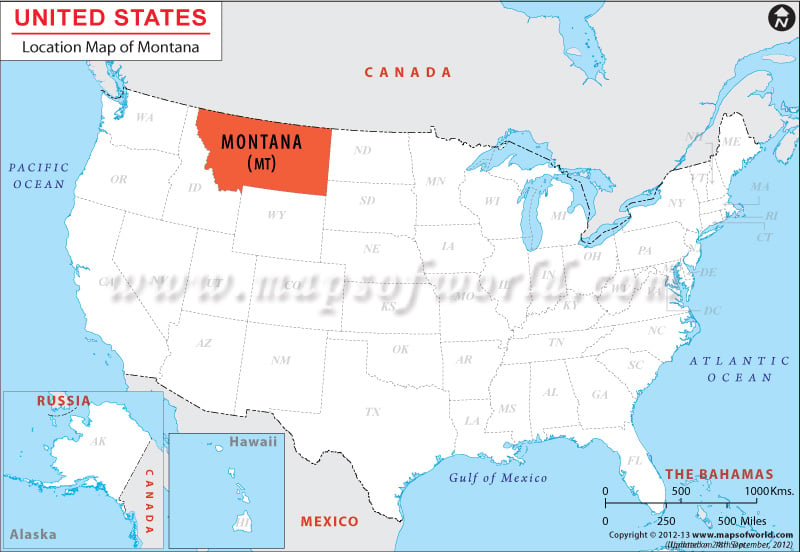
Often referred to as the “Treasure State” or “Big Sky Country,” Montana is a vast and majestic land of unparalleled natural beauty, beckoning travelers from across the globe. For those curious about its geographical placement or planning a visit to this captivating region, understanding its location on a map is the first step towards unlocking its myriad wonders. Montana is situated in the Western region of the United States, characterized by its dramatic Rocky Mountains to the West and expansive, rolling plains to the East. It shares a significant international border with Canada to the north, specifically with the provinces of British Columbia, Alberta, and Saskatchewan. Domestically, its neighbors include Idaho to the west, Wyoming to the south, and North Dakota and South Dakota to the east. This unique position places Montana at a crossroads of diverse landscapes and cultures, offering an incredible array of travel experiences, from rugged outdoor adventures to luxurious retreats, rich historical explorations, and vibrant city life.
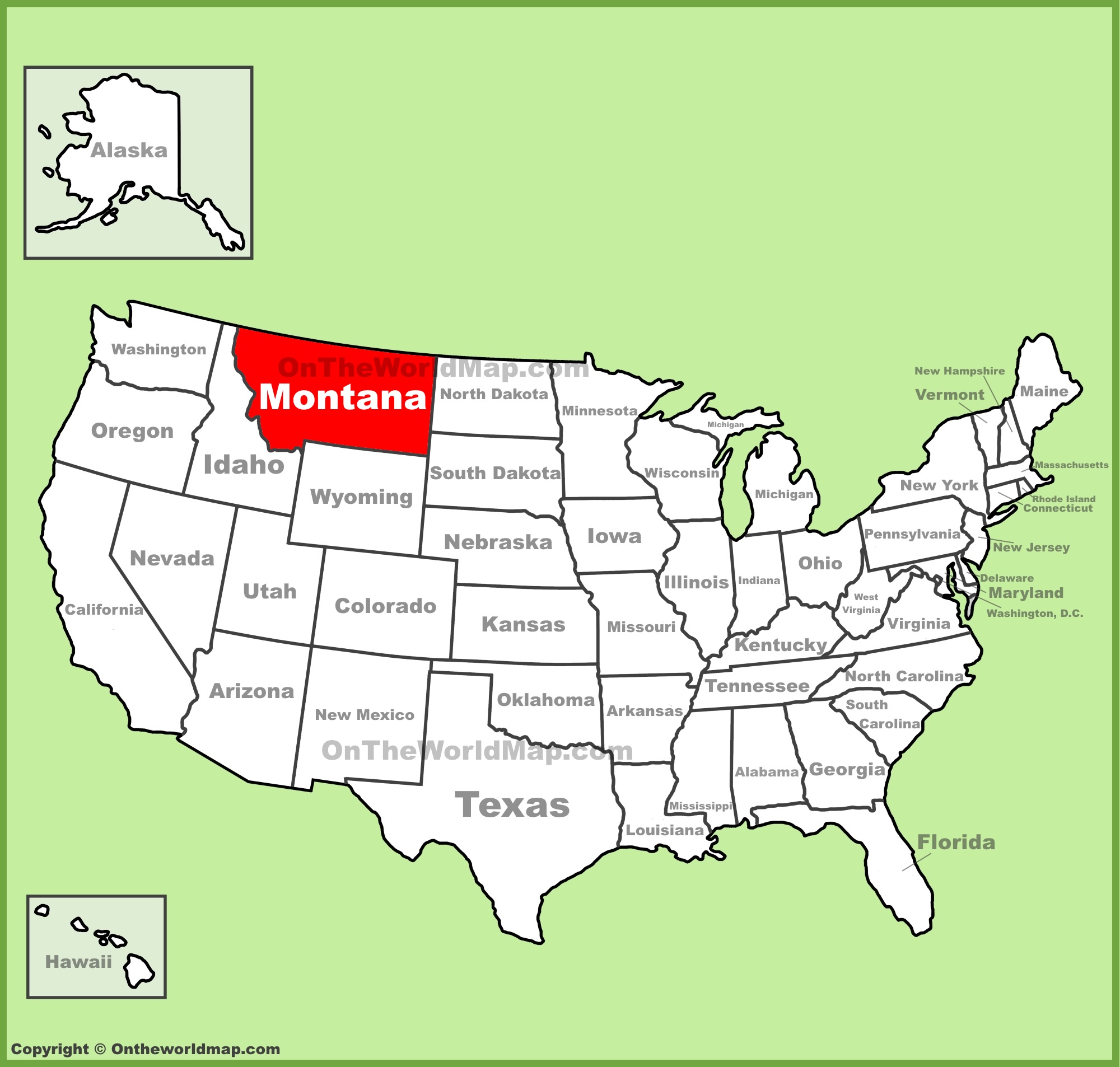
Locating the Treasure State: A Geographical Overview
Montana’s geographical location is integral to its identity and the type of tourism it offers. Spanning over 147,000 square miles, it is the fourth-largest state by area in the United States, which contributes significantly to its reputation for wide-open spaces and untouched wilderness. Its position at the northern edge of the American West means it encompasses a fascinating transition zone between the towering peaks of the Rocky Mountains and the vast, fertile expanse of the Great Plains. This topographical diversity is what truly sets Montana apart, providing a backdrop for every imaginable outdoor pursuit and an endless source of inspiration for visitors.
Borders and Neighbors: Connecting the West
Montana’s borders tell a story of regional connectivity and ecological continuity. To the north, the 545-mile long international border with Canada not only defines political boundaries but also signifies shared ecosystems, particularly in areas like the Waterton-Glacier International Peace Park. This proximity makes Montana an excellent gateway for North American travel, seamlessly linking itineraries that might include the Canadian Rockies with the American West.
To its West, Idaho shares a rugged border defined largely by the Bitterroot Mountains, part of the larger Rocky Mountain system. This shared mountainous terrain means both states offer similar outdoor activities, from skiing and snowboarding in winter to hiking and mountain biking in summer. Wyoming to the south is perhaps Montana’s most famous neighbor, as they jointly host the majority of Yellowstone National Park. This creates a powerful tourism corridor, allowing travelers to experience two of the world’s most iconic National Parks in one comprehensive trip. Finally, to the east, North Dakota and South Dakota connect Montana to the agricultural heartland and the historical trails of the Midwest, highlighting its role as a bridge between distinct American geographical identities.
Navigating Montana’s Diverse Landscapes
The geographical “where” of Montana on a map directly translates to its incredible variety of landscapes. The western third of the state is dominated by the majestic Rocky Mountains, featuring high peaks, deep valleys, dense forests, and countless rivers and lakes. This is where you’ll find the highest concentration of Montana’s most famous natural attractions, including Glacier National Park and parts of Yellowstone National Park. The Continental Divide slices through this mountainous region, dictating the flow of Montana’s major rivers – those flowing East eventually reach the Atlantic Ocean via the Missouri River, while those flowing West make their way to the Pacific Ocean.
Moving eastward, the landscape gradually flattens into the Great Plains, an expansive region characterized by rolling grasslands, buttes, and badlands. This area is historically significant for its vast cattle ranches and wheat fields, embodying the classic “cowboy country” image. While less mountainous, the eastern plains still offer dramatic vistas, unique rock formations, and a different kind of wilderness experience, often quieter and more focused on wildlife like bison and pronghorn. This dual topography means a trip to Montana can be as varied as one desires, from scaling peaks to exploring historical prairies, making it a dream destination for diverse travel styles and interests.
Unveiling Montana’s Natural Wonders and Iconic Landmarks
Beyond its position, Montana’s true allure lies in the breathtaking natural wonders and historical landmarks scattered across its vast territory. These attractions are the cornerstone of Montana tourism, drawing millions seeking adventure, tranquility, and a connection to the American West’s storied past.
National Parks and Pristine Wilderness
At the top of any Montana travel itinerary are its two legendary National Parks. Glacier National Park, located in the northwest, is often called the “Crown of the Continent” and is a testament to untamed wilderness. Its rugged mountains, pristine alpine lakes, deep ancient forests, and visible remnants of glaciers create a landscape unlike any other. The iconic Going-to-the-Sun Road is a marvel of engineering, offering breathtaking views as it traverses the park. Here, visitors can embark on world-class hiking trails, spot grizzly bears and mountain goats, or simply soak in the panoramic vistas. Accommodation options near Glacier National Park range from historic lodges within the park, like Many Glacier Hotel and Lake McDonald Lodge, to charming cabins and vacation rentals in gateway towns like Whitefish and Kalispell, catering to various budgets and luxury travel preferences.
The second jewel, Yellowstone National Park, primarily sits in Wyoming but extends significantly into southern Montana. Montana serves as a key access point to Yellowstone through its northern and western entrances. Yellowstone is famous for its geothermal features, including the erupting Old Faithful geyser, the vibrant colors of Grand Prismatic Spring, and the majestic Grand Canyon of the Yellowstone. Wildlife viewing is a prime activity here, with opportunities to see bison, elk, wolves, and bears in their natural habitats. Towns like Gardiner and West Yellowstone in Montana offer a wide range of hotels, suites, and resorts, serving as perfect bases for exploring this geological wonderland.
Lakes, Rivers, and Mountain Ranges
Beyond the National Parks, Montana is a paradise for water enthusiasts and mountain lovers. Flathead Lake, the largest freshwater lake West of the Mississippi River, is a popular destination for boating, fishing, and swimming. Its pristine waters, surrounded by cherry orchards and stunning mountain views, offer a tranquil escape. The towns around Flathead Lake, such as Polson, Bigfork, and Lakeside, provide excellent accommodation options, from cozy cabins to lakeside villas, ideal for family trips or romantic getaways.
Montana’s rivers, including the Missouri, Yellowstone, Gallatin, Madison, and Clark Fork, are world-renowned for fly fishing, whitewater rafting, and scenic floats. These waterways are vital to the ecosystem and offer endless recreational opportunities, supported by local guides and outfitters specializing in everything from beginner excursions to multi-day wilderness trips. The state’s myriad mountain ranges, part of the Northern Rockies, offer incredible opportunities for hiking, rock climbing, and, in winter, some of the best skiing and snowboarding in North America at resorts like Big Sky Resort. Located near Bozeman, Big Sky Resort boasts some of the most acreage for skiing in the United States, centered around Lone Mountain, and transforms into a mountain biking and hiking hub in summer, complete with luxury hotels and chalets.
Historical Echoes and Cultural Immersion
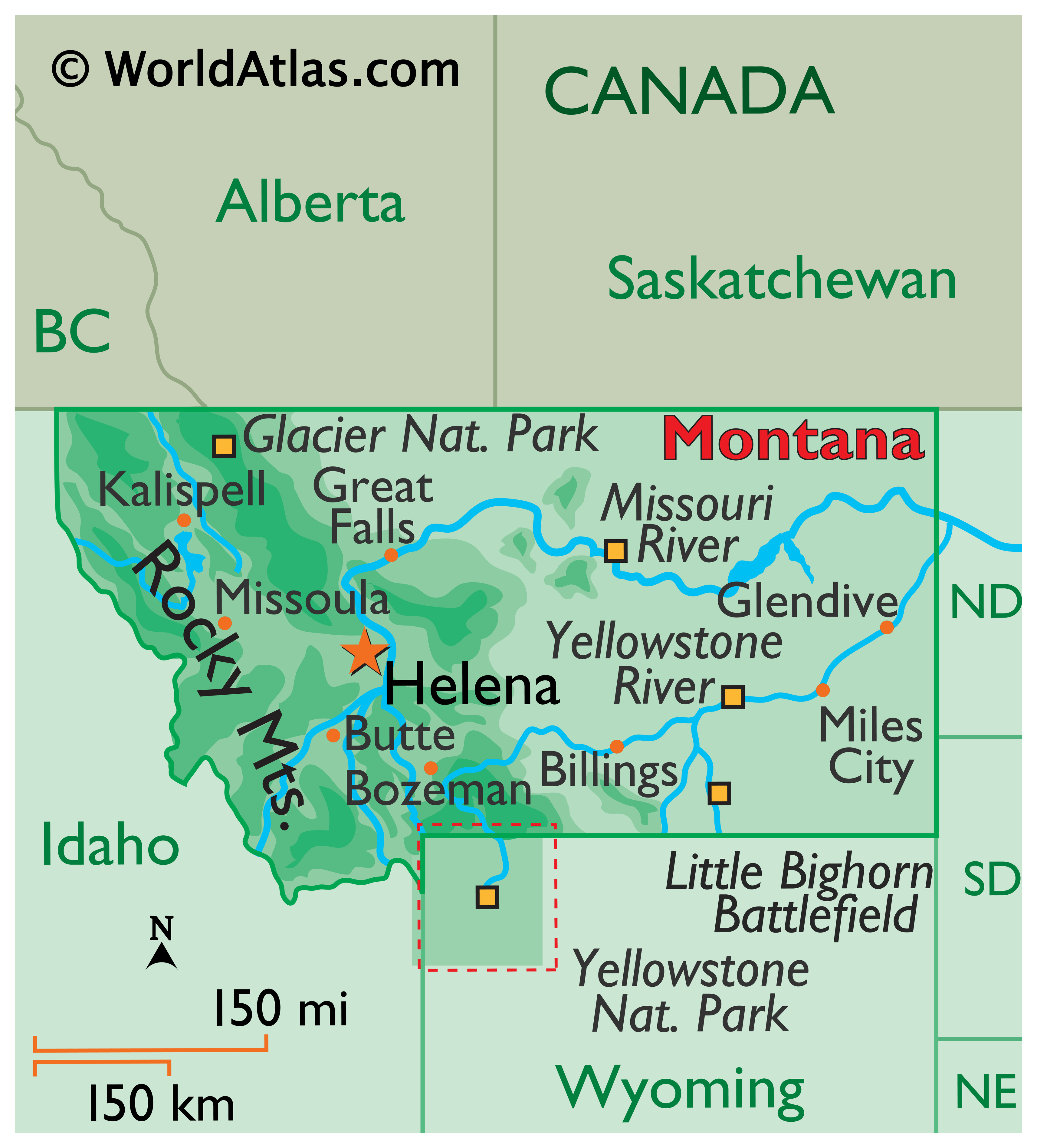
Montana’s historical and cultural landmarks reflect its rich and often tumultuous past. The Lewis and Clark National Historic Trail traces the path of the famous expedition, offering insights into early American exploration and encounters with Native American tribes. Numerous sites along the trail, such as the Gates of the Mountains Wilderness near Helena, provide a tangible connection to this pivotal moment in history.
Another poignant landmark is the Little Bighorn Battlefield National Monument in southeastern Montana. This site commemorates the Battle of the Little Bighorn, where Lakota Sioux and Cheyenne warriors decisively defeated General Custer and the 7th U.S. Cavalry. It’s a place of reflection on the clashes between different cultures and the fight for territory in the American West. Visitors can gain a deeper understanding of the various Native American tribes native to Montana, including the Crow, Blackfeet, and Nez Perce, by visiting their cultural centers and reservations, which offer authentic tourism experiences, including traditional foods, crafts, and storytelling.
Urban centers like Missoula, Bozeman, and Billings also serve as cultural hubs, offering museums, art galleries, and lively culinary scenes. Bozeman’s Museum of the Rockies is particularly famous for its dinosaur fossil collection, while Butte’s World Museum of Mining delves into Montana’s copper mining heritage. These cities provide a blend of historical depth with modern amenities and diverse accommodation options, from boutique hotels to budget-friendly stays.
Planning Your Montana Adventure: Travel, Accommodation, and Lifestyle
A trip to Montana requires careful planning to fully appreciate its scale and diversity. Understanding the logistics of travel, the variety of accommodation, and the unique lifestyle experiences available will enhance any visit to the Big Sky state.
Getting There and Getting Around
Accessing Montana typically involves flying into one of its major airports. Bozeman Yellowstone International Airport (BZN) is the busiest, serving as a gateway to Yellowstone National Park, Big Sky Resort, and the Gallatin Valley. Glacier Park International Airport (FCA) near Kalispell is ideal for visits to Glacier National Park and Flathead Lake. Other airports in Missoula, Billings, Helena, and Great Falls offer connections to various parts of the state.
Given Montana’s vastness, a rental car is almost essential for exploring. Road trips are an iconic part of the Montana experience, allowing travelers to soak in the expansive landscapes at their own pace. Scenic drives, such as the famous Beartooth Highway (often called “America’s most beautiful highway”) near Yellowstone, offer unparalleled views. While distances between attractions can be significant, the journeys themselves are often part of the adventure, winding through national forests, along sparkling rivers, and across open plains.
Where to Stay: From Rustic Cabins to Luxury Resorts
Montana’s accommodation landscape is as diverse as its geography, catering to every style of traveler and budget. For those seeking a taste of authentic Western life with a touch of luxury, a stay at one of Montana’s renowned dude ranches is an unforgettable experience. These resorts, such as The Ranch at Rock Creek or Paws Up Resort, offer all-inclusive packages that combine horseback riding, fly fishing, gourmet dining, and spa treatments with opulent cabins and glamping tents, embodying a unique blend of rugged adventure and refined indulgence.
In the major cities and near popular attractions, you’ll find a wide selection of hotels and suites, from international chains to charming boutique establishments. Bozeman, Missoula, and Whitefish are particularly known for their vibrant hotel scenes. For those preferring self-catering or longer stays, vacation rentals, including apartments, cabins, and villas, are readily available, especially around Flathead Lake, in the Bitterroot Valley, and near the National Parks.
Budget travelers and nature lovers will find abundant camping opportunities, from developed campgrounds in state and national parks to dispersed camping in national forests. This allows for a deeper immersion into Montana’s wilderness without breaking the bank. For a balance of comfort and adventure, many lodges, like Sage Lodge near Livingston, offer rustic elegance with stunning views and easy access to outdoor activities, serving as ideal bases for fishing and exploring the Paradise Valley.
Experiencing the Big Sky Lifestyle: Activities and Cuisine
The Big Sky lifestyle is all about embracing the outdoors and savoring locally sourced delights. For the active traveler, Montana offers hiking, mountain biking, rock climbing, and backpacking in summer; skiing, snowboarding, and snowmobiling in winter. Fly fishing is a near-religious experience here, with pristine rivers offering world-class trout fishing. Wildlife viewing is another major draw, with opportunities to spot grizzly bears, black bears, moose, elk, bison, and wolves in the National Bison Range or within the National Parks.
Montana’s culinary scene reflects its rugged charm and agricultural bounty. Expect hearty ranch-to-table cuisine, featuring locally raised beef, bison, and elk. The state is also famous for its wild huckleberries, which are incorporated into everything from pies and jams to ice cream and cocktails. The craft beer and distillery scene has exploded, with numerous local breweries and distilleries offering unique spirits and brews, often using Montana-grown grains. Local farmers’ markets, particularly in towns like Missoula and Bozeman, are vibrant hubs where visitors can sample local produce and artisanal goods, offering a taste of genuine Montana culture.
Best Time to Visit and Essential Travel Tips
Deciding the best time to visit Montana largely depends on the activities you wish to pursue. Summer (June to August) is peak season, offering warm weather, fully accessible parks (like the Going-to-the-Sun Road), and ideal conditions for hiking, fishing, and water sports. However, it also means larger crowds and higher prices for accommodation and flights. Fall (September to October) brings stunning foliage, fewer crowds, and pleasant temperatures, making it excellent for hiking and wildlife viewing as animals prepare for winter. Winter (November to March) transforms Montana into a snowy wonderland, perfect for skiing, snowboarding, and snowmobiling, with resorts like Big Sky in full swing. Yellowstone in winter offers unique opportunities for viewing geothermal features amidst snow and spotting wildlife. Spring (April to May) is a shoulder season, with melting snow, rushing rivers, and awakening wildlife, but some roads and facilities in the National Parks may still be closed.
Essential Travel Tips:
- Book in Advance: Especially during peak season, popular hotels, resorts, and vacation rentals, particularly near Glacier and Yellowstone, can sell out months ahead. Booking your accommodation and activities well in advance is crucial for a smooth trip.
- Prepare for Varied Weather: Montana’s weather can be unpredictable, even in summer. Pack layers and be ready for sudden changes, particularly in the mountains.
- Wildlife Awareness: Be “bear aware” and carry bear spray when hiking in designated areas. Maintain safe distances from all wildlife.
- Connectivity: While cities have good cell service, expect limited to no service in remote wilderness areas. Download maps offline.
- Respect the Land: Practice Leave No Trace principles to preserve Montana’s pristine beauty for future generations.
In conclusion, knowing “Where is Montana on a map?” is merely the starting point of an incredible journey. This vast state, nestled in the American West and bordering Canada, offers an unparalleled array of experiences for every type of traveler. From the rugged peaks of Glacier National Park and the geothermal wonders of Yellowstone to its expansive plains, historic battlefields, and vibrant cities, Montana promises an adventure filled with natural beauty, rich history, and genuine Western hospitality. Whether you seek luxury travel or a budget-friendly outdoor escape, Montana invites you to explore its Big Sky and discover your own treasure.
LifeOutOfTheBox is a participant in the Amazon Services LLC Associates Program, an affiliate advertising program designed to provide a means for sites to earn advertising fees by advertising and linking to Amazon.com. Amazon, the Amazon logo, AmazonSupply, and the AmazonSupply logo are trademarks of Amazon.com, Inc. or its affiliates. As an Amazon Associate we earn affiliate commissions from qualifying purchases.