
The Lone Star State, with its vast landscapes, vibrant cities, and rich history, offers a wealth of experiences for travelers and residents alike. From the sprawling ranches of West Texas to the bustling cultural hubs of Austin and Dallas, a driver’s license is often your golden ticket to exploring all that Texas has to offer. Whether you’re planning a scenic road trip, seeking out unique local attractions, or simply navigating your daily life, understanding the essentials of your Texas driver’s license is paramount. This comprehensive guide will delve into the crucial aspects of your driving permit, from where to obtain it, what information it contains, and how it serves as your key to unlocking the diverse wonders of Texas.
Understanding Your Texas Driver’s License: More Than Just a Permit
Your driver’s license is more than just a document allowing you to operate a motor vehicle; it’s a primary form of identification, a testament to your driving privileges, and often a requirement for accessing various services and amenities across the state. For tourists and visitors, a valid driver’s license from your home state or country is typically sufficient for driving in Texas. However, for residents, the Texas Department of Public Safety (DPS) issues its own driver’s licenses, each carrying specific information that is vital for identification and legal compliance.
What Information Is on Your Texas Driver’s License?
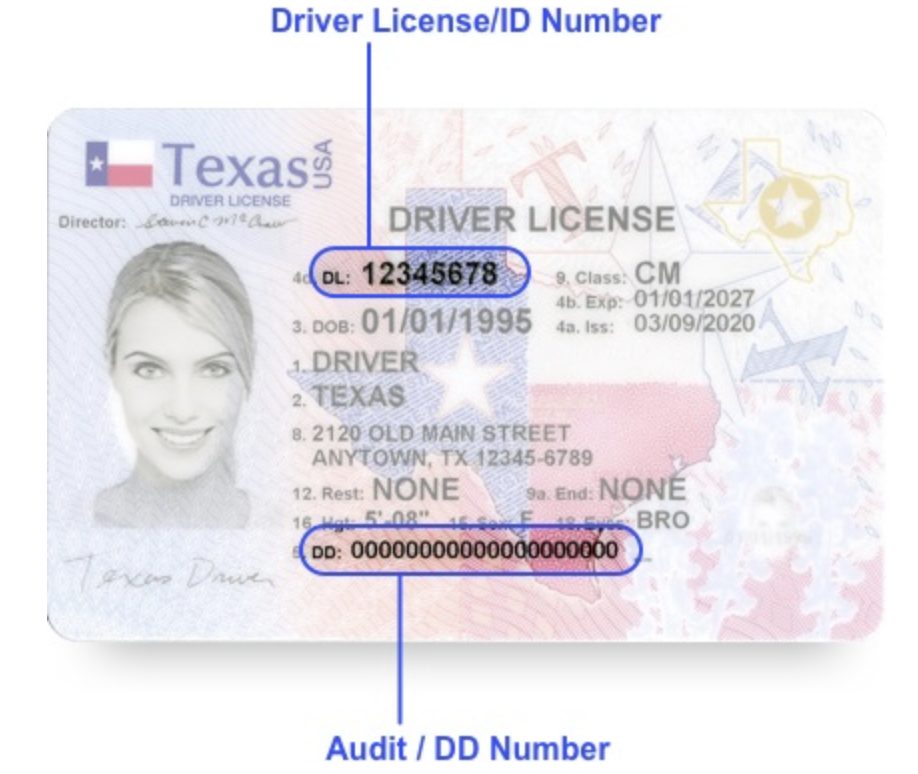
The modern Texas driver’s license is a secure, polycarbonate card designed to prevent counterfeiting and fraud. It contains a wealth of information, both visible and embedded in its security features. Understanding these details can be beneficial, especially when using your license for identification purposes.
- Name: Your full legal name is prominently displayed on the front of the card.
- Address: Your current residential address in Texas is also listed, ensuring the license is linked to your official place of residence.
- Date of Birth: This personal detail is crucial for age verification, allowing access to age-restricted venues, purchasing age-specific goods, and confirming your identity.
- Physical Description: Key features like your height, weight, eye color, and hair color are included. These details, while seemingly basic, contribute to the overall identification process.
- License Number: This unique identifier is assigned to you by the Texas DPS and is used for all official transactions related to your driving record.
- Class of License: This indicates the type of vehicles you are authorized to drive. Common classes include Class A, B, and C for various combinations of vehicles, motorcycles, and standard passenger cars.
- Endorsements and Restrictions: Any special endorsements (e.g., for commercial driving) or restrictions (e.g., corrective lenses required) will be clearly noted.
- Expiration Date: This is a critical piece of information, reminding you when your license needs to be renewed to maintain its validity.
- Photograph: A recent photograph of yourself is embedded on the card, serving as a visual match for the holder.
- Signature: Your signature confirms your identity and is usually a digital imprint on modern licenses.
Beyond the visible text and images, advanced security features such as holograms, microprinting, and UV elements are integrated into the card to enhance its authenticity and prevent forgery. These features are vital for law enforcement and other authorities when verifying your identity.
Obtaining and Maintaining Your Texas Driver’s License
For new residents of Texas, or those seeking their first driver’s license, the process involves specific steps through the Texas Department of Public Safety (DPS). Understanding these requirements ensures a smooth and efficient application process.
The Process of Getting a Texas Driver’s License
The Texas DPS oversees the issuance of all driver’s licenses. The process generally involves several key stages:
- Application: You will need to complete an application form, either online or in person at a DPS driver license office. This form will collect personal information, including your name, address, date of birth, and social security number.
- Proof of Identity and Residency: You must provide documentation to prove your identity, U.S. citizenship or lawful presence, and your Texas residency. Acceptable documents typically include birth certificates, passports, utility bills, and lease agreements.
- Vision Test: A vision test is conducted to ensure you meet the minimum vision requirements for safe driving.
- Knowledge Test: This written or computerized test assesses your understanding of Texas traffic laws, road signs, and safe driving practices.
- Driving Test (Road Test): If you are obtaining a license for the first time or have not held a license in a while, you will likely need to pass a practical driving test. This test evaluates your ability to safely operate a vehicle in various traffic conditions.
- Issuance of Provisional License (for minors): Individuals under 18 years of age are subject to specific requirements, including a learner’s permit phase and potentially a provisional license, which has certain restrictions.
- Payment of Fees: There are fees associated with the application, testing, and issuance of a driver’s license.
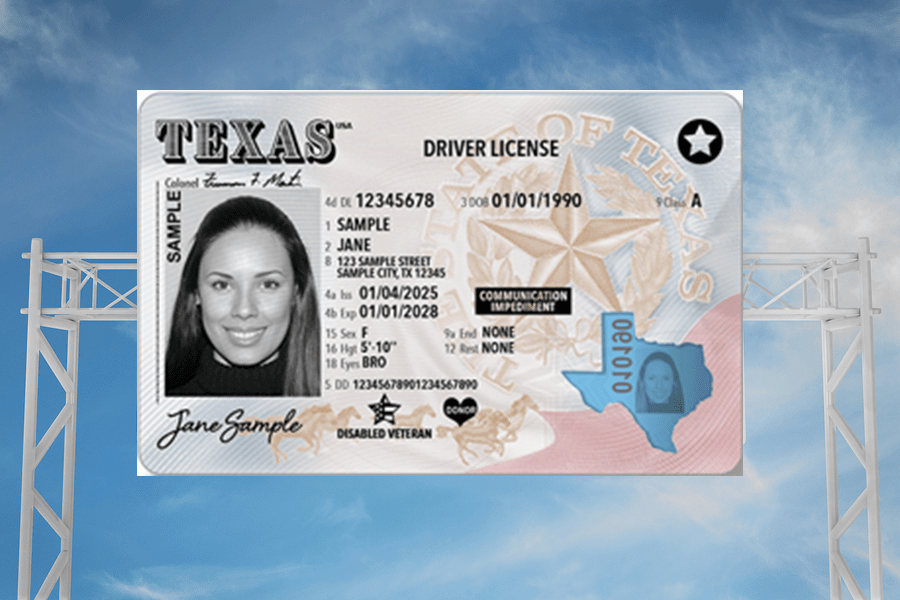
For those who have recently moved to Texas and hold a valid driver’s license from another state, the process is generally simpler. You will need to surrender your out-of-state license and complete the application, provide proof of identity and residency, and pass a vision test. In most cases, the knowledge and driving tests are waived for eligible individuals transferring their license.
Renewing Your Driver’s License
Keeping your driver’s license up-to-date is crucial to avoid penalties. The Texas DPS offers several convenient options for license renewal.
- Online Renewal: For eligible individuals, renewing your license online through the Texas DPS website is the quickest and most convenient method. You can typically renew online if your license is about to expire, you haven’t had a change of address, and you meet other specific criteria.
- Mail Renewal: In some cases, you may be able to renew your license by mail. This option is usually available for those who are out of state or have specific circumstances that prevent them from renewing in person or online.
- In-Person Renewal: You can always visit a Texas DPS driver license office to renew your license. It’s advisable to schedule an appointment online beforehand to minimize wait times.
It’s important to be aware of your license’s expiration date and initiate the renewal process well in advance to ensure uninterrupted driving privileges.
The Driver’s License as Your Gateway to Texas Experiences
Your Texas driver’s license is not just a legal document; it’s your key to experiencing the diverse attractions and enriching culture that the state has to offer. From navigating the vibrant streets of Houston to embarking on an epic journey through the rugged beauty of the Big Bend National Park, your license enables you to explore at your own pace.
Road Trips and Scenic Drives
Texas boasts an incredible array of scenic drives that showcase its varied landscapes. Your driver’s license allows you to rent a car and embark on unforgettable road trips. Consider the historic Texas Hill Country, where rolling hills, charming towns like Fredericksburg, and world-class wineries await. Or, venture west to explore the dramatic vistas of the Davis Mountains, a haven for stargazers and nature enthusiasts. The Texas Gulf Coast beckons with its sandy beaches and laid-back atmosphere, offering opportunities for relaxation and adventure. Your license is your ticket to traversing these routes, stopping at roadside attractions, and discovering hidden gems.
Exploring Texas Cities and Landmarks
Each major city in Texas offers a unique blend of attractions and experiences that are best accessed with your own transportation. In Austin, the live music capital of the world, you can easily drive to iconic venues, explore the vibrant South Congress Avenue, and visit the majestic Texas State Capitol. Dallas presents a dynamic urban landscape with world-class museums like the Perot Museum of Nature and Science, renowned shopping districts, and a rich historical tapestry evident at the Sixth Floor Museum at Dealey Plaza. In San Antonio, the historic Alamo and the charming River Walk are must-see landmarks that your driver’s license allows you to reach with ease. Beyond the cities, iconic landmarks like the San Jacinto Monument and the Space Center Houston are readily accessible for day trips.

Accommodation and Lifestyle Choices
Your driver’s license is also essential for accessing a wide range of accommodation options and embracing different lifestyle choices during your travels or stay in Texas. Whether you’re booking a luxurious suite at the Hotel San Jose in Austin, seeking a family-friendly resort along the coast, or opting for a budget-friendly apartment for a long-term stay, your driver’s license will be required for check-in and for navigating to these destinations. It’s your key to unlocking the diverse accommodations that cater to every travel style, from the discerning luxury traveler to the budget-conscious explorer, and the family seeking memorable adventures. This freedom of movement facilitated by your driver’s license allows you to fully immerse yourself in the Texas lifestyle, whether that involves exploring local cuisine in Fort Worth, attending festivals, or simply enjoying the open road.
LifeOutOfTheBox is a participant in the Amazon Services LLC Associates Program, an affiliate advertising program designed to provide a means for sites to earn advertising fees by advertising and linking to Amazon.com. Amazon, the Amazon logo, AmazonSupply, and the AmazonSupply logo are trademarks of Amazon.com, Inc. or its affiliates. As an Amazon Associate we earn affiliate commissions from qualifying purchases.