
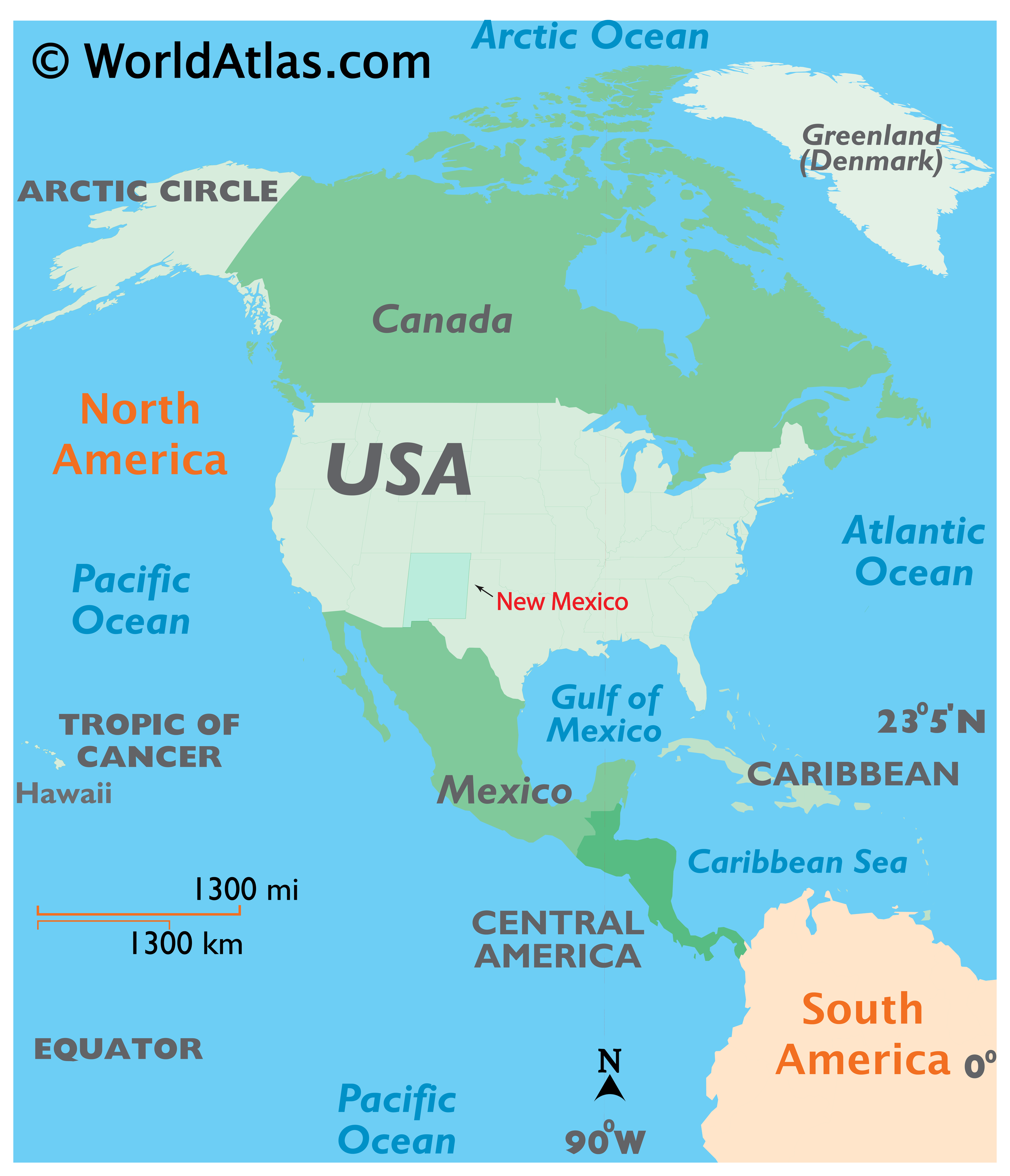
New Mexico, often referred to as the “Land of Enchantment,” is a state that captivates with its unique blend of natural beauty, rich history, and vibrant culture. But when asked, “Where is New Mexico in America?”, the answer is not just a geographical pinpoint on a map, but an exploration of its place within the nation’s tapestry. This state occupies a distinct position in the Southwestern United States, bordering four other states and one country, shaping its identity and offering a compelling destination for travelers seeking something beyond the ordinary. Its location has fostered a captivating fusion of Native American, Hispanic, and Anglo influences, evident in everything from its architecture to its culinary traditions and its numerous festivals.
A Geographical Crossroads: Understanding New Mexico’s Location
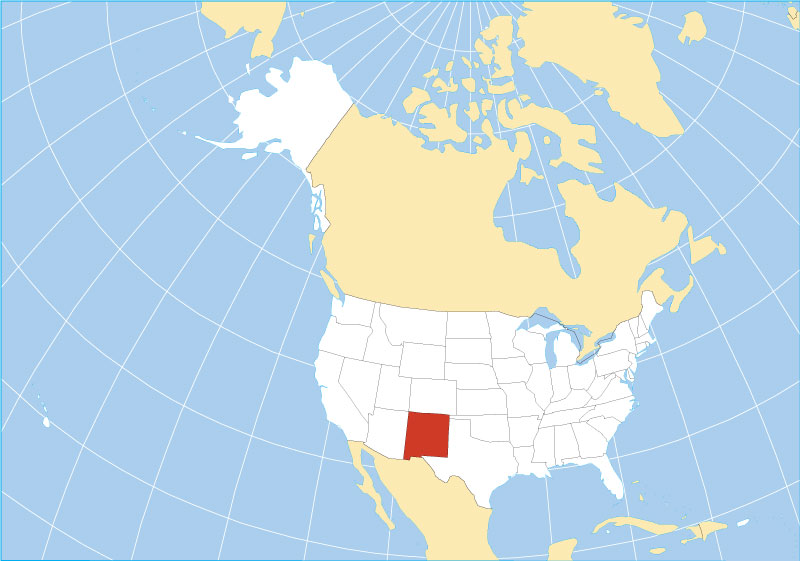
New Mexico’s geographical placement is fundamental to understanding its character and appeal. Situated in the southwestern quadrant of the United States, it is a state defined by its diverse landscapes, from arid deserts to soaring mountain ranges. This strategic position has historically made it a point of convergence for different cultures and a vital corridor for trade and exploration.
Bordering States and International Boundaries
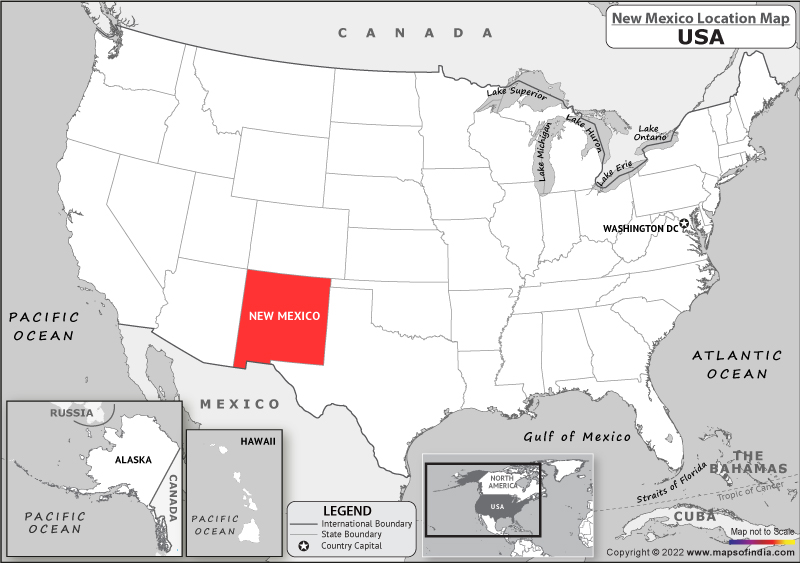
To pinpoint New Mexico on the American map, we must first consider its neighbors. To the north, it shares a border with Colorado, a state known for its Rocky Mountains and outdoor recreation. To the east, Oklahoma and Texas define its boundaries, bringing with them a distinct Southwestern flavor. To the west, Arizona lies, another state rich in desert landscapes and Native American heritage. Crucially, New Mexico’s southern border is shared with the country of Mexico, specifically the states of Chihuahua and Sonora. This international boundary has profoundly influenced New Mexico’s history, culture, and demographics, imbuing it with a unique bi-cultural identity that resonates throughout the state.
Topography and Climate: The Land of Enchantment’s Diverse Canvas
The physical geography of New Mexico is as varied as its cultural influences. The state is characterized by high plains, extensive mountain ranges, and vast desert basins. The Rocky Mountains extend into the northern part of the state, creating opportunities for winter sports and scenic drives. The southern and western regions are dominated by desert landscapes, including the iconic Chihuahuan Desert. This diverse topography dictates a range of climates, from the arid, hot conditions of the southern deserts to the cooler, mountainous regions where snow is common in winter. This environmental diversity provides a stunning backdrop for exploration and discovery, from the unique geological formations of White Sands National Park to the verdant valleys where agriculture thrives.
Exploring New Mexico: Key Regions and Their Unique Charms
New Mexico’s vastness encompasses several distinct regions, each offering its own set of attractions and experiences. Understanding these areas helps to fully appreciate the breadth of what the “Land of Enchantment” has to offer, from bustling urban centers to remote, awe-inspiring natural wonders.
Northern New Mexico: A Hub of Culture and History
Northern New Mexico is perhaps the most historically and culturally resonant part of the state, drawing visitors with its rich legacy. The capital city, Santa Fe, is a UNESCO World Heritage City and a renowned art mecca, famous for its Pueblo-style architecture, thriving art galleries, and vibrant culinary scene. Just a short drive away is Taos, another historic town celebrated for its adobe architecture and the stunning Taos Pueblo, a UNESCO World Heritage Site that has been continuously inhabited for over 1,000 years. This region is a testament to the enduring influence of Native American and Hispanic cultures, evident in its ancient traditions, religious sites like the Loretto Chapel with its miraculous staircase, and the pervasive sense of history that permeates the landscape.
Central and Southern New Mexico: From Urban Energy to Desert Wonders
Central New Mexico is anchored by Albuquerque, the state’s largest city. Here, visitors can experience the vibrant energy of urban life, explore the historic Old Town, and immerse themselves in the renowned International Balloon Fiesta. The Petroglyph National Monument offers a glimpse into the lives of ancient peoples. Further south, the landscape transforms, offering starkly beautiful desert vistas. Las Cruces is the state’s second-largest city and serves as a gateway to the organ mountains and southern agricultural regions. This area is also home to White Sands National Park, where gypsum dunes create an otherworldly landscape of rolling white sand. The southern part of the state also holds historical significance, with remnants of its frontier past visible in towns like Truth or Consequences.
Western New Mexico: Ancient Civilizations and Natural Grandeur
Western New Mexico beckons with its rich archaeological sites and dramatic natural beauty. The Gila Wilderness, established as the world’s first wilderness area, offers unparalleled opportunities for hiking and exploring rugged terrain. Significant ancestral Puebloan sites, such as Chaco Culture National Historical Park and Mesa Verde National Park (though technically just across the border in Colorado, its influence is deeply felt in the region), tell the story of sophisticated ancient civilizations. Towns like Silver City offer a charming glimpse into the region’s mining history and a burgeoning arts scene. The diverse geological formations, including volcanic craters and canyons, add to the allure of this less-traveled, yet profoundly rewarding, part of New Mexico.
Experiencing New Mexico: Culture, Cuisine, and Activities
New Mexico’s geographical position and historical trajectory have fostered a culture unlike any other in the United States. This unique identity is most vividly expressed through its distinct culinary traditions, its deep-rooted arts scene, and a plethora of activities that invite immersion in the local way of life.
A Culinary Journey: The Flavors of New Mexico
New Mexican cuisine is a celebrated aspect of its identity, defined by its unique use of chilies, particularly the red and green varieties that are a source of fierce local pride and debate – “Red or Green?” is a ubiquitous question. This culinary tradition is a harmonious blend of Native American, Spanish, and Mexican influences. Dishes like chile rellenos, enchiladas, and tamales are staples, often served with a side of savory posole. The earthy flavor of blue corn is also integral, appearing in breads, pancakes, and tortillas. Beyond the iconic chilies, the cuisine features slow-cooked meats, fresh vegetables, and a distinct use of spices. Exploring local markets, roadside stands, and established restaurants is an essential part of the New Mexico experience, offering a delicious insight into the state’s soul.
The Arts and Heritage Scene: A Living Legacy
New Mexico is a vibrant canvas for artistic expression and a custodian of rich heritage. The state’s long-standing artistic traditions are most visible in Santa Fe and Taos, where galleries showcase everything from traditional Native American pottery and jewelry to contemporary paintings and sculptures. The Georgia O’Keeffe Museum in Santa Fe is a must-visit for admirers of the iconic artist who found inspiration in the state’s stark landscapes. Beyond visual arts, New Mexico is renowned for its live music scene, its traditional crafts, and its numerous festivals that celebrate its diverse cultural tapestry. From the Santa Fe Indian Market to the Gathering of Nations powwow, these events offer profound opportunities to engage with the living heritage of the region.
Adventures in the Land of Enchantment: Activities for Every Traveler
The diverse landscapes of New Mexico translate into a wide array of activities for adventurers and casual explorers alike. Outdoor enthusiasts can hike in the Gila Wilderness or Carson National Forest, ski at resorts like Taos Ski Valley or Ski Santa Fe, or explore the otherworldly beauty of White Sands National Park and Bandelier National Monument. History buffs can delve into the ancient past at sites like Chaco Culture National Historical Park or Pecos National Historical Park, or explore the historic missions and adobes that dot the state. For those seeking a unique cultural immersion, participating in a pueblo feast day, exploring the charming streets of historic towns, or taking a scenic drive along the High Road to Taos offers an unforgettable journey into the heart of New Mexico. The state’s vastness and variety ensure that there is always something new to discover, making it a perennial favorite for those seeking authentic and enriching travel experiences.