
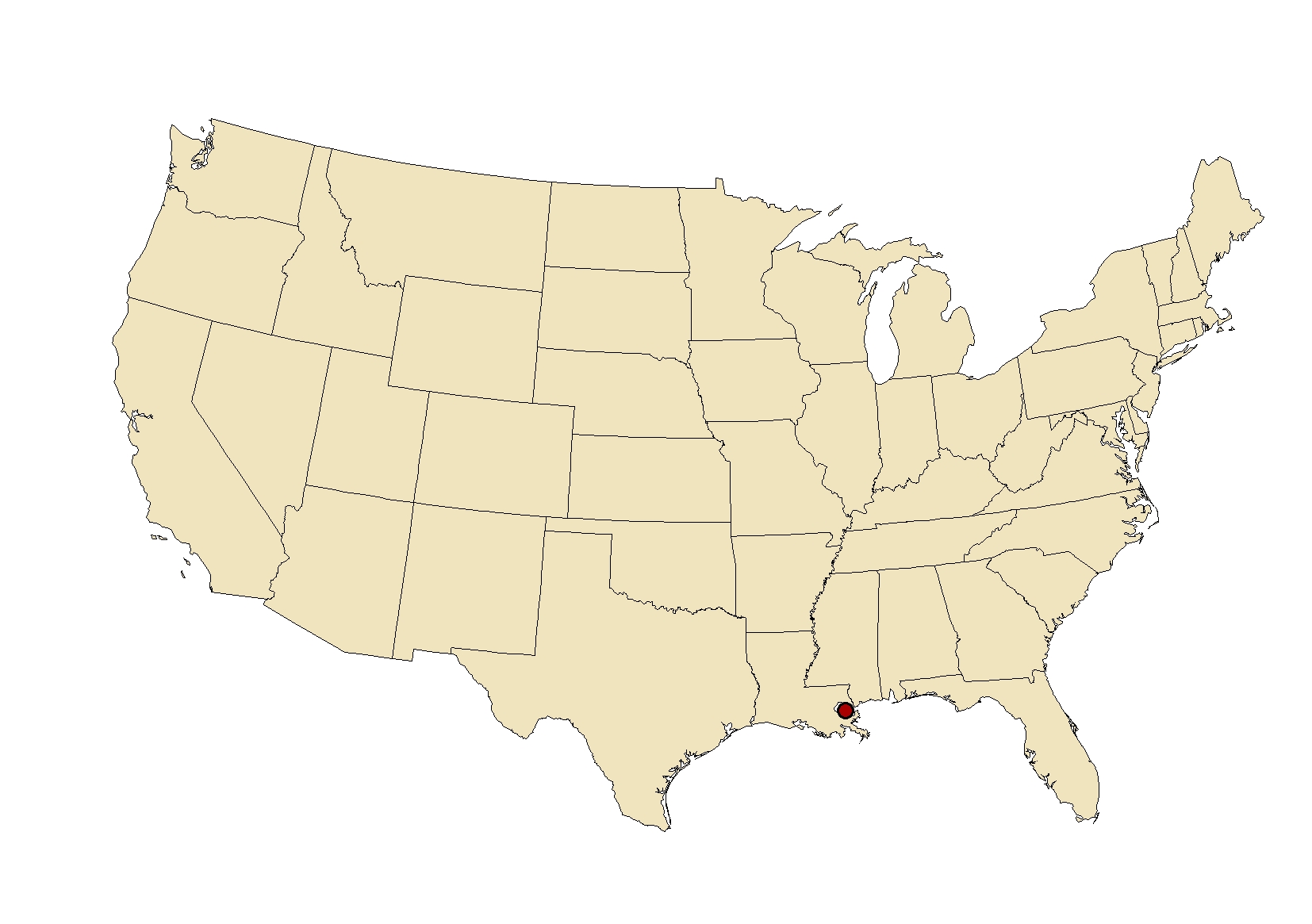
New Orleans, a city that pulses with a rhythm unlike any other in the United States, often evokes images of lively parades, the intoxicating scent of beignets, and the soulful melodies of jazz. But for many, its precise location on the vast map of America remains a delightful mystery. This vibrant metropolis, affectionately known as the “Big Easy,” is nestled in the southeastern corner of Louisiana, a state itself situated in the Deep South. More specifically, New Orleans graces the western bank of the Mississippi River, near its delta where it empties into the Gulf of Mexico. This strategic positioning has shaped its history, culture, and indeed, its very identity, making it a unique and captivating destination for travelers seeking an experience far removed from the ordinary.
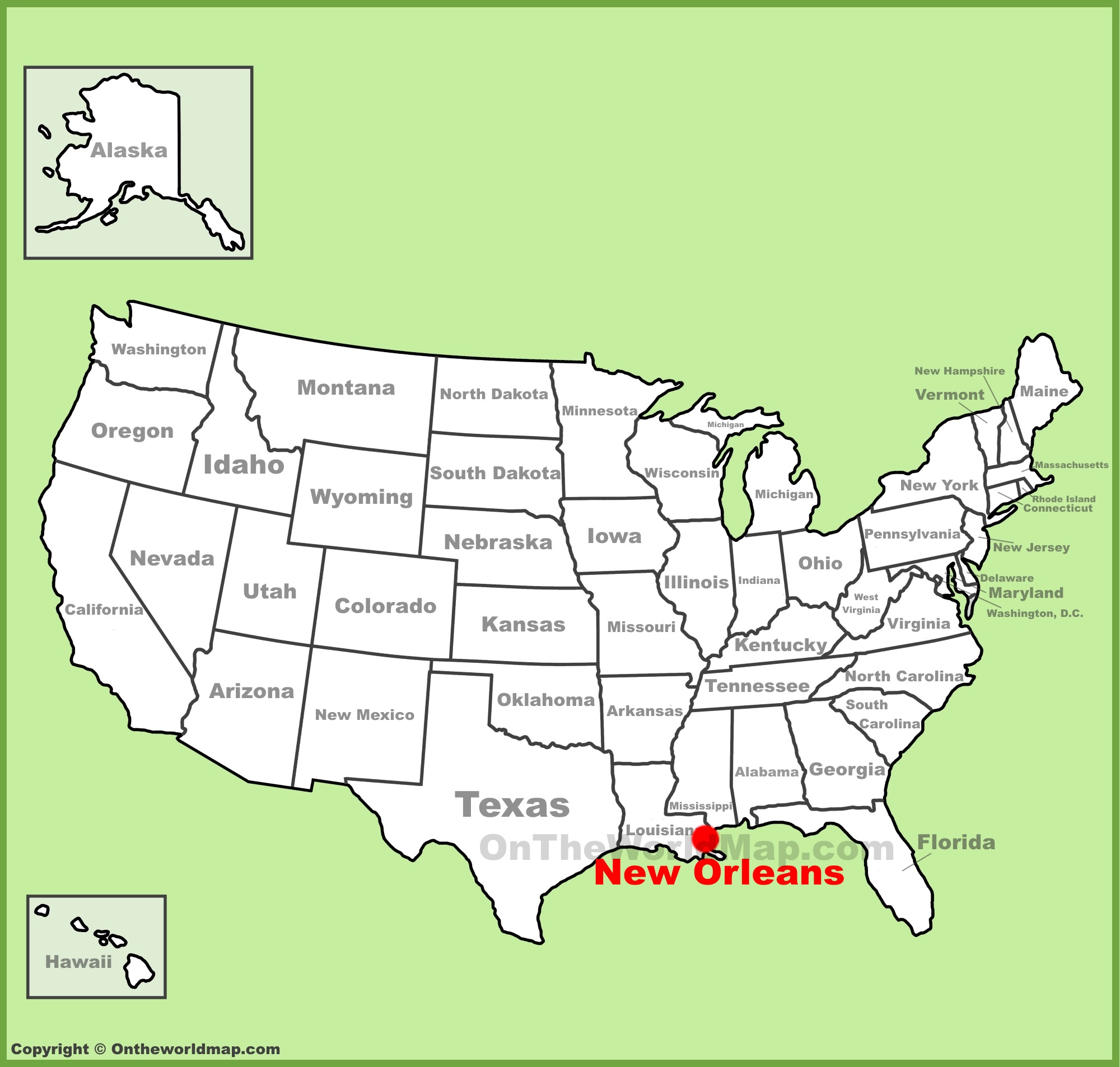
The question “Where is New Orleans on a map of America?” is more than just a geographical inquiry; it’s an invitation to explore a city that feels both undeniably American and distinctly foreign. Its proximity to the Caribbean and its historical ties to France and Spain have imbued it with a rich tapestry of influences that are evident in its architecture, its cuisine, its music, and its distinctive spirit. Understanding its geographical placement is the first step in unlocking the secrets of this enchanting city and appreciating the myriad of experiences it offers.
Navigating the Crescent City: Geographical Context and Regional Significance
New Orleans’ location is central to understanding its character. It is the largest city in Louisiana, a bustling port and a cultural epicenter. Situated in the Mississippi River Delta, the city is built on a complex system of waterways, canals, and bayous, a characteristic that defines its landscape and presents unique challenges and opportunities. This watery environment influences everything from its historic flood control systems to its popular swamp tours.
The Heart of Louisiana: A Cultural Crossroads
While New Orleans is firmly planted within the United States, its cultural footprint extends far beyond, drawing inspiration from a diverse heritage. Its status as a major port city for centuries meant it was a melting pot of peoples and traditions. French, Spanish, African, Caribbean, and Italian influences are all palpable, creating a vibrant fusion that sets it apart from other American cities. This unique cultural blend is a primary draw for tourists, offering a glimpse into a way of life that is both spirited and deeply rooted in history. The city’s nickname, “The Big Easy,” hints at this relaxed yet vibrant atmosphere, a stark contrast to the fast-paced nature often associated with other major urban centers.
The geographical position also places New Orleans in a region prone to distinct weather patterns, including humid summers and mild winters, contributing to its lush, subtropical environment. This climate, while sometimes challenging, also fosters a unique biodiversity and supports the iconic Southern landscape that surrounds the city. For those planning a visit, understanding this regional context is crucial for packing appropriately and planning activities that take advantage of the climate.
Strategic Port and Gateway to the Gulf
Historically, New Orleans’ position at the mouth of the Mississippi River made it a critical hub for trade and commerce. This strategic importance is still evident today, with the Port of New Orleans being one of the busiest in the United States. This gateway to the Gulf of Mexico has facilitated the exchange of goods and cultures for centuries, further cementing its role as a vital economic and cultural nexus. For travelers, this means the city is easily accessible by air and water, and its infrastructure is well-equipped to handle significant visitor numbers.
The city’s layout, characterized by its winding streets that follow the curve of the Mississippi River, is often referred to as the “Crescent City.” This geographical anomaly is a direct result of its position on the riverbank, creating a unique urban design that is instantly recognizable and deeply charming. Exploring the various neighborhoods, from the historic French Quarter to the elegant Garden District, reveals how this geographical footprint has shaped the city’s development and its distinct architectural styles.
Exploring New Orleans: A Traveler’s Guide to the “Big Easy”
Once you’ve pinpointed New Orleans on the map, the next step is to immerse yourself in its rich offerings. This city is not just a place to see; it’s a place to experience with all your senses. From its world-renowned culinary scene to its vibrant music venues and historic landmarks, New Orleans provides an unforgettable travel adventure.
Culinary Delights: A Taste of Creole and Cajun Heritage
The food of New Orleans is legendary, a direct reflection of its diverse cultural influences. Creole cuisine, with its sophisticated blend of French, Spanish, and Southern traditions, is a hallmark of the city. Dishes like Gumbo, Jambalaya, and Shrimp Creole are not just meals; they are an integral part of the city’s identity. Equally important is Cajun cuisine, born from the resilient Acadian people who settled in the surrounding bayous. Known for its rustic heartiness and bold flavors, Cajun food often features seafood, rice, and a generous use of spices.
For any visitor, a culinary tour is an absolute must. Exploring local eateries, from humble corner cafes to upscale restaurants, offers a delicious journey through the city’s gastronomic history. Be sure to sample iconic treats like beignets at Café Du Monde and enjoy fresh oysters from the Gulf. For those seeking a truly authentic experience, consider taking a cooking class to learn the secrets behind these beloved dishes. The emphasis on fresh, local ingredients and the communal joy of sharing a meal are central to the New Orleans dining experience.
Musical Soul: The Birthplace of Jazz and Beyond

New Orleans is unequivocally the birthplace of jazz, and its musical legacy continues to thrive. The sounds of this iconic genre spill out from every corner, from the lively streets of the French Quarter to the intimate clubs on Frenchmen Street. Walking through Jackson Square often means being serenaded by talented brass bands, their music a vibrant soundtrack to the city’s energy.
Beyond jazz, New Orleans is a hub for a multitude of musical styles, including blues, funk, and R&B. Live music is not just an attraction; it’s a way of life. Attending a performance at a legendary venue like Preservation Hall or exploring the diverse offerings on Frenchmen Street will provide a deep appreciation for the city’s ongoing musical innovation. For those interested in the history of this art form, visiting the New Orleans Jazz Museum offers invaluable insights into its origins and evolution.
Iconic Landmarks and Historic Charm
New Orleans boasts a wealth of historical and architectural treasures that tell the story of its past. The French Quarter, the city’s oldest neighborhood, is a National Historic Landmark District, renowned for its wrought-iron balconies, hidden courtyards, and vibrant street life. Wandering through its narrow streets is like stepping back in time, with buildings dating back to the 18th century.
Beyond the French Quarter, other notable landmarks offer further historical immersion. St. Louis Cathedral, a majestic edifice overlooking Jackson Square, stands as a testament to the city’s religious heritage. A ride on the historic streetcar, particularly the St. Charles Avenue Streetcar, provides a scenic journey through the elegant Garden District, showcasing stunning antebellum mansions and lush gardens. For a deeper dive into the city’s past, consider visiting historical sites like The Cabildo and the Presbytère, which offer fascinating exhibits on Louisiana’s history and culture.
Accommodations and Lifestyle: Tailoring Your New Orleans Stay
When planning a trip to New Orleans, choosing the right accommodation can significantly enhance your experience. The city offers a wide range of options, catering to various budgets and travel styles, from luxurious resorts to charming boutique hotels and convenient apartment rentals.
Lodging Options: From Grand Hotels to Cozy Inns
New Orleans is well-equipped to host visitors, with a plethora of lodging choices. For those seeking luxury and premium amenities, world-class hotels and resorts are abundant. Many establishments in the French Quarter and the nearby Central Business District offer elegant suites, rooftop pools, and fine dining. Consider historic hotels like the Hotel Monteleone, known for its iconic Carousel Bar, or contemporary luxury options like The Ritz-Carlton, New Orleans.
For travelers seeking a more intimate or budget-friendly experience, boutique hotels and guesthouses offer unique charm and personalized service. The Garden District and other residential neighborhoods are home to many charming bed and breakfasts, providing a more local feel. Apartment rentals and vacation homes are also popular, offering flexibility and space, especially for families or longer stays. Websites specializing in accommodation reviews and comparisons can be invaluable in finding the perfect fit for your needs and preferences.
Lifestyle and Travel Experiences: Embracing the “Big Easy” Vibe
New Orleans offers a diverse range of lifestyle experiences for every traveler. Whether you’re looking for a luxurious escape, a budget-friendly adventure, a family-friendly vacation, or a productive business stay, the city delivers.
For those who appreciate the finer things in life, luxury travel in New Orleans can mean indulging in gourmet dining, staying in exquisite hotels, and experiencing private tours of historical homes. The city’s unique culture also lends itself to a more relaxed pace, a core element of the “Big Easy” lifestyle, encouraging visitors to savor each moment.
Budget travel is also very achievable in New Orleans. With numerous affordable eateries, free attractions like streetcar rides and wandering through vibrant neighborhoods, and a wide selection of budget-friendly hotels and hostels, you can experience the magic of the city without breaking the bank.
Family trips to New Orleans can be both educational and entertaining. Beyond the usual tourist attractions, consider visiting the Audubon Aquarium of the Americas, the Audubon Butterfly Garden and Insectarium, or taking a steamboat ride on the Mississippi River. The city’s historical sites can also be brought to life for younger audiences with engaging tours.
For business stays, New Orleans offers excellent convention facilities and a range of hotels that cater to corporate travelers, often located near the Ernest N. Morial Convention Center and in the Central Business District. Even during a business trip, it’s easy to carve out time to experience the city’s unique charm, music, and cuisine.
Ultimately, understanding where New Orleans is on the map is just the beginning. It’s a starting point for uncovering a city that is rich in history, brimming with culture, and alive with a spirit that is truly its own. Whether you’re drawn by the promise of world-class food, the infectious rhythm of jazz, or the allure of its unique architecture, the “Big Easy” awaits, ready to enchant and inspire.
LifeOutOfTheBox is a participant in the Amazon Services LLC Associates Program, an affiliate advertising program designed to provide a means for sites to earn advertising fees by advertising and linking to Amazon.com. Amazon, the Amazon logo, AmazonSupply, and the AmazonSupply logo are trademarks of Amazon.com, Inc. or its affiliates. As an Amazon Associate we earn affiliate commissions from qualifying purchases.