
Pearl Harbor is not just a name etched in the annals of history; it is a vital naval base and a profound memorial located on the island of Oahu in the picturesque state of Hawaii, USA. For travelers planning a visit to these enchanting islands, understanding its exact location, historical significance, and what to expect is crucial for a meaningful and well-organized trip. As a cornerstone of American history and a poignant reminder of past sacrifices, Pearl Harbor draws millions of visitors annually, making it one of Hawaii’s most significant landmarks and tourism destinations.
The name Pearl Harbor itself evokes powerful imagery, largely due to the infamous attack on December 7, 1941, which propelled the United States into World War II. Today, it stands as a living testament to peace and remembrance, housing several memorials and museums that honor those who served and sacrificed. For anyone exploring travel destinations in Hawaii, a visit to Pearl Harbor offers a unique blend of solemn history, educational experiences, and a chance to reflect amidst the stunning backdrop of the Pacific. This guide will delve into its specific location, historical context, what visitors can experience, and how to best incorporate it into your Hawaiian itinerary, ensuring a trip that is both enriching and memorable.
The Geographical Heart of American History in the Pacific
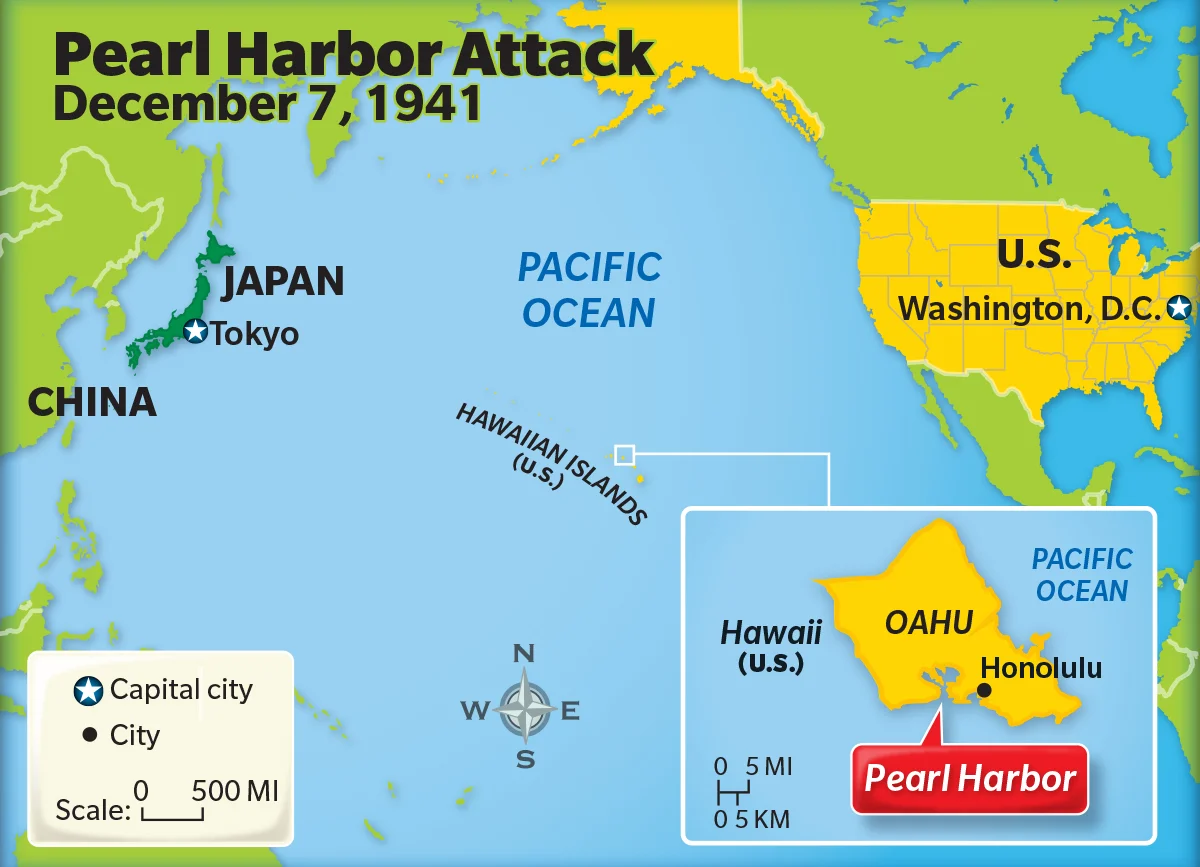
To pinpoint Pearl Harbor, one must first locate the island of Oahu, often referred to as “The Gathering Place” due to its status as Hawaii’s most populous island and home to the state capital, Honolulu. Pearl Harbor is situated on the southern coast of Oahu, roughly 10 miles (16 kilometers) west of downtown Honolulu and the iconic Waikiki Beach. This strategic location has always been key, providing a natural, deep-water harbor that historically served as a critical naval base for the United States Pacific Fleet.
The entrance to Pearl Harbor is a narrow channel that opens into a sprawling natural embayment, featuring several lochs and inlets, including East Loch, Middle Loch, and West Loch. The Pearl Harbor Visitor Center, which serves as the gateway to the primary memorials, is easily accessible from all parts of Oahu and is well-served by public transportation, shuttle services, and ride-sharing options, making it a convenient destination for travelers staying anywhere from Waikiki to the North Shore.

Oahu: The Island Home to Pearl Harbor
Oahu is the third-largest of the Hawaiian Islands and by far the most populated, making it a vibrant hub for tourism, business, and local culture. The island perfectly encapsulates the diverse lifestyle aspects that define Hawaii, from the bustling urban landscape of Honolulu to the serene beaches of the North Shore and the historical depths found at Pearl Harbor. When considering Oahu as a travel destination, visitors will find an abundance of attractions beyond the significant historical sites.
For those planning to visit Pearl Harbor, most accommodations are concentrated in Honolulu, particularly around the Waikiki Beach area. From luxurious resorts and boutique hotels to budget-friendly apartments and vacation rentals, Waikiki offers a wide array of options catering to various travel styles and preferences. The proximity of Honolulu to the Daniel K. Inouye International Airport (HNL) and its excellent transportation infrastructure further solidify Oahu’s role as the primary entry point for international and mainland visitors to Hawaii.
The exact coordinates of the Pearl Harbor National Memorial are approximately 21.36° N latitude and 157.94° W longitude, placing it firmly within the tropical zone, characterized by pleasant, warm weather year-round. This makes planning a trip to Pearl Harbor and the rest of Oahu relatively straightforward, with less concern for seasonal weather disruptions compared to other global destinations.
A Journey Through Time: The Historical Significance of Pearl Harbor
Pearl Harbor’s prominence stems from a single, pivotal event: the surprise attack by the Imperial Japanese Navy on December 7, 1941. This day, which President Franklin D. Roosevelt famously declared “a date which will live in infamy,” forever changed the course of American history and global events. Understanding this historical context is essential to appreciating the depth and solemnity of a visit to the site today.
Before the attack, Pearl Harbor was already a critical military installation, serving as the headquarters of the United States Pacific Fleet. Its strategic location in the middle of the Pacific Ocean made it an indispensable outpost for projecting American power and defending its interests in the region. The naval base itself was a bustling community, comprising not only warships and submarines but also airfields, shipyards, and barracks for thousands of servicemen.
The Attack of December 7, 1941
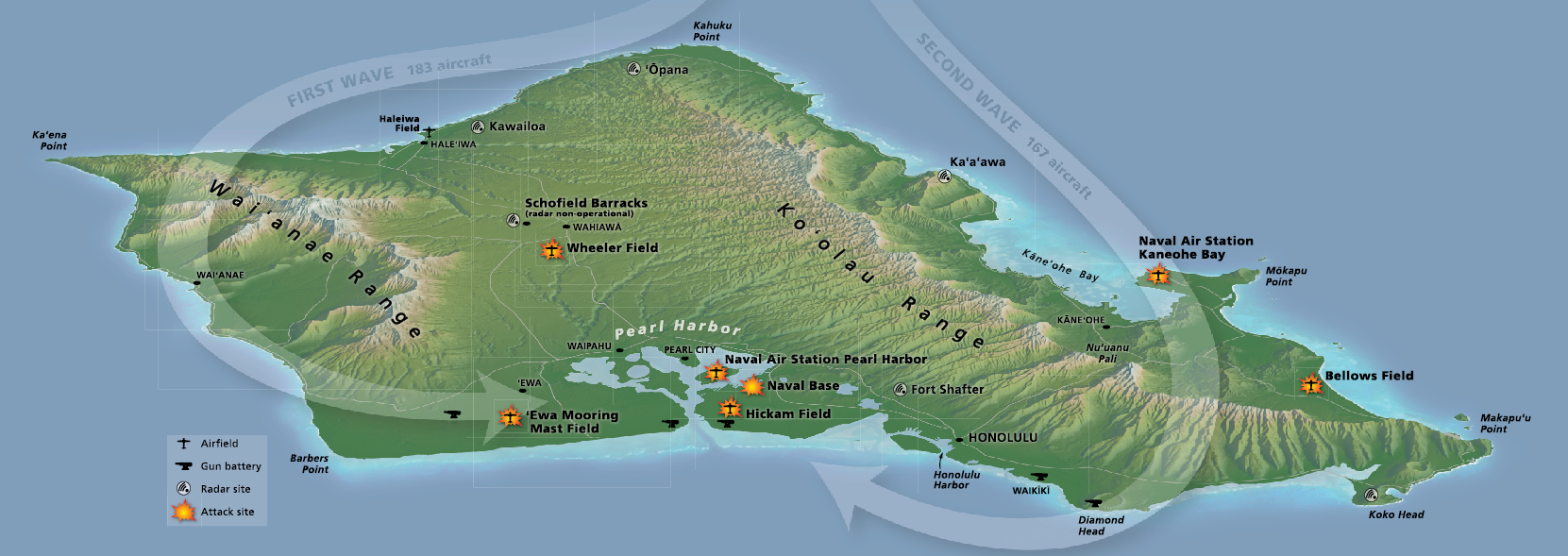
The morning of December 7, 1941, was a quiet Sunday morning in Pearl Harbor. At approximately 7:48 AM Hawaiian time, the first wave of Japanese planes descended upon the unsuspecting base. Over the next two hours, nearly 360 Japanese aircraft launched a devastating assault, targeting battleships, cruisers, destroyers, and airfields. The attack resulted in the deaths of 2,403 Americans, including civilians, and wounded 1,178 others. Eight U.S. Navy battleships were damaged, with four sunk, most notably the USS Arizona, which was hit by an armor-piercing bomb that detonated its forward magazine, leading to a catastrophic explosion and the loss of 1,177 of its crew.
The attack had immediate and profound consequences. The following day, President Roosevelt addressed Congress, requesting a declaration of war against Japan, officially marking the United States’ entry into World War II. The event galvanized the American public and transformed the nation into a global military powerhouse. The legacy of Pearl Harbor is thus not only one of tragedy and loss but also of resilience, unity, and the birth of a nation’s resolve.
Pearl Harbor as a National Memorial
Today, Pearl Harbor is much more than a military base; it’s a National Memorial that serves as a powerful educational and commemorative site. Managed by the National Park Service, the complex encompasses several distinct attractions, each offering a unique perspective on the events of December 7, 1941, and its aftermath. These landmarks are carefully preserved to honor the fallen and educate future generations about the importance of peace and historical understanding.
The solemnity of the site, combined with the professionalism of its interpretation, makes a visit to Pearl Harbor a moving experience for all. It stands as a testament to the enduring impact of a single day, reminding visitors of the sacrifices made and the profound importance of remembering history to forge a better future.
What to See and Do at Pearl Harbor: A Comprehensive Visitor’s Guide
A visit to Pearl Harbor is a comprehensive journey through history, offering multiple sites that each tell a part of the compelling narrative. While the USS Arizona Memorial is often the primary draw, the complex includes several other significant attractions, all accessible from the central Pearl Harbor Visitor Center.
The Visitor Center itself provides an excellent starting point, featuring informative exhibits, historical artifacts, and a bookstore. Tickets for various sites are distributed here, and it’s essential to plan your visit, especially during peak travel seasons, as some attractions have limited capacity.
Iconic Memorials and Museums
- USS Arizona Memorial: This is the most famous and poignant site at Pearl Harbor. Built over the sunken hull of the USS Arizona, it serves as the final resting place for 1,102 of the ship’s 1,177 crewmen who lost their lives on December 7, 1941. Visitors take a short boat ride to reach the memorial, which hovers above the submerged battleship. Oil still seeps from the Arizona‘s fuel tanks, visible as “black tears,” a constant reminder of the tragedy. Access to the memorial is free, but timed tickets are required and highly sought after, often booking out weeks in advance.
- Battleship Missouri Memorial: Affectionately known as “Mighty Mo,” the USS Missouri is a majestic battleship that stands guard in Pearl Harbor’s Battleship Row, just a short shuttle ride from the Visitor Center. Its decks hold immense historical significance, as it was aboard this battleship that Japan formally surrendered to the Allied Forces in Tokyo Bay on September 2, 1945, effectively ending World War II. Visitors can explore the ship, walk the surrender deck, and gain insight into naval life and the final moments of the war.
- Pacific Aviation Museum Pearl Harbor: Located on Ford Island, accessible via the same shuttle as the USS Missouri, this museum is housed in two actual World War II hangars that survived the attack. It showcases a remarkable collection of aircraft from World War II, the Korean War, and the Vietnam War, including a Japanese Zero and a B-17 Flying Fortress. Interactive exhibits provide a fascinating look into the role of aviation in the Pacific conflict.
- USS Bowfin Submarine Museum and Park: Adjacent to the Pearl Harbor Visitor Center, the USS Bowfin is a Gato-class submarine launched on December 7, 1942, exactly one year after the attack on Pearl Harbor, earning it the nickname “Pearl Harbor Avenger.” Visitors can tour the submarine and its museum, which details the crucial role of submarines in World War II and the sacrifices made by submariners.
Planning Your Visit
To make the most of your Pearl Harbor experience, strategic planning is key.
- Tickets: While entry to the Pearl Harbor Visitor Center and the USS Arizona Memorial program (which includes a film and boat ride) is free, timed tickets for the Arizona Memorial must be reserved online well in advance via the Recreation.gov website. Walk-up tickets are extremely limited. Tickets for the other paid attractions (Battleship Missouri, Pacific Aviation Museum, USS Bowfin) can be purchased separately or as a “Passport to Pearl Harbor” bundle.
- Timing: Allocate at least half a day, preferably a full day, to experience all the sites fully. Mornings are generally less crowded, and arriving early is always recommended.
- Security: Be aware of strict security policies. Bags larger than a small clutch purse are not allowed at the memorials and must be stored at a designated locker facility for a fee.
- Guided Tours: For a more in-depth experience, consider booking a guided tour. Many local tour operators offer packages that include transportation from Waikiki, skip-the-line access (where applicable), and expert commentary, which can be invaluable for understanding the complex history.
Beyond Pearl Harbor: Exploring Oahu’s Diverse Attractions
While Pearl Harbor is a must-visit, Oahu offers a plethora of attractions that cater to all interests, from stunning natural beauty to vibrant urban experiences and cultural immersion. Incorporating these into your itinerary will enrich your Hawaiian adventure and provide a holistic view of the island’s charm.
Honolulu and Waikiki Beach
Just a short drive from Pearl Harbor, Honolulu is a bustling metropolis that seamlessly blends modern amenities with traditional Hawaiian hospitality. At its heart lies Waikiki Beach, one of the world’s most famous beaches, renowned for its golden sands, excellent surfing conditions, and iconic views of Diamond Head crater.
Waikiki is also the epicenter of Oahu’s tourism and accommodation scene, featuring a wide range of hotels, from luxury resorts like the Halekulani or the Moana Surfrider, A Westin Resort & Spa to more budget-friendly options. The area boasts an impressive selection of dining experiences, from upscale restaurants serving Pacific Rim cuisine to casual eateries offering local favorites. Shopping opportunities abound, with everything from high-end boutiques on Kalakaua Avenue to vibrant local markets.
Other Oahu Attractions
- Diamond Head State Monument: Hike to the summit of this iconic volcanic crater for panoramic views of Waikiki and the Pacific Ocean. It’s a moderately challenging trail but incredibly rewarding.
- North Shore: Famous for its legendary surf breaks like Banzai Pipeline and Waimea Bay, the North Shore offers a more laid-back, rural Hawaiian experience. During winter, watch professional surfers tackle massive waves; in summer, enjoy calmer waters for swimming and snorkeling. Don’t forget to try a Garlic Shrimp plate from one of the many food trucks!
- Polynesian Cultural Center: Located on the eastern side of the island, this popular attraction offers an immersive journey through the cultures of Polynesia, with authentic villages, performances, and a grand evening show. It’s a fantastic way to experience local culture and traditions.
- Kailua Beach Park and Lanikai Beach: On Oahu’s windward coast, these two beaches consistently rank among the world’s most beautiful, known for their pristine white sands and turquoise waters. Perfect for swimming, kayaking, and paddleboarding.
Accommodation and Travel Tips for Your Oahu Trip
Planning your accommodation and understanding the local travel landscape are crucial for a smooth and enjoyable trip to Oahu and Pearl Harbor. Whether you’re seeking luxury travel experiences or planning a budget trip, Oahu offers a spectrum of choices.
Where to Stay
- Waikiki: Ideal for first-time visitors, families, and those who enjoy a lively atmosphere with easy access to beaches, dining, shopping, and major attractions. Resorts like the Hilton Hawaiian Village Waikiki Beach Resort offer extensive amenities, while hotels such as the Outrigger Reef Waikiki Beach Resort provide a blend of comfort and local charm.
- Ko Olina: Located on Oahu’s western coast, Ko Olina is perfect for luxury travel and family trips seeking a more secluded, resort-style experience. It features high-end hotels and villas like the Four Seasons Resort Oahu at Ko Olina and Aulani, A Disney Resort & Spa, with beautiful lagoons and golf courses.
- North Shore: For surf enthusiasts, nature lovers, or those looking for a laid-back, authentic Hawaiian vibe, the North Shore offers charming vacation rentals, boutique hotels, and campgrounds. The Turtle Bay Resort is a prominent option here.
- Honolulu (beyond Waikiki): Areas like Downtown Honolulu or Kaimuki offer a more local experience, with unique dining and cultural sites, often with more budget-friendly accommodation options outside the main tourist zones.
Getting to Pearl Harbor and Around Oahu
- From Waikiki: The easiest way to get to Pearl Harbor from Waikiki is by car (rental or ride-share), which takes about 25-40 minutes depending on traffic. Public bus service (“TheBus”) is also available, offering an affordable but longer journey (approx. 1 hour 15 minutes). Many tour companies provide round-trip transportation as part of their Pearl Harbor packages.
- Around Oahu: Renting a car is highly recommended if you plan to explore the entire island, offering the most flexibility. However, Honolulu and Waikiki are very walkable, and public transport is reliable within the city. For longer distances, ride-shares and guided tours are good alternatives.
Best Time to Visit
Oahu enjoys warm, pleasant weather year-round, but specific times offer different advantages:
- Spring (April-May) and Fall (September-November): These shoulder seasons generally offer the best balance of good weather, fewer crowds, and potentially lower prices for flights and accommodations.
- Summer (June-August): Peak travel season, especially for families. Expect larger crowds and higher prices, but also vibrant energy and consistent sunshine.
- Winter (December-March): Also a popular time, particularly around the holidays. The North Shore experiences its famous big waves, attracting surfers. Whale watching season also kicks off.
Conclusion
Pearl Harbor is more than just a geographic location in Hawaii; it is a powerful symbol of memory, sacrifice, and the enduring spirit of a nation. Nestled on the island of Oahu, just a stone’s throw from the bustling vibrancy of Honolulu and Waikiki, it offers an unparalleled historical experience that grounds visitors in a pivotal moment of the 20th century. From the solemn serenity of the USS Arizona Memorial to the impressive might of the Battleship Missouri Memorial, each site at Pearl Harbor tells a story that resonates deeply.
For travelers exploring Hawaii, a visit to Pearl Harbor provides not only an essential history lesson but also a stark reminder of the global impact of war and the precious value of peace. Incorporating this significant landmark into your Hawaiian itinerary, alongside the island’s natural beauty and cultural richness, promises a travel experience that is both profoundly moving and immensely enriching. Whether you’re drawn by the history, the stunning landscapes, or the vibrant Hawaiian lifestyle, Oahu and its iconic Pearl Harbor stand ready to offer an unforgettable journey.