
Nestled on the picturesque island of Oahu, Hawaii, Pearl Harbor is far more than just a geographical landmark; it is a profoundly significant site that resonates with history, sacrifice, and the enduring spirit of a nation. For many travelers planning a Hawaiian getaway, understanding its exact location and the context surrounding it is the first step towards experiencing this powerful destination. Pearl Harbor is a historic US naval base and an active harbor, perhaps most famously known as the site of the surprise attack by the Imperial Japanese Navy on December 7, 1941, which propelled the United States into World War II. Today, it stands as a National Historic Landmark, welcoming millions of visitors annually who come to pay their respects, learn about its pivotal role in global history, and explore its poignant memorials.
This comprehensive guide will not only pinpoint the precise location of Pearl Harbor within the Hawaiian archipelago but also delve into its historical importance, detail the unforgettable experiences awaiting visitors, and provide practical travel tips to ensure a meaningful and seamless journey. Whether you are a history buff, a curious traveler, or simply seeking to understand one of the most impactful events of the 20th century, a visit to Pearl Harbor offers an unparalleled opportunity for reflection and education, making it an essential stop on any Oahu itinerary.
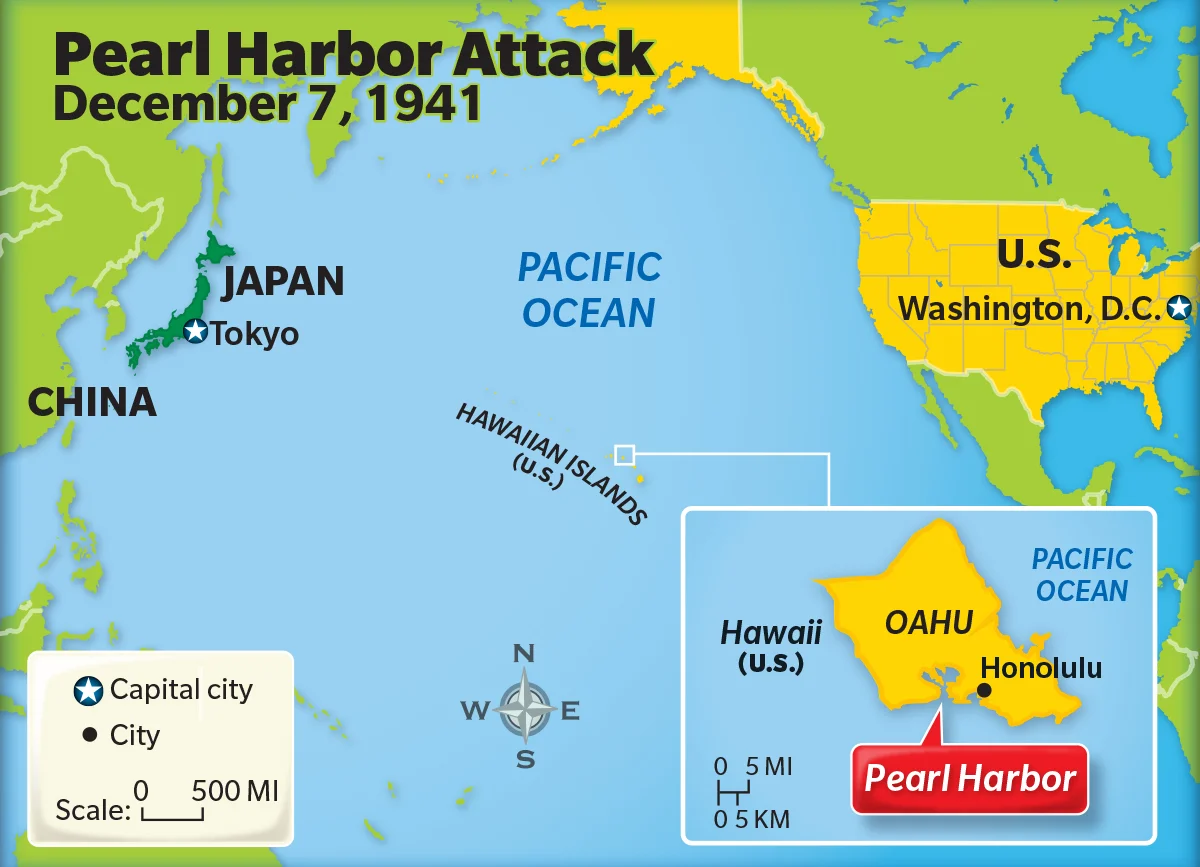
The Strategic Heart of the Pacific: Oahu’s Gem
The Hawaiian Islands, strategically positioned in the central Pacific Ocean, have long held immense significance for trade, travel, and military operations. Among these volcanic islands, Oahu emerges as the most populous and developed, home to the state capital, Honolulu, and, crucially, Pearl Harbor. This natural deep-water harbor was a critical asset long before its fateful day in 1941, shaping geopolitical landscapes and defining naval power in the Pacific.
Unpacking the Geography: Where Exactly is Pearl Harbor?
Geographically, Pearl Harbor is situated on the southern coast of Oahu, approximately 10 miles (16 kilometers) west of downtown Honolulu and its iconic Waikiki resort area. It is an inlet of the larger Mamala Bay, a natural lagoon harbor that boasts depths sufficient to accommodate large naval vessels. The harbor’s unique configuration, with several lochs and channels, provided an ideal, sheltered anchorage for the United States Pacific Fleet prior to World War II.
Today, the site functions as a joint military base, Joint Base Pearl Harbor-Hickam, serving as a vital hub for the US Navy and Air Force. The visitor facilities, including the Pearl Harbor Visitor Center and the primary memorials, are located on the western side of the harbor, easily accessible from major tourist centers. The convenience of its location relative to Honolulu and Waikiki makes it a straightforward destination for travelers, whether they opt for rental cars, public transportation, or guided tours. The drive typically takes between 25-45 minutes, depending on traffic, making it an easy day trip from most accommodations in the capital region.
A Brief History: Why Pearl Harbor Matters
The history of Pearl Harbor dates back centuries, long before its role in modern warfare. Early Polynesian settlers named the area “Pu’uloa,” recognizing its rich oyster beds that once yielded valuable pearls—hence the English name. In the late 19th century, following the signing of the Reciprocity Treaty of 1887 between the United States and the Kingdom of Hawaii under King Kalākaua, the US gained exclusive rights to establish a naval coaling station at Pearl Harbor. This marked the beginning of its transformation into a major naval base, reflecting the US’s growing influence in the Pacific Ocean.
By the turn of the 20th century, particularly after the annexation of Hawaii in 1898 and the subsequent rise of the United States as a global power, Pearl Harbor solidified its status as the primary base for the US Pacific Fleet. Its strategic position, roughly equidistant from the West Coast (San Francisco or Los Angeles) and key Asian ports, made it an invaluable outpost.
However, its historical significance was tragically cemented on the morning of December 7, 1941. At 7:55 AM Hawaiian time, squadrons of Japanese aircraft, launched from six aircraft carriers thousands of miles away, initiated a surprise attack. The assault lasted just under two hours but devastated the US Pacific Fleet anchored in the harbor. Eight battleships were damaged, and four were sunk, including the USS Arizona and USS Oklahoma. Over 2,400 Americans lost their lives, and more than 1,000 were wounded.

The attack on Pearl Harbor was a pivotal moment. It shattered American isolationism and directly led to the United States’ entry into World War II. President Franklin D. Roosevelt famously declared December 7, 1941, a “date which will live in infamy.” In the aftermath, the harbor was rebuilt, and the war effort intensified, ultimately leading to the Allied victory. Today, Pearl Harbor stands as a somber yet powerful reminder of the sacrifices made and the resilience of a nation, drawing visitors to contemplate its profound legacy.
Experiencing History: What to See and Do at Pearl Harbor
A visit to Pearl Harbor is a journey through time, offering an immersive experience that combines historical education with solemn remembrance. The site is a complex of memorials and museums, each contributing a unique perspective to the events of December 7, 1941, and the broader context of World War II. To fully appreciate the scale and significance of Pearl Harbor, visitors should allocate ample time—ideally a half to a full day.
Core Memorials and Attractions
The main gateway to the Pearl Harbor experience is the Pearl Harbor Visitor Center, operated by the National Park Service. This is where your journey begins, offering free admission to two engaging museums: the “Road to War” and “Attack” exhibitions. These museums feature artifacts, photographs, and personal accounts that set the stage for the attack and detail its immediate aftermath.
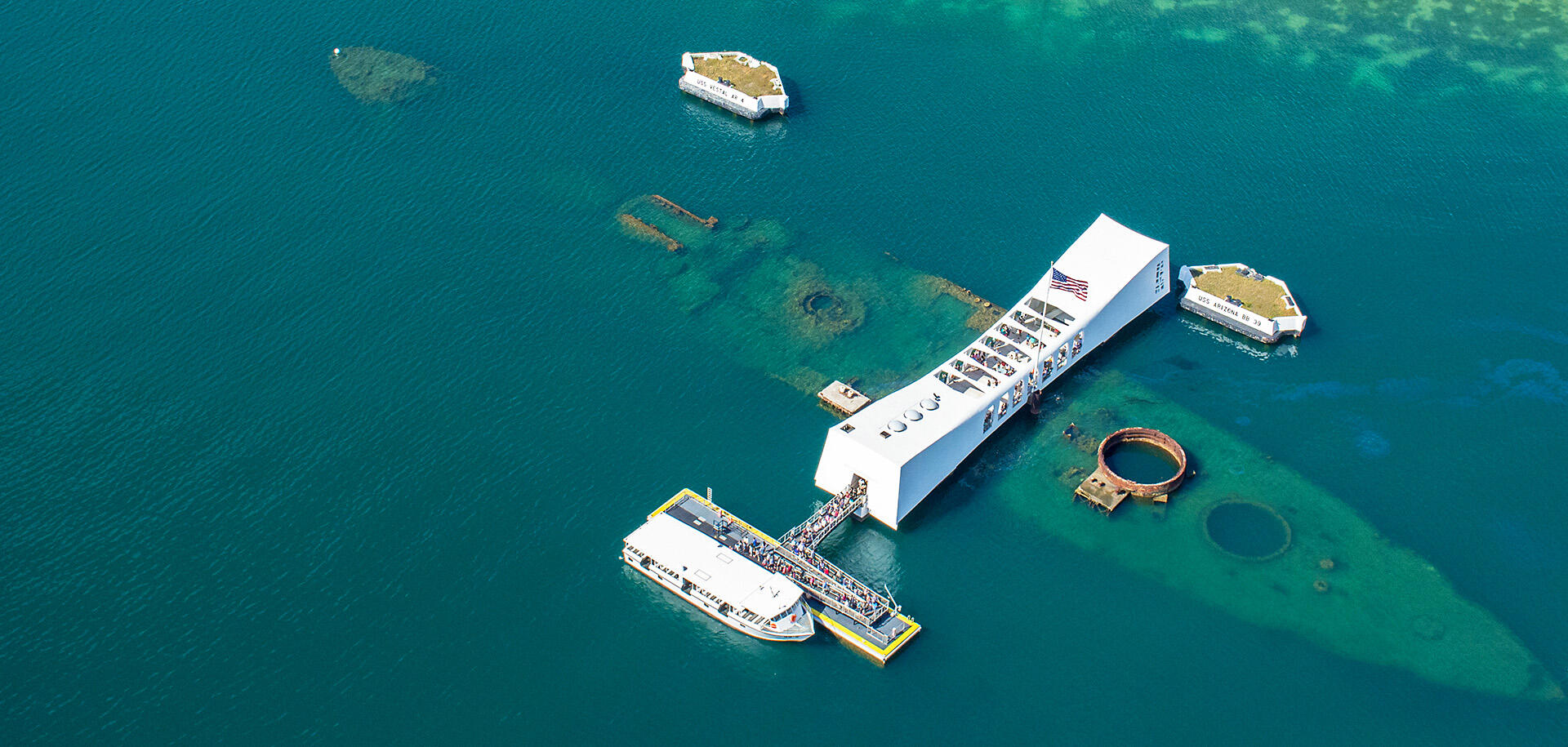
The most iconic and emotionally resonant site is the USS Arizona Memorial. This brilliant white structure spans the sunken hull of the USS Arizona, where 1,177 crewmen lost their lives. Access to the memorial is exclusively via a short boat ride, which is part of a timed program that includes a documentary film about the attack. Standing over the submerged battleship, with oil still seeping from its depths—often called “black tears”—is a deeply moving experience that leaves an indelible impression. Due to limited capacity, securing tickets for the USS Arizona Memorial program well in advance is highly recommended.
Beyond the USS Arizona Memorial, the Pearl Harbor Historic Sites encompass several other significant attractions, accessible by a shuttle bus from the visitor center:
-
Battleship Missouri Memorial: Affectionately known as the “Mighty Mo,” this legendary battleship holds its own unique historical significance. It was on the deck of the USS Missouri, anchored in Tokyo Bay, that Japan formally surrendered to the Allied forces on September 2, 1945, bringing World War II to an official close. Visitors can explore the ship’s decks, learn about life at sea, and stand on the very spot where history was made. This memorial beautifully bookends the narrative of the war, from its tragic beginning at Pearl Harbor to its triumphant conclusion.
-
USS Bowfin Submarine Museum & Park: Dubbed the “Pearl Harbor Avenger,” the USS Bowfin is a Gato-class submarine that played a crucial role in the Pacific War. Visitors can explore the interior of this remarkably preserved WWII submarine, gaining insight into the cramped living conditions and daring missions undertaken by submariners. The adjacent museum showcases submarine artifacts, torpedoes, and a memorial honoring lost submarines.
-
Pearl Harbor Aviation Museum: Located on Ford Island, a restricted area within the active military base (accessed by the shuttle bus), this museum is housed in original WWII hangars that still bear the scars of the 1941 attack. It features an impressive collection of vintage aircraft, including a Japanese Zero and an American P-40 Warhawk, some of which saw action during the attack. The museum vividly tells the story of aviation in the Pacific and the pivotal role air power played in the war.
Planning Your Visit: Tips for a Meaningful Experience
To ensure a smooth and respectful visit to Pearl Harbor, consider these practical tips:
- Book in Advance: Especially for the USS Arizona Memorial program, tickets are highly sought after and often sell out weeks or even months ahead. Utilize the official recreation.gov website to reserve your timed entry tickets. A small number of walk-up tickets are released daily, but relying on these is risky.
- Arrive Early: Regardless of your booked time slot, arriving early is always a good idea to navigate parking, security, and to beat the crowds, especially during peak tourist seasons. The visitor center opens at 7:00 AM.
- Security Restrictions: Due to its location on an active military base, strict security measures are in place. No bags of any size are allowed into the visitor center or onto the memorials. This includes purses, backpacks, camera bags, and fanny packs. A storage facility is available near the entrance for a fee, but it’s best to leave non-essentials in your car or at your accommodation. Wallets, cell phones, and cameras are generally permitted.
- Allocate Time: A comprehensive visit covering the USS Arizona Memorial program and at least one or two other sites (like the USS Missouri or USS Bowfin) will require 4-6 hours. If you plan to see all four main attractions, dedicate a full day.
- Transportation: From Waikiki or Honolulu, you can reach Pearl Harbor by rental car (with ample parking available), public bus (TheBus offers routes), or by booking a guided tour. Guided tours often provide convenient hotel pick-up/drop-off and expert commentary, making logistics easier.
- Dress Code: While there isn’t a strict dress code, visitors are encouraged to dress respectfully, recognizing the solemn nature of the memorials. Comfortable walking shoes are a must.
- Hydration and Sun Protection: Hawaii can be hot and humid. Bring water, wear sunscreen, and consider a hat, especially when waiting outdoors or exploring the open decks of the USS Missouri.
- Respectful Behavior: Remember that Pearl Harbor is a place of remembrance. Maintain a quiet demeanor, especially at the USS Arizona Memorial.
Beyond the Memorial: Pearl Harbor’s Place in Hawaiian Tourism
While the primary draw of Pearl Harbor is its profound historical significance, its location on Oahu means it’s seamlessly integrated into the broader tapestry of Hawaiian tourism. Travelers can easily combine a powerful historical experience with the island’s renowned natural beauty, vibrant culture, and diverse recreational activities, making for a truly multifaceted vacation.
Integrating Pearl Harbor into Your Oahu Itinerary
Oahu offers a wealth of attractions that complement a visit to Pearl Harbor. Many visitors choose to dedicate a morning to the memorials and then explore other parts of the island in the afternoon. Popular combinations include:
- City Exploration: After Pearl Harbor, delve into Honolulu’s rich cultural heritage with a visit to Iolani Palace, the only official residence of royalty in the United States, or explore the historic Downtown Honolulu and Chinatown areas.
- Coastal Beauty: Head to the iconic Waikiki Beach for relaxation, surfing lessons, or a catamaran cruise. Alternatively, journey towards the eastern coast to witness the breathtaking views from Diamond Head Crater, which offers panoramic vistas after a moderate hike.
- Scenic Drives: For those with rental cars, a drive around the island could follow your Pearl Harbor visit. Explore the lush landscapes of the Windward Coast or venture up to the legendary surfing beaches of the North Shore, particularly captivating during winter months when big waves roll in.
- Cultural Experiences: Consider attending a traditional luau in the evening, immersing yourself in Hawaiian music, dance, and food.
Many tour operators offer packages that combine Pearl Harbor with other popular Oahu sights, providing convenient transportation and expert guides to enrich your understanding of the island’s diverse offerings.
Accommodation and Logistics for Your Hawaiian Getaway
Oahu, particularly the Honolulu and Waikiki areas, boasts an extensive range of accommodation options to suit every budget and travel style. From luxurious resorts to boutique hotels and vacation rentals, you’ll find plenty of choices to serve as your base for exploring Pearl Harbor and the rest of the island.
- Luxury Resorts: For a pampered experience, consider staying at renowned establishments like the Hyatt Regency Waikiki Beach Resort and Spa, offering stunning ocean views and direct beach access. Other top-tier options include the Sheraton Waikiki, known for its infinity pool, or the sprawling Hilton Hawaiian Village Waikiki Beach Resort, which provides a resort-within-a-resort experience with multiple pools, restaurants, and shops.
- Mid-Range Hotels: Numerous comfortable and well-appointed hotels offer excellent value, often just a short walk from Waikiki Beach and dining options.
- Apartments and Villas: For longer stays or family trips, vacation rentals offer amenities like kitchens and multiple bedrooms, providing a home-away-from-home feel.
When planning your accommodation, consider proximity to public transport routes if you don’t plan to rent a car, as well as access to dining and shopping. Most hotels in Waikiki are well-connected and provide easy access to tours departing for Pearl Harbor.
Beyond accommodation, general travel logistics for Hawaii include understanding local customs (e.g., the aloha spirit), packing for warm weather with layers for cooler evenings or air-conditioned interiors, and being mindful of sun protection. Local cuisine, a fusion of Pacific Rim and Asian influences, is a highlight, with options ranging from casual food trucks to upscale dining experiences. Engaging with local culture, perhaps by visiting a farmer’s market or attending a hula performance, enriches the overall travel experience, adding layers of appreciation to your Hawaiian adventure.
In summary, Pearl Harbor’s location on Oahu makes it an accessible and essential component of any trip to Hawaii. It serves as a powerful reminder of history, seamlessly integrated into an island destination celebrated for its beauty and vibrant culture, offering a unique blend of solemn reflection and tropical escape.
The journey to Pearl Harbor is more than just a visit to a historical site; it is an pilgrimage to a place where history profoundly reshaped the world. Standing on the serene waters above the USS Arizona, walking the decks of the USS Missouri, or exploring the vintage aircraft that once flew in battle, visitors are confronted with the tangible echoes of a pivotal moment in human history. Its location on Oahu, just a short distance from the bustling streets of Honolulu and the sun-kissed beaches of Waikiki, makes it remarkably accessible. Yet, despite its proximity to popular tourist destinations, Pearl Harbor retains an aura of solemnity and reverence that commands respect. For anyone traveling to the Hawaiian Islands, a visit to Pearl Harbor is not just recommended; it is an indispensable experience, offering a profound lesson in history, resilience, and the enduring quest for peace. It is a destination that will enrich your understanding of the world and leave an unforgettable mark on your heart.
LifeOutOfTheBox is a participant in the Amazon Services LLC Associates Program, an affiliate advertising program designed to provide a means for sites to earn advertising fees by advertising and linking to Amazon.com. Amazon, the Amazon logo, AmazonSupply, and the AmazonSupply logo are trademarks of Amazon.com, Inc. or its affiliates. As an Amazon Associate we earn affiliate commissions from qualifying purchases.