
The majesty of California’s coast is often associated with the dramatic cliffs of Big Sur or the sun-drenched beaches of Southern California. However, nestled along the northern reaches of the state lies a different kind of natural wonder, one that speaks of time, resilience, and awe-inspiring scale: Redwood National Park. For those planning a journey to experience its towering giants, a crucial first step is understanding its precise location within the Golden State. This isn’t just about knowing a county or a city; it’s about grasping the geographical context of one of nature’s most breathtaking cathedrals.
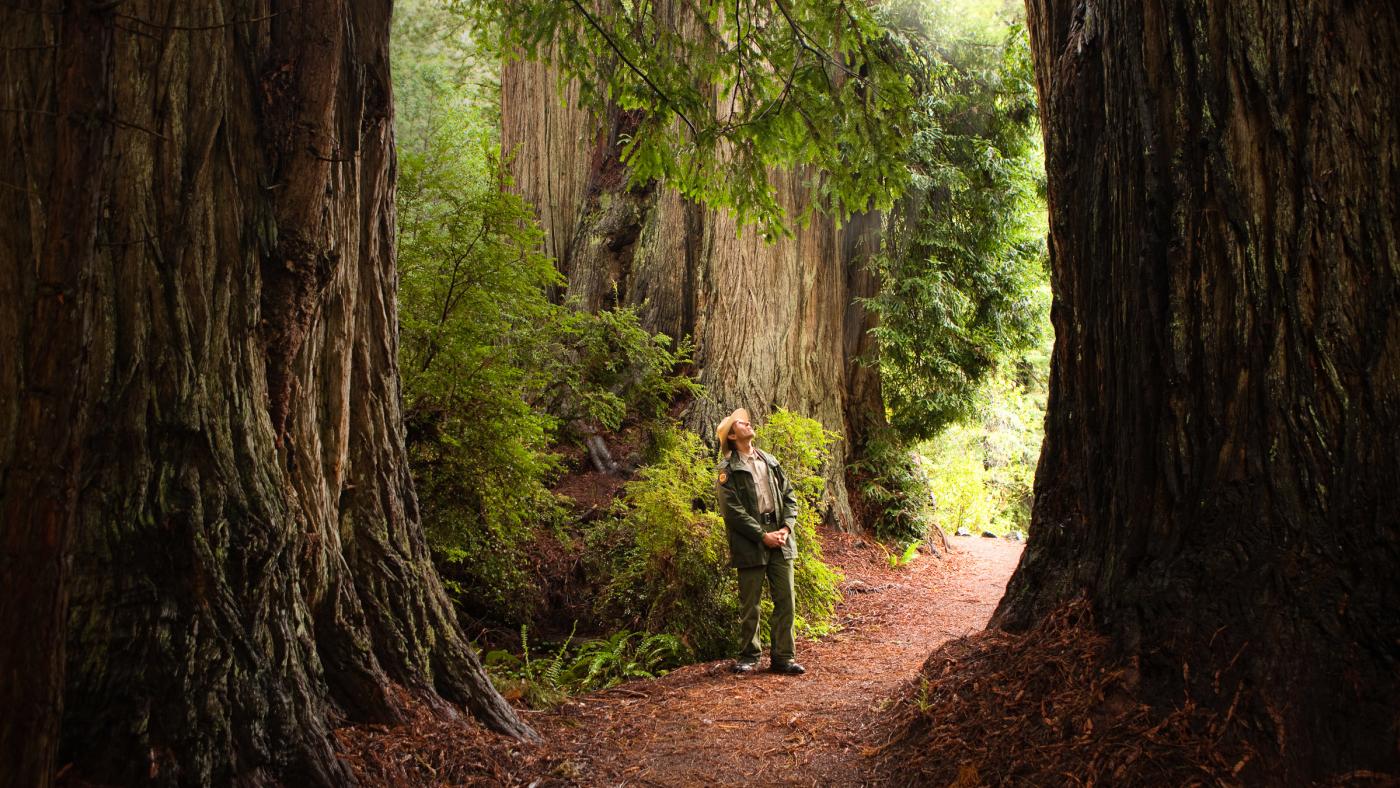
Redwood National Park is not a singular, consolidated park in the traditional sense. Instead, it’s a collection of protected areas managed cooperatively by the National Park Service and the California Department of Parks and Recreation. This unique structure means the park spans a significant stretch of coastline, encompassing several distinct units. The core of this magnificent natural reserve lies in Del Norte County and Humboldt County, predominantly along the rugged, picturesque Pacific coast of Northern California.
To pinpoint its location more precisely, imagine driving north from San Francisco. You’ll journey for several hours, leaving behind the rolling hills and vineyards, and entering a realm where the landscape dramatically transforms. The drive itself becomes part of the experience, with winding roads offering tantalizing glimpses of the immense trees that await. The park is situated roughly between the towns of Eureka and Crescent City, with its boundaries stretching inland in some areas to protect the full extent of the old-growth redwood ecosystems.
Exploring the Vastness: Units of Redwood National and State Parks
Understanding where Redwood National Park is located also involves appreciating its multifaceted nature. It’s more accurately referred to as Redwood National and State Parks (RNSP), a collaborative effort that combines the federal Redwood National Park with three state parks: Jedediah Smith Redwoods State Park, Del Norte Coast Redwoods State Park, and Prairie Creek Redwoods State Park. This partnership has created an unparalleled sanctuary for the coast redwoods (Sequoia sempervirens), the tallest living things on Earth.
Jedediah Smith Redwoods State Park: Northern Gateway
At the northernmost end of the RNSP, you’ll find Jedediah Smith Redwoods State Park. This gem is situated in Del Norte County, just a stone’s throw from the Oregon border. It is renowned for its incredibly lush and vibrant old-growth redwood forests, where mosses and ferns carpet the forest floor, creating an almost primeval atmosphere. The Smith River, with its crystal-clear, turquoise waters, flows through the park, offering a stunning contrast to the deep green of the trees. Hiking trails here, such as the Stout Grove Trail, lead you directly into the heart of these ancient groves.
Del Norte Coast Redwoods State Park: Coastal Majesty
Continuing south along the coast, Del Norte Coast Redwoods State Park forms another vital component of the protected area. This park showcases the dramatic intersection of forest and sea. Here, you can find redwood groves that extend down to the rugged coastline, offering breathtaking ocean vistas alongside the towering trees. The trails in this section often provide opportunities for coastal exploration, tide pooling, and whale watching during migration seasons. Its remote feel adds to its allure, making it a perfect spot for those seeking solitude amidst nature’s grandeur.
Prairie Creek Redwoods State Park: Iconic Scenery and Wildlife
Perhaps one of the most iconic and easily accessible sections of the RNSP is Prairie Creek Redwoods State Park. Located in southern Del Norte County and northern Humboldt County, this park is a perennial favorite for visitors. It is famous for Newton B. Drury Parkway, a scenic drive that winds through some of the most spectacular old-growth redwood stands. This park is also home to herds of Roosevelt elk, which are often seen grazing in the open meadows alongside the towering trees, adding an unforgettable element to the landscape. The Fern Canyon, with its walls draped in lush, vibrant ferns, is a truly unique and magical experience found within Prairie Creek.
Beyond the Trees: Natural Wonders and Unique Features
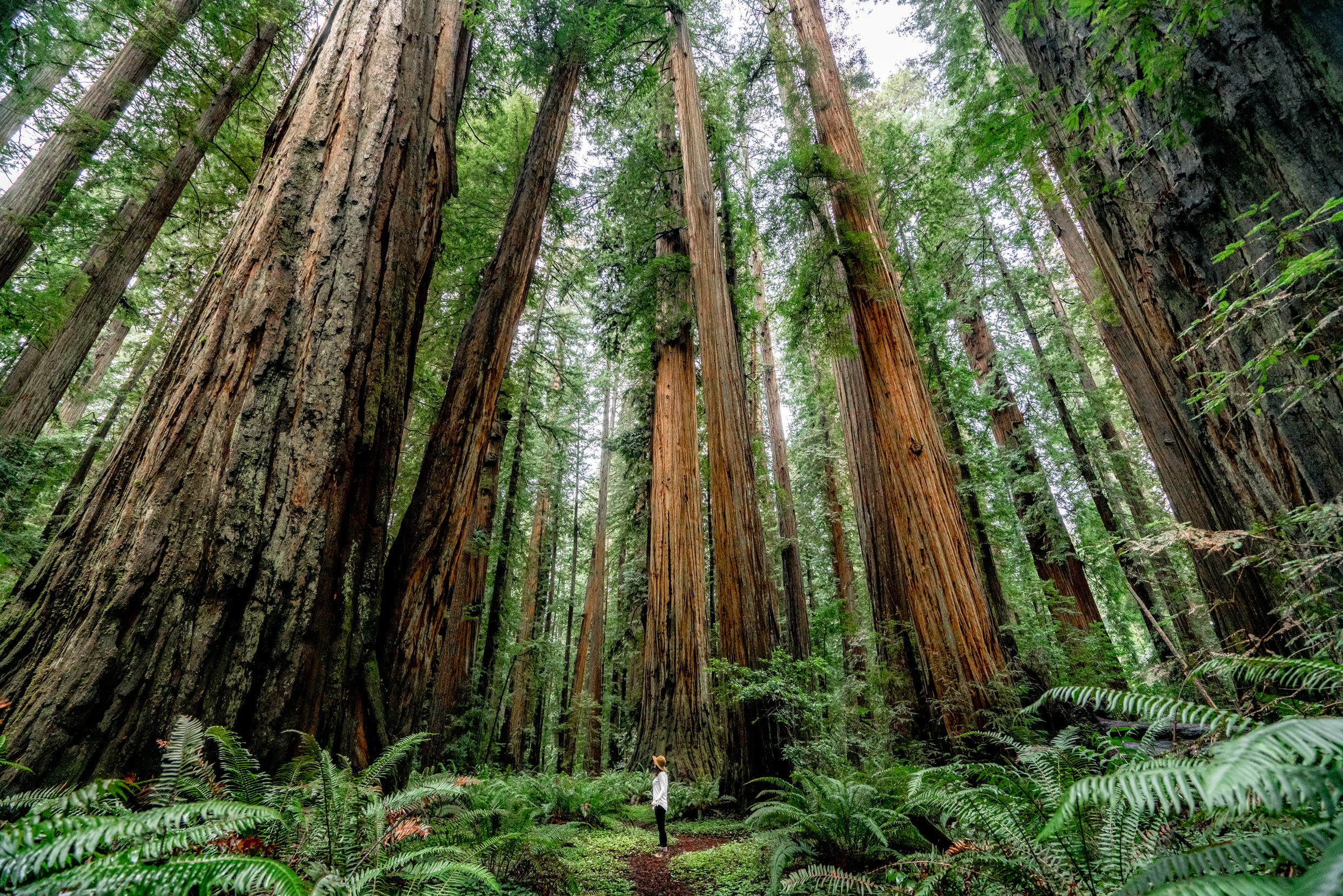
While the redwood trees are undeniably the stars of Redwood National Park, the region offers a rich tapestry of natural wonders that contribute to its allure. The park’s location along the Pacific coast provides a dramatic and diverse backdrop to the ancient forests.
Coastal Exploration and Scenic Drives
The Pacific Coast Highway (US Highway 101) acts as the primary artery through the Redwood National and State Parks, providing easy access to many of the park’s units and scenic viewpoints. Along this route, you’ll encounter numerous pull-offs that offer stunning panoramic views of the ocean, the coastline, and the dense redwood forests that meet the sea. For those who prefer a slower, more immersive experience, scenic parkways like the aforementioned Newton B. Drury Parkway and the Avenue of the Giants (though technically south of the core RNSP, it’s a popular extension) allow drivers to glide through the heart of redwood country. These drives are more than just transportation; they are integral to the overall visitor experience, revealing the sheer scale and beauty of the ecosystem.
Rivers, Beaches, and Wildlife
The park’s geography is shaped by several significant waterways, most notably the Klamath River and the Smith River. These rivers not only add to the scenic beauty but also support diverse aquatic life and provide opportunities for recreational activities like fishing and kayaking in designated areas. The coastline within the park is characterized by dramatic sea stacks, secluded coves, and long stretches of sandy beaches. Gold Bluffs Beach in Prairie Creek Redwoods State Park is particularly notable, offering a unique blend of ocean access and proximity to redwood groves, as well as being a prime spot for observing Roosevelt elk. Birdwatching is also a popular activity, with various species of seabirds and forest dwellers inhabiting the diverse habitats. Beyond the elk, visitors might also spot marine mammals like seals and sea lions along the coast.
Planning Your Visit: Accommodation and Activities
Knowing where Redwood National Park is located is the first step, but planning your trip also involves considering where to stay and what to do. The surrounding towns offer a range of accommodation options, from cozy inns to more established hotels, catering to various budgets and preferences.
Lodging Options for Every Traveler
For those seeking a comfortable and convenient base, towns like Eureka, Arcata, and Crescent City provide a good selection of hotels and motels. Eureka, with its historic Old Town, offers charming boutique hotels and familiar chains. Arcata, known for its vibrant university town atmosphere, has a variety of lodging and dining options. Further north, Crescent City serves as a gateway to the northern units of the park, offering a range of accommodations for those wanting to explore Jedediah Smith Redwoods State Park more intimately.
For travelers looking for a more immersive experience within nature, camping is a popular choice. Several campgrounds are located within the park boundaries, offering the chance to sleep under the stars surrounded by the towering redwoods. These can range from primitive sites to those with more amenities. Additionally, the region boasts several private campgrounds and RV parks just outside the park, providing alternatives for those with larger vehicles or specific needs. For those who prefer private rentals, searching for vacation apartments or villas in the smaller communities dotting the coast can offer a more secluded and personalized stay. Many of these rentals provide a home-away-from-home feel, complete with kitchens and living spaces, perfect for families or longer visits.
Activities for Nature Enthusiasts and Adventurers
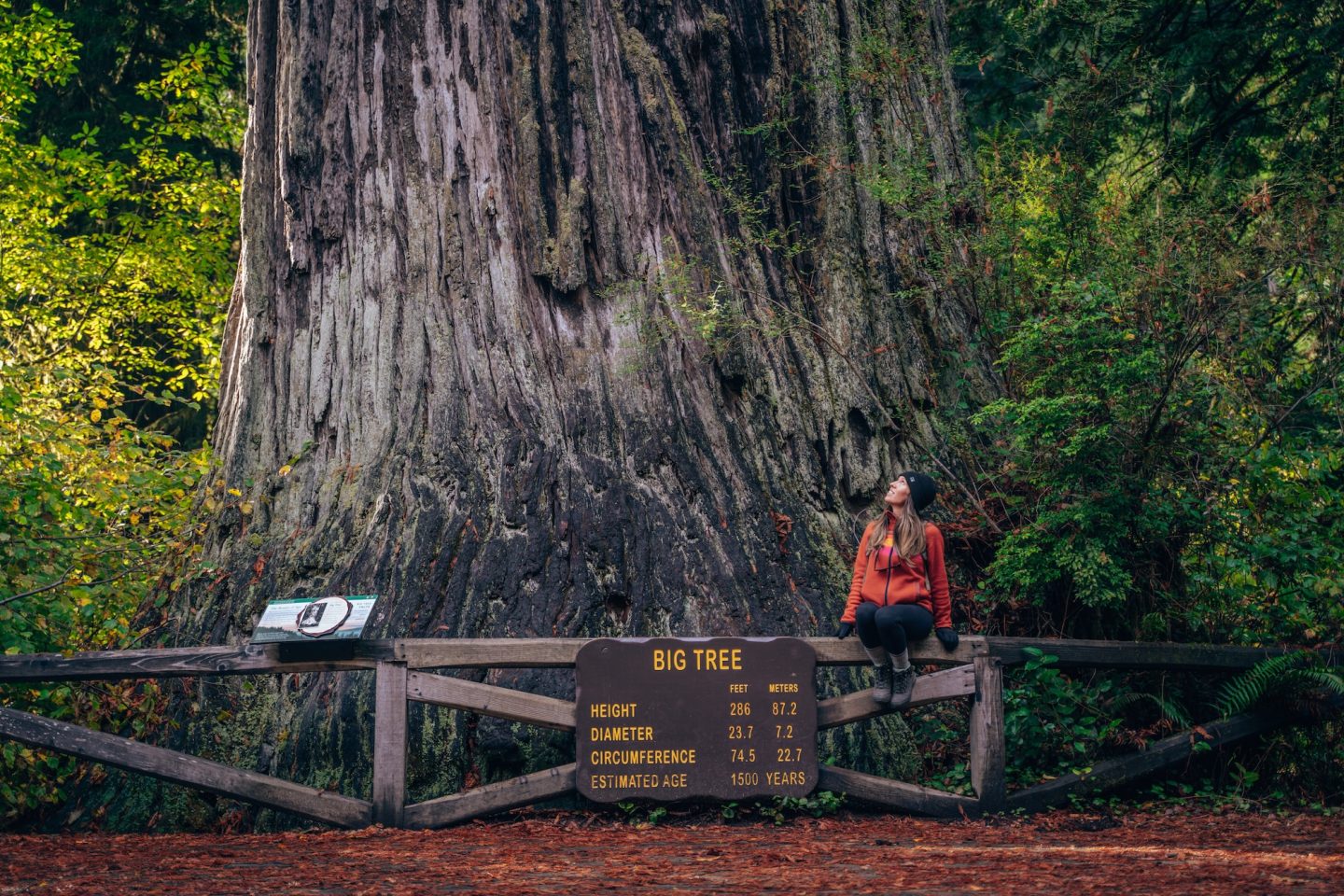
The primary draw of Redwood National Park is, of course, the opportunity to explore the ancient redwood forests. Hiking is paramount, with trails catering to all fitness levels. Easy, paved paths like the Lady Bird Johnson Grove Trail offer accessible introductions, while more challenging treks delve deeper into the wilderness. For a truly unique perspective, consider a scenic drive through the groves or even a guided tour.
Beyond hiking and scenic drives, opportunities abound for wildlife viewing. Keep an eye out for the majestic Roosevelt elk, especially in Prairie Creek Redwoods State Park. Birdwatching is excellent, and the coastal areas offer chances to spot marine life. Photography enthusiasts will find endless inspiration in the dramatic light filtering through the canopy and the grand scale of the trees.
For those interested in the history and natural heritage of the area, visitor centers within the park offer educational exhibits and ranger-led programs. These programs can range from guided walks focusing on the flora and fauna to talks about the park’s conservation efforts and history. Visiting the Thomas H. Kuchel Visitor Center near Orick or the Hiouchi Visitor Center near Crescent City are excellent starting points to gather information and orient yourself within the vast park system.
In conclusion, Redwood National Park is a treasure of California, a place where the ancient past is vividly present in the form of colossal trees. Its location along the northern coast, primarily in Del Norte and Humboldt Counties, makes it a destination for those seeking to connect with nature on a grand scale. By understanding its geographical context and the interconnectedness of its various units, visitors can better plan their journey to experience the unparalleled beauty and tranquility of this extraordinary natural landmark.