
The Salton Sea, a vast inland lake nestled in the heart of Southern California’s desert, is a place that often sparks curiosity. Its very existence is a testament to both natural forces and human intervention, creating a unique landscape that draws a specific kind of traveler. If you’re wondering about its geographical location, its story, and what makes it a noteworthy destination, then understanding the Salton Sea is an exploration into a fascinating corner of the Golden State.
The Geographical Heart of the Salton Sea
The Salton Sea is not a naturally formed lake in the traditional sense. Its origins are tied to a catastrophic engineering failure and subsequent efforts to manage water in the arid Imperial and Coachella Valleys.

A Man-Made Miracle (and Mishap)
The story of the Salton Sea begins in the early 20th century. The Colorado River, a vital lifeline for the region, was prone to flooding and drought. To harness its power and bring water to the parched desert lands for agriculture, the Imperial Irrigation District embarked on a massive project to construct the Imperial Canal. This ambitious undertaking, however, had an unforeseen consequence. In 1905, unprecedented rainfall and snowmelt caused the Colorado River to surge. The canal, designed for steady flow, was overwhelmed. The raging waters broke through its banks, diverting the entire flow of the Colorado River into the Salton Sink, a dry basin in the desert.
For two years, the river poured into the sink, creating an inland sea. Eventually, engineers managed to rerestore the river’s course, but the Salton Sea, a body of water over 30 miles long and 15 miles wide, remained. It became the largest lake in California, a surprising anomaly in the arid landscape. This accidental creation, initially seen as a potential boon for recreation and a source of freshwater, has since evolved into a complex ecological and environmental challenge.
Location and Its Significance
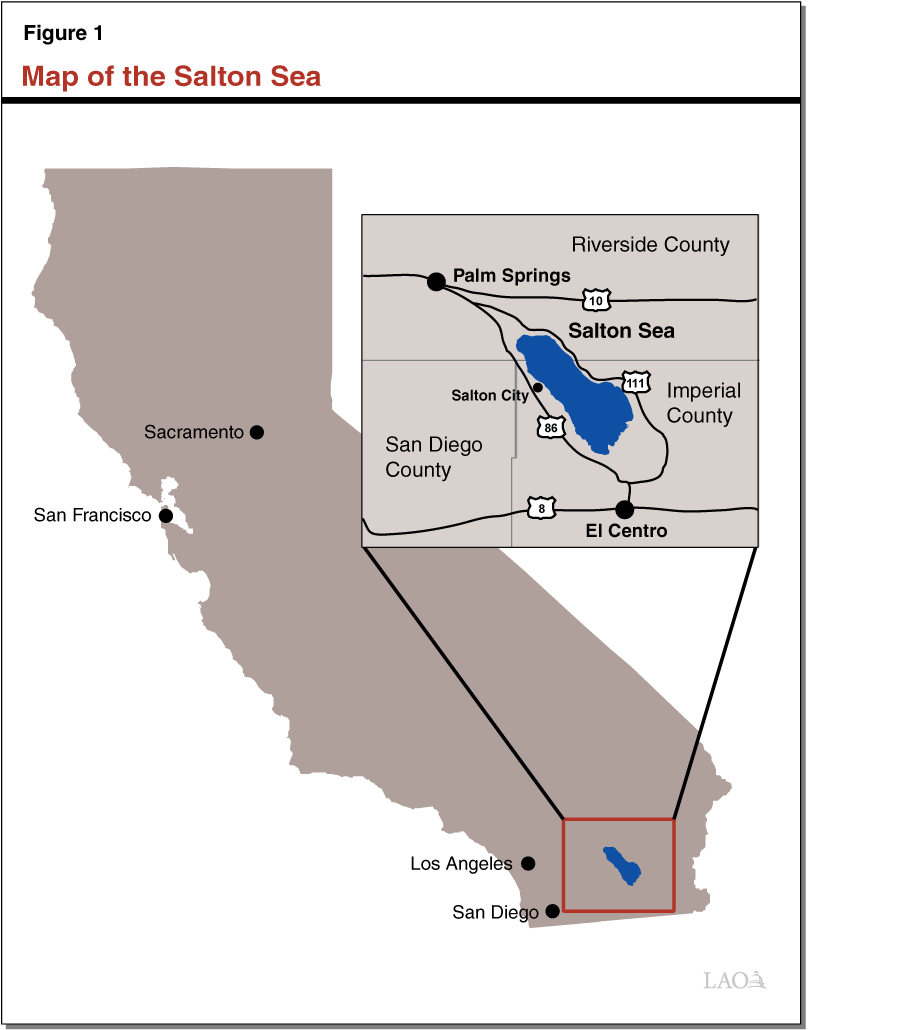
Geographically, the Salton Sea is situated in Riverside County and Imperial County, in southeastern California. It lies between the San Jacinto Mountains to the west and the Chocolate Mountains to the east. The closest major cities are Palm Springs to the northwest and El Centro to the south.
Its location in the Colorado Desert region makes it a stark contrast to the typical image of California. Instead of rolling hills and ocean vistas, you’ll find vast expanses of sand, rugged mountain ranges, and a unique, almost otherworldly, environment. The lake itself sits about 226 feet below sea level, making it the lowest point in California. This unique elevation influences its climate, contributing to higher temperatures and significant evaporation rates. The proximity to the Mexico border also adds another layer to its identity, influencing the demographics and cultural tapestry of the surrounding communities.
Exploring the Salton Sea: Attractions and Experiences
Despite its complex environmental situation, the Salton Sea offers a surprising array of experiences for those willing to venture off the beaten path. Its unique natural attributes and the resilient spirit of its local communities create a destination that is both intriguing and rewarding.
A Haven for Birdlife and Nature Lovers
One of the most significant aspects of the Salton Sea is its role as a crucial stopover point for migratory birds. The lake, despite its challenges, has become an important habitat for a staggering number of avian species. Birdwatchers flock to the area, especially during the migration seasons, to witness this incredible spectacle.
The Salton Sea National Wildlife Refuge on the southern end of the sea is a prime location for birdwatching. Here, you can spot pelicans, herons, egrets, sandpipers, and a variety of ducks and geese. The lake’s unique ecosystem, while facing environmental pressures, still supports a diverse range of plant and animal life, making it a fascinating natural laboratory.
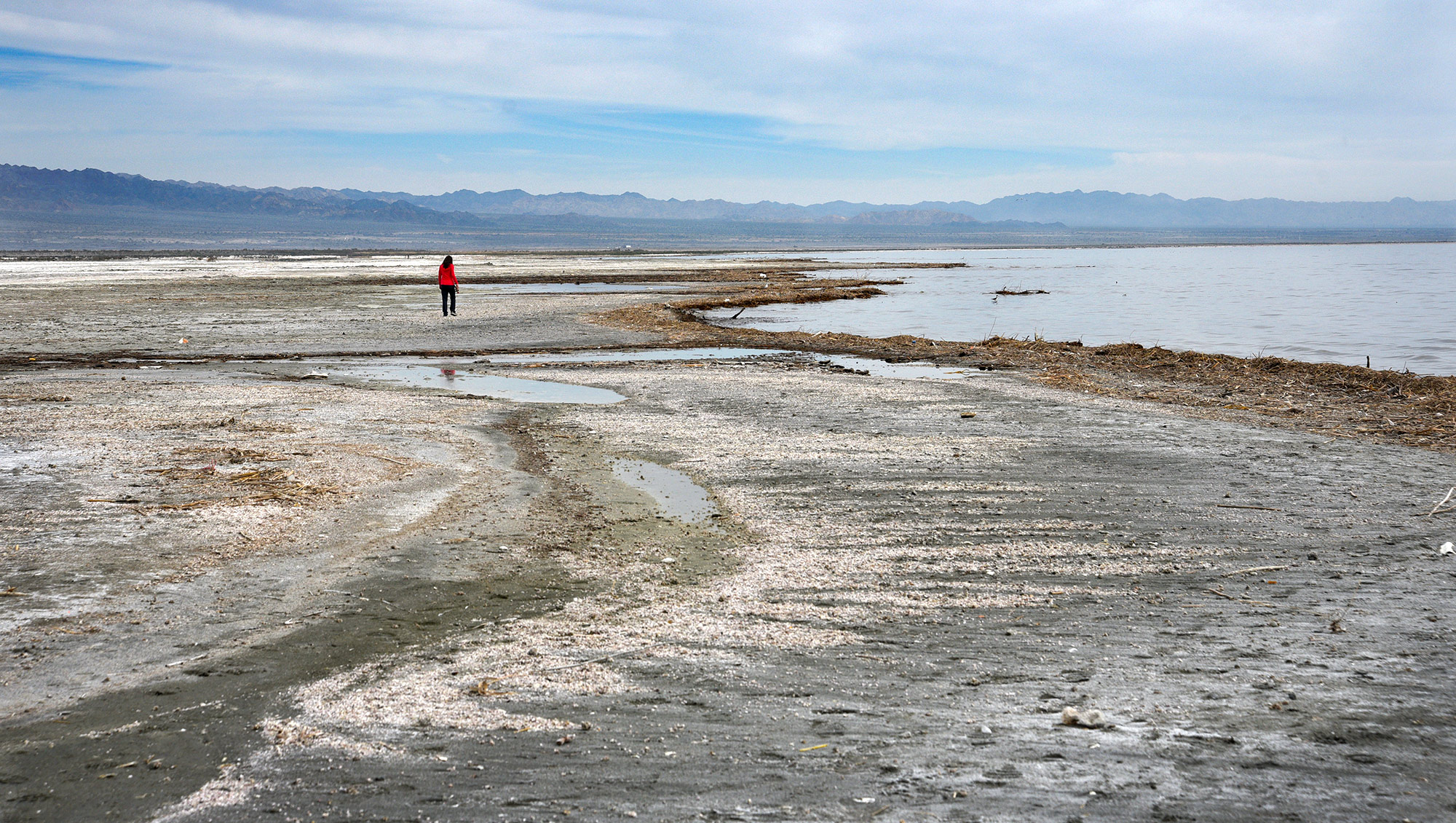
Beyond birdwatching, the surrounding desert landscape offers opportunities for hiking and exploring. The dramatic mountain ranges provide a stunning backdrop to the shimmering expanse of the sea. For those interested in geology, the volcanic formations and unique soil types tell a story of the region’s seismic activity and geological history.
Beaches, Boating, and Desert Vibes
In its earlier years, the Salton Sea was envisioned as a desert resort destination. Its vast shoreline, dotted with small communities, once boasted popular beaches and recreational facilities. While some of these have faded with time, the allure of a lakeside retreat in the desert still draws visitors.
Communities like Salton City, Bombay Beach, and Desert Shores offer glimpses into the area’s past and present. You can still find opportunities for boating, fishing, and watersports on the sea. The waters are known for their high salinity, which supports a unique fish population, including tilapia, making it a popular spot for anglers.
The overall lifestyle in these communities is distinct. There’s a laid-back, almost bohemian vibe, attracting artists and individuals seeking a slower pace of life. The stark beauty of the desert combined with the presence of the vast inland sea creates a unique aesthetic that has inspired many. Visitors often describe the area as having a “post-apocalyptic” charm, a blend of decay and resilience that is captivating.
Accommodation and Lifestyle Around the Salton Sea
The Salton Sea region offers a range of accommodation options, reflecting its unique position as a destination that caters to budget travelers, nature enthusiasts, and those seeking an unconventional lifestyle experience.
Where to Stay: From Basic to Boutique
When it comes to hotels and resorts, the Salton Sea region is not as developed as some of California’s more mainstream tourist destinations. However, you’ll find a spectrum of lodging.
In larger towns surrounding the sea, such as Indio or Coachella, you can find more traditional hotels and motels, offering standard amenities. For a more immersive experience, consider looking for apartments or villas in communities directly on or near the lake. These often provide a more local feel and can be ideal for longer stays, allowing you to truly embrace the lifestyle.
For those seeking a more curated experience, there are unique accommodations emerging, often reflecting the area’s artistic and bohemian spirit. Think of converted spaces or charming guesthouses that offer a taste of the local culture. While luxury resorts are rare, the focus here is often on authenticity and connection with the environment. Camping is also a popular option, especially for birdwatchers and those wanting to be close to nature. The simplicity of camping allows for a deep appreciation of the vast desert skies and the tranquil waters of the sea.
Embracing the Salton Sea Lifestyle
The Salton Sea lifestyle is one of resilience, creativity, and a deep connection to the natural environment. It attracts a diverse group of people, from artists and musicians to retirees and those seeking an affordable alternative to coastal California living.
Budget travel is a significant draw here. Accommodation and living costs are generally lower than in many other parts of California, making it an attractive option for those on a fixed income or looking to stretch their travel budget. The emphasis is on experiences over extravagance.
For family trips, the Salton Sea can offer a unique educational opportunity, particularly for understanding desert ecosystems and the impact of human activity on the environment. It’s a chance to disconnect from the hustle and bustle and reconnect with nature in a raw and unfiltered way.
While business stays might be less common, the region’s proximity to agricultural centers and growing renewable energy projects means there are occasional needs for professional accommodation. However, the primary appeal of the Salton Sea lies in its distinct lifestyle – one that embraces the quiet beauty of the desert, the abundance of wildlife, and the laid-back rhythm of life by an inland sea. It’s a place that encourages exploration, discovery, and a different perspective on what California has to offer.