
Los Angeles, a sprawling metropolis famed for its sunshine, entertainment industry, and diverse cultural landscape, holds many different facets within its vast urban fabric. Among its numerous neighborhoods and districts, one name often evokes a complex mix of curiosity, concern, and sometimes, trepidation: Skid Row. For travelers planning a visit to the city, or simply those seeking a deeper understanding of its intricate social geography, the question “Where is Skid Row Los Angeles?” is more than just a request for a geographical pinpoint. It’s an inquiry into the heart of a challenging urban reality, a historical marker, and a crucial piece of the larger Downtown Los Angeles narrative. This article aims to address that question comprehensively, offering insights into its location, historical context, social dynamics, and how it fits into the broader travel and tourism experience of Los Angeles.
Unveiling the Location: A Geographical and Historical Overview
To understand Skid Row, one must first place it accurately on the map of Los Angeles. It is not a sprawling, isolated area, but rather a concentrated district nestled within the vibrant and rapidly evolving landscape of Downtown Los Angeles, making its proximity to major attractions and transportation hubs a unique and often stark juxtaposition.
Pinpointing Skid Row on the Map of Los Angeles
Skid Row is situated in the eastern part of Downtown Los Angeles, often defined by a set of unofficial, yet widely recognized, boundaries. Generally, its roughly 50-block area is bordered by 3rd Street to the north, 7th Street to the south, Alameda Street to the east, and Main Street to the west. This places it directly adjacent to several other prominent and distinct Downtown LA neighborhoods.
To its east lies the thriving Arts District, a hub of galleries, trendy restaurants, and converted industrial lofts. To its north, you’ll find Little Tokyo, a historic and cultural center for the Japanese American community, bustling with shops, eateries, and museums. To the west, beyond Main Street, are the bustling commercial areas of the Historic Core and the financial skyscrapers of the Civic Center. The Fashion District borders its southern edge, a vibrant wholesale and retail hub. This geographical context highlights that Skid Row is not an isolated island but an integral, albeit challenging, part of a dynamic urban core.
A Brief History of the Name and Neighborhood
The term “skid row” itself has historical roots tracing back to the logging industry of the late 19th and early 20th centuries, referring to the path logs “skidded” down hills to a mill or river. These areas often became gathering points for transient workers, leading to the colloquial usage for urban neighborhoods frequented by the poor and homeless.
Los Angeles’ own Skid Row began to form in the late 19th and early 20th centuries as a result of several factors. The construction of the transcontinental railway made Los Angeles a significant terminus, attracting a large transient population, including migrant workers and those displaced by economic hardship. Many found temporary shelter in the inexpensive hotels and lodging houses that sprang up around the city’s rail yards and industrial zones, particularly in what is now Downtown LA.
Over decades, this area became a concentrated hub for social services, missions, and shelters, further attracting individuals experiencing homelessness, poverty, and addiction. The clustering of these services, while essential, also solidified the area’s identity as a distinct “skid row.” Unlike many cities where such areas have dispersed or been significantly redeveloped, Los Angeles’ Skid Row has remained remarkably concentrated, a testament to its long and complex history as a designated zone for the city’s most vulnerable populations. This historical trajectory is crucial for understanding its present-day characteristics and challenges.
Beyond the Stereotype: Understanding the Dynamics of Downtown LA
While the name “Skid Row” often conjures stark images, it’s vital for any visitor or resident to look beyond simplistic stereotypes and grasp the complex dynamics at play in this particular corner of Downtown Los Angeles. The area is not monolithic; it’s a place of immense human struggle, but also of dedicated service, community resilience, and ongoing efforts for change.
The Socio-Economic Landscape and Its Challenges
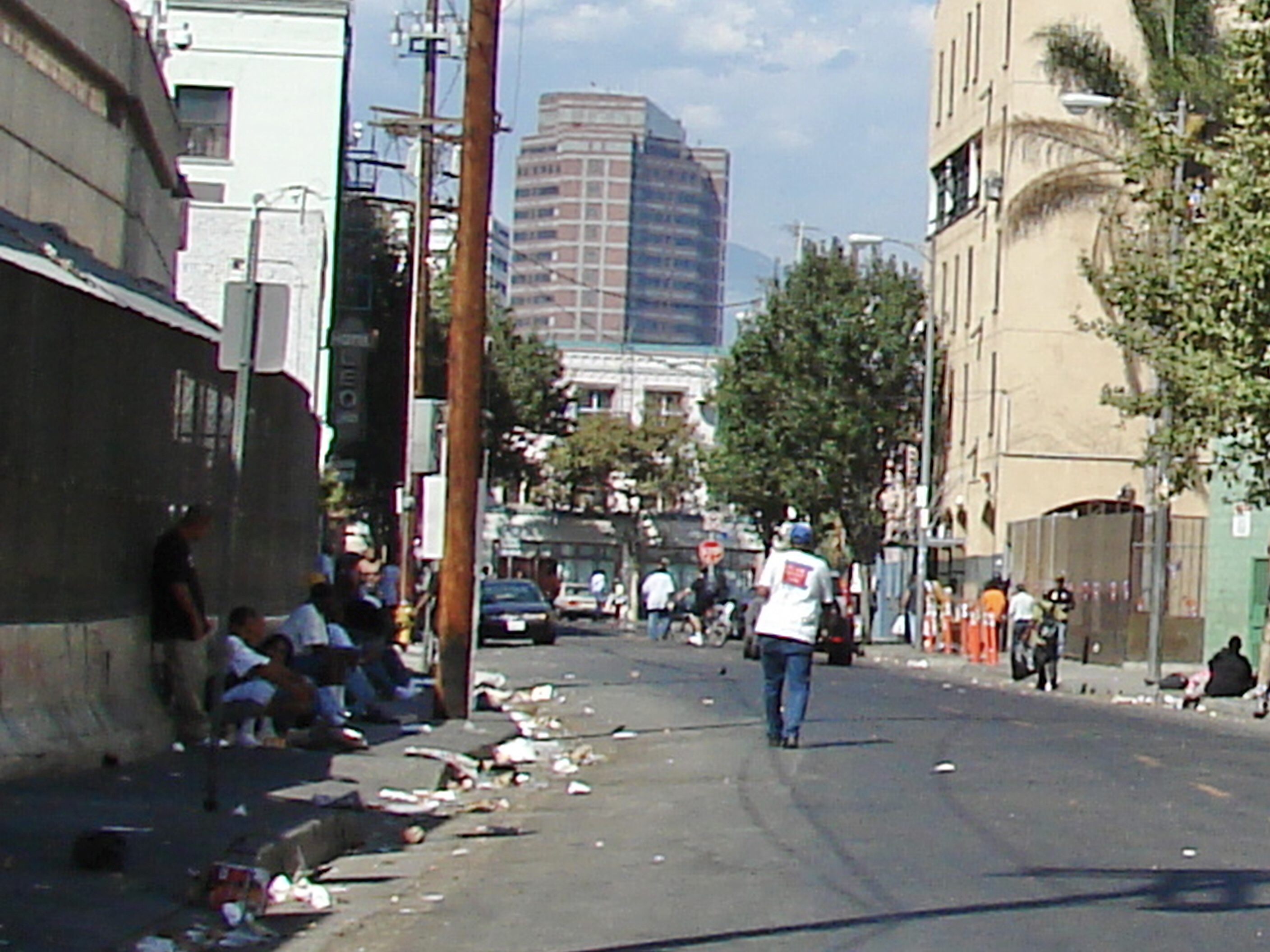
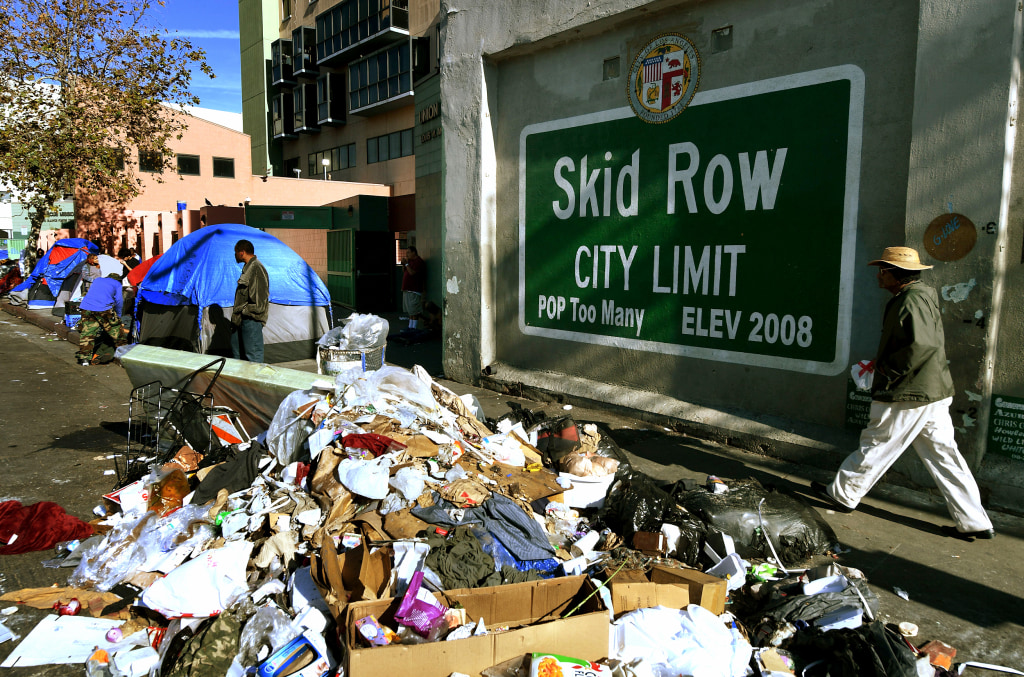
At its core, Skid Row is defined by its incredibly high concentration of people experiencing homelessness. Estimates suggest thousands live within its confines, making it one of the largest concentrations of unhoused individuals in the United States. This crisis is multifaceted, driven by factors such as lack of affordable housing, mental health issues, substance abuse, economic hardship, and systemic inequalities. The streets are often lined with makeshift encampments, and the daily struggle for survival is palpable.
For visitors, this can be an uncomfortable and often confronting reality. It serves as a stark reminder of the social challenges that persist even in a city known for its opulence and glamour. Understanding these underlying issues is key to approaching the area with respect and empathy, rather than just fear or judgment.
Community Efforts and Local Initiatives
Despite the immense challenges, Skid Row is also a focal point for an extraordinary array of social services and community-led initiatives. Numerous non-profit organizations, religious charities, and healthcare providers operate within the district, offering everything from food and shelter to medical care, mental health services, and job training programs. Organizations like the Midnight Mission, the Union Rescue Mission, and the Los Angeles Community Action Network (LACAN) have been long-standing pillars of support, working tirelessly to address the needs of the unhoused population and advocate for systemic change.
These efforts represent a vibrant, if often unseen, aspect of Skid Row. They highlight a community of dedicated individuals and organizations striving to make a difference, often against overwhelming odds. For those interested in understanding the depth of Los Angeles’s social conscience, engaging with the work of these groups can provide a profound insight.

Navigating the Area: Advice for Travelers and Tourists
For travelers, the question of Skid Row’s location is often tied to concerns about safety and how it might impact their overall Los Angeles experience. It’s important to approach this topic with a balanced perspective, acknowledging the realities while providing practical advice for navigating Downtown LA.
Proximity to Downtown Los Angeles Attractions and Amenities
One of the most striking aspects of Skid Row is its close proximity to some of Downtown Los Angeles’s most popular attractions, trendy dining spots, and cultural landmarks. Just a short walk or quick ride away, visitors can find themselves immersed in entirely different atmospheres.
- Cultural Hubs: The Walt Disney Concert Hall, home to the Los Angeles Philharmonic, and The Broad contemporary art museum are located on Bunker Hill, just a few minutes’ drive west.
- Historic and Culinary Delights: The bustling Grand Central Market, with its diverse food vendors, and the historic Bradbury Building are very close to Skid Row’s western edge, in the Historic Core.
- Entertainment and Views: Attractions like L.A. Live, the Crypto.com Arena, and the OUE Skyspace observation deck offer entertainment and panoramic city views, situated further west in Downtown LA.
- Vibrant Neighborhoods: The artistic energy of the Arts District and the rich heritage of Little Tokyo are directly adjacent to Skid Row, making it entirely possible to explore these areas without directly entering the core of Skid Row.
This proximity means that many tourists and business travelers will likely pass near or through areas that are adjacent to Skid Row during their visit to Downtown Los Angeles. Awareness of its location is therefore practical for navigation, not just for safety.
Safety and Awareness Tips for Visitors
For those exploring Downtown Los Angeles, particularly near the boundaries of Skid Row, it’s prudent to exercise general urban safety precautions.
- Stay Aware of Your Surroundings: As with any major city, particularly in dense urban areas, maintain awareness of your environment.
- Travel During Daylight Hours: While many areas of Downtown LA are bustling at night, it’s generally advisable to avoid walking through or near Skid Row after dark.
- Stick to Well-Trafficked Areas: When exploring adjacent neighborhoods like the Arts District or Little Tokyo, stay on main streets where there are more people, shops, and lighting.
- Use Ride-Sharing or Taxis: If you need to travel between distant points in Downtown LA, especially at night, using a ride-sharing service or taxi is recommended to bypass less familiar areas.
- Respectful Interaction: Should you encounter individuals experiencing homelessness, it is best to be respectful. Direct eye contact can sometimes be misinterpreted, so it’s often best to acknowledge but continue on your way. If you wish to help, consider donating to the reputable service organizations operating in the area rather than giving money directly on the street.
- Limit Distractions: Avoid walking with your face buried in your phone or with expensive items prominently displayed.
- Trust Your Instincts: If an area feels uncomfortable, it’s perfectly fine to turn around or take an alternate route.
By following these common-sense tips, visitors can safely enjoy the many attractions and unique experiences that Downtown Los Angeles has to offer, while being mindful of its diverse urban landscape.
Accommodation and Lifestyle Considerations Near Skid Row
When planning a trip to Los Angeles, accommodation is a key consideration. Many fantastic hotels and lodging options are available in Downtown LA, and understanding their location relative to Skid Row can help travelers make informed decisions based on their preferences and comfort levels.
Hotels and Lodging in the Broader Downtown LA Area
Downtown Los Angeles has undergone significant revitalization in recent decades, leading to a proliferation of excellent hotels, from luxurious high-rises to boutique offerings. These accommodations are generally located in areas well removed from the core of Skid Row.
- Luxury and Business Stays: Hotels like The Biltmore Los Angeles, the InterContinental Downtown Los Angeles, and the JW Marriott L.A. Live are typically situated further west in the Financial District, Bunker Hill, or near L.A. Live. These areas are vibrant, well-lit, and frequented by tourists and business professionals.
- Boutique and Lifestyle Hotels: The Historic Core and the Arts District also offer stylish boutique hotels and apartment-style accommodations, providing unique experiences with proximity to cultural attractions and dining. While the Arts District is adjacent to Skid Row geographically, the atmosphere and demographics shift noticeably across the main thoroughfares like Alameda Street or Central Avenue.
- Budget-Friendly Options: Even more budget-conscious hotels or hostels in Downtown LA are typically located in areas that cater to a general tourist or business clientele, rather than within the specific boundaries of Skid Row.
When booking accommodation, it’s always advisable to check the specific address and use a map to understand its exact location relative to surrounding neighborhoods. Most reputable booking sites will provide clear location details and traveler reviews, helping to ensure comfort and peace of mind during your stay.
Embracing Diverse Los Angeles Experiences
Understanding where Skid Row is located and its historical context allows travelers to make informed decisions about their Los Angeles itinerary and lifestyle choices during their trip.
- For Family Trips: Families traveling with young children might prefer to stay further away from the immediate vicinity of Skid Row to avoid potentially difficult encounters. Many family-friendly attractions in Los Angeles, such as Universal Studios Hollywood, the Santa Monica Pier, or Griffith Observatory, are located in different parts of the city, offering a wide array of choices.
- For Business Stays: Business travelers often choose Downtown LA for its proximity to financial centers, convention facilities, and corporate offices. Most business hotels cater to this clientele and are located in areas separate from Skid Row’s challenges.
- For Cultural Explorers and Budget Travelers: Those seeking a deeper, more authentic urban experience, or budget travelers looking for more affordable options, might find themselves closer to the edges of Skid Row. It’s an opportunity to engage with the city’s complex realities, perhaps even supporting local businesses in the adjacent revitalized areas or learning about the work of social service organizations.
Ultimately, Los Angeles offers a spectrum of experiences. Being aware of Skid Row’s location is about being a knowledgeable and responsible traveler, allowing you to navigate the city confidently and respectfully while enjoying all its wonders.
Exploring Nearby Landmarks and Attractions
While Skid Row itself is not a tourist attraction in the traditional sense, its unique positioning within Downtown Los Angeles means it is surrounded by a wealth of landmarks, cultural institutions, and vibrant districts worth exploring. Understanding this proximity can enhance a traveler’s itinerary, allowing for seamless transitions between diverse urban experiences.
Cultural Gems and Architectural Wonders
Downtown Los Angeles has experienced a renaissance, transforming into a cultural powerhouse with world-class museums, iconic architectural marvels, and thriving art scenes, many of which are just a stone’s throw from the Skid Row vicinity.
- The Broad and Walt Disney Concert Hall: Perched majestically on Bunker Hill, these two institutions are architectural masterpieces and cultural anchors. The Broad offers free admission to its impressive contemporary art collection, while the Walt Disney Concert Hall, designed by Frank Gehry, is renowned for its stunning metallic curves and exceptional acoustics.
- Grand Park and the Civic Center: Extending from the Music Center to City Hall, Grand Park offers a refreshing green space with fountains and public art, often hosting community events and performances. It’s an ideal spot for a leisurely stroll with views of the Downtown LA skyline.
- Bradbury Building: A true Los Angeles gem, this 1893 architectural masterpiece, located in the Historic Core near Grand Central Market, is famous for its intricate ironwork, open cage elevators, and sun-drenched central court. It’s a popular filming location and a must-see for architecture enthusiasts.
- Arts District: Immediately east of Skid Row, the Arts District has transformed from industrial warehouses into a vibrant community of art galleries, street murals, trendy cafes, and unique boutiques. It’s a fantastic area for a daytime exploration, offering a different artistic pulse than the traditional museum experience.
- Little Tokyo: North of Skid Row, Little Tokyo provides a rich cultural immersion into Japanese American heritage, with traditional shops, authentic restaurants, museums like the Japanese American National Museum, and the serene James Irvine Japanese Garden.
Culinary Adventures and Entertainment
Beyond the cultural sites, the areas surrounding Skid Row offer an incredible array of dining and entertainment options, reflecting the diverse flavors and dynamic energy of Los Angeles.
- Grand Central Market: An iconic Downtown LA landmark since 1917, Grand Central Market is a bustling open-air marketplace featuring an eclectic mix of food vendors, from gourmet tacos and ramen to artisanal cheeses and classic deli sandwiches. It’s a perfect spot for a casual and delicious meal.
- Restaurant Row in the Arts District: The Arts District boasts an impressive collection of critically acclaimed restaurants, breweries, and distilleries, offering everything from fine dining to casual gastropubs. This area is particularly lively in the evenings.
- Pershing Square: A historic public park that often hosts free concerts, film screenings, and a seasonal ice skating rink, Pershing Square provides a lively gathering spot in the heart of the Historic Core.
- L.A. Live and Crypto.com Arena: For sports and entertainment enthusiasts, L.A. Live is a massive entertainment complex featuring the Crypto.com Arena (home to the Lakers and Clippers), the Microsoft Theater, numerous restaurants, and a movie theater. It’s a prime destination for nightlife and major events.
- Fashion District Exploration: South of Skid Row, the Fashion District is a paradise for shoppers, offering wholesale and retail opportunities for clothing, accessories, and fabrics. It’s a vibrant, bustling area that provides a glimpse into the city’s garment industry.
By strategically planning your visit and utilizing the many transportation options available in Downtown LA (including the metro rail and bus system, as well as ride-sharing services), you can easily access these remarkable attractions while being mindful of Skid Row’s presence. Understanding its location is not about avoiding Downtown LA, but rather about navigating it with knowledge and respect, allowing you to fully appreciate the multifaceted character of this incredible city. From its challenging social landscapes to its glittering cultural institutions, Los Angeles truly offers a world of experiences.
LifeOutOfTheBox is a participant in the Amazon Services LLC Associates Program, an affiliate advertising program designed to provide a means for sites to earn advertising fees by advertising and linking to Amazon.com. Amazon, the Amazon logo, AmazonSupply, and the AmazonSupply logo are trademarks of Amazon.com, Inc. or its affiliates. As an Amazon Associate we earn affiliate commissions from qualifying purchases.