
SoHo, an acronym for “South of Houston Street,” is one of New York City’s most iconic and captivating neighborhoods. Nestled in Lower Manhattan, this district has evolved from an industrial hub to a global fashion capital, an artistic epicenter, and a premier destination for luxury travel and unique experiences. Its distinctive cast-iron architecture, cobblestone streets, and vibrant atmosphere draw millions of visitors annually, making it a must-see on any New York itinerary. For those planning a trip, understanding SoHo’s exact location and what makes it special is the first step toward uncovering its charm.
Unveiling SoHo: A Gem in Lower Manhattan
SoHo’s allure lies not only in its present-day vibrancy but also in its fascinating history and unique geographical position within the intricate tapestry of Manhattan. It’s a neighborhood that perfectly encapsulates the dynamic spirit of New York City, offering a blend of historical reverence and contemporary chic.
The Geographic Heart of Creativity
Geographically, SoHo is situated in Lower Manhattan, bordered by several other notable neighborhoods that contribute to its diverse surroundings. Its boundaries are generally defined as Houston Street to the north, Canal Street to the south, Lafayette Street and Crosby Street to the east, and Sixth Avenue (or sometimes extending to Hudson Street) to the west. This strategic location places it at the crossroads of some of New York’s most exciting districts, making it an ideal base for exploration.
To its north, NoHo (North of Houston Street) and Greenwich Village offer a bohemian contrast with their historic brownstones, lively music venues, and iconic Washington Square Park, home to New York University. To the east, you’ll find the bustling culinary and cultural scenes of Little Italy and Chinatown, offering a sensory explosion of authentic cuisines and vibrant street life. To the west lies Tribeca (Triangle Below Canal Street), known for its industrial-chic aesthetic, upscale dining, and celebrity residents. Further south, the Financial District stands with its towering skyscrapers and historic landmarks like Wall Street.

This central positioning means that visitors staying in SoHo are never far from major New York City attractions and can easily navigate the city via its extensive subway system. The neighborhood itself is a highly walkable area, with most of its charm best discovered on foot, allowing travelers to fully immerse themselves in its unique ambiance. The occasional cobblestone street, though a challenge for heels, adds to the old-world charm, contrasting beautifully with the modern boutiques and art galleries.
From Industry to Icon: A Brief History of SoHo
The story of SoHo is a quintessential New York City tale of reinvention and resilience. In the 19th century, the area was a bustling industrial zone, particularly known for textile manufacturing. This period gave birth to its most defining architectural feature: the magnificent cast-iron buildings. These structures, built between 1840 and 1890, utilized cast iron to create elaborate, decorative facades that mimicked more expensive stone masonry, allowing for large windows and open interior spaces ideal for factories and warehouses.
However, by the mid-20th century, as manufacturing shifted elsewhere, SoHo faced a period of decline. Many of its grand buildings lay vacant or underutilized, leading to significantly cheaper rents. This economic downturn, paradoxically, paved the way for its artistic renaissance. In the 1960s and 70s, artists, seeking affordable and spacious studios, began to move into these sprawling industrial lofts. They transformed the empty warehouses into living and working spaces, creating a vibrant, avant-garde art scene that quickly gained international recognition. This influx of creative energy established SoHo as a bohemian haven, a counter-culture mecca where groundbreaking art was created and exhibited.

The cultural significance of SoHo during this era was immense, leading to the establishment of the SoHo Cast Iron Historic District in 1973, a landmark designation that protected its unique architectural heritage. As the neighborhood’s reputation grew, so did its desirability. What began as an artists’ squat slowly transformed through gentrification into the upscale, fashionable district it is today. While many artists were eventually priced out, their legacy remains in the numerous galleries and the enduring creative spirit that permeates the area. Today, SoHo stands as a testament to adaptive reuse, where historic architecture houses world-class shopping, dining, and luxury accommodations, offering a fascinating glimpse into New York’s multifaceted past and present.
Experiencing SoHo: What to See and Do
SoHo is more than just a place on a map; it’s an experience. A vibrant tapestry woven with art, fashion, food, and culture, it offers an array of attractions and activities that cater to every type of traveler. From its iconic architecture to its bustling boutiques and diverse culinary landscape, SoHo invites visitors to explore, indulge, and be inspired.
Architectural Wonders and Art Galleries
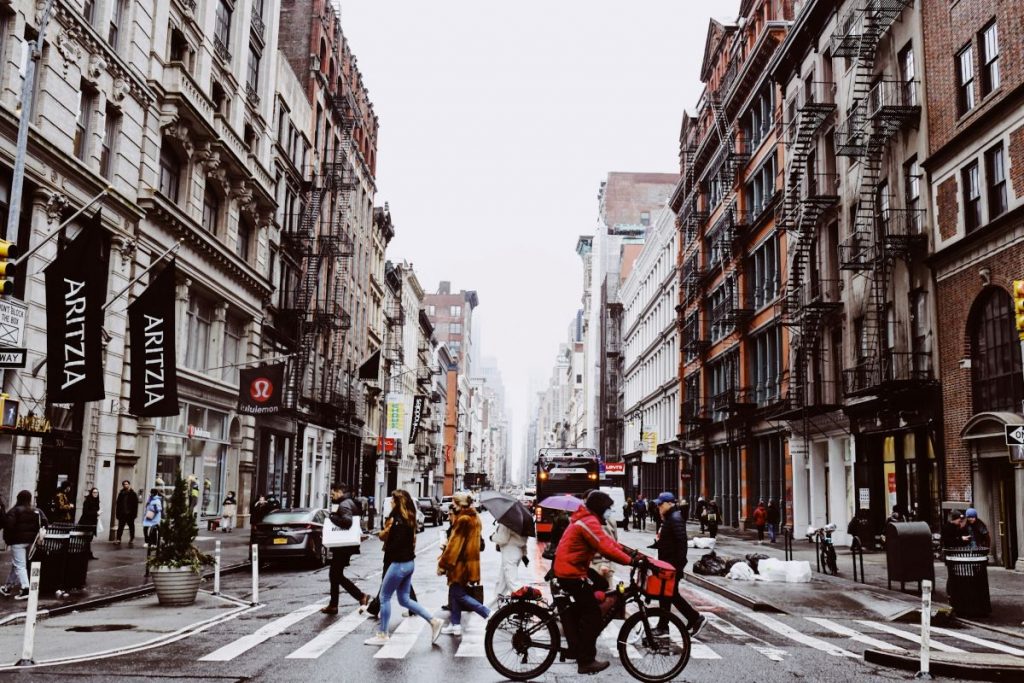
One of SoHo’s most distinguishing features is its unparalleled collection of cast-iron architecture. Walking through the SoHo Cast Iron Historic District feels like stepping back in time, with entire blocks lined with these magnificent 19th-century buildings. Their ornate facades, often featuring classical columns, intricate patterns, and grand windows, are a photographer’s dream. Streets like Greene Street and Mercer Street are particularly renowned for showcasing some of the finest examples, making architectural tours a popular activity for history buffs and design enthusiasts alike. These buildings, originally constructed as factories and warehouses, now house high-end fashion boutiques, art galleries, and upscale residential lofts, blending historical charm with modern functionality.
While the avant-garde artist scene of the 1970s has largely moved to other, more affordable parts of the city, SoHo still maintains a strong connection to the art world. Numerous art galleries, though now often more commercially oriented, dot the neighborhood. You’ll find a mix of established galleries showcasing contemporary art, pop-up exhibitions, and photography studios. Exploring these galleries offers a diverse range of artistic expressions, from emerging artists to renowned masters. The streets themselves often serve as an open-air gallery, with vibrant street art and installations adding to the neighborhood’s creative pulse. It’s a place where art is not just confined to white walls but spills out onto the sidewalks, making every stroll an immersive cultural experience.
A Shopper’s Paradise
SoHo is globally recognized as a premier shopping destination, a veritable paradise for fashionistas and luxury shoppers. It’s where high fashion meets indie cool, offering an incredibly diverse retail landscape. Along Broadway, you’ll find flagship stores of major international brands like Adidas and Zara, alongside popular retailers and chain stores. However, the true essence of SoHo shopping lies within its charming side streets, such as Prince Street, Spring Street, and West Broadway.
Here, you’ll discover an exquisite collection of luxury boutiques from renowned designers like Chanel, Prada, and Louis Vuitton, each housed within beautifully preserved historic buildings. Beyond the high-end labels, SoHo also excels in offering unique, independent boutiques, concept stores, and showrooms featuring up-and-coming designers. Shoppers can find everything from avant-garde fashion and artisanal jewelry to bespoke home goods and rare vintage finds. The curated selection and personalized shopping experiences make SoHo an exceptional destination for those seeking something beyond the ordinary. It’s not just about buying; it’s about discovering new trends, indulging in quality craftsmanship, and soaking in the energetic atmosphere of one of the world’s most stylish neighborhoods.
Culinary Delights: Dining in SoHo
The culinary scene in SoHo is as diverse and exciting as its retail offerings, making it a dream destination for foodies. The neighborhood boasts an impressive array of dining options, ranging from Michelin-starred fine dining establishments to trendy cafes, bustling bistros, and casual eateries. Whether you’re craving an elaborate gourmet meal or a quick, delicious bite, SoHo delivers.
The variety of cuisines is extensive, reflecting New York City’s multicultural fabric. You can find authentic Italian trattorias, elegant French brasseries, innovative American farm-to-table restaurants, and a plethora of fusion eateries that push culinary boundaries. Many restaurants feature stylish interiors, often incorporating elements of the neighborhood’s industrial past, with exposed brick and high ceilings adding to the chic ambiance. Brunch is a particularly popular affair in SoHo, with many spots offering creative menus and vibrant atmospheres perfect for a leisurely weekend meal. Beyond formal dining, SoHo is also home to charming bakeries, artisanal coffee shops, and gourmet food markets, perfect for a quick snack or a specialty treat. Exploring the food scene here is an integral part of the local culture experience, allowing visitors to savor flavors from around the globe in a sophisticated urban setting.
Nightlife and Entertainment
As the sun sets, SoHo transforms, offering a sophisticated nightlife experience that complements its daytime elegance. While it may not be known for the thumping club scene of other New York neighborhoods, SoHo excels in providing upscale bars, intimate cocktail lounges, and chic wine bars perfect for an evening out. Many of these establishments are tucked away in historic buildings or atop boutique hotels, offering stunning views and expertly crafted drinks.
The focus here is on quality over quantity, with mixologists creating innovative cocktails in stylish, often dimly lit, settings. It’s the ideal place for a relaxed evening drink, a romantic date, or a sophisticated gathering with friends. Some venues might offer live music, usually in a more mellow, jazz or acoustic style, enhancing the refined atmosphere. While traditional entertainment venues like large theaters are less common, the overall ambiance of SoHo’s nightlife is one of understated glamour and chic relaxation, making it a perfect end to a day of exploration and indulgence.
Staying in Style: SoHo Accommodation Guide
For travelers seeking a blend of luxury, convenience, and immersive cultural experience, staying in SoHo is an unparalleled choice. The neighborhood’s accommodation options reflect its upscale character, primarily featuring boutique hotels that are destinations in themselves. These establishments are renowned for their unique design, exceptional service, and prime locations, putting guests at the heart of New York’s most fashionable district.
Luxury Hotels and Boutique Stays
SoHo is home to some of New York City’s most celebrated luxury and boutique hotels, each offering a distinctive personality and an array of premium amenities. These hotels are often housed in beautifully renovated historic buildings, combining original architectural elements with contemporary design and cutting-edge comforts, providing a unique backdrop for a truly memorable stay.
- The Mercer Hotel: Often considered the epitome of SoHo chic, The Mercer Hotel is a legendary establishment known for its loft-style rooms, understated luxury, and a reputation as a celebrity haunt. Located on a quiet cobblestone street, it offers an exclusive, residential feel, complete with impeccable service and a renowned restaurant, The Mercer Kitchen. Its design embodies sophisticated minimalism, providing a tranquil oasis amidst the urban buzz.
- Soho Grand Hotel: This hotel defines industrial-chic luxury, paying homage to SoHo’s manufacturing past with its elegant cast-iron facade and loft-inspired interiors. Soho Grand Hotel is celebrated for its stylish public spaces, vibrant bars (like the Grand Bar & Lounge), and luxurious rooms that blend comfort with edgy design. It’s also notably pet-friendly, making it a popular choice for travelers with furry companions.
- Crosby Street Hotel: Part of the esteemed Firmdale Hotels group, Crosby Street Hotel is a vibrant and whimsical sanctuary. Each of its 86 rooms and suites is individually designed by Kit Kemp, known for her bold use of color and texture. The hotel boasts a sculpture garden, a private screening room, and a popular bar and restaurant, The Crosby Bar, offering a lively yet sophisticated atmosphere. Its charming design and artistic flair make it a favorite for those seeking a truly unique boutique hotel experience.
- SIXTY SoHo: Offering sleek, modern design and a trendy rooftop pool and bar (A60), SIXTY SoHo is a popular choice for travelers looking for a vibrant, contemporary stay. Its rooms provide stylish comfort and often offer impressive city views, while its prime location puts guests right in the heart of SoHo’s action. The hotel embodies a chic, urban lifestyle, making it appealing for both leisure and business stays.
These hotels provide more than just a place to sleep; they offer immersive experiences with their curated art collections, designer furnishings, and bespoke services. Many feature spacious suites, state-of-the-art fitness centers, exquisite dining options, and concierge services that cater to every whim, enhancing the overall luxury travel experience.
Practical Accommodation Tips
When planning your accommodation in SoHo, a few practical tips can ensure a seamless and enjoyable trip:
- Book in Advance: SoHo is a highly sought-after area, especially during peak seasons (spring, fall, holidays, fashion weeks). Booking your hotel well in advance is crucial to secure your preferred choice and potentially better rates. Utilizing comparison sites and reading recent reviews can help in making an informed decision.
- Budget Considerations: While SoHo is synonymous with luxury, it’s possible to find value. Consider traveling during off-peak times or looking for promotions. For those on a stricter budget travel plan, exploring options in neighboring areas like the Lower East Side or East Village, which are just a short subway ride away, might be beneficial. However, for a truly immersive SoHo experience, the investment in staying within the district is often worthwhile.
- Location and Accessibility: All hotels in SoHo benefit from excellent public transportation access. Numerous subway lines (including the A, C, E, 1, N, Q, R, W, and 6 trains) serve the area, making it easy to reach any part of New York City. When choosing a hotel, consider its proximity to specific subway stations if you plan to explore extensively. The neighborhood’s walkability is also a major plus, allowing guests to step out and immediately be amidst world-class shopping, dining, and art galleries.
- Amenities and Services: Given the premium nature of SoHo hotels, pay attention to the amenities offered. From rooftop bars with city views to in-house spas and fine dining restaurants, these features can significantly enhance your stay. If traveling for a specific purpose, such as a business stay or a family trip, ensure the hotel provides suitable services like meeting rooms or family-friendly options.
Staying in SoHo offers the unique privilege of experiencing New York City’s dynamic pulse from an incredibly stylish and central vantage point. It’s an investment in an experience that blends historic charm with contemporary luxury, leaving visitors with unforgettable memories of their Manhattan adventure.
Beyond the Boundaries: SoHo’s Broader Appeal
SoHo’s magnetic pull extends beyond its immediate streets, influencing and inspiring visitors from all walks of life. Its blend of accessibility, diverse offerings, and enduring charm makes it a compelling destination for a wide range of travelers, solidifying its status as a must-visit district in New York City.
Navigating SoHo: Transportation and Walkability
One of SoHo’s greatest assets, especially for tourists, is its exceptional connectivity and inherent walkability. The neighborhood is incredibly well-served by New York City’s subway system, providing effortless access to virtually every other part of Manhattan and beyond. Key subway lines running through or bordering SoHo include the A, C, E (along Sixth Avenue), the N, Q, R, W (along Broadway), the 1 (along Varick Street), and the 6 (along Lafayette Street). This means that whether you’re heading uptown to see Central Park or downtown to visit the Statue of Liberty, getting there from SoHo is a breeze.
However, the best way to experience SoHo itself is undoubtedly on foot. The compact grid of streets, adorned with their signature cast-iron buildings and often charming cobblestone sections, is designed for leisurely exploration. Strolling along Greene Street, Mercer Street, and West Broadway allows visitors to fully appreciate the architectural details, discover hidden boutiques, and soak in the vibrant street life. While taxis and ride-shares are readily available, walking truly immerses you in the local culture and reveals the neighborhood’s unique character at every turn. Bicycle rentals are also an option for those wishing to explore at a faster pace, especially along the Hudson River Greenway, which is easily accessible from SoHo’s western edge.
SoHo for Every Traveler: Budget to Luxury
Despite its reputation as a luxury destination, SoHo offers experiences that can appeal to a wide spectrum of travelers, from the most affluent to those minding their budget travel.
- Luxury Travelers: For those seeking unparalleled indulgence, SoHo presents a curated world of high-end fashion, Michelin-starred dining, and exquisite boutique hotels offering bespoke services. It’s the ideal setting for luxury travel where every detail, from designer shopping bags to gourmet meals, contributes to an exclusive lifestyle experience.
- Art and Culture Enthusiasts: Beyond the commercial galleries, SoHo’s history as an artists’ haven provides a rich backdrop for those interested in architecture, urban development, and the evolution of the art scene. Free walking guides or self-guided tours focusing on the SoHo Cast Iron Historic District offer fascinating insights without a hefty price tag. Many smaller galleries also offer free admission.
- Foodies: While fine dining abounds, SoHo also offers a plethora of casual eateries, vibrant cafes, and food trucks that provide delicious and more affordable options. Exploring different cuisines and enjoying local delights can be a rewarding experience for any food lover, regardless of budget.
- Shoppers: Even if high-end boutiques are out of reach, window shopping in SoHo is an experience in itself. The neighborhood is a fashion show on its own, offering inspiration and a glimpse into global trends. Interspersed among the luxury brands are more accessible retailers and unique specialty stores, ensuring there’s something for every budget.
- Family Trips and Business Stays: While perhaps not the first choice for extensive family trips (due to less overt kid-centric attractions), SoHo’s central location and excellent amenities in its hotels make it suitable for families seeking an upscale urban experience. For business stays, its sophisticated hotels, fine dining, and proximity to other business districts in Lower Manhattan offer a perfect blend of convenience and class.
Best Times to Visit
The best time to visit SoHo, much like the rest of New York City, largely depends on personal preferences regarding weather and crowd levels.
- Spring (April to June) and Fall (September to November): These seasons are arguably the most pleasant. The weather is mild, perfect for walking the streets and enjoying outdoor cafes. The neighborhood is vibrant with life, and the light is beautiful for photography. However, these are also peak tourist seasons, so expect larger crowds and higher accommodation prices.
- Summer (July to August): Summers in New York can be hot and humid, but SoHo remains lively. Many outdoor events and rooftop bars are in full swing. If you don’t mind the heat, you might find slightly fewer crowds and better deals on hotels during this period.
- Winter (December to March): The colder months, especially around the holidays, bring a festive charm to the city, including SoHo. Holiday decorations and special events add a magical touch. January and February can be very cold, with potential for snow, but also offer the fewest crowds and best hotel rates, appealing to those seeking a quieter, potentially more budget-friendly visit.
Regardless of when you choose to explore, SoHo promises a captivating blend of history, style, and urban energy, making it an unforgettable destination in the heart of New York City.
LifeOutOfTheBox is a participant in the Amazon Services LLC Associates Program, an affiliate advertising program designed to provide a means for sites to earn advertising fees by advertising and linking to Amazon.com. Amazon, the Amazon logo, AmazonSupply, and the AmazonSupply logo are trademarks of Amazon.com, Inc. or its affiliates. As an Amazon Associate we earn affiliate commissions from qualifying purchases.