
Texas A&M University, a name synonymous with tradition, innovation, and a fervent sense of community, is one of the largest and most prestigious public universities in the United States. For prospective students, visiting alumni, or simply curious travelers, understanding its geographical footprint is the first step toward appreciating its vast influence. The flagship campus of Texas A&M University is strategically nestled in College Station, Texas, a vibrant city in the heart of the Brazos Valley. However, the university’s reach extends far beyond this central location, encompassing specialized campuses and international partnerships that underscore its global impact.
This guide will delve into the primary location of Texas A&M University, explore the surrounding area, detail what visitors can expect, and touch upon its significant satellite campuses. Whether you’re planning a visit, considering enrollment, or simply intrigued by one of Texas’s most iconic institutions, this comprehensive overview will provide all the essential information regarding its where, why, and what to see.
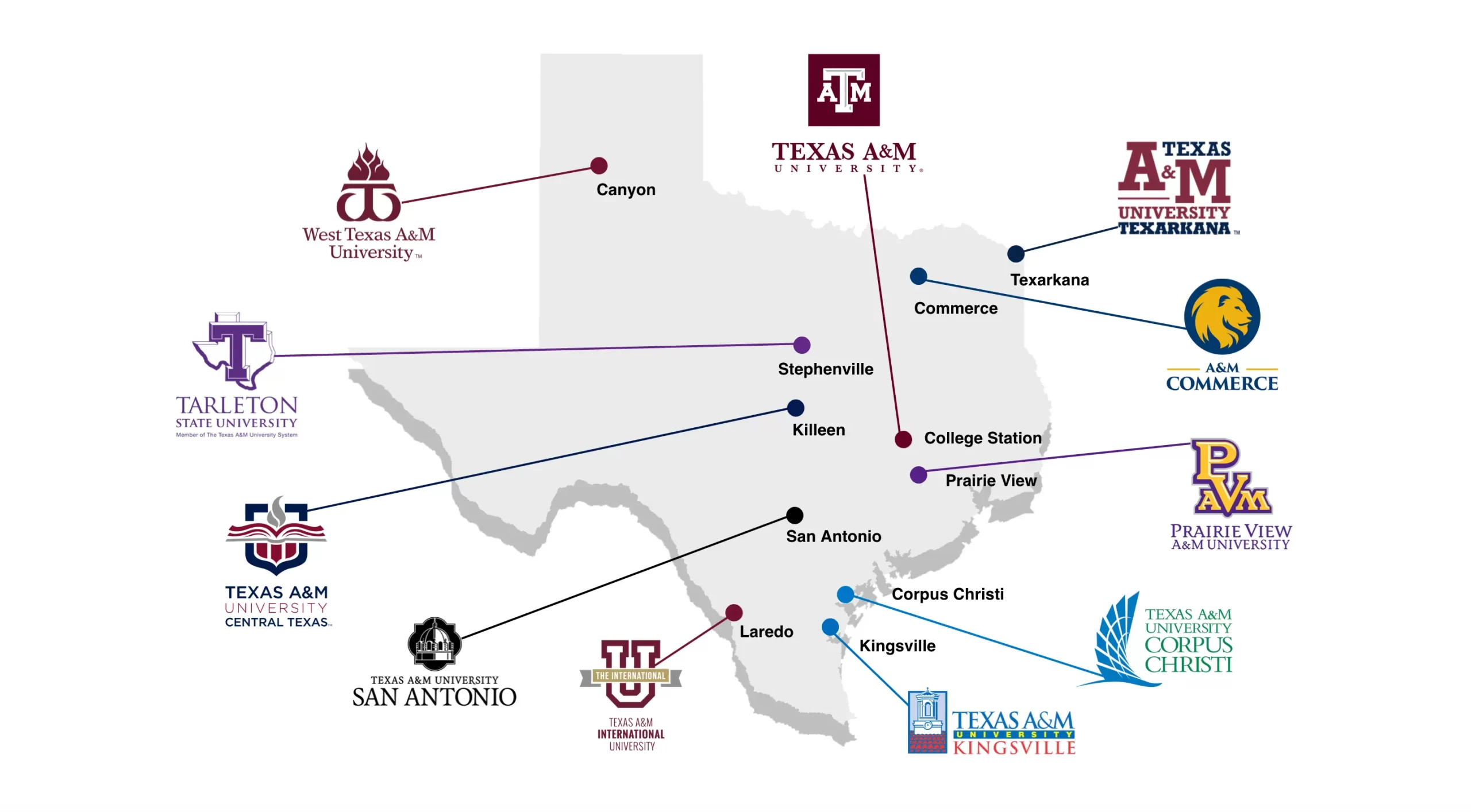
The Heart of Aggieland: College Station, Texas
The main campus of Texas A&M University proudly calls College Station, Texas its home. This dynamic city, along with its sister city Bryan, Texas, forms the core of the Brazos Valley metropolitan area. The university’s presence is not just a part of College Station, but rather, it is College Station. The city’s identity, economy, and rhythm are intrinsically linked to the university, creating a unique atmosphere that blends academic rigor with spirited Southern charm.
A Dynamic University Town
College Station is more than just a place on a map; it’s a flourishing urban center driven by the energy of its student population and the innovation fostered by the university. The city boasts a youthful demographic, diverse culinary scene, burgeoning arts community, and robust infrastructure designed to support a thriving academic environment. From game-day traditions that electrify Kyle Field to cutting-edge research happening within campus labs, College Station provides a vibrant backdrop for the Aggie Lifestyle.
The city has grown significantly over the decades, evolving from a small agricultural town into a major economic and cultural hub in Central Texas. It offers all the amenities of a larger city while retaining a welcoming, small-town feel, especially during non-game weekends. For anyone planning to visit Texas A&M, exploring College Station is an integral part of the experience, offering insights into the broader context of university life and the local community.
Geographic Context and Accessibility
College Station is geographically well-positioned within Texas, making it accessible from several major metropolitan areas. It lies approximately:
- 100 miles northwest of Houston
- 100 miles east of Austin
- 170 miles south of Dallas
- 170 miles northeast of San Antonio
This central location means that a trip to Texas A&M University can be easily integrated into a broader Texas itinerary. For air travel, Easterwood Airport (CLL)) is conveniently located adjacent to the campus, offering regional flights and connections to major hubs like Houston’s George Bush Intercontinental Airport (IAH) and Dallas/Fort Worth International Airport (DFW)). For those driving, major highways provide straightforward routes, making road trips a popular option for many visitors.
Navigating the Flagship Campus: Texas A&M University
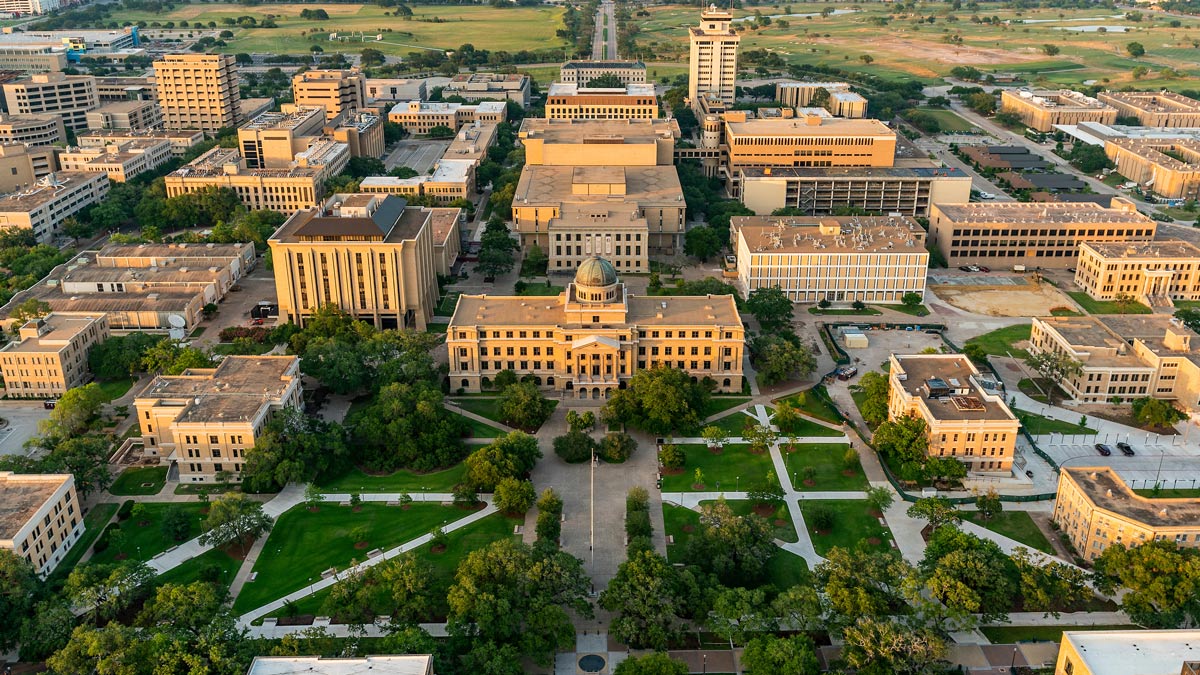
The main campus of Texas A&M University is a sprawling testament to its rich history and forward-thinking vision. With over 5,200 acres, it’s one of the largest university campuses in the United States, offering a mix of historic architecture, modern facilities, expansive green spaces, and state-of-the-art research complexes. Navigating the campus can be an adventure in itself, revealing the many facets of Aggie traditions and academic excellence.
Key Areas and Landmarks
The campus is rich with iconic landmarks that tell the story of Texas A&M’s legacy:
- Kyle Field: The legendary home of the Aggie football team, Kyle Field is one of the largest stadiums in the nation and a focal point for the renowned Aggie spirit. Visiting on a game day is an unforgettable experience.
- George Bush Presidential Library and Museum: Situated on the campus, this significant institution serves as a tribute to the life and career of George H.W. Bush, the 41st U.S. President. It’s a must-visit for history buffs and offers insightful exhibits.
- Bonfire Memorial: A poignant and reflective space, the Bonfire Memorial honors the 12 Aggies who lost their lives in the 1999 Bonfire collapse. It’s a place of quiet contemplation and respect, reflecting the profound bonds within the Aggie community.
- Academic Plaza and the Century Tree: The heart of the older campus, featuring historic buildings and the majestic Century Tree, a revered symbol believed to bestow good luck and lasting love upon those who walk beneath its branches.
- Cushing Memorial Library and Archives: Home to unique collections, including rare books, historical documents, and the renowned Science Fiction & Fantasy Research Collection.
Walking tours, both guided and self-guided, are excellent ways to explore these landmarks and grasp the campus’s unique blend of tradition and modernity.
A Hub of Innovation and Community
Beyond its physical structures, the College Station campus is a vibrant intellectual hub. It’s home to numerous colleges, research centers, and institutes dedicated to advancing knowledge in fields ranging from engineering and agriculture to veterinary medicine and oceanography. The university’s emphasis on research and its status as a Tier One institution attract top-tier faculty and students from around the world.
The campus fosters a strong sense of pride and belonging, famously known as the “Aggie Spirit.” This spirit is manifested in deep-rooted traditions like Aggie Ring Day, Muster, and First Yell, which are not just ceremonies but profound expressions of a shared identity and commitment. These traditions create an unparalleled collegiate experience and contribute significantly to the university’s distinct lifestyle.
Exploring the Brazos Valley: Beyond Campus Boundaries
While Texas A&M University is the undeniable centerpiece of the region, the surrounding Brazos Valley offers a wealth of additional attractions and experiences for visitors. The area provides a pleasant complement to the university atmosphere, with its own unique flavor of Texas hospitality, cultural offerings, and natural beauty.
Bryan, Texas and the Sister Cities
Adjacent to College Station, Bryan, Texas adds another dimension to the regional lifestyle. Often referred to as the “sister city,” Bryan boasts a charming and revitalized Historic Downtown Bryan area. This district is known for its historic architecture, unique boutiques, art galleries, live music venues like the Grand Stafford Theater, and a growing number of acclaimed restaurants and bars. It provides a different pace and aesthetic compared to the more campus-centric vibe of College Station. Exploring Downtown Bryan is a great way to experience the broader local culture of the Brazos Valley.
Local Culture, Attractions, and Experiences
Beyond the academic and historic aspects, the Brazos Valley offers diverse attractions and experiences that cater to various interests:
- Wineries and Breweries: The region is home to several award-winning wineries, including the renowned Messina Hof Winery & Resort, offering tours, tastings, and often accommodations. Craft breweries have also emerged, adding to the vibrant local scene.
- Museums: In addition to the Bush Presidential Library, visitors can explore the Brazos Valley Museum of Natural History and the Children’s Museum of the Brazos Valley, providing educational and engaging activities for all ages.
- Arts and Entertainment: The Brazos Valley supports a thriving arts scene, with performances by the Symphony Orchestra Brazos Valley, numerous art galleries, and various live music venues, particularly in Bryan’s downtown area.
- Outdoor Activities: Parks, trails, and nearby lakes offer opportunities for hiking, biking, fishing, and boating, allowing visitors to enjoy the natural beauty of Central Texas.
These offerings make the Brazos Valley an attractive destination for a longer stay, combining university exploration with broader regional tourism and lifestyle activities.
Planning Your Visit: Accommodation, Travel, and Tourism Insights
For anyone planning to visit Texas A&M University or the Brazos Valley, careful consideration of accommodation and travel logistics is key to a smooth and enjoyable experience. The area is well-equipped to handle a steady flow of visitors, especially during major university events like football games, graduations, and Aggie Ring Day.
Where to Stay: Hotels and Accommodation Options
College Station and Bryan offer a wide range of hotels and accommodation options to suit various preferences and budgets. From luxurious resorts to budget-friendly stays, visitors will find suitable lodging.
- Luxury and Boutique Options: For those seeking a premium experience, The Stella Hotel offers upscale amenities and stylish design. The Cavalry Court, part of the Century Square development, provides a unique, retro-chic atmosphere with modern comforts.
- Mid-Range and Brand Hotels: Numerous well-known chains are present, including the Hilton College Station (often a hub for university events), Hyatt Place College Station, Courtyard by Marriott College Station, and Residence Inn by Marriott College Station. These typically offer comfortable rooms, essential amenities, and convenient access to the campus and local attractions.
- Budget-Friendly Stays: Several economy hotels and motels are available throughout both College Station and Bryan, providing clean and comfortable options for those on a tighter budget.
- Vacation Rentals: For longer stays or group visits, vacation rentals (apartments, houses, or villas) are also an option, particularly popular during major events when hotel rooms can become scarce and more expensive.
It is highly advisable to book accommodation well in advance, especially during peak seasons and game weekends, as rooms can fill up quickly.
Getting There and Around: Travel Logistics
As mentioned, Easterwood Airport (CLL)) provides convenient air access. Many visitors also fly into larger airports in Houston or Austin and then rent a car or take a shuttle service to College Station. Once in the area, a car is generally recommended for exploring the wider Brazos Valley and making trips between College Station and Bryan.
On campus, the Texas A&M bus system provides extensive coverage, offering free transportation around the university and connecting to key points in College Station. Ride-sharing services are also readily available. For those who enjoy walking or cycling, the campus and surrounding areas offer many pedestrian-friendly paths and bike lanes.
Embracing the Aggie Lifestyle: What to Do
Beyond structured tours, visitors can immerse themselves in the Aggie lifestyle by attending a variety of events. Catch a sporting event, explore the university’s many museums and galleries, or simply enjoy the vibrant atmosphere of Northgate, a popular entertainment district adjacent to campus. The Tourism in College Station is heavily centered around the university, offering unique experiences that reflect its traditions and spirit. Check the university’s event calendar for public lectures, concerts, and cultural festivals that may coincide with your visit, providing deeper insights into the intellectual and artistic life of Texas A&M.
Texas A&M’s Global Reach: Satellite Campuses and Impact
While College Station serves as the primary and most recognized location, Texas A&M University has strategically extended its presence with specialized campuses that cater to specific academic disciplines and international partnerships. These additional locations amplify the university’s global impact and broaden its educational offerings.
Galveston Campus: Sea-Grant Institution
Texas A&M University at Galveston, often referred to as the Galveston Campus, is a crucial component of the Texas A&M system. Located on Pelican Island in Galveston, Texas, this campus is the state’s premier maritime academy and one of only six sea-grant institutions in the nation. It specializes in marine and ocean studies, offering unique programs in marine biology, maritime administration, marine engineering, and oceanography.
Students at the Galveston Campus benefit from hands-on learning experiences in a coastal environment, with access to research vessels and state-of-the-art facilities directly on the Gulf of Mexico. This campus plays a vital role in marine research, conservation, and educating future leaders in maritime industries and ocean & coastal studies. Its location is ideal for studying the unique ecosystems of the Gulf Coast and contributes significantly to Texas A&M’s commitment to public service and environmental stewardship through partnerships with organizations like the Texas Parks and Wildlife Department.

Texas A&M University at Qatar: An International Presence
Demonstrating its commitment to global engagement and engineering excellence, Texas A&M University also operates an international branch campus in Doha, Qatar. Texas A&M University at Qatar, established in 2003, is part of Education City, a unique initiative by the Qatar Foundation to bring world-class educational institutions to the Middle East.
This campus focuses exclusively on engineering disciplines, offering bachelor’s and master’s degrees in chemical, electrical, mechanical, and petroleum engineering. It provides the same rigorous curriculum and academic standards as the main campus in College Station, giving students in the Middle East access to a premier engineering education. Texas A&M University at Qatar contributes significantly to Qatar’s economic diversification and human capital development, particularly in the energy sector through its Energy Institute. This international outpost underscores Texas A&M’s reputation as a global leader in engineering and its dedication to fostering international collaboration and education.
In summary, while the spirit of Texas A&M University is undeniably rooted in College Station, Texas, its influence, academic reach, and physical presence extend across the Brazos Valley, to the Texas Gulf Coast, and even globally to Qatar. Each location plays a distinct role in fulfilling the university’s mission of teaching, research, and public service, making Texas A&M a truly expansive and impactful institution.
LifeOutOfTheBox is a participant in the Amazon Services LLC Associates Program, an affiliate advertising program designed to provide a means for sites to earn advertising fees by advertising and linking to Amazon.com. Amazon, the Amazon logo, AmazonSupply, and the AmazonSupply logo are trademarks of Amazon.com, Inc. or its affiliates. As an Amazon Associate we earn affiliate commissions from qualifying purchases.