
The question “Where is the 5 Points in New York?” often evokes images of a specific, historically significant neighborhood in the heart of Manhattan. While the name itself might conjure a sense of a singular, static location, the reality of the Five Points neighborhood is a complex tapestry woven from historical context, geographical shifts, and its enduring legacy. This article delves into the precise location of this once-infamous area and explores its evolution from a notorious slum to a crucial part of New York City’s historical narrative.
The Geographical Heart of Five Points
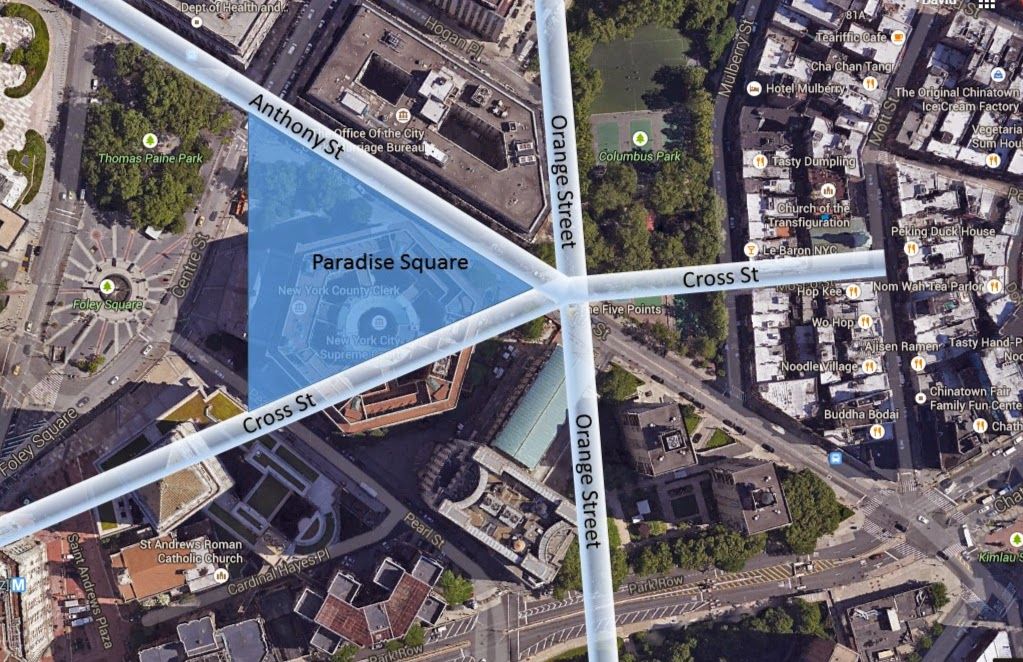
Understanding the location of Five Points requires looking back at the urban geography of 19th-century New York City. The area was not named for five distinct points of land, but rather for the convergence of several streets that formed a pentagonal intersection. This intersection served as the nucleus of what would become one of the city’s most densely populated and, at times, notorious districts.
The Streets that Defined the Intersection
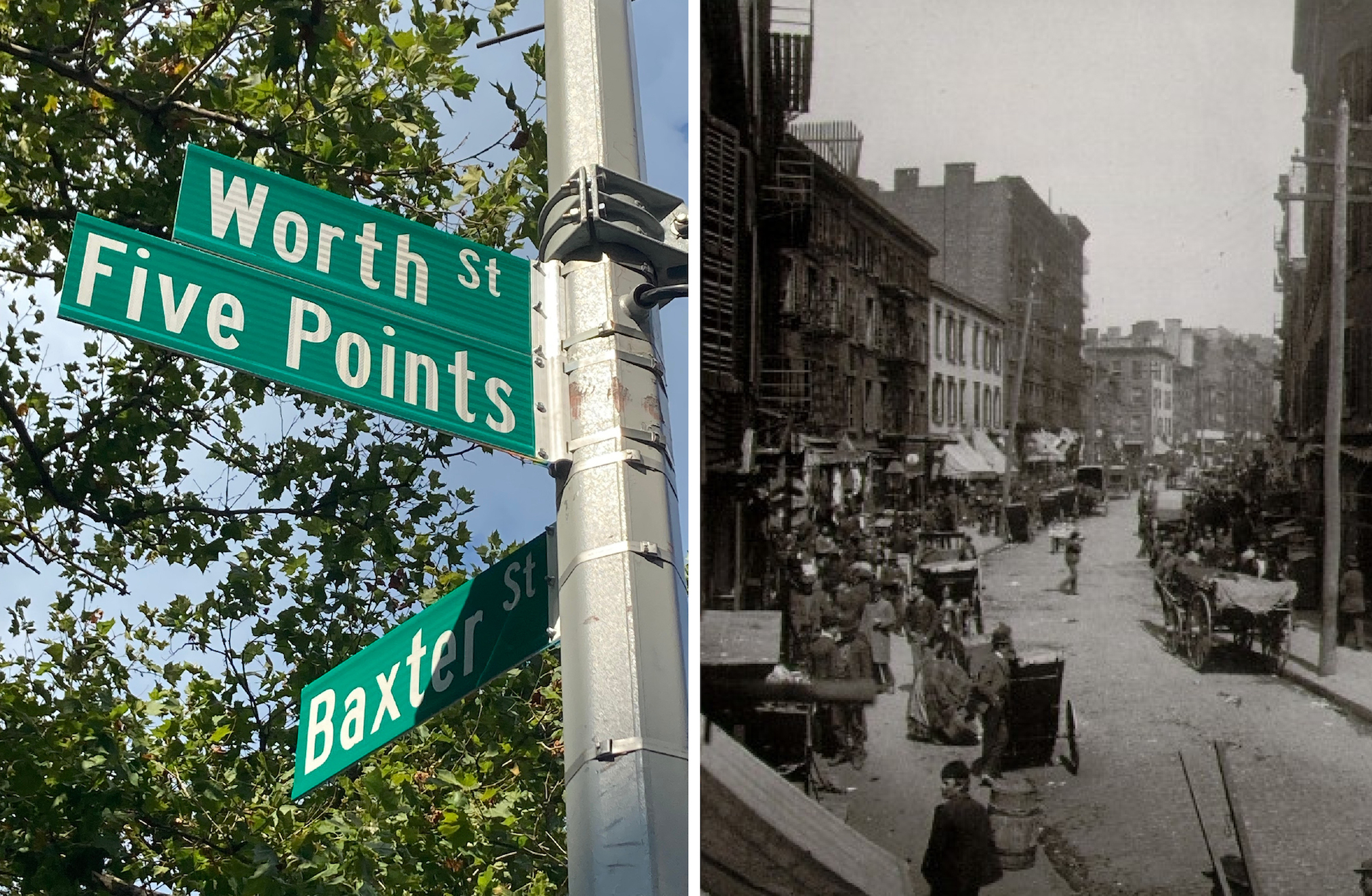
At its core, Five Points was defined by the meeting of Mulberry Street, Orange Street (now Baxter Street), Cross Street (now Mosco Street), and Little Water Street. The “fifth point” was often considered the intersection of Anthony Street (now Worth Street) with Orange Street. This unique street layout created a congested, irregular block structure that was characteristic of the neighborhood’s development. The very geometry of these streets, winding and converging, contributed to the labyrinthine nature of Five Points, making it a distinct and easily identifiable area within the broader landscape of Lower Manhattan.
Proximity to Key Landmarks
The Five Points neighborhood was strategically located in Lower Manhattan, bordered by areas that are now prominent parts of the city. To its south lay the burgeoning commercial districts, and to its north, the developing residential areas. Its proximity to City Hall, the Five Points Mission, and the Collect Pond (later filled in) further cemented its central role in the city’s urban fabric. The area was a stone’s throw from the bustling docks of the East River and accessible via the major thoroughfares that connected uptown and downtown. This central positioning meant that Five Points was a melting pot, a transit hub, and a focal point for both opportunity and destitution.
From Collect Pond to Tenement Slums
The physical transformation of the Five Points area is intrinsically linked to the history of the Collect Pond, a once pristine body of water that was gradually filled in as New York City expanded. The process of filling the pond with landfill and debris created unstable ground and poor drainage, which had a significant impact on the housing and living conditions in the developing neighborhood.

The Shadow of the Collect Pond
Originally a natural freshwater pond, the Collect Pond was a vital resource for early New Yorkers. However, by the late 18th and early 19th centuries, it had become polluted by industrial waste and sewage. The decision to fill it in, starting in the early 1800s, was an attempt to reclaim land for development. Unfortunately, the poorly compacted landfill led to sinking buildings and a swampy terrain. This environmental instability was a precursor to the dire living conditions that would soon characterize Five Points. The remnants of the pond’s soggy soil contributed to the dampness and unsanitary conditions that plagued the overcrowded tenements.
The Rise of Tenement Housing
As the city’s population exploded, particularly with the influx of immigrants, Five Points became synonymous with overcrowded, dilapidated tenement housing. Buildings were often constructed haphazardly, with poor ventilation, inadequate sanitation, and little natural light. These structures, built on the unstable ground of the former Collect Pond, became a breeding ground for disease and a symbol of urban poverty. The sheer density of inhabitants within these buildings created an intense social environment, characterized by a struggle for survival and a stark contrast to the more affluent parts of the city.
The Legacy and Modern-Day Five Points
While the physical streets and buildings of the original Five Points neighborhood have largely been reconfigured or replaced by modern development, its historical significance endures. Understanding where Five Points was allows us to appreciate its profound impact on New York City’s social and cultural history.
Echoes in Chinatown and Little Italy
The geographical footprint of Five Points is today largely encompassed within the vibrant neighborhoods of Chinatown and parts of Little Italy. The original street grid has been significantly altered, with the construction of projects like the Manhattan Municipal Building and the expansion of Foley Square reshaping the area. However, the spirit of dense urban living and the historical layers of immigration and community are palpable. Walking through these bustling streets, one can still sense the echoes of the past, where different waves of immigrants carved out their lives, much like the Irish, Italian, and Chinese communities that historically populated this very ground.
Five Points in Cultural Memory
The notoriety of Five Points as a hub of crime, poverty, and social unrest in the 19th century has cemented its place in American folklore and historical study. It was a setting for numerous novels, journalistic accounts, and later, cinematic interpretations, often depicting a chaotic and dangerous urban frontier. The stories of its inhabitants, from street gangs to reformers like the Five Points Mission, paint a vivid picture of a society grappling with the challenges of rapid urbanization and immigration. The area’s reputation, though often sensationalized, highlights critical themes of social inequality, assimilation, and the immigrant experience that continue to resonate in discussions about New York City and urban development.
In conclusion, while the precise geographical pinpoint of “Five Points” may have shifted and been absorbed by the ever-evolving metropolis of New York, its historical essence remains a vital chapter in the city’s narrative. It serves as a reminder of the transformative power of immigration, the complexities of urban development, and the enduring spirit of communities that have shaped the United States.