
For many, the mention of Florida conjures images of vibrant theme parks, bustling South Beach, or the serene white sands of the Panhandle. Yet, nestled between the familiar curves of the Panhandle and the main Peninsula lies a region less traveled, a place where time seems to slow, and nature reigns supreme: Florida’s Big Bend. This captivating stretch of coastline and its inland embrace offers an authentic taste of “Old Florida,” a tranquil escape from the state’s more commercialized destinations. It’s a landscape defined by pristine estuaries, vast marshlands, ancient forests, and crystal-clear freshwater springs, all converging along the undeveloped shores of the Gulf of Mexico.

The Big Bend is not a single city or a clearly marked tourist attraction; rather, it’s a geographical and cultural expanse, roughly encompassing the area where Florida’s northern coast begins its southward curve. It’s a region where quaint fishing villages dot the coastline, and the rhythm of life is dictated by the tides and the natural world. For those seeking genuine outdoor adventure, profound historical insights, or simply a peaceful retreat, the Big Bend presents an unparalleled destination.
Defining the Big Bend: A Geographical and Cultural Tapestry
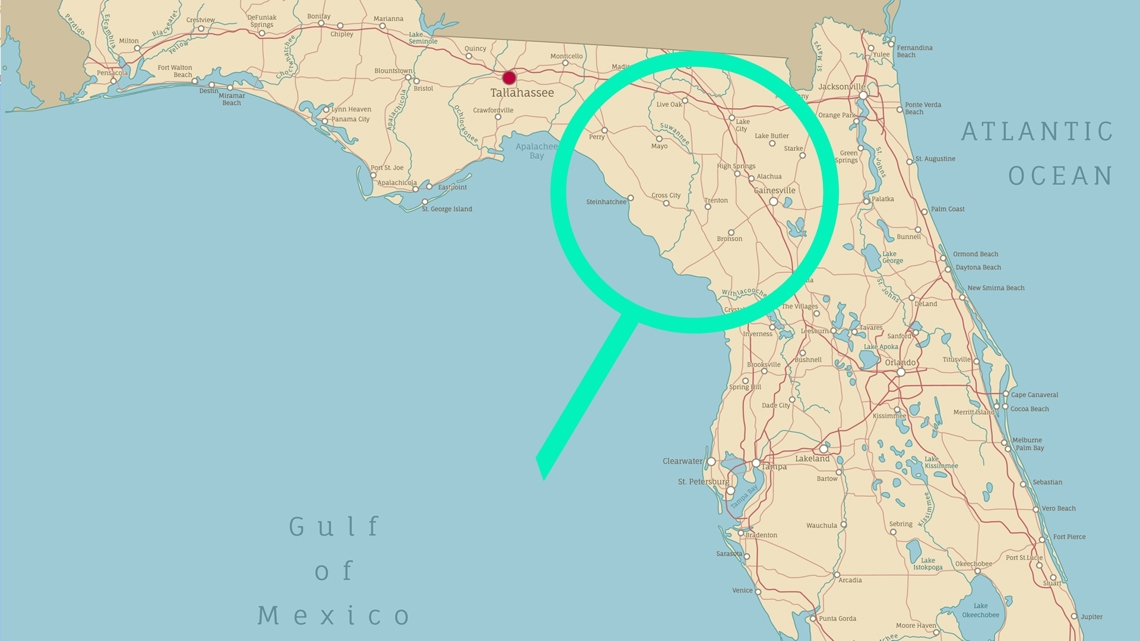
The Big Bend region of Florida is an enchanting realm that largely remains off the typical tourist radar, preserving its pristine beauty and a unique cultural identity. Geographically, it’s defined by the pronounced curve of the state’s coastline where the Panhandle transitions into the main Peninsula. While its exact boundaries can be somewhat fluid depending on the context, it generally includes all or parts of several counties, each contributing to the region’s distinctive charm.
The Counties and Coastline
Typically, the Big Bend encompasses coastal counties such as Levy County, Dixie County, Taylor County, and Wakulla County. Sometimes, its influence extends to include Jefferson County, Franklin County, and even parts of Gulf County to the west, and Citrus County and Marion County to the south and east, which are often considered part of the broader “Nature Coast.”
What truly sets the Big Bend apart is its largely undeveloped coastline. Unlike the high-rise resorts and bustling boardwalks found elsewhere in Florida, the Big Bend’s shores are characterized by vast salt marshes, estuaries, and dense coastal forests. This unique ecological makeup creates a haven for wildlife and offers an unparalleled experience for those who appreciate natural beauty in its most untamed form. The absence of sandy beaches, due to the gradual slope of the seabed and the abundance of marsh grass, means that deep-water access is further offshore, protecting the delicate ecosystems closer to land. This landscape is ideal for shallow-draft boats, kayaks, and canoes, inviting visitors to explore its intricate waterways.
A Land of Rivers and Springs
Inland from the coast, the Big Bend is crisscrossed by numerous rivers, many of which are fed by Florida’s legendary freshwater springs. The majestic Suwannee River forms a significant western boundary for parts of the region, flowing from Georgia to the Gulf of Mexico. Other important rivers include the Aucilla River, Waccasassa River, Steinhatchee River, Fenholloway River, St. Marks River, and Wakulla River, all contributing to the rich biodiversity of the area.
The region boasts an impressive concentration of freshwater springs, which are a defining feature of the Big Bend and the broader Nature Coast. These natural wonders, with their constant 72-degree Fahrenheit water, offer year-round opportunities for swimming, snorkeling, and diving. They also provide crucial habitat for manatees, especially during the cooler winter months. The crystal-clear waters of these springs are perfect for exploring underwater caves and observing diverse aquatic life, making them true natural landmarks.
Exploring the Big Bend: Attractions and Experiences
The allure of the Big Bend lies in its diverse array of natural attractions and the myriad of outdoor activities they support. This is a destination for those who seek to connect with nature, explore unspoiled wilderness, and experience a slower pace of life.
Coastal Charms and Water Adventures
The coastal towns of the Big Bend are gateways to unique maritime experiences.
- Cedar Key: A historic island city located at the southern edge of the Big Bend, Cedar Key is a true gem. Known for its charming atmosphere, vibrant arts scene, and delicious fresh seafood, especially farm-raised clams, it’s a perfect spot for a tranquil getaway. Visitors can explore local boutiques, art galleries, dine at waterfront restaurants, or embark on fishing charters and island hopping tours. The Cedar Key Museum State Park offers insights into the town’s rich history as a pencil factory and fishing community.
- Steinhatchee: Dubbed the “Scallop Capital of the World” during the summer scalloping season, Steinhatchee is a quintessential fishing village. Beyond scalloping, it’s a popular destination for serious anglers targeting redfish, trout, and grouper. The Steinhatchee River offers excellent opportunities for kayaking and canoeing, leading to the Gulf of Mexico through scenic marshlands.
- St. Marks: Home to the historic St. Marks Lighthouse and the renowned St. Marks National Wildlife Refuge, this area is a birdwatcher’s paradise. The refuge protects a vast expanse of coastal marshes, islands, and uplands, serving as a critical stopover for migratory birds along the Atlantic Flyway. Visitors can enjoy driving, hiking, fishing, and photography amidst stunning natural backdrops.

These coastal towns are perfect launching points for kayaking, canoeing, paddleboarding, fishing charters, and, in season, the exhilarating activity of scalloping. The undeveloped coastline of the Big Bend Saltwater Paddling Trail offers multi-day expeditions for experienced paddlers, revealing secluded beaches and abundant wildlife.
Inland Wonders: Springs, Forests, and Wildlife
The interior of the Big Bend region is just as captivating, with an emphasis on freshwater springs and dense forest ecosystems.
- Edward Ball Wakulla Springs State Park: One of the largest and deepest freshwater springs in the world, Wakulla Springs is a must-visit. Its glass-bottom boat tours offer a glimpse into an underwater world teeming with fish and ancient artifacts. Visitors can also swim in the spring, explore hiking trails, and spot various wildlife including alligators, manatees, and countless bird species. The historic Wakulla Springs Lodge provides a unique accommodation experience steeped in history.
- Other Springs: While not strictly within the geographical heart of the Big Bend, nearby springs like Fanning Springs State Park and Manatee Springs State Park offer similar opportunities for swimming, snorkeling, and observing manatees in winter. These springs are integral to the Nature Coast’s appeal and are easily accessible from many Big Bend locations.
- National Forests and Wildlife Management Areas: Large tracts of protected land, such as the Big Bend Wildlife Management Area and portions of the Apalachicola National Forest, provide extensive opportunities for hiking, birdwatching, hunting, and primitive camping. The Florida National Scenic Trail winds through parts of this region, offering challenging backpacking adventures.
For those interested in history, towns like Perry, known as the “Forest Capital of the South,” offer insights into Florida’s timber industry. Nearby Live Oak is a hub for music festivals and features a charming downtown. Even further west, Tallahassee, Florida’s capital, offers cultural attractions and historical sites just a short drive from the Big Bend’s western reaches. To the east, Gainesville, home to the University of Florida, provides a lively college town experience and serves as a gateway to the southern Big Bend area.
Planning Your Big Bend Getaway
A trip to Florida’s Big Bend is a journey into authentic Florida, where the focus is on relaxation, outdoor adventure, and connecting with nature. Planning your visit requires a slightly different approach than a typical Florida vacation, but the rewards are well worth it.
Accommodation and Stays
Given the region’s emphasis on natural beauty and smaller communities, accommodation options in the Big Bend tend to be charming and unique, rather than sprawling resorts.
- Boutique Hotels and Inns: Towns like Cedar Key offer delightful boutique hotels and bed & breakfasts, often with waterfront views and a cozy, personalized atmosphere. These are perfect for travelers seeking local charm and a more intimate experience.
- Fishing Lodges and Motels: In fishing hubs like Steinhatchee and Yankeetown, you’ll find numerous fishing lodges and independently owned motels catering to anglers and outdoor enthusiasts. Many offer boat slips and easy access to the water.
- Vacation Rentals and Cabins: For families or longer stays, vacation rentals, including charming cottages and cabins, are available, especially in popular spots like Cedar Key, Steinhatchee, and around the larger springs. These often provide more space and amenities for a comfortable home-away-from-home experience.
- Camping and RV Parks: The Big Bend is a prime destination for camping enthusiasts. State parks, national forests, and private campgrounds offer a range of options, from primitive tent sites to full-hookup RV spots. Camping allows for a truly immersive nature experience, often with direct access to hiking trails, rivers, and springs.
- Unique Stays: Don’t forget the historic Wakulla Springs Lodge for a step back in time, or consider staying at a remote cabin within a wildlife management area for ultimate solitude.
Booking in advance is always recommended, especially during peak seasons like summer (for scalloping) or cooler months (for manatee viewing and pleasant hiking weather). For comparison and reviews, websites focusing on accommodation can be very helpful.
Local Cuisine and Culture
The culinary scene in the Big Bend is a celebration of fresh, local seafood. Expect to find menus featuring:
- Fresh Seafood: Grouper, snapper, shrimp, oysters, and of course, clams from Cedar Key and scallops from Steinhatchee. Many restaurants specialize in preparing these delicacies simply, allowing their natural flavors to shine.
- Southern Comfort Food: Beyond seafood, you’ll encounter classic Southern dishes, barbecue, and home-style cooking in many local eateries.
- Farmers Markets: Explore local farmers’ markets for fresh produce, artisan goods, and a taste of the region’s agricultural bounty.
The culture of the Big Bend is laid-back and friendly, embodying the spirit of “Old Florida.” Local festivals celebrating seafood, nature, and small-town heritage are common throughout the year, offering a glimpse into the heart of these communities.
Practical Tips for Visitors
- Best Time to Visit: The cooler months (October to April) offer the most comfortable weather for hiking, biking, and wildlife viewing, especially manatees in the springs. Summer is popular for scalloping, but it comes with higher temperatures and humidity.
- Getting Around: A car is essential for exploring the Big Bend, as public transportation is limited. The roads are generally well-maintained, and scenic drives abound.
- What to Pack: Depending on your activities, bring swimwear, hiking shoes, insect repellent (especially for marshy areas), sunscreen, a hat, and binoculars for wildlife viewing. Layered clothing is advisable during cooler months.
- Embrace the Pace: The Big Bend is about slowing down. Don’t rush your experiences. Take time to enjoy a sunset over the Gulf, paddle quietly through a pristine creek, or simply relax on a porch swing.
- Respect Nature: This region is a vital ecosystem. Practice leave-no-trace principles, respect wildlife, and follow all park and refuge regulations to help preserve its beauty for future generations.
The Big Bend offers a unique Florida experience, a refreshing alternative to the state’s more bustling tourist hubs. It’s a place where natural beauty is preserved, small-town charm thrives, and outdoor adventures await around every bend in the river or curve of the coast. For travelers seeking an authentic connection with Florida’s wild heart, the Big Bend is a destination not to be missed.
LifeOutOfTheBox is a participant in the Amazon Services LLC Associates Program, an affiliate advertising program designed to provide a means for sites to earn advertising fees by advertising and linking to Amazon.com. Amazon, the Amazon logo, AmazonSupply, and the AmazonSupply logo are trademarks of Amazon.com, Inc. or its affiliates. As an Amazon Associate we earn affiliate commissions from qualifying purchases.