
The question “Where is the California fire?” is one that frequently arises, particularly during certain seasons, reflecting both a genuine concern for safety and a natural curiosity about how events in this vast state might impact travel plans. California, renowned globally for its diverse landscapes, iconic cities, and vibrant culture, is also a region that experiences natural phenomena like wildfires. For anyone planning a trip, or even just dreaming of a future California adventure, understanding the context of these fires – not just their immediate location, but their cyclical nature and broader implications – is crucial for informed and enjoyable travel.
At Life Out of the Box, our aim is to empower travelers with the knowledge to explore the world confidently and comfortably. When considering a destination as beloved as California, it’s important to separate sensational headlines from practical realities. Wildfires, while a serious environmental challenge, do not typically engulf the entire state. They are often localized events that, while devastating to affected communities and ecosystems, leave vast stretches of the state’s most popular tourist destinations and natural wonders untouched and open for enjoyment. This article will delve into the realities of California wildfires, their impact on travel and tourism, and how to plan a safe, responsible, and fulfilling trip to the Golden State, offering insights into accommodations, landmarks, and lifestyle experiences.
Understanding California’s Dynamic Landscape and Fire Season
California’s unique geography and climate make it inherently susceptible to wildfires, a natural process that has shaped its ecosystems for millennia. Understanding this context is the first step in addressing traveler concerns.
The Rhythms of California’s Climate
California is characterized by a Mediterranean climate, meaning it experiences hot, dry summers and mild, wet winters. This distinct pattern, coupled with the state’s diverse topography – from coastal chaparral and redwood forests to vast desert landscapes and towering mountain ranges like the Sierra Nevada – creates conditions ripe for wildfires. The fire season typically runs from late spring through late autumn, often peaking during the driest and windiest months. Historically, fires have been a natural part of the ecosystem, clearing underbrush and promoting new growth. However, a combination of climate change, prolonged drought, and human development in wildland-urban interface zones has intensified the frequency and severity of recent fire seasons.
It’s vital for travelers to recognize that “fire season” doesn’t mean the entire state is ablaze. Instead, it signifies a period when conditions make fires more likely. These fires are often driven by specific weather patterns, such as the Santa Ana winds in Southern California or the Diablo winds in the San Francisco Bay Area and Wine Country. These winds can rapidly spread existing fires, making containment challenging. However, advancements in firefighting technology, early warning systems, and community preparedness efforts are continuously evolving to mitigate risks.
Dispelling Misconceptions for Travelers
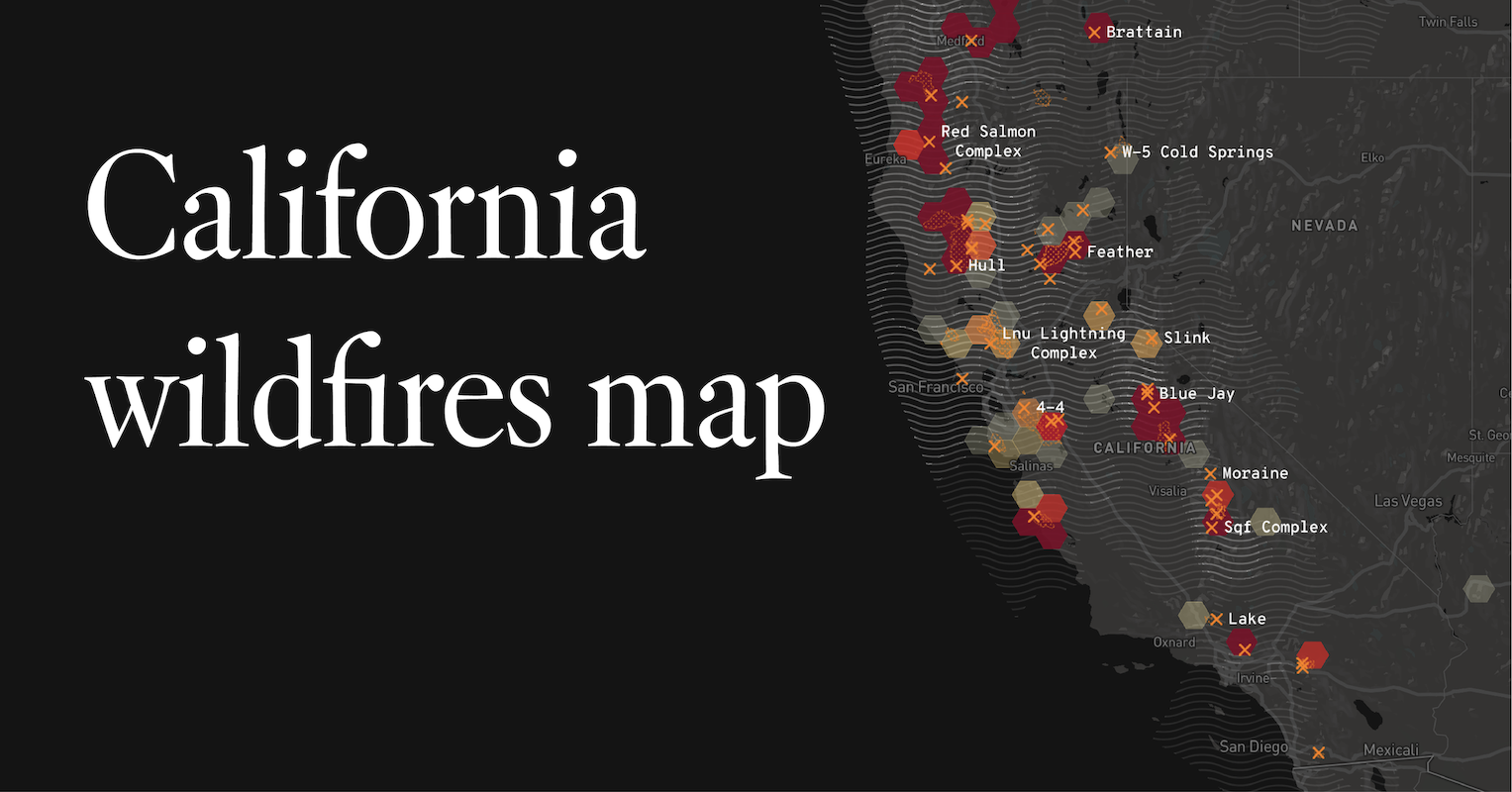
A common misconception is that a fire in one part of California renders the entire state unsafe or inaccessible. This is rarely the case. California is a massive state, roughly the size of Germany. A fire burning near Lake Tahoe would have no direct impact on travel to San Diego, just as a fire in France’s Provence region wouldn’t deter a visit to Paris. The key is precise information and understanding the localized nature of these events.
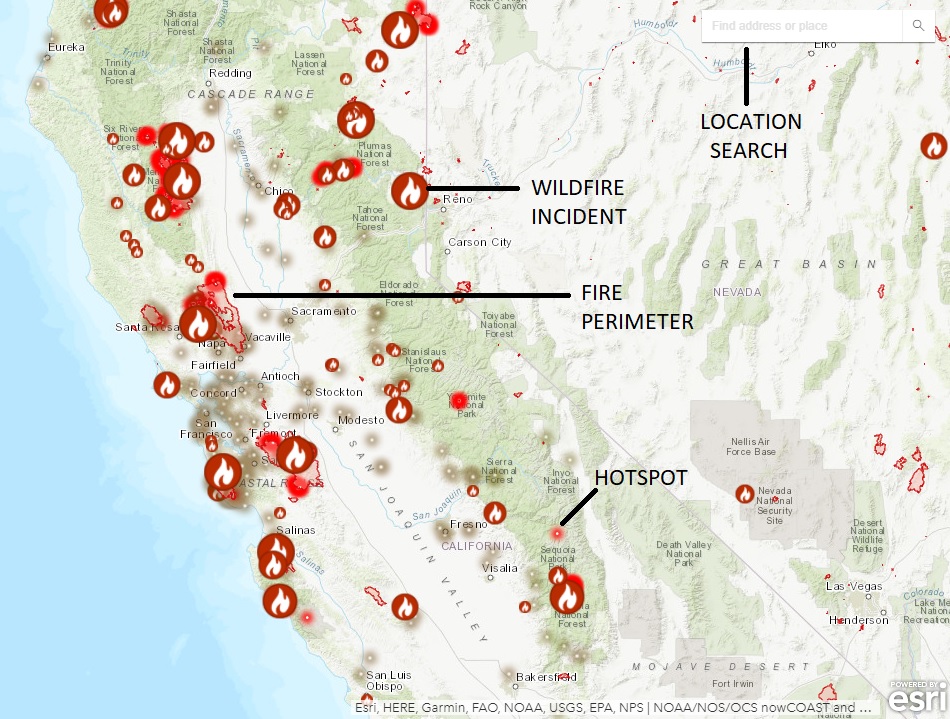
Travelers should focus on official alerts, real-time fire maps, and local news sources for specific areas they plan to visit. Air quality, which can be affected by smoke even far from the fire’s immediate vicinity, is another important factor to monitor. Websites like AirNow.gov provide real-time air quality data. Many popular destinations, including major cities, coastal regions, and specific National Parks, remain unaffected and fully open for tourism, even during active fire seasons elsewhere in the state. For example, a stay at the Waldorf Astoria Beverly Hills in Los Angeles is unlikely to be impacted by a wildfire hundreds of miles away in Shasta-Trinity National Forest.
Navigating Travel in Fire-Prone Regions
While much of California remains open, certain regions, particularly those with dense vegetation or wildland-urban interfaces, warrant closer attention during fire season. Being informed allows travelers to make smart decisions and enjoy their trips responsibly.
Key Considerations for Southern California Destinations
Southern California boasts world-famous attractions like Disneyland Resort in Anaheim, the beaches of Santa Monica, and the vibrant cultural scene of Los Angeles and San Diego. While this region is known for its sunshine, it also experiences the intense Santa Ana winds that can fuel wildfires, particularly in the chaparral-covered hillsides and canyons. However, major urban centers and popular coastal destinations are generally well-protected and rarely directly threatened by fires.
If fires occur, they are typically inland, impacting communities nestled in the foothills or adjacent to wildlands. For travelers, this means keeping an eye on local news if planning to explore areas like the Angeles National Forest or certain desert communities. Hotel stays in cities like Long Beach, Santa Barbara, or Palm Springs at properties like the Hyatt Regency Long Beach or The Parker Palm Springs are almost always unaffected, though occasionally, distant smoke could impact air quality for a brief period. Always check local advisories, especially if your itinerary includes hiking or outdoor activities in natural reserves.

Exploring Northern California and its Iconic Landmarks
Northern California offers a different tapestry of experiences, from the iconic Golden Gate Bridge in San Francisco to the majestic Redwood National Park. This region, too, has its share of fire concerns, particularly in the dry forests and grasslands of the interior and the Sierra Nevada foothills. The Diablo winds can influence fire spread in areas like the East Bay and North Bay.
However, major tourist hubs like San Francisco, Oakland, and Sacramento are highly resilient. A stay at the Palace Hotel, a Luxury Collection Hotel, San Francisco in downtown San Francisco or the Kimpton Sawyer Hotel in Sacramento offers a secure base from which to explore. While some specific areas like portions of the Shasta-Trinity National Forest or parts of the Mendocino National Forest might experience closures during active fires, the vast majority of Northern California’s attractions remain accessible. Travelers should be particularly mindful when planning trips to more remote wilderness areas during peak fire season and always check park or forest service websites for current conditions and closures.
Wine Country: A Resilient Spirit
California’s Wine Country, encompassing famed regions like Napa Valley and Sonoma County, has tragically faced significant wildfires in recent years. These events have highlighted the resilience of the local communities, wineries, and tourism infrastructure. While fires have caused localized damage, the vast majority of vineyards, restaurants, and hotels have rebuilt and reopened with remarkable speed and spirit.
The region remains a premier destination for luxury travel, culinary experiences, and exquisite accommodations such as the Bardessono Hotel & Spa in Yountville or The Lodge at Sonoma Resort, Autograph Collection. During fire season, the best approach is to consult specific winery websites and local tourism boards (e.g., Visit Napa Valley, Sonoma County Tourism) for real-time updates. The wine industry has implemented robust fire prevention and response strategies, and visitors are generally safe to enjoy the region’s offerings, often contributing directly to its ongoing recovery and vitality.
National Parks and Wilderness Areas
California is home to an incredible nine National Parks, including world-renowned sites like Yosemite National Park, Sequoia National Park, Kings Canyon National Park, and Death Valley National Park. These natural treasures are often at the forefront of wildfire discussions because they encompass vast wildland areas.
During severe fire seasons, specific areas within these parks, or even entire parks, may experience temporary closures for visitor safety or due to smoke impacts. For instance, Yosemite National Park might close certain trails or campgrounds, but the main valley attractions might remain open. The best practice for planning a trip to any of California’s National Parks is to check the official National Park Service website for that specific park (e.g., NPS.gov/yose) immediately before and during your trip. These sites provide up-to-the-minute information on closures, air quality, and fire activity. Many other incredible natural landmarks, like Big Sur along the Pacific Coast Highway, also require similar vigilance during dry periods, although closures are typically localized to specific roads or hiking trails.
Practical Planning for Peace of Mind
Navigating travel to California during fire season requires a proactive and flexible approach. With the right planning, you can ensure a smooth and enjoyable trip, regardless of localized events.
Staying Informed: Reliable Resources for Travelers
The most important tool for any traveler concerned about wildfires is access to accurate, up-to-date information. Rely on official sources rather than social media rumors.
- Cal Fire: The California Department of Forestry and Fire Protection (CAL FIRE) provides real-time fire incident maps and detailed information on active fires across the state. This is the authoritative source for fire locations and containment status.
- AirNow.gov: For air quality information, AirNow.gov offers a comprehensive map showing current air quality index (AQI) readings, which can be affected by smoke even from distant fires. This is crucial for outdoor activity planning.
- National Park Service (NPS.gov): As mentioned, check individual park websites for specific closures, fire activity within the park boundaries, and air quality advisories.
- Local Tourism Boards: Websites like Visit California, Visit San Francisco, or Los Angeles Tourism often provide consolidated information and advice for travelers.
- Hotel and Accommodation Providers: If you have booked a stay, directly contact your hotel (e.g., Four Seasons Hotel Los Angeles at Beverly Hills, The Ritz-Carlton, Laguna Niguel) or accommodation provider for updates on local conditions and their operational status.
Accommodation and Booking Flexibility
When booking accommodations or travel experiences in California, especially during fire season, consider options that offer flexibility. Many hotels, from boutique stays to large resorts, understand the unpredictable nature of natural events and may have flexible cancellation policies. Review these policies carefully before booking. Choosing hotels in major metropolitan areas or established tourist zones often provides more stability, as these areas are less likely to be directly impacted by wildfires.
If you’re planning a more adventurous trip involving glamping, cabins, or stays in remote villas near wildland areas, ensure you have a clear understanding of evacuation routes and emergency procedures. Reputable booking platforms and direct hotel bookings often come with customer support that can assist with rebooking or cancellations if unforeseen circumstances arise. For example, considering a stay at The Resort at Pelican Hill in Newport Coast offers a different level of assurance than a secluded cabin in a heavily forested, remote location.
Travel Insurance: A Smart Investment
For peace of mind, especially when traveling during potentially volatile seasons, comprehensive travel insurance is a highly recommended investment. A good policy can cover non-refundable expenses like flights, hotel bookings, and tours if your trip is significantly impacted by unforeseen events, including natural disasters like wildfires.
When selecting a policy, read the fine print carefully regarding coverage for natural disasters, trip interruption, and medical emergencies. Some policies may have specific clauses or exclusions, so ensure it meets your specific needs. This small upfront cost can save you significant financial strain and stress if your travel plans need to be altered or canceled due to wildfire activity, allowing you to focus on safety and re-planning rather than financial losses.
Responsible Tourism and Community Support
Even when direct travel is not impacted, wildfires can have profound effects on California’s communities and natural environment. As responsible travelers, we have an opportunity to support recovery efforts and contribute positively to the state’s resilience.
Contributing to California’s Recovery and Resilience
Choosing to travel to California during or after a fire season, provided it’s safe to do so, can be a powerful act of support. Tourism dollars directly benefit local economies, helping businesses rebuild, retain employees, and restore vital services. When you visit unaffected areas, you help keep the state’s tourism engine running, which is critical for its overall recovery.
Consider patronizing local businesses, dining at local restaurants, and engaging with community-based tours. Many regions, especially Wine Country, have actively campaigned for visitors to return, emphasizing their readiness and vibrant offerings. You can also look for opportunities to support charitable organizations involved in wildfire relief and recovery, such as the California Community Foundation or local chapters of the American Red Cross. Your presence and support signify solidarity and help accelerate the healing process.
Enjoying California Safely and Ethically
Beyond staying informed and planning flexibly, responsible travel in California during any season means adhering to local regulations and practicing fire-safe behaviors. This includes:
- Heeding Burn Bans: Pay attention to any posted burn bans in parks or wilderness areas.
- Safe Campfires: If camping is permitted, always ensure campfires are completely extinguished.
- Vehicle Safety: Avoid parking hot vehicles on dry grass.
- No Discarded Cigarettes: Never toss cigarette butts out of car windows.
- Respecting Closures: If an area is closed due to fire activity, respect the closure. These measures are in place for your safety and the safety of emergency personnel.
By being mindful of your surroundings and taking simple precautions, you contribute to preventing human-caused fires, which account for a significant percentage of incidents. California offers an unparalleled array of experiences, from the luxury of Beverly Hills to the rugged beauty of Big Sur, and with careful planning and a responsible mindset, you can enjoy all that the Golden State has to offer, year-round. The question “Where is the California fire?” becomes less about avoiding the state entirely, and more about understanding its dynamic nature and engaging with it thoughtfully and respectfully.