
The Golden State conjures images of sun-drenched beaches, Hollywood glamour, and innovation hubs teeming with opportunity. It’s a land of unparalleled natural beauty, from towering redwoods to expansive deserts and majestic mountain ranges. However, this allure comes at a price, as California is notoriously one of the most expensive places to live in the United States. For many dreaming of a life under the golden sun, the cost of living can seem an insurmountable hurdle, making the quintessential California dream feel out of reach. Yet, for the savvy traveler, the aspiring resident, or anyone seeking a long-term stay that won’t break the bank, there are indeed pockets of affordability. The quest for the cheapest place to live in California isn’t about finding a secret, overlooked paradise, but rather understanding the state’s diverse geography and economic landscape, and embracing lifestyle choices that prioritize value over extravagance. This guide delves into the regions and cities that offer a more budget-friendly approach to California living, exploring their unique attractions, accommodation options, and lifestyle prospects for those looking to stretch their dollar further.
Understanding California’s Cost of Living Spectrum
Before pinpointing the most affordable locales, it’s crucial to understand why California’s cost of living is so high. Factors include a robust job market in tech and entertainment, high demand for housing in desirable coastal cities, stringent environmental regulations impacting development, and a generally high standard of living that translates to elevated prices for goods and services. The state’s economic powerhouse status, particularly in regions like the Bay Area and Southern California metroplexes, drives up the average, often obscuring the more modest realities of other areas. However, California is a vast state, and its economic landscape is far from uniform. The stark contrast between coastal urban centers and inland agricultural communities or desert towns reveals a significant spectrum of affordability, especially concerning housing, which is often the largest single expense for any resident or long-term visitor.
Key Factors Influencing Affordability
When evaluating the “cheapest” places, several factors come into play beyond just the sticker price of a home or apartment.
- Housing: This is undoubtedly the biggest driver of cost. Rental prices and median home values vary wildly across counties. Understanding the housing market in specific cities is paramount.
- Utilities: While often less variable than housing, energy costs, especially for air conditioning in hot inland areas or heating in cooler northern regions, can add up. Water rates also fluctuate.
- Transportation: California is heavily car-dependent, and gas prices are consistently higher than the national average. Proximity to work, public transport options, and the need for a reliable vehicle all impact a budget.
- Groceries and Everyday Goods: While some staples might be consistent, fresh produce prices can vary, and local taxes can influence overall spending. Access to discount stores versus upscale markets also plays a role.
- Job Market and Income Potential: A “cheap” place might have lower costs, but if the job market doesn’t support a living wage or career growth, it might not be truly affordable in the long run. Balancing cost of living with earning potential is key for sustainable residency.
For travelers planning extended stays or digital nomads considering California as a base, understanding these nuances is critical for effective budget travel and accommodation planning.
Unearthing California’s Affordable Havens
While no part of California will rival the cost of living in, say, the Midwest, certain regions and cities consistently rank as more affordable than their bustling coastal counterparts. These areas often offer a different kind of California experience, rich in local culture, stunning natural beauty, and a slower pace of life, all while providing a more accessible entry point to the Golden State.
The Central Valley: A Budget-Friendly Heartbeat
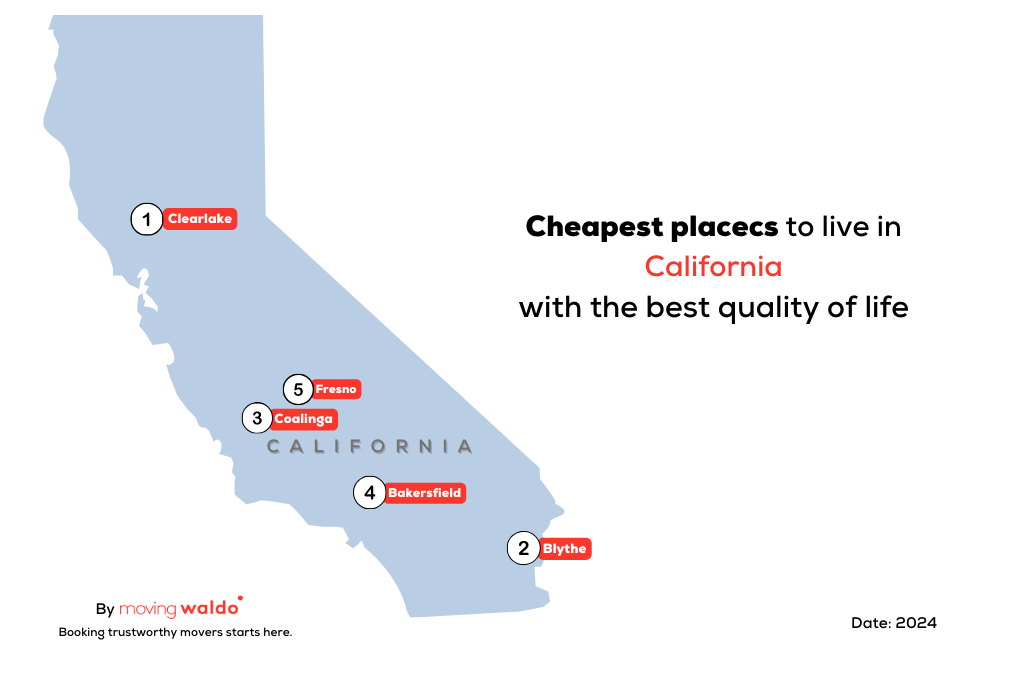
The Central Valley is often overlooked by those fixated on the coast, yet it represents the agricultural backbone of California and offers some of the most budget-friendly living options. Stretching hundreds of miles through the heart of the state, this region is characterized by fertile farmlands, a more relaxed pace, and a strong sense of community.
- Fresno: Often considered the demographic and economic hub of the Central Valley, Fresno offers significantly lower housing costs compared to major coastal cities. It’s a vibrant city with a growing downtown, diverse culinary scene, and a surprisingly rich arts and culture community, including attractions like the Forestiere Underground Gardens. For travel enthusiasts, Fresno’s location is a major draw, serving as a gateway to three renowned national parks: Yosemite National Park, Sequoia National Park, and Kings Canyon National Park. This makes it an ideal base for budget travel and outdoor adventures. Accommodation options range from traditional hotels to extended-stay apartments, catering to various budgets.
- Bakersfield: Situated in the southern Central Valley, Bakersfield is known for its country music heritage (the “Bakersfield Sound”) and its significant role in oil production and agriculture. It offers some of the lowest housing costs in the state. The lifestyle here is laid-back, with a focus on family and community. Attractions include the Buck Owens Crystal Palace and the Kern County Museum. Its proximity to the Tehachapi Mountains and various recreational lakes provides ample opportunities for outdoor activities, aligning with a more adventurous lifestyle without the premium price tag.
- Stockton: Located in the northern Central Valley, Stockton benefits from its position along the San Joaquin River Delta, offering unique waterways and recreational activities. While historically facing economic challenges, Stockton is undergoing revitalization, with a burgeoning downtown and improving infrastructure. Housing costs remain relatively low, especially compared to the nearby Bay Area, making it an attractive option for those seeking more space and affordability within a reasonable commute to larger job markets. The local food scene, with its emphasis on fresh produce from surrounding farms, and a variety of cultural events offer a genuine taste of Californian life.
- Sacramento: As the state capital, Sacramento often presents a slightly higher cost of living than its Central Valley neighbors but remains significantly more affordable than San Francisco or Los Angeles. It boasts a thriving farm-to-fork culinary scene, numerous historical landmarks like Old Sacramento State Historic Park, and a growing job market, especially in government and healthcare. Its position at the confluence of the Sacramento and American Rivers offers abundant water-based activities, and its vibrant urban core provides a balanced lifestyle that attracts both young professionals and families. For accommodation, Sacramento offers a range from boutique hotels in Midtown to budget-friendly options further out, making it suitable for varying travel and living preferences.
Deserts and Inland Empire: Unexpected Value
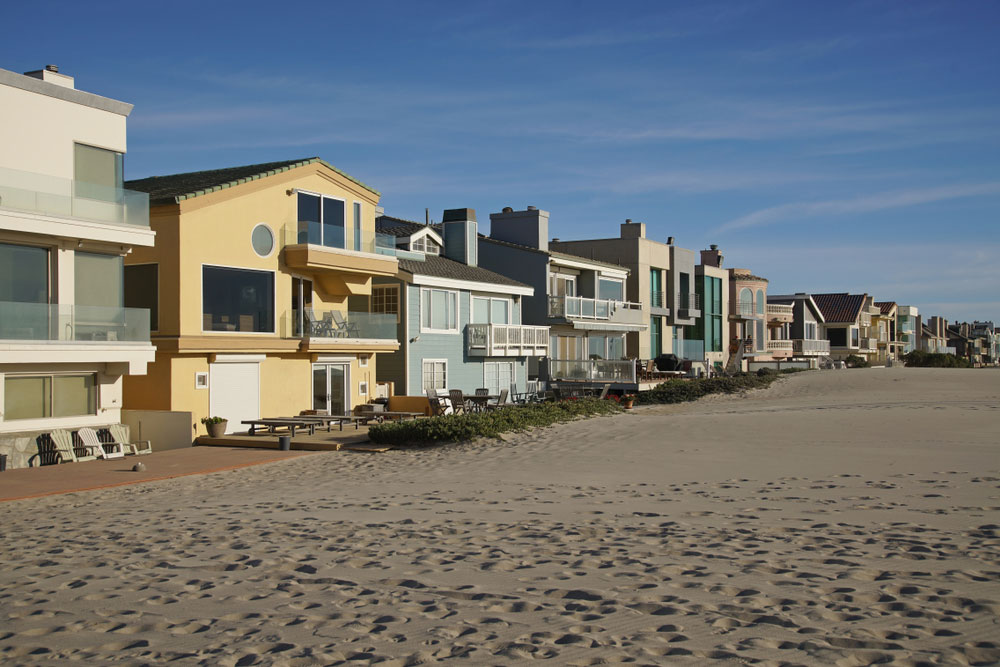
Moving further south and east from the major coastal cities, the vast desert landscapes and the sprawling Inland Empire region present another compelling case for affordability in California. These areas often provide more space, larger homes, and a distinct desert lifestyle, while still offering proximity to the amenities and job markets of Southern California.
- Riverside and San Bernardino: These two cities form the heart of the Inland Empire, a region east of Los Angeles known for its more suburban and exurban feel. Housing costs here are substantially lower than in Los Angeles County or Orange County, making them popular choices for commuters. Riverside offers historical charm with landmarks like the Mission Inn Hotel & Spa and a thriving university presence (UC Riverside). San Bernardino, while facing its own set of challenges, provides even greater affordability and serves as a gateway to mountain resorts and desert attractions. Both cities offer a range of accommodation, from hotels to apartment complexes, ideal for those seeking budget travel or long-term stays with reasonable access to Southern California’s attractions.
- Lancaster and Palmdale: Located in the Antelope Valley at the northern edge of Los Angeles County, these desert cities offer significantly lower housing costs while technically remaining within the Los Angeles sphere of influence. They are known for their aerospace industry connections and wide-open spaces. The lifestyle is more relaxed, with access to the Mojave Desert for outdoor enthusiasts, including the stunning Antelope Valley California Poppy Reserve in spring. While a commute to central Los Angeles can be lengthy, the local amenities, growing job market, and spacious homes make them attractive for budget-conscious families and individuals. Accommodation includes standard hotels and a growing number of residential options for those seeking long-term stays.
- Victorville: Further east in the Mojave Desert, Victorville and its surrounding High Desert communities offer some of the most affordable housing in Southern California. It’s a key logistical hub and lies along the historic Route 66, providing a unique historical landmark for visitors. While the amenities are more modest, the lower cost of living provides a stark contrast to coastal prices. The area appeals to those who appreciate desert landscapes, a quieter lifestyle, and want to be within a reasonable driving distance of larger metropolitan areas for occasional visits or work. For budget travelers, it offers a strategic stopover with affordable hotels and a glimpse into a different side of California.
Northern California’s Hidden Gems (Away from the Bay Area)
While the Bay Area dominates the narrative of Northern California’s economy, venturing further north and inland reveals charming, budget-friendly communities nestled amidst forests, rivers, and mountains. These areas offer a lifestyle focused on nature, outdoor recreation, and a strong sense of local community, all at a fraction of coastal prices.
- Redding: Situated at the northern end of the Central Valley where it transitions into mountainous terrain, Redding is a major hub for Northern California. It boasts a significantly lower cost of living than most other parts of the state, particularly for housing. Redding is a paradise for outdoor enthusiasts, with the Sacramento River running through it, providing opportunities for fishing and boating. Nearby attractions include the iconic Sundial Bridge at Turtle Bay Exploration Park, Whiskeytown National Recreation Area, and easy access to both Mount Shasta and Lassen Volcanic National Park. For a budget traveler or someone seeking a nature-focused lifestyle, Redding offers an appealing blend of amenities and natural beauty with affordable accommodation options, including charming hotels and vacation rentals.
- Chico: Home to California State University, Chico, this city offers a vibrant college town atmosphere with a strong community feel. While housing costs are rising, they remain substantially lower than in major metropolitan areas. Chico is famous for Bidwell Park, one of the largest municipal parks in the United States, offering miles of trails, swimming holes, and recreational opportunities. The city also has a burgeoning craft beer scene and a charming downtown area. Its balance of urban amenities, natural beauty, and a youthful energy makes it attractive for those seeking an affordable yet lively lifestyle in Northern California. Accommodation options include a range of hotels and short-term rentals, often catering to university visitors.
- Eureka: Located on the rugged North Coast in Humboldt County, Eureka offers a unique coastal experience without the astronomical prices of Southern California or the Bay Area. It’s known for its Victorian architecture, historic Old Town, and proximity to the majestic Redwood National and State Parks. The climate is cooler and wetter, offering a dramatic contrast to the rest of the state. The lifestyle here is deeply connected to nature, with ample opportunities for hiking, kayaking, and exploring the ancient redwood forests. While job opportunities might be more specialized, the serene environment and unique cultural offerings make it a compelling choice for those seeking an off-the-beaten-path, affordable California experience. Accommodation includes historic inns, boutique hotels, and vacation rentals, often providing a unique sense of place.
Making California Affordable: Beyond Location
Finding an affordable place in California isn’t solely about geography; it’s also about strategic planning and adopting a budget-conscious lifestyle. Even in slightly more expensive areas, smart choices can significantly reduce overall expenses, making the dream of living in California a tangible reality.
Smart Accommodation Choices
For long-term residents and extended-stay travelers, housing is the primary cost determinant.
- Rent vs. Buy: In affordable areas, buying a home might be more feasible than in coastal markets, offering long-term stability and potential equity. For shorter terms, renting is obviously the way to go.
- Roommates: Sharing living spaces is a common strategy, particularly for younger individuals or those new to an area, dramatically cutting down rental costs.
- Long-term Rentals and Extended Stay Hotels: Websites specializing in long-term rentals or hotels like Extended Stay America often offer discounted rates for stays exceeding a week or a month, providing a flexible and more affordable alternative to traditional leases or nightly hotel rates. This is an excellent option for digital nomads or those exploring different areas before committing.
- Considering Apartments vs. Houses: Apartments are generally cheaper than standalone homes, especially in more urbanized affordable areas.
Budget-Friendly Lifestyles
Embracing a budget-friendly lifestyle doesn’t mean sacrificing the essence of the California experience; it often means prioritizing different aspects.
- Public Transportation and Car-pooling: While many parts of California are car-dependent, some affordable cities like Sacramento have improving public transit systems. Utilizing these, car-pooling, or living close to work can drastically reduce fuel and vehicle maintenance costs.
- Cooking at Home: Eating out frequently, especially in California’s vibrant culinary scene, can quickly deplete a budget. Cooking at home and utilizing local farmers’ markets (abundant in the Central Valley) can lead to significant savings.
- Free and Low-Cost Attractions: California is rich in natural landmarks and free activities. Hiking trails, public parks, beaches (even if they require a day trip from inland areas), and free community events offer endless entertainment without a hefty price tag. Exploring local culture through free museums on certain days or simply enjoying the outdoors can provide a fulfilling lifestyle on a budget.
- Avoiding Luxury Services: Opting for budget travel options, staying in more modest hotels or vacation rentals, and generally avoiding high-end services can keep discretionary spending in check.
Job Markets and Income Potential
Ultimately, affordability is a balance between expenses and income. A city with a lower cost of living might also have a lower average wage, negating some of the benefits. When considering a move, researching the local job market in your field is crucial. Some affordable cities are seeing growth in specific sectors (e.g., healthcare in Fresno, government in Sacramento, logistics in the Inland Empire), offering opportunities to achieve financial stability even with a more modest budget. Remote work has also expanded possibilities, allowing individuals to earn a Bay Area or Los Angeles salary while residing in a cheaper locale.
In conclusion, the “cheapest” place to live in California isn’t a single definitive location but rather a spectrum of possibilities that depend on individual priorities, lifestyle choices, and career paths. While the state’s popular coastal metros remain largely out of reach for budget-conscious individuals, the Central Valley, Inland Empire, and lesser-known regions of Northern California offer genuine opportunities for affordable living. These areas present a different, yet equally authentic, California experience, characterized by strong communities, abundant natural beauty, and a slower pace of life. By understanding the factors that influence affordability and adopting smart living strategies, the dream of living in the Golden State can become a reality, proving that the sun-drenched lifestyle isn’t exclusive to the wealthy but accessible to those who seek value and embrace adventure beyond the postcard images.