
The Colorado River is far more than just a line on a map; it’s a legendary waterway, a vital lifeline, and an unparalleled corridor for adventure and discovery across the arid landscapes of the southwestern United States and northern Mexico. For travelers seeking breathtaking natural landmarks, thrilling outdoor activities, and a deep dive into the history and culture of the American West, understanding where this magnificent river flows is the first step on an extraordinary journey. From its glacial origins high in the Rocky Mountains to its historic, if often dry, delta emptying into the Gulf of California, the Colorado River carves a story of geological grandeur, human ingenuity, and the enduring allure of the wilderness.
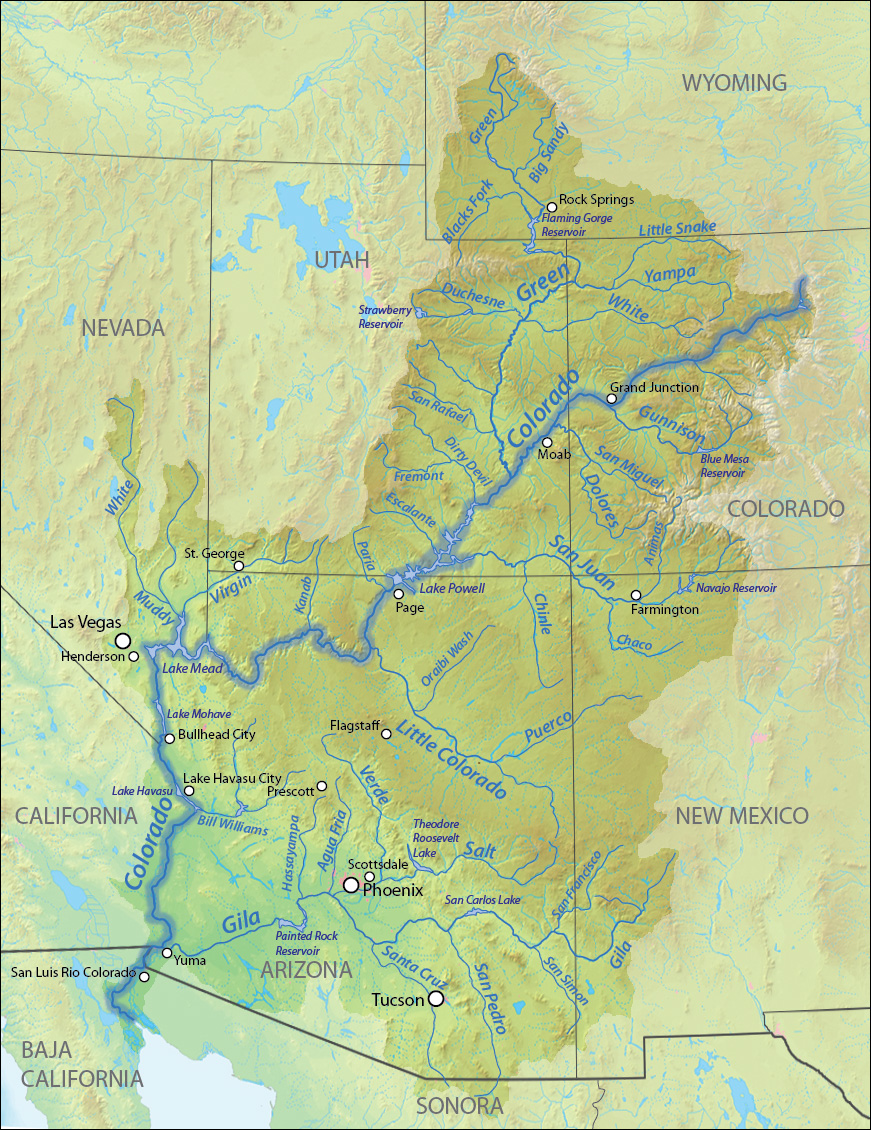
This iconic river basin touches seven U.S. states—Colorado, Wyoming, Utah, Arizona, Nevada, California, and New Mexico—and two Mexican states, Baja California and Sonora. It is the primary water source for over 40 million people, powers numerous hydroelectric dams, and sustains a rich tapestry of ecosystems. For the discerning traveler, it presents an array of destinations and experiences, from exhilarating whitewater rafting through ancient canyons to tranquil houseboat retreats on vast reservoirs, and from luxury resorts overlooking its impressive gorges to cozy accommodations in charming riverside towns. Whether your lifestyle leans towards rugged adventure, historical exploration, or serene relaxation, the Colorado River basin offers a unique travel narrative waiting to be discovered.
Tracing the Legendary Path: From Peaks to Plateaus
The journey of the Colorado River begins in Rocky Mountain National Park, specifically at La Poudre Pass Lake, high in the Front Range of the Rocky Mountains in Colorado. Starting as a humble snowmelt stream, it gathers force as it flows southwest, descending through deep canyons, vast deserts, and fertile valleys. Over its approximately 1,450-mile course, it undergoes a dramatic transformation, shaping the very landscape it traverses.
From Mountain Streams to Desert Canyons
In its upper reaches through Colorado and Utah, the river flows through high-altitude forests and meadows, offering excellent fly-fishing opportunities and scenic beauty. Towns like Grand Junction, Colorado, serve as excellent bases for exploring vineyards and the stunning Colorado National Monument. As it enters Utah, the river begins its monumental work of carving through the Colorado Plateau, creating the dramatic landscapes that define much of Arches National Park and Canyonlands National Park near Moab. Here, the river’s power is evident in the towering sandstone cliffs and intricate canyon systems.
The river’s most famous stretch lies within Arizona, where it dramatically plunges into the Grand Canyon. This colossal chasm, over a mile deep and up to 18 miles wide, is arguably the world’s most impressive example of river erosion, a testament to millions of years of geological activity. Further downstream, the river feeds into massive reservoirs like Lake Powell, created by the Glen Canyon Dam near Page, Arizona, and Lake Mead, formed by the iconic Hoover Dam near Boulder City, Nevada. These reservoirs transform the wild river into vast inland seas, offering a different kind of recreational experience. Finally, the river continues through more desert landscapes in Nevada, Arizona, and California before crossing into Mexico, where its waters are extensively diverted for agriculture, often leaving its delta dry before reaching the Gulf of California.
Travel & Tourism: Adventures Along the Colorado River
The Colorado River basin is an immense playground for outdoor enthusiasts and culture seekers alike. Its diverse landscapes lend themselves to a myriad of tourism opportunities, making it a prime destination for those looking to immerse themselves in nature, history, and thrilling experiences.
Unforgettable Adventures on the Water
For many, the ultimate Colorado River experience is whitewater rafting. Trips through the Grand Canyon are world-renowned, ranging from multi-day expeditions through challenging rapids to shorter, calmer floats suitable for families. Companies like Grand Canyon River Expeditions offer guided tours that provide not only adrenaline-pumping moments but also unparalleled views of the canyon’s geology and opportunities to explore hidden waterfalls and ancient Native American ruins. Other popular rafting spots include Cataract Canyon in Canyonlands National Park and the daily half-day or full-day floats near Moab.
Beyond rafting, the vast stretches of calm water in Lake Powell and Lake Mead are perfect for houseboating, kayaking, paddleboarding, and jet skiing. Renting a houseboat on Lake Powell allows for weeks of exploration into secluded coves and majestic canyons accessible only by water, offering a unique blend of luxury travel and serene wilderness immersion. Fishing enthusiasts will find abundant opportunities throughout the river system, with species ranging from trout in the upper reaches to bass in the reservoirs.
Scenic Drives and Iconic Overlooks
For those who prefer terra firma, the Colorado River basin offers some of the most scenic drives in North America. The South Rim of the Grand Canyon National Park provides numerous accessible overlooks like Mather Point and Yavapai Point, offering panoramic views. Near Page, Arizona, visitors can marvel at Horseshoe Bend, where the river makes a dramatic 270-degree turn, or explore the ethereal slot canyons of Antelope Canyon.
The historic Route 66 also intersects with the Colorado River corridor, particularly in areas like Kingman and Oatman, Arizona, offering a nostalgic glimpse into classic American travel. The highway from Las Vegas to the Hoover Dam is another iconic route, leading to one of the greatest engineering marvels in the world. Hikers will find trails catering to all levels, from leisurely walks along river paths to challenging multi-day treks into the depths of the Grand Canyon or the red rock country around Moab. The nearby Zion National Park and Bryce Canyon National Park, though not directly on the Colorado River, are part of the greater Colorado Plateau and are frequently combined into regional itineraries, offering further stunning geological landmarks.
Accommodation & Hospitality: Staying Near the River
When planning a trip along the Colorado River, finding the right accommodation is key to enhancing your overall experience. The region offers a spectrum of lodging options, catering to every lifestyle and budget, from luxurious resorts with full amenities to rustic campgrounds directly on the riverbanks.
From Riverside Resorts to Cozy Cabins
In popular hubs like Moab, Utah, you can find comfortable hotels like the Desert Pearl Inn offering immediate access to river activities and national parks. Near the Grand Canyon, options range from historic lodges within the Grand Canyon National Park (like El Tovar Hotel or Bright Angel Lodge) to more contemporary hotels in nearby gateway towns like Flagstaff or [Williams](https://lifeoutofthebox.com/williamst, Arizona. These often cater to family trips with a range of room types and dining options.
For those drawn to the reservoirs, Lake Powell Resort near Page provides convenient access to boating and watersports, often with suites or apartments designed for longer stays. Similarly, Lake Mead National Recreation Area offers various marinas and campgrounds, with more upscale hotels and resorts available in nearby Las Vegas and Henderson, Nevada. Many travelers also opt for quaint villas or vacation rental homes in smaller towns like Sedona, Arizona, or Lake Havasu City, providing a more intimate and personalized experience. Some hotels and resorts might even offer specialized services for business stays or events, capitalizing on the scenic backdrop.
Planning Your Stay: Tips for Every Traveler
When considering accommodation, it’s advisable to check reviews and comparison sites to find options that best suit your needs. During peak seasons (spring and fall), popular locations book up quickly, so early booking is essential, especially for unique properties or those within national parks. Look for amenities that enhance your trip, such as guided tour services, shuttle access to attractions, or on-site dining featuring local food. Many resorts in the area, such as those operated by Aramark Hotels & Resorts, offer comprehensive packages that include lodging and guided river excursions. For those seeking long-term stays or a more independent adventure, fully equipped apartments or vacation homes are widely available in towns like Page, Arizona, or Yuma, Arizona.
The Colorado River: A Cultural and Historical Tapestry
The Colorado River isn’t just a geographic feature; it’s a profound cultural and historical force that has shaped the Western United States for millennia. Its presence dictated the movements and settlements of ancient peoples, drove early American exploration, and became the central character in the region’s dramatic development.
Echoes of Ancient Civilizations and Modern Engineering
Long before European explorers arrived, the Colorado River sustained thriving Native American civilizations. Ancient groups like the Anasazi (Ancestral Puebloans), Hopi, Zuni, and Navajo built complex societies along its banks and tributaries, leaving behind fascinating ruins and rock art. Their knowledge of water management and sustainable living in an arid environment is a testament to the river’s life-giving power and their deep connection to the land. Visiting sites like Mesa Verde National Park or the numerous ruins found within Grand Canyon National Park offers an incredible glimpse into this rich past.
The modern history of the Colorado River is marked by monumental engineering feats. The intrepid explorations of John Wesley Powell in the late 19th century mapped much of the river’s course, opening the way for settlement and development. The construction of the Hoover Dam in the 1930s and the Glen Canyon Dam in the 1960s transformed the river, creating vast reservoirs that enabled the growth of major cities like Los Angeles, San Diego, Phoenix, and Tucson. These projects, spearheaded by agencies like the Bureau of Reclamation under the Department of the Interior, represent a triumph of engineering, albeit with significant environmental consequences. The story of the river is also one of complex water rights and ongoing debates over resource allocation, a critical aspect of its contemporary culture and politics. Efforts to restore flows to its delta in Mexico and address the shrinking water levels in Lake Mead and Lake Powell are central to the river’s future.

In conclusion, the Colorado River is not merely a geographic location but a dynamic narrative woven into the fabric of the American West. Its physical location dictates a journey through some of the most spectacular natural landscapes on Earth, providing endless opportunities for travel, tourism, and adventure. From the thrill of navigating its rapids to the tranquility of a houseboat on its grand reservoirs, and from exploring ancient ruins to witnessing engineering marvels, the river offers a profound experience for every type of traveler. With a wide array of accommodation options and a rich tapestry of history and culture, the Colorado River basin stands as an essential destination for anyone seeking to connect with the raw beauty and enduring spirit of the wild West. Plan your visit to this magnificent lifeline, and discover why it continues to captivate hearts and minds across the globe.