
The Continental Divide is a truly awe-inspiring geographical feature, a colossal spine of mountains that dictates the flow of water across an entire continent. In Colorado, this legendary line traces a dramatic path through some of the most breathtaking scenery in the United States, offering travelers a unique opportunity to stand astride two hemispheres of drainage. Understanding where this formidable divide lies is key to unlocking a deeper appreciation for the state’s natural wonders and planning unforgettable journeys.
This majestic natural phenomenon, the Continental Divide, doesn’t follow a single, easily discernible road or trail. Instead, it zigzags and meanders, a complex, often rugged, and sometimes elusive boundary that traverses the Rocky Mountains. For those planning a trip to Colorado, whether for a thrilling outdoor adventure, a luxurious resort stay, or an immersive cultural experience, grasping its location can significantly enhance their itinerary and understanding of the landscape.
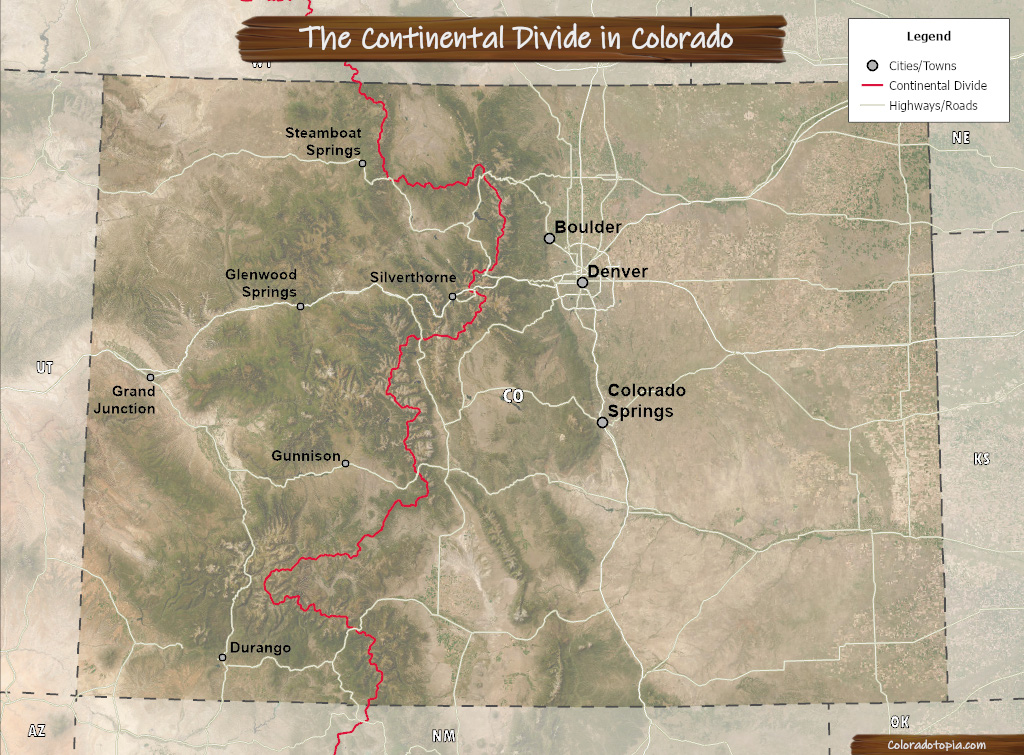
Tracing the Divide: A Journey Through Colorado’s Majestic Peaks
Colorado is a haven for outdoor enthusiasts, and the Continental Divide serves as a dramatic backdrop and often a direct participant in many of its most iconic attractions and activities. From snow-capped peaks to verdant valleys, the divide shapes the very essence of the Colorado landscape.
The Divide’s Imposing Presence
The Continental Divide enters Colorado in the north, near the Wyoming border, and exits in the south, stretching into New Mexico. Its path is not confined to just one area but rather sprawls across numerous mountain ranges and high country. This means that many of the state’s most famous mountains, including those popular for hiking, skiing, and climbing, are either situated directly on or very close to the divide.
The sheer elevation of the Continental Divide in Colorado is a significant factor. Many of the state’s fourteeners, mountains exceeding 14,000 feet, are found along or near this hydrological boundary. These towering giants, such as Mount Elbert and Mount Massive, represent some of the highest points in the Rocky Mountains and are magnets for trekkers and mountaineers. The Divide can also be a formidable challenge for those attempting to traverse it, often requiring specialized gear and a high level of fitness.
Beyond the highest peaks, the Continental Divide carves through vast national forests and wilderness areas, offering unparalleled opportunities for exploration. Rocky Mountain National Park, one of Colorado‘s most beloved landmarks, features sections of the Divide, most notably along the iconic Trail Ridge Road. This scenic highway, the highest continuous paved road in North America, provides accessible viewpoints and overlooks where visitors can literally stand with one foot in the Atlantic Ocean watershed and the other in the Pacific Ocean watershed.
The Divide also influences the flow of Colorado‘s major rivers. Waters that flow west from the Continental Divide eventually make their way to the Pacific Ocean via rivers like the Colorado River, which is crucial for water supply in the American Southwest and Mexico. Waters that flow east find their path to the Gulf of Mexico and the Atlantic Ocean through systems such as the South Platte River and the Arkansas River. This fundamental hydrological separation is the very definition of the Continental Divide and is a fascinating aspect to consider when exploring Colorado‘s natural beauty.
Experiencing the Continental Divide: Travel and Tourism Highlights
The Continental Divide isn’t just a geographical line; it’s an experience. Colorado has embraced this natural wonder, integrating it into various travel experiences, from scenic drives to challenging backcountry expeditions.
Driving the Scenic Routes
For many, the most accessible way to witness the Continental Divide is through Colorado‘s renowned scenic byways. Trail Ridge Road in Rocky Mountain National Park is a prime example. This route, often open only from late spring through fall due to snow, offers spectacular vistas of the alpine tundra and the rugged divide itself. Pull-offs and overlooks provide perfect spots for photography and to simply soak in the grandeur. Driving this road is a quintessential Colorado travel experience, offering panoramic views that stretch for miles.
Another significant route is U.S. Highway 40, which crosses the Continental Divide at Berthoud Pass. This high mountain pass is a popular stop for travelers, offering stunning views and a tangible sense of crossing this significant boundary. Further south, Independence Pass, accessible via State Highway 82 near Aspen, is one of the highest paved mountain passes in Colorado and offers incredible scenery as it traverses the Divide. The drive itself is an adventure, winding through dramatic mountain terrain and offering opportunities for stops at historical markers and viewpoints.
When planning a road trip that incorporates the Continental Divide, it’s essential to be aware of seasonal closures, especially at higher elevations. The weather can change rapidly, and snow can persist well into the summer months at passes like Berthoud Pass and Independence Pass. Checking road conditions and being prepared for varying weather is a crucial part of responsible travel planning in Colorado.
Hiking and Backpacking Adventures
For the more adventurous, the Continental Divide National Scenic Trail (CDT) offers the ultimate immersion. This epic trail stretches for over 3,100 miles from Mexico to Canada, with a significant and spectacular portion running through Colorado. Hiking even a section of the CDT provides an intimate encounter with the divide, traversing high alpine meadows, crossing remote passes, and experiencing the raw beauty of the Rocky Mountains.
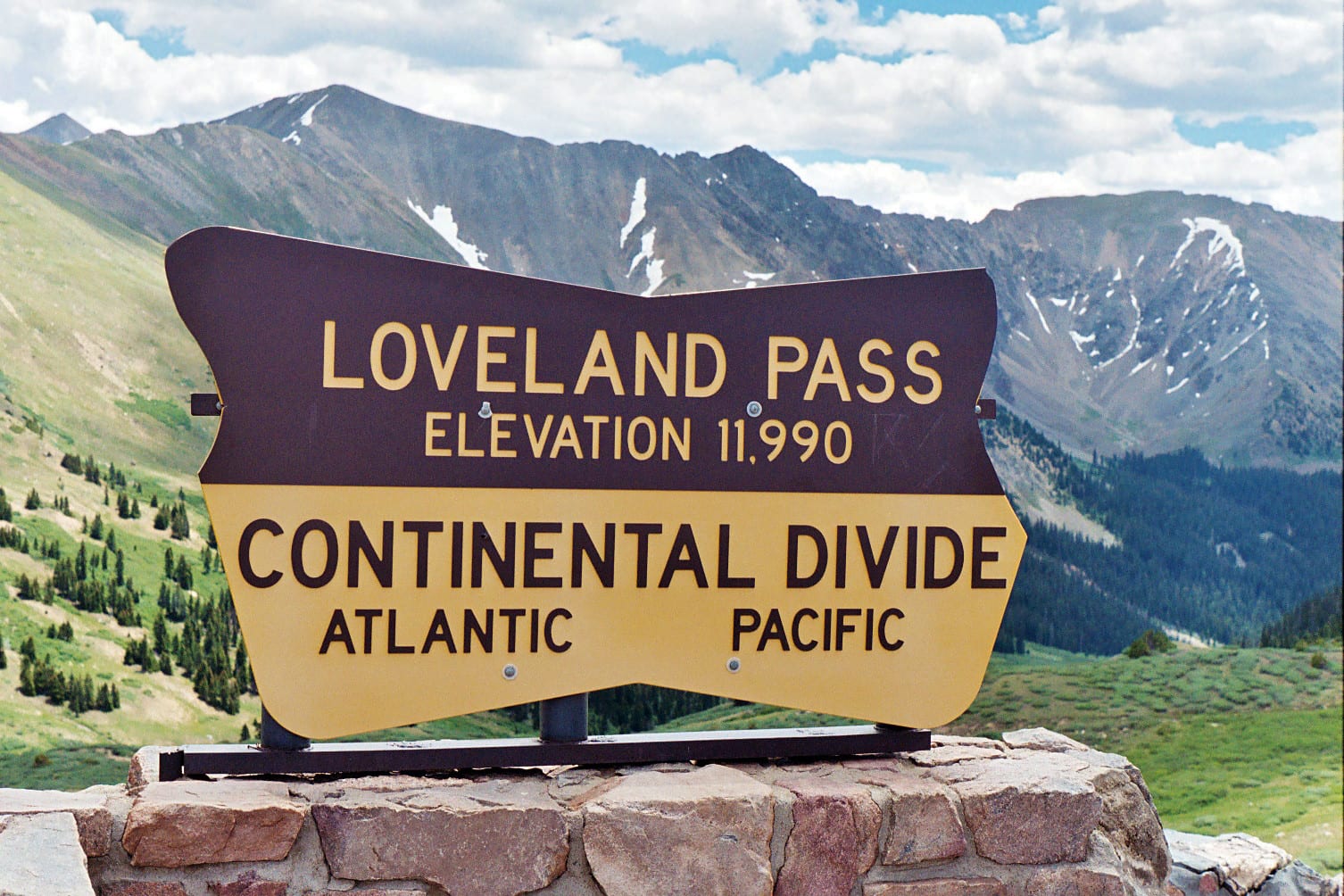
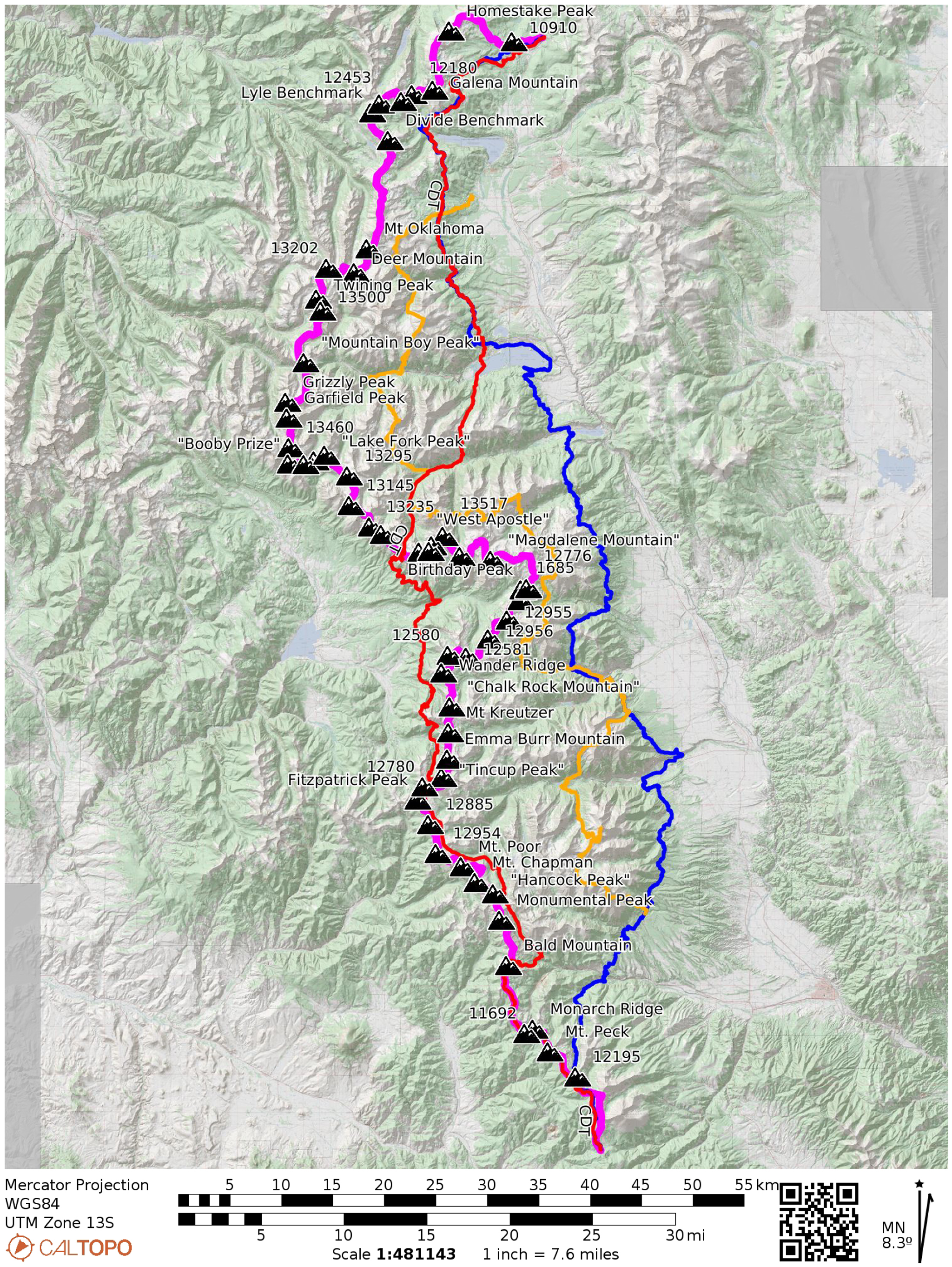
The CDT in Colorado offers a variety of challenges, from day hikes to multi-week backpacking journeys. Popular sections include those near Grand Lake, passing through Rocky Mountain National Park, and further south, near Monarch Pass. These trails are often marked, but navigating in the backcountry requires navigation skills, proper equipment, and a thorough understanding of Leave No Trace principles. The rewards, however, are immense: solitude, breathtaking scenery, and a profound connection to the natural world.
For those seeking a less strenuous but still rewarding experience, numerous day hikes and shorter backpacking routes crisscross the Continental Divide in Colorado. Many trailheads are located near ski resorts and mountain towns, making them accessible for a day trip. For example, trails originating from Arapahoe Basin or Keystone Resort can quickly lead you to sections of the divide, offering incredible views without the need for extensive planning. Always research specific trail conditions and difficulty levels before embarking on any hike.
The Divide and Colorado’s Ski Resorts
The Continental Divide‘s impact is also keenly felt in Colorado‘s world-renowned ski industry. Several premier ski resorts are located directly on or adjacent to the divide, offering unique skiing and snowboarding experiences.
Arapahoe Basin and Keystone Resort, for instance, are situated in the heart of Colorado‘s high country, with trails and lifts that often traverse the divide. Skiers can literally descend slopes that drain into different ocean basins. This geographical quirk adds an extra layer of excitement and discovery to a ski trip. The high-altitude terrain offered by these resorts is a direct result of the dramatic uplift that formed the Rocky Mountains and the Continental Divide.
Other ski resorts, such as Winter Park Resort and Breckenridge Ski Resort, while not always directly on the absolute highest points of the divide, are located within the broader mountainous region shaped by its formation. The vastness of the skiable terrain at these destinations is a testament to the immense geological forces at play.
Visiting these ski resorts during the winter months provides a starkly different, yet equally magnificent, perspective on the Continental Divide. The snow-covered peaks and slopes create a pristine, ethereal landscape, transforming the rugged divide into a glistening winter wonderland. Even if you’re not a skier, many resorts offer scenic gondola rides or dining options at high elevations, allowing you to appreciate the grandeur of the divide without strapping on skis.
Staying Near the Divide: Accommodation and Lifestyle
Colorado offers a diverse range of accommodation options for travelers looking to experience the Continental Divide. From luxurious resorts to cozy mountain cabins, there’s something to suit every lifestyle and budget.
Lodging with a View
Many towns and cities in Colorado are located within close proximity to the Continental Divide, offering unparalleled access to its attractions. Estes Park, the gateway to Rocky Mountain National Park, is a prime example. Here, visitors can find a variety of hotels, motels, and vacation rentals, many with stunning views of the surrounding mountains, including glimpses of the divide.
Further west, towns like Aspen, Vail, and Breckenridge are not only world-class ski destinations but also offer upscale accommodation options. These resorts often feature spa services, fine dining, and easy access to outdoor activities related to the divide. For those seeking a more secluded experience, renting a cabin or a lodge in a smaller mountain community can provide a peaceful retreat with direct access to hiking trails and natural beauty.
When choosing accommodation, consider its proximity to the specific sections of the Continental Divide you wish to explore. For example, if your primary interest is Rocky Mountain National Park, staying in Estes Park or nearby will be most convenient. If you’re keen on exploring the high passes and ski areas, towns like Dillon, Silverthorne, or Georgetown might offer more central locations.
Culinary and Cultural Experiences
The tourism industry in Colorado has embraced the Continental Divide as a defining element of its identity. Local culture is deeply intertwined with the mountain landscape. Many towns celebrate their connection to the divide through festivals, historical exhibits, and outdoor activities.
The culinary scene in Colorado also reflects its environment. From hearty mountain fare to innovative farm-to-table restaurants, many establishments use local ingredients and draw inspiration from the surrounding natural beauty. Enjoying a meal with a view of the Continental Divide can be a truly memorable part of your travel experience.
For those interested in the history and geology of the divide, numerous visitor centers, museums, and interpretive trails offer insights into the forces that shaped this magnificent feature. Learning about the indigenous peoples who inhabited these lands for centuries, and their relationship with the mountains, adds another layer of depth to any visit.
The lifestyle of Colorado is intrinsically linked to its outdoor offerings. Whether you’re planning a luxury travel escape, a budget travel adventure, a memorable family trip, or a focused business stay, the Continental Divide provides a magnificent and ever-present backdrop. It’s a reminder of the raw power and beauty of nature, a constant invitation to explore, and a fundamental element of what makes Colorado such a unique and captivating destination.
In conclusion, the Continental Divide in Colorado is not a single point but a sprawling, dramatic, and essential part of the state’s geography. It influences its climate, its waterways, its wildlife, and the very character of its landmarks and attractions. Whether you’re driving its scenic byways, hiking its trails, or simply enjoying the view from a mountain town, understanding and seeking out the Continental Divide will undoubtedly enrich your Colorado experience.